When Should You Call a 24-Hour Emergency Plumber in NYC?
Discover when to call a 24-hour emergency plumber in NYC. Learn the warning signs, causes, repair processes, and costs for urgent New York City leaks.

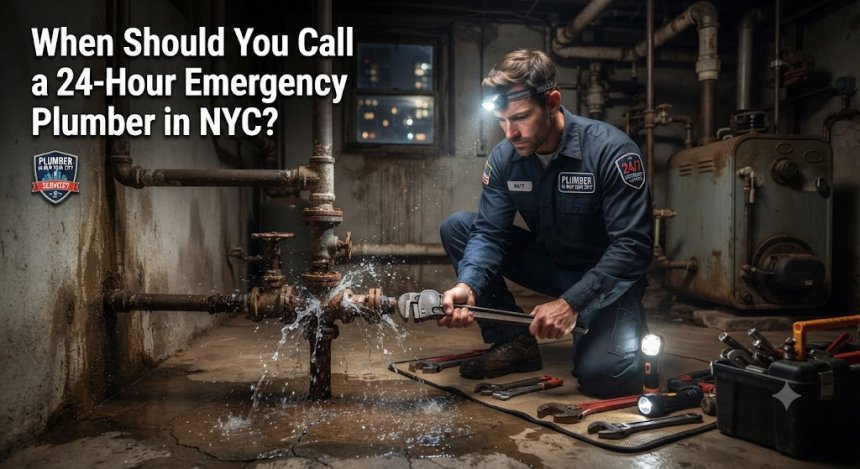
Plumbing disasters rarely happen during convenient business hours, often striking late at night or during holiday weekends when you least expect them. Knowing when should you call a 24-hour emergency plumber in NYC? is essential for property owners, co-op shareholders, and business operators across Manhattan, Brooklyn, Queens, the Bronx, and Staten Island.
Living in a high-density urban environment means a minor midnight pipe fracture or backing-up main drain can quickly damage multiple levels, affecting downstairs neighbors and triggering costly structural rot. Property managers and residents frequently search for this guidance to determine whether a sudden leak requires an immediate middle-of-the-night dispatch or if it can safely wait until morning. Understanding the fine line between standard maintenance and true urban plumbing emergencies protects your property from catastrophic damage.
What Is an After-Hours Plumbing Crisis?
An after-hours plumbing crisis is any sudden, uncontrollable failure within a building's water supply, drainage, or heating network that threatens human safety, compromises structural integrity, or causes active property damage outside normal business hours.
Common situations involve major water supply lines bursting behind lath-and-plaster walls, raw sewage overflowing across basement floors, or total water service loss in a multi-family building. Symptoms include rushing water sounds, pooling liquid on hardwood floors, or sewage backing up through lower-level fixtures.
These events happen because aging high-rise infrastructure, shifting building foundations, and extreme weather fluctuations place immense stress on urban plumbing components day and night.
Why Does This Plumbing Problem Happen?
Plumbing failures demanding urgent intervention stem from a combination of chronic system degradation and acute environmental triggers.
-
Aging Infrastructure: Many New York City brownstones and apartment buildings feature decades-old galvanized steel and cast-iron pipes that rust from the inside out until walls thin out and rupture.
-
Corrosion and Electrolysis: Direct contact between incompatible metals, such as copper tied directly to iron without dielectric fittings, accelerates pinhole leaks.
-
Tree Roots: Aggressive roots from street trees invade underground clay or cast-iron sewer lateral pipes beneath cellars and sidewalks.
-
Hard Municipal Water: Mineral-heavy city water accumulates scale inside valves and heaters over time, causing mechanical lockups.
-
High Water Pressure: Municipal systems push strong water columns up tall buildings; failing pressure-reducing valves cause pressure spikes that snap fragile lines.
-
Seasonal Freezing Temperatures: Uninsulated exterior walls expose water supply pipes to sub-zero drafts during harsh NYC winters, freezing internal water and bursting pipes.
-
Improper Prior Repairs: Unpermitted or substandard DIY fixes by previous occupants fail suddenly under regular operational pressure.
Signs You Should Never Ignore
Spotting early warning indicators allows you to address developing flaws before they erupt into full-scale midnight floods.
-
Water Stains: Brownish discoloration on ceilings or bubbling wall paint indicates a slow, hidden leak.
-
Slow Drains: Sluggish multi-fixture drainage hints at a blocked main waste trap or a collapsing sewer line.
-
Low Water Pressure: Sudden reductions in flow point to mineral scaling or a failing pressure regulator.
-
Unusually High Utility Bills: Unexplained spikes in your municipal water bill usually reveal a hidden slab or wall leak.
-
Damp Walls and Mold Growth: Musty odors and peeling wallpaper expose chronic moisture accumulation behind surfaces.
-
Strange Noises: Banging water hammer sounds or gurgling drains signal trapped air or venting failures.
-
Discolored Tap Water: Reddish or brown water running from taps means interior pipe corrosion is actively degrading your supply.
Common Plumbing Problems Related to This Issue
Urban plumbing networks consist of interdependent systems where a single failure frequently creates secondary problems.
-
Pipe Leaks: Pinhole failures in concealed copper lines or cracked threaded joints.
-
Main Drain Clogs: Heavy grease, scale, and debris blockages in horizontal waste lines.
-
Sewer Backups: Main sanitary line blockages forcing gray water back into bathtubs and floor drains.
-
Water Heater Failures: Tank ruptures in utility closets flooding finished living areas.
-
Burst Flexible Supply Lines: Braided steel hoses snapping beneath kitchen sinks or behind toilets.
-
Fixture Damage: Cracked porcelain toilets or split angle stops failing during pressure surges.
Step-by-Step Professional Repair Process
When you contact an emergency technician from Plumber in New York City, our team follows a rigorous, systematic protocol to resolve the crisis safely.
-
Step 1: Emergency Inspection: The licensed plumber arrives, locates primary shut-off valves, and assesses the active breach.
-
Step 2: Advanced Diagnosis: Using acoustic listening tools and thermal cameras, the technician pinpoints hidden water tracking without destructive demolition.
-
Step 3: Upfront Estimate: You receive a clear, transparent breakdown of repair options, code requirements, and costs before work begins.
-
Step 4: Precision Repair: Damaged pipe sections are cut out and replaced with code-compliant materials like durable PEX or rigid copper.
-
Step 5: Hydrostatic Testing: The repaired line is subjected to pressure testing to verify absolute structural integrity.
-
Step 6: Jobsite Cleanup: Water extraction, debris clearing, and sanitization restore the area to a clean condition.
-
Step 7: Maintenance Advice: The technician provides customized preventative guidance and warranty details.
Can You Fix It Yourself?
Property owners can manage basic initial containment, but emergency repairs in NYC properties require professional licensing.
-
Safe DIY Actions: Shutting off the main water supply valve, placing buckets under active drips, turning off electricity to affected rooms, and mopping up surface water.
-
Temporary Fixes: Applying rubber pipe repair tape or a temporary hose clamp to a low-pressure line as a short-term band-aid.
-
When DIY Becomes Dangerous: Attempting to tighten old, corroded brass nuts on high-pressure lines often snaps the fitting completely, unleashing full-pressure flooding. Working on gas lines or shared building stacks is also illegal.
-
When Professional Help is Mandatory: Any leak hidden inside structural walls, sewage backups, or main valve failures requires an immediate call to a licensed emergency plumbing professional.
Tools Professionals Use
Modern emergency plumbing diagnostics rely on advanced equipment to eliminate guesswork and protect building finishes.
-
Drain Inspection Cameras: Waterproof optical snake cameras that travel through pipes to display internal cracks and blocks.
-
Electronic Leak Detection Equipment: Acoustic listening devices and infrared cameras that locate hidden water leaks behind masonry and plaster.
-
Hydro Jetting Systems: High-pressure water scouring units that blast away years of scale and debris.
-
Pipe Locators: Radio transmitters paired with surface sensors to pinpoint the path of buried pipes.
-
Pressure Testing Gauges: Precision dials used to verify system containment limits after repairs.
How Long Does the Repair Usually Take?
Repair timelines vary depending on the complexity of the urban infrastructure involved.
-
Simple Repairs (1 to 2 hours): Replacing a broken angle stop valve or swapping out a damaged supply hose.
-
Moderate Repairs (2 to 4 hours): Replacing a section of corroded branch piping or fixing a leaking shower assembly.
-
Major Repairs (4 to 8+ hours): Re-piping a multi-floor wall cavity or addressing complex sub-slab line breaks.
-
Emergency Stabilization (30 to 60 minutes): Initial shut-off, containment, and pressure relief to stop active flooding.
-
Factors Affecting Time: Wall material type, shut-off valve accessibility, and replacement part availability.
Cost Factors
Understanding what drives plumbing costs helps you budget effectively for unexpected apartment or brownstone repairs.
-
Diagnostic Fees: Charges associated with dispatching a technician and using specialized detection equipment.
-
Parts and Materials: Cost of high-grade copper, PEX tubing, heavy-duty fittings, or specialized valves.
-
Labor Rates: Skill level required, standard hourly rates, and technician certifications.
-
Emergency Service Charges: Premium rates for middle-of-the-night or holiday dispatches.
-
Accessibility: Extra labor required if pipes are boxed in behind custom millwork or brickwork.
-
Permit Costs: NYC DOB filing fees required for major plumbing alterations.
-
Replacement vs Repair: Long-term savings of full re-piping versus continuous patching.
Plumbing repair costs vary depending on the severity of the problem, accessibility, materials required, emergency service, property type, and local labor rates.
Hidden Truths Homeowners Should Know
Living in a densely populated New York City neighborhood comes with unique plumbing realities.
-
Small Leaks Become Expensive Repairs: A slow drip behind a kitchen cabinet quickly rots subflooring and fosters black mold.
-
Cheap Temporary Fixes Often Fail: Hardware store epoxy patches cannot withstand continuous municipal water pressure.
-
Insurance May Not Cover Neglected Plumbing: Standard homeowner policies deny claims if water damage stems from documented, unaddressed chronic leaks.
-
Tree Roots Repeatedly Damage Sewer Lines: Unmanaged street trees will continually infiltrate old clay sewer hubs.
-
Hard Water Shortens Fixture Lifespan: Mineral accumulation destroys water heaters and ceramic cartridges prematurely.
-
DIY Mistakes Increase Repair Costs: Overtightening fittings strips threads and turns a simple gasket replacement into a major job.
-
Delaying Repairs Causes Structural Damage: Water migrates across concrete slabs and damages structural joists.
-
Hidden Leaks Increase Utility Bills: Unseen running toilets or wall leaks inflate monthly utility statements.
-
Mold Develops Quickly: Humid summer conditions accelerate mold growth in damp spaces.
-
Annual Maintenance Saves Money: Professional preventative inspections catch failing valves before they flood your home.
15 Common Mistakes Homeowners Make
-
Ignoring minor leaks: Waiting for a small drip to stop on its own leads to severe structural rot.
-
Using chemical drain cleaners: Harsh acids erode old metal pipes and create dangerous splashing hazards.
-
Flushing wet wipes: Even "flushable" wipes tangle in building traps and cause massive sewage backups.
-
Pouring grease down sinks: Liquid grease solidifies in cold pipes, choking drainage capacity.
-
Ignoring water pressure surges: Failing to service a broken regulator results in exploded supply lines.
-
Hiring unlicensed handymen: Unqualified workers violate NYC building codes and void insurance policies.
-
Skipping annual maintenance: Operating systems without check-ups invites sudden catastrophic failure.
-
Waiting until emergencies happen: Postponing service until midnight increases emergency callout expenses.
-
Using wrong pipe materials: Mixing incompatible metals causes rapid galvanic corrosion.
-
Over-tightening fittings: Cracking porcelain fixtures or stripping brass threads through excessive force.
-
Not knowing main shut-off locations: Wasting precious minutes searching for water valves while flooding occurs.
-
Modifying common elements: Unauthorized alterations to shared risers violate property bylaws.
-
Neglecting washing machine hoses: Failing to replace rubber hoses every five years invites burst floods.
-
Disposing of chemicals improperly: Pouring solvents down drains degrades pipe seals and joints.
-
Failing to maintain emergency funds: Not setting aside money for unexpected urban home repairs.
Maintenance Tips
Protect your New York property by practicing consistent, seasonal plumbing care.
-
Inspect Supply Lines: Check braided steel hoses beneath sinks and toilets every six months for fraying.
-
Test Shut-Off Valves: Turn your main water shut-off valves quarterly to prevent them from seizing up.
-
Clear Drains Monthly: Flush sink and shower drains with hot water and baking soda to prevent organic buildup.
-
Install Drain Catchers: Use mesh strainers in kitchen and bathroom drains to trap hair and food waste.
-
Monitor Water Meter: Check your water meter when no taps are running to detect hidden silent leaks.
-
Insulate Exposed Pipes: Protect pipes located near drafty exterior walls during harsh winters.
-
Flush Water Heaters: Drain sediment from your tank water heater annually to maintain efficiency.
-
Service Sump Pumps: Test basement sump pump float switches regularly before heavy rains.
-
Replace Washer Hoses: Upgrade standard rubber washing machine hoses to burst-resistant braided stainless lines.
-
Watch Water Pressure: Ensure your water pressure stays below 80 psi to prevent joint stress.
-
Avoid Chemical Openers: Use mechanical snakes or enzymatic cleaners instead of caustic chemicals.
-
Check Garbage Disposals: Never grind fibrous vegetables or bones in your disposal unit.
-
Inspect Toilet Flappers: Replace worn rubber flappers every few years to stop silent toilet running.
-
Schedule Annual Inspections: Have a licensed plumber perform a comprehensive check of your plumbing system.
-
Review Local Codes: Familiarize yourself with New York City building rules regarding plumbing alterations.
When Should You Call an Emergency Plumber?
Certain situations demand immediate professional intervention, day or night.
-
Burst Pipes: Water gushing freely from a wall or ceiling void.
-
Sewage Backups: Raw sewage overflowing from toilets or basement floor drains into living areas.
-
No Running Water: Total loss of water supply to your home.
-
Overflowing Toilet: A toilet that continues to run and flood despite shutting off the base valve.
-
Major Water Leaks: Uncontrolled leaks threatening electrical panels or structural timber.
-
Active Flooding: Water pooling rapidly across finished flooring or sub-grade spaces.
Frequently Asked Questions
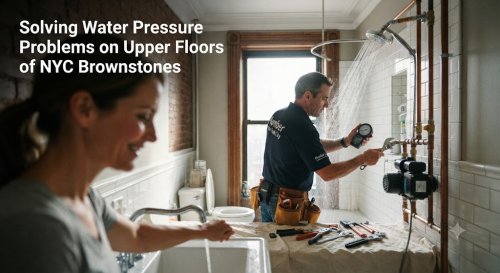
Why is my water pressure suddenly low? Sudden pressure drops usually indicate a clogged faucet aerator, a malfunctioning pressure-reducing valve, or a partial municipal water main shutdown in your neighborhood.
How much does leak detection cost? Leak detection pricing varies based on the technology required and the complexity of your property layout, combining a standard diagnostic with specialized scanning fees.
Can a clogged drain damage pipes? Yes. Severe blockages increase internal hydrostatic pressure when fixtures are used, which can stress weak pipe joints and cause cracks.
Is hydro jetting safe for old pipes? Hydro jetting requires an initial camera inspection. While safe for sound iron or copper lines, heavily corroded historic pipes may require gentler snaking methods.
How do I know if my sewer line is broken? Frequent backups, foul sewer odors inside the building, gurgling toilets, and wet spots on lower levels indicate a compromised sewer line.
How long do water heaters last? Standard tank water heaters typically last between 8 to 12 years, while tankless units can operate efficiently for up to 20 years with proper maintenance.
Why does my faucet drip? Dripping faucets are usually caused by worn-out rubber washers, damaged O-rings, or degraded ceramic cartridges inside the valve assembly.
What causes pipes to burst? Pipes burst primarily due to water freezing and expanding inside uninsulated spaces, severe structural shifting, or extreme internal pressure spikes.
Can plumbing leaks increase my water bill? Absolutely. Even a small silent toilet leak can waste hundreds of gallons of water daily, drastically inflating your monthly municipal utility statement.
When should I replace plumbing instead of repairing it? If pipes suffer from widespread corrosion, frequent pinhole leaks, or are constructed from obsolete materials, a full replacement is far more cost-effective than endless patch repairs.