Introduction
Every homeowner or business owner in Stapleton, Staten Island knows the unique challenges of living and working in one of New York City's most historic North Shore neighborhoods. Whether you reside in a classic Victorian home near Tappen Park or operate a small business along Bay Street, the last thing you need is a plumbing emergency. From aging infrastructure to the effects of coastal weather, plumbing problems happen unexpectedly and can quickly escalate from a minor inconvenience into a significant property disaster.
Immediate attention is vital. A small, persistent leak behind a wall in your Stapleton home can quietly rot structural wood, while a clogged drain in a commercial kitchen can shut down business operations instantly. Property owners search for reliable plumbing information because they want to prevent these issues, understand what causes them, and know exactly who to call when they need expert help right away. This guide is designed to provide valuable, trustworthy advice from experienced plumbing professionals to help you navigate any plumbing situation.
What Is a Plumber in Stapleton, Staten Island?
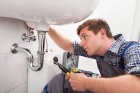
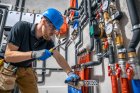
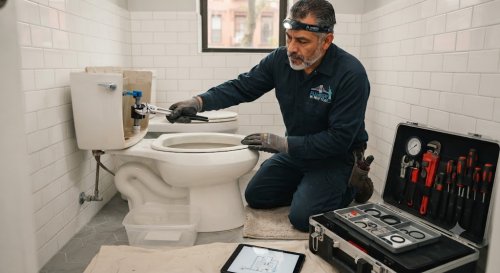
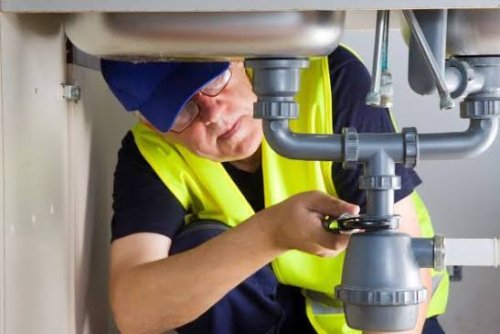
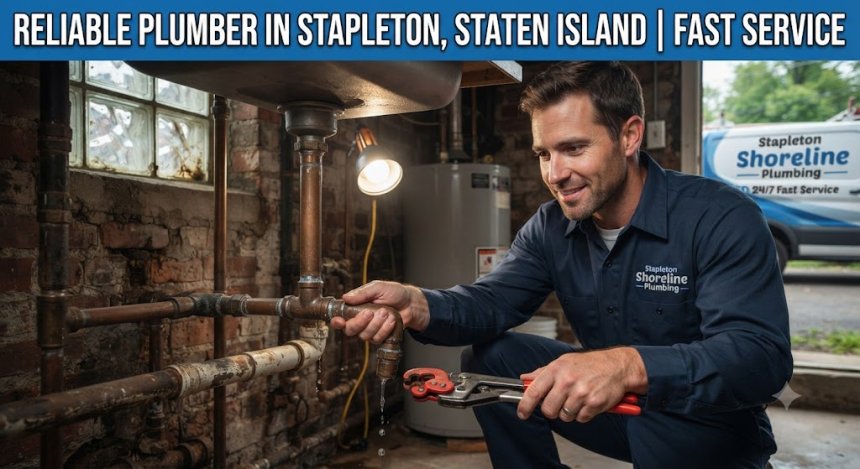
A professional plumber in Stapleton, Staten Island is a licensed and insured expert skilled in the installation, maintenance, repair, and replacement of all water supply, drainage, and gas systems within residential and commercial properties.
-
Definition: A plumber is your go-to professional for everything related to the flow of water and gas in your building. This includes everything from fixing a simple dripping faucet to installing complex sewer lines.
-
Common Situations: In Stapleton, you might call a plumber for recurring basement flooding during heavy rains, installing new piping during a historic home renovation, or upgrading outdated fixtures to improve water efficiency.
-
Symptoms: Common warning signs that you need a plumber include water stains on your ceiling, foul sewer odors, gurgling drains, and unexpected, skyrocketing water bills.
-
Examples: A plumber might replace a corroded section of cast iron pipe in a 100-year-old Stapleton house or install a modern, high-efficiency tankless water heater in a new apartment complex.
Why Does This Plumbing Problem Happen?
Plumbing problems in Stapleton are often a mix of age-old issues and modern challenges. Understanding the causes is the first step toward prevention.
-
Aging Infrastructure: Much of Stapleton's housing stock is historic. Older pipes made of cast iron or galvanized steel inevitably corrode, rust, and fail over decades of use.
-
Corrosion: This chemical reaction eats away at metal pipes, leading to pinhole leaks and eventually major ruptures. It's a common issue in older water supply lines.
-
Tree Roots: In leafy North Shore neighborhoods, tree roots are a major cause of sewer line failures. They infiltrate pipe joints, causing blockages, cracks, and total system collapse.
-
Hard Water: New York City water is relatively soft, but mineral scale buildup can still occur in water heaters and pipes over long periods, reducing efficiency and flow.
-
High Water Pressure: Municipal water pressure can be high. Without a pressure regulator, this excess force stresses all the plumbing components in your home, leading to premature failure.
-
Improper Installation: DIY projects or work by unlicensed individuals often lead to code violations and systems that fail under pressure.
-
Poor Maintenance: Neglecting routine inspections and cleanings allows minor problems to fester until they become emergencies.
-
Seasonal Weather: Freezing temperatures in winter can cause pipes in uninsulated areas to freeze and burst.
-
Clogs: Accumulations of grease, hair, foreign objects, and "flushable" wipes are the #1 cause of drain and sewer backups.
Signs You Should Never Ignore
Don't wait for a small problem to become a catastrophe. Call a plumber immediately if you notice Stapleton warning signs.
-
Water Stains: Dark, spreading spots on your walls, ceiling, or floors are definitive proof of a hidden leak.
-
Slow Drains: A sink that takes forever to empty isn't just annoying; it's a sign of a developing blockage in your drain line.
-
Low Water Pressure: A sudden drop across multiple fixtures can signal a major supply line leak or severe pipe blockage.
-
High Water Bills: If your water usage hasn't changed but your bill has, you likely have an undetected, costly leak.
-
Damp Walls: Soft, discolored, or peeling drywall is a major red flag for a leaking pipe inside the wall cavity.
-
Mold Growth: Mold thrives in damp environments. An unexplained patch of mold is often fed by a hidden plumbing leak.
-
Strange Noises: Banging, gurgling, or whistling sounds coming from your pipes indicate trapped air, loose components, or high pressure.
-
Bad Smells: Sewer gas smells from drains or near your property are a serious health hazard indicating a broken sewer line or dry P-trap.
-
Standing Water: Any unexplained puddle of water, especially near a water heater, toilet, or under a sink, requires immediate investigation.
-
Discolored Water: Rusty or brownish water from your taps indicates corroded pipes or water heater failure.
Common Plumbing Problems Related to This Issue
A single plumbing problem often acts as a domino, triggering a cascade of other failures.
-
Pipe Leaks: A small pinhole leak can quickly escalate into a major burst, causing widespread water damage.
-
Drain Clogs: Blockages force water to back up, potentially overflowing onto your floors and into other areas of your home.
-
Sewer Backups: A blocked main sewer line allows raw sewage to flood your basement, creating a major health crisis.
-
Water Heater Failures: A rusted tank can burst, releasing up to 50 gallons of hot water instantly.
-
Burst Pipes: Frozen or aged pipes can rupture completely, leading to emergency flooding and structural damage.
-
Slab Leaks: Leaks under your foundation can wash away the soil, leading to structural cracks and instability.
Step-by-Step Professional Repair Process
When you hire a licensed plumber in Stapleton, you can expect a systematic and professional approach to solving your problem.
Step 1: Inspection
The plumber will conduct a thorough visual inspection and use diagnostic tools to assess the issue and identify all affected areas.
Step 2: Diagnosis
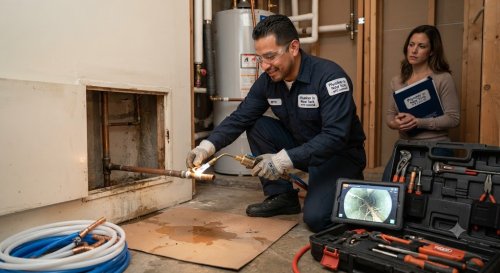
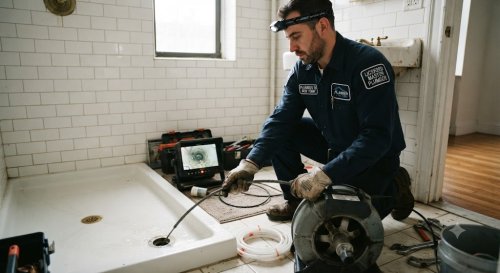
Using advanced equipment like drain cameras, the plumber will pinpoint the exact location and cause of the problem, eliminating guesswork.
Step 3: Estimate
Before any work begins, you will receive a clear, honest, and upfront estimate detailing the scope of the repair, the parts needed, and the total cost.
Step 4: Repair
The plumber will execute the repair using high-quality materials and industry best practices, ensuring the job is done right the first time.
Step 5: Testing
After the repair is complete, the system will be fully tested to confirm that the problem is resolved and that there are no new leaks.
Step 6: Cleanup
The plumber will respect your property, cleaning up all work debris and leaving your home as clean as they found it.
Step 7: Maintenance Advice
The plumber will provide you with practical tips and recommendations on how to maintain your plumbing system and prevent future issues.
Can You Fix It Yourself?
While some minor plumbing tasks are DIY-friendly, most repairs should be left to the professionals.
-
Safe DIY Solutions: You can safely try to clear a simple clog with a plunger or remove a showerhead to clean mineral deposits. You can also insulate accessible pipes for winter.
-
Temporary Fixes: Using a pipe repair clamp or tape can temporarily slow a small leak until a professional arrives.
-
When DIY Becomes Dangerous: Attempting to repair gas lines, water heaters, or main sewer lines without proper training and licensing is extremely dangerous and can lead to explosions, fires, and severe injuries.
-
When Professional Plumbing is Necessary: Any time you are dealing with gas, main water supply lines, sewer systems, or significant leaks, you need a licensed professional to ensure safety and code compliance.
Tools Professionals Use
Modern plumbing relies on advanced technology to diagnose and fix problems with precision.
-
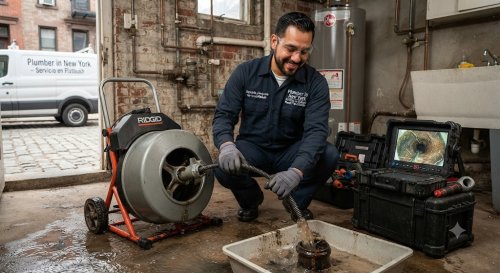
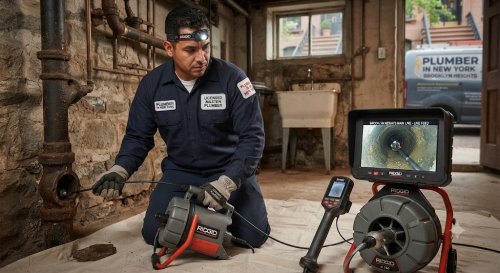
Drain Cameras: Waterproof video cameras that are snaked into your pipes to visually inspect the interior and locate blockages or damage.
-
Leak Detection Equipment: Electronic listening devices and infrared cameras that can find hidden leaks behind walls or under floors without tearing them apart.
-
Hydro Jetting: A high-pressure water system that scours the inside of pipes, effectively removing stubborn grease, roots, and buildup.
-
Pipe Locators: Electronic devices used to find the exact location and depth of underground pipes, crucial for trenchless repairs.
-
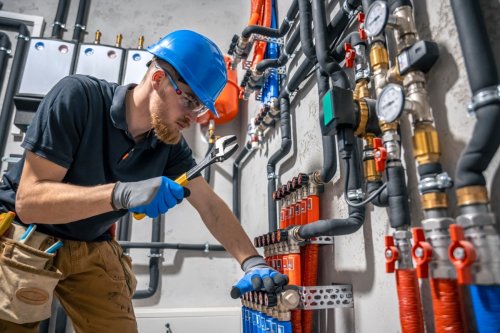
Pressure Testing: Gauges used to test the integrity of your plumbing system and identify hidden pressure drops.
How Long Does the Repair Usually Take?
The duration of a plumbing repair varies greatly depending on the complexity of the job.
-
Simple Repairs: Clearing a single clogged drain or fixing a leaking faucet typically takes 1 to 2 hours.
-
Moderate Repairs: Replacing a water heater, fixing a toilet, or repairing a small pipe section usually takes 2 to 4 hours.
-
Major Repairs: Extensive sewer line replacement, whole-home re-piping, or slab leak repair can take anywhere from 1 to 3 days.
-
Emergency Repairs: Emergency response teams will arrive quickly to stabilize the situation, with the duration of the full repair depending on the extent of the damage.
Plumbing repair costs vary depending on the severity of the problem, accessibility, materials required, emergency service, property type, and local labor rates.
Cost Factors
A professional plumber's quote is based on several key factors.
-
Diagnostic Fees: The initial fee to assess the problem and determine the best course of action.
-
Parts and Materials: The cost of the new pipes, fixtures, valves, or other components needed for the repair.
-
Labor Rates: The cost of the plumber's time and expertise, which can vary based on the complexity of the job and the time of day.
-
Emergency Service Charges: Higher rates apply for after-hours, weekend, or holiday service calls.
-
Equipment Needed: The cost of renting or using specialized tools like drain cameras or hydro jetters.
-
Permit Costs: The fees required by the city for permits and inspections on major plumbing work.
-
Replacement vs. Repair: Sometimes, replacing an old, failing component is more cost-effective in the long run than repeatedly repairing it.
Hidden Truths Homeowners Should Know
Owning a home comes with several harsh plumbing realities that are important to acknowledge.
-
Small Leaks Become Expensive Repairs: A minor drip ignored today can rot out a floor joist or ruin a ceiling tomorrow, leading to a much larger bill.
-
Cheap Temporary Fixes Often Fail: Using duct tape or inferior repair products on a plumbing issue is a waste of time and money.
-
Insurance May Not Cover Neglected Plumbing: Homeowner insurance policies typically exclude coverage for damage resulting from long-term wear and tear or neglected maintenance.
-
Tree Roots Will Return: Once tree roots infiltrate a sewer line, they will keep coming back until the pipe is either replaced or lined.
-
Hard Water Will Shorten Lifespan: While NYC water is soft, mineral buildup can still damage water heaters and appliances over time.
-
DIY Mistakes Increase Repair Costs: An improper DIY repair can cause further damage, making the professional repair more complex and expensive than it originally would have been.
-
Hidden Leaks Increase Utility Bills: Undetected leaks can waste thousands of gallons of water, silently adding significant costs to your utility bills.
-
Mold Develops Quickly: It only takes 24-48 hours for mold to start growing in the presence of a plumbing leak.
-
Annual Maintenance Saves Money: Investing in an annual plumbing inspection and tune-up can prevent costly emergency repairs down the road.
-
Licensed Expertise Matters: Don't put your home at risk by hiring unlicensed handymen. A licensed plumber ensures the work is safe, up to code, and warrantied.
15 Common Mistakes Homeowners Make
-
Ignoring Leaks: Thinking a small drip is "no big deal" until it creates significant water damage.
-
Using Chemical Drain Cleaners: Pouring corrosive acids down your drains, which can damage your pipes and pose a health risk to plumbers.
-
Flushing Wipes: Believing marketing claims that "flushable" wipes are actually safe for your plumbing and municipal sewer systems.
-
Pouring Grease into Drains: Allowing fats, oils, and grease to go down the sink, where they solidify and create massive clogs.
-
Ignoring Water Pressure Problems: Failing to investigate sudden changes in water pressure, which can stress your entire system.
-
Hiring Unlicensed Plumbers: Cutting costs by hiring an unqualified person, which can lead to substandard work and voided insurance claims.
-
Skipping Maintenance: Not scheduling routine inspections of critical plumbing components like water heaters and sump pumps.
-
Waiting Until Emergencies: Delaying necessary repairs until they become full-blown, expensive emergencies.
-
Using Wrong Pipe Materials: Trying to mix different types of piping (e.g., galvanized steel and copper) without the correct dielectric fittings, which accelerates corrosion.
-
Over-Tightening Fittings: Applying too much torque to pipe connections, which can crack fittings and cause leaks.
-
Ignoring Slow Drains: Tolerating a slow-draining sink or shower until it forms a complete blockage.
-
Failing to Locate Main Shutoff: Not knowing where the main water shutoff valve is located in your home in case of an emergency.
-
Neglecting Outdoor Faucets: Failing to disconnect hoses and protect outdoor spigots from freezing temperatures in winter.
-
Overloading Garbage Disposals: Pushing too much food waste or fibrous items into the disposal.
-
Using Household Cleaners on Fixtures: Using harsh abrasives or acidic cleaners that can damage the finish on your faucets and fixtures.
Maintenance Tips
Keep your home's plumbing system healthy with these simple, proactive steps.
-
Inspect Exposed Pipes: Check your basement and utility areas regularly for any signs of drips, rust, or dampness.
-
Monitor Water Bills: Be aware of your typical water usage and investigate any sudden, unexplained spikes.
-
Insulate for Winter: Before the cold weather hits, insulate any exposed pipes in unheated areas like crawlspaces and attics.
-
Test Shutoff Valves: Exercise your main water shutoff valve and individual fixture valves once or twice a year to ensure they work properly.
-
Watch Water Pressure: Have a plumber check your home's water pressure and install a pressure regulator if it's too high.
-
Avoid Chemical Cleaners: Opt for a plunger, a hand snake, or call a plumber for a professional drain cleaning instead of using harsh chemicals.
-
Protect Outdoor Spigots: Disconnect garden hoses before winter and install an insulating cover on the spigot.
-
Schedule Annual Inspections: Have a licensed plumber perform a comprehensive check of your entire plumbing system every year.
-
Clean Aerators: Unscrew the aerators on your faucets and clean out any accumulated mineral scale or debris twice a year.
-
Address Drips Immediately: Fix even the smallest drip on a faucet or showerhead to save water and prevent hardware damage.
-
Watch What Goes Down Drains: Use mesh strainers in your sinks and showers to catch hair, food, and other debris.
-
Know Your Shutoff Location: Make sure all adult members of your household know the location of the main water shutoff valve.
-
Manage Tree Roots: Keep an eye on large trees near your sewer line and consider professional root control if necessary.
-
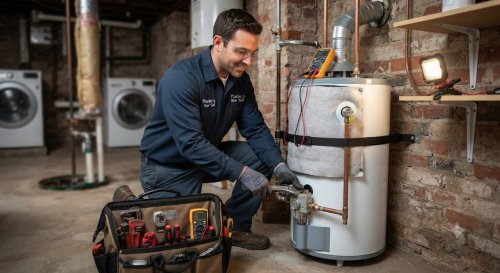
Check Water Heater Tanks: Look for any signs of weeping or rust around the base of your water heater tank.
-
Keep Cleanouts Accessible: Ensure your main sewer cleanout access is not buried under landscaping or flooring.
When Should You Call an Emergency Plumber?
Some plumbing situations cannot wait until morning. Call an emergency plumber immediately if you encounter any of the following.
-
Burst Pipes: A ruptured supply line that is actively flooding your home.
-
Sewage Backups: Raw sewage overflowing from toilets or floor drains, presenting a severe health hazard.
-
No Running Water: A complete loss of water supply to your property, which requires immediate investigation.
-
Overflowing Toilets: A toilet that continues to overflow uncontrollably and cannot be stopped with the fixture shutoff valve.
-
Major Water Leaks: Large-scale leaks that threaten to cause significant structural damage or damage to electrical systems.
-
Severe Flooding: Any situation where your home is actively flooding due to a plumbing failure.
Frequently Asked Questions
Why is my water pressure suddenly low? Sudden pressure drops are often caused by a clogged faucet aerator, a partially closed main shutoff valve, or a leak in your main service line.
How much does leak detection cost? Leak detection costs can vary based on the accessibility of the leak and the complexity of the diagnostic tools required by the professional.
Can a clogged drain damage pipes? Yes. A severe clog increases pressure within the pipe, which can lead to cracks, leaks, and even pipe bursts.
Is hydro jetting safe for old pipes? A professional plumber must first camera-inspect your pipes. While hydro jetting is highly effective, heavily corroded or structurally compromised old pipes may require alternative cleaning methods.
How do I know if my sewer line is broken? Common signs include multiple slow drains, sewage odors on your property, gurgling toilets, and lush patches of grass in your yard during dry weather.
How long do water heaters last? Traditional tank water heaters typically last 8-12 years, while tankless models can last 15-20 years with proper maintenance.
Why does my faucet drip? A dripping faucet is usually caused by a worn-out rubber washer, a damaged O-ring, or a corroded valve seat inside the faucet mechanism.