Common Causes of a Water Heater Pilot Light Going Out

Understanding a Pilot Light That Keeps Going Out
When a gas water heater pilot light repeatedly goes out, it leaves your home without hot water and points to an interruption in the gas supply, a faulty safety control, or environmental interference within the burner chamber. In a standard atmospheric gas water heater, the pilot light is a small, continuous flame responsible for heating the thermocouple and igniting the main burner when the thermostat calls for heat. If that flame is starved of gas, disrupted by airflow, or improperly monitored by safety components, the gas valve automatically shuts off supply to prevent unburned gas from entering the home.
A single occurrence of a blown-out pilot might simply be the result of a strong draft or accidental bumping of the appliance. However, if the pilot light refuses to stay lit after being relighted, it indicates a mechanical or environmental failure that requires systematic troubleshooting.
Primary Causes and How They Differ
Several distinct mechanical issues can cause a pilot light to extinguish or fail to hold. Identifying the correct cause depends on observing how the appliance behaves during and after the lighting process.
Faulty Thermocouple
The thermocouple is a vital safety device positioned directly in the pilot flame. As it gets heated by the flame, it generates a tiny electrical current that holds the gas safety valve open. If the thermocouple tip is coated in soot, physically misaligned so it sits outside the flame, or internally degraded, it will fail to generate sufficient voltage. When this happens, the safety valve assumes the pilot is out and cuts the gas supply within seconds of releasing the control knob.
Drafts and Combustion Air Interference
Gas water heaters require a steady supply of combustion air and a stable environment. Excessive drafts from nearby doors, windows, or whole-house ventilation systems can blow out a weak pilot flame. Additionally, blocked combustion air intake vents near the base of the water heater—often caused by dust, lint, or stored household items—can starve the burner of oxygen, causing the flame to flicker, turn yellow, and eventually die.
Gas Supply Fluctuations and Control Valve Issues
Inconsistent gas pressure from the supply line or a failing gas control valve can prevent the pilot from maintaining a steady flame. If the pilot orifice is partially clogged with debris or spider webs (which are notoriously attracted to the scent of natural gas), the gas stream becomes restricted, resulting in a weak flame that cannot adequately heat the thermocouple.
Safe Homeowner Checks and Troubleshooting
Before attempting any troubleshooting on a gas appliance, always turn the gas control valve to the "OFF" position and allow the burner area to cool completely. Homeowners can safely perform a few basic visual inspections:
- Inspect the Pilot Flame: A healthy pilot flame should be crisp, blue, and steady, completely enveloping the upper third of the thermocouple tip. If the flame is yellow, lazy, or lifting away, it indicates insufficient gas flow or drafting issues.
- Check for Debris: Look through the sight glass or access panel for dust, pet hair, or lint accumulation around the burner assembly and intake screens.
- Test the Reset Procedure: Follow the manufacturer's lighting instructions exactly as printed on the water heater label. Hold the control knob down for the specified duration (usually 30 to 60 seconds) after the flame is established to give the thermocouple enough time to heat up before releasing.
If the pilot lights while holding the button down but extinguishes immediately upon release, the thermocouple is the most likely culprit. If the pilot will not light at all, the issue typically points to a blocked pilot tube, a closed gas supply valve, or a faulty control valve.
When to Seek Professional Service
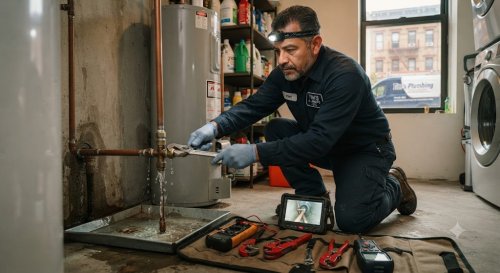
While relighting a pilot is a routine task, certain conditions require a licensed plumbing professional. You should contact a technician if you smell persistent gas odors around the appliance, hear unusual popping or rumbling noises, or if replacing a visibly worn thermocouple does not resolve the issue. Working with main gas control valves, internal burner assemblies, and venting systems requires specialized tools and safety checks, such as electronic gas leak detection and combustion spill tests, to ensure the appliance operates safely within your home.
Frequently Asked Questions
Why does my pilot light stay lit for a few hours and then go out?
A pilot light that stays lit temporarily often points to a marginal thermocouple that generates just enough voltage to trick the valve initially, but loses connectivity as it heats up or encounters a minor external draft. Environmental factors like strong wind gusts entering through the water heater's draft hood or flue can also extinguish the flame intermittently.
Can a dirty air filter in my home cause the water heater pilot to go out?
If your water heater is installed in a confined utility closet or an HVAC mechanical room, a severely clogged return air filter or negative indoor air pressure caused by running the HVAC blower can pull air down the water heater flue, extinguishing the pilot flame.
How often should a thermocouple be replaced?
Thermocouples do not have a fixed expiration date, but they naturally degrade from constant exposure to high heat. Many last anywhere from 3 to 7 years. If a water heater is older, internal corrosion or electrical resistance in the copper lead wire can cause premature failure.
Is it dangerous if the pilot light goes out?
Modern water heaters feature safety shut-off devices designed to stop gas flow the moment the pilot flame goes out. However, if you smell a strong odor of gas that lingers even when the appliance is not in use, turn off the main gas supply valve immediately, ventilate the area, and contact your utility provider or a professional plumber.