
Introduction
Every homeowner or business owner in Ridgewood, Queens understands the unsettling feeling of a mysterious plumbing backup or foul wastewater odors creeping up from basement floor drains. Whether you live in a historic multi-family row house near Myrtle Avenue or operate a local storefront, hidden underground plumbing issues can cause immense stress. Sewer problems typically happen due to aging infrastructure, shifting New York ground soils, and invasive tree roots seeking moisture in densely populated neighborhoods.
Immediate attention is vital because a minor structural crack in an underground sewer line quickly escalates into severe property flooding or foundation damage if left unaddressed. Property owners search for information on sewer camera inspection because they want to eliminate guesswork, pinpoint exact pipe failures without unnecessary property excavation, and understand the true condition of their underground waste systems before undertaking expensive repairs.
What Is Sewer Camera Inspection in Ridgewood, Queens?
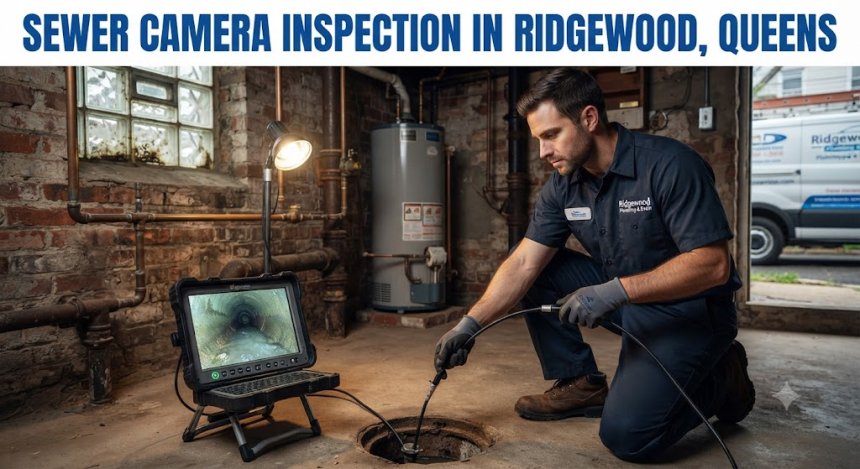
A professional sewer camera inspection is an advanced diagnostic procedure that allows licensed plumbers to look directly inside underground waste and sewer pipes without tearing up driveways, basements, or sidewalks.
-
Definition: It is the process of navigating a flexible, high-definition waterproof fiber-optic camera attached to a push rod through a building's sewer cleanout to video-record the interior pipe condition.
-
Common Situations: Property owners utilize this service when purchasing an older Queens home, experiencing recurring mysterious clogs, or dealing with foul sewage odors and slow-draining fixtures.
-
Symptoms: Warning signs include multiple clogged fixtures, gurgling toilets, wet patches in the yard, and water backing up into ground-level showers or basements.
-
Examples: Inspecting a deteriorating clay lateral pipe beneath a backyard in Ridgewood to locate a root intrusion before it causes a complete structural collapse.
Why Does This Plumbing Problem Happen?
Sewer line failures and blockages develop over many years due to a combination of environmental pressures, material aging, and daily usage habits.
-
Aging Pipes & Material Fatigue: Many historic homes across Queens still rely on aging cast iron, Orangeburg, or clay pipes that eventually crack, rust through, or deform under surface weight.
-
Tree Roots: Urban trees and mature plantings send out aggressive roots that exploit even micro-cracks in underground joints to access water and nutrients, eventually crushing the pipe.
-
Ground Shifting & Settlement: Heavy traffic vibrations and seasonal ground freeze-thaw cycles in New York cause underground pipes to shift, pull apart, or develop destructive negative grades (bellies).
-
Improper Disposal Practices: Flushing non-flushable wet wipes, paper towels, hygiene products, or pouring grease down drains creates heavy interior blockages that trap solid waste.
-
Hard Water & Scale Buildup: Mineral precipitation steadily narrows the inner diameter of older waste lines, restricting smooth water flow.
Signs You Should Never Ignore
Ignoring early warning signs of a compromised sewer line can lead to catastrophic property damage and expensive emergency interventions.
-
Water Stains & Damp Walls: Unexplained moisture spots on basement walls or subflooring often indicate leaking or backing-up waste pipes nearby.
-
Slow Drains Throughout the House: If sinks, tubs, and toilets all drain sluggishly at the same time, the restriction is almost always located in the main sewer line rather than a single branch.
-
Low Water Pressure: Severe blockages or main line distortions can sometimes correlate with broader plumbing system distress.
-
High Water Bills: Hidden leaks or broken water service lines can quietly inflate municipal utility expenses.
-
Mold Growth & Foul Smells: Persistent dampness fosters hazardous mold growth, while stagnant sewage releases noxious sulfur odors near floor drains and fixtures.
Common Plumbing Problems Related To This Issue
Unresolved sewer line problems trigger a cascading series of secondary structural and sanitary plumbing failures.
-
Pipe Leaks: Increased internal backpressure forces water out through cracked joints and compromised pipe walls.
-
Sewer Backups: Complete blockages force municipal and household wastewater backward, overflowing into basement drains and lower-level fixtures.
-
Burst Pipes: Trapped wastewater combined with freezing winter temperatures puts extreme stress on vulnerable pipe sections.
-
Fixture Damage: Corrosive sewage standing in fixtures ruins porcelain, rots wood cabinetry, and destroys flooring.
Step-by-Step Professional Repair Process
When you hire a licensed plumbing professional for a sewer camera inspection in Ridgewood, Queens, they execute a precise diagnostic protocol.
Step 1: Inspection
The plumber evaluates your plumbing symptoms, reviews property history, and locates the main sewer cleanout access point.
Step 2: Diagnosis
The technician guides a high-resolution waterproof camera through the pipe network, viewing real-time footage on a monitor to identify root intrusions, cracks, bellies, or grease blockages.
Step 3: Estimate
The plumber reviews the recorded video findings with you, explains the exact nature of the problem, and provides an upfront, transparent estimate for necessary repairs.
Step 4: Repair
If damage is confirmed, the professional applies the appropriate targeted solution, such as hydro jetting, spot repair, or trenchless pipe lining.
Step 5: Testing
Water and specialized testing equipment are run through the repaired system to verify structural integrity and flawless drainage flow.
Step 6: Cleanup
The technician cleans the work area thoroughly, respecting your home and leaving the workspace spotless.
Step 7: Maintenance Advice
The plumber provides expert recommendations on preventative habits and schedules for future checkups.
Can You Fix It Yourself?
Understanding the limitations of DIY approaches prevents dangerous errors and property damage.
-
Safe DIY Solutions: Homeowners can visually inspect accessible basement cleanout ports and avoid flushing prohibited items down toilets.
-
Temporary Fixes: Plungers and simple hand-held sink snakes can clear localized surface traps.
-
When DIY Becomes Dangerous: Renting heavy mechanical augers without knowing your pipe condition can easily puncture fragile, aged clay or cast iron pipes. Pouring harsh chemical cleaners into a damaged sewer line can cause hazardous splashes and pipe corrosion.
-
When Professional Plumbing is Necessary: Any suspected main sewer line break, persistent backup, or property purchase inspection requires certified professional equipment and expertise.
Tools Professionals Use
Modern diagnostic plumbing utilizes high-tech gear to eliminate guesswork and protect your property landscape.
-
Drain Cameras: Flexible fiber-optic cameras equipped with high-intensity lighting stream crystal-clear interior pipe video to mobile monitors.
-
Hydro Jetting Equipment: High-pressure water streams scour pipe walls free of scale, grease, and roots without damaging sound pipe material.
-
Pipe Locators: Electronic surface sondes paired with radio receivers pinpoint the exact physical depth and ground location of buried pipe defects.
-
Pressure Testing Equipment: Specialized gauges measure system tightness and detect hidden pressure drops.
How Long Does the Repair Usually Take?
Timelines vary depending on property layout and the scope of the diagnostic or repair work.
-
Simple Repairs: A standard sewer camera inspection of a residential lateral typically takes 45 to 60 minutes.
-
Moderate Repairs: Localized snaking or clearing identified blockages usually takes 1 to 2 hours.
-
Major Repairs: Trenchless pipe lining or excavation repairs can take anywhere from a full day to several days.
-
Emergency Repairs: Urgent main line collapses require immediate stabilization taking multiple hours.
Cost Factors
Professional plumbing pricing depends on several distinct variables.
-
Diagnostic Fees: Standard service call and camera equipment deployment charges.
-
Parts and Materials: Replacement pipe sections, couplings, or cleanout fittings.
-
Labor Rates: Time, technical expertise, and crew size required.
-
Emergency Service Charges: Premium rates for after-hours or holiday dispatches.
-
Equipment Needed: Utilization of advanced sondes, locators, or hydro jetters.
-
Accessibility: Whether pipes are exposed in a basement or buried deep beneath concrete or landscaping.
Plumbing repair costs vary depending on the severity of the problem, accessibility, materials required, emergency service, property type, and local labor rates.
Hidden Truths Homeowners Should Know
Operating a property in an urban environment like Queens comes with critical practical realities:
-
Small Cracks Worsen: A minor root hair intrusion today becomes a collapsed sewer pipe tomorrow.
-
Temporary Fixes Fail: Chemical drain openers and quick snaking only punch holes through blockages, leaving underlying structural damage unaddressed.
-
Insurance Gaps: Standard homeowner policies rarely cover damage resulting from long-term, neglected sewer line deterioration.
-
Tree Roots Return: Clearing roots mechanically without repairing cracks or installing liners guarantees a recurrence.
-
Hard Water Damage: Mineral buildup steadily shortens plumbing system longevity.
-
DIY Mistakes Multiply Expenses: Improper tool usage can turn a simple camera diagnostic into a multi-thousand-dollar excavation project.
-
Utility Bill Creep: Undetected underground leaks quietly drive up utility expenses.
-
Mold Growth Speed: Hidden moisture fosters hazardous mold colonies within 24 to 48 hours.
-
Annual Maintenance Saves Money: Proactive camera inspections prevent catastrophic emergency failures.
-
Licensed Expertise Matters: Hiring unlicensed contractors risks code violations and failed inspections.
15 Common Mistakes Homeowners Make
-
Ignoring Slow Drains: Tolerating sluggish fixtures until they become total backups.
-
Using Chemical Drain Cleaners: Pouring harsh acids that corrode pipes and endanger skin and eyes.
-
Flushing Wipes: Believing marketing labels that claim wet wipes dissolve safely.
-
Pouring Grease Down Drains: Disposing of cooking fats in kitchen sinks where they solidify.
-
Ignoring Water Pressure Issues: Failing to investigate pressure anomalies.
-
Hiring Unlicensed Plumbers: Choosing cheap handymen who lack proper certifications.
-
Skipping Routine Inspections: Waiting for emergencies rather than scheduling preventive checks.
-
Waiting Until Late Night: Delaying calls until minor issues explode into expensive after-hours emergencies.
-
Using Wrong Pipe Materials: Mixing incompatible metals, accelerating galvanic corrosion.
-
Over-Tightening Fittings: Cracking PVC or brass connections with excessive wrench torque.
-
Overloading Garbage Disposals: Dumping fibrous food scraps and potato peels into disposals.
-
Neglecting Main Cleanouts: Burying sewer access ports under landscaping or flooring.
-
Ignoring Odors: Disregarding faint sewage smells near floor drains.
-
Failing to Locate Shutoffs: Not knowing where the main water shutoff valve is located during an emergency.
-
Attempting DIY Excavation: Digging up yards or breaking concrete without professional utility locates.
Maintenance Tips
Protect your property's plumbing system year-round with these expert guidelines:
-
Install Strainers: Use fine mesh catchers in all tubs and sinks.
-
Never Pour Grease Down Drains: Collect cooking oil in sealed containers for solid trash disposal.
-
Run Cold Water with Disposals: Flush food waste completely through disposal units.
-
Flush Systems Weekly: Run hot water down household lines to clear minor soap films.
-
Inspect Basement Piping: Regularly check exposed utility pipes for moisture or rust.
-
Schedule Annual Camera Inspections: Have a professional view your main sewer line proactively.
-
Protect Outdoor Spigots: Insulate exterior hose bibs before freezing winter weather hits.
-
Watch What You Flush: Strictly follow the "toilet paper only" rule.
-
Clean Aerators: Remove mineral scale from faucet aerators twice a year.
-
Test Shutoff Valves: Exercise your main water valve semi-annually.
-
Manage Landscaping: Keep aggressive trees away from sewer line paths.
-
Monitor Water Bills: Review monthly statements for unexpected usage spikes.
-
Address Odors Immediately: Investigate gurgling noises or smells right away.
-
Educate Household Members: Ensure everyone follows proper drain disposal habits.
-
Keep Cleanouts Accessible: Ensure basement cleanout ports remain unobstructed.
When Should You Call an Emergency Plumber?
Certain plumbing situations require immediate professional intervention:
-
Burst Pipes: Ruptured supply lines flooding living areas or basements.
-
Sewage Backups: Wastewater bubbling up through floor drains, creating severe health hazards.
-
No Running Water: A complete interruption of property water supply.
-
Overflowing Toilets: Uncontrollable toilet overflows that cannot be stopped at the fixture valve.
-
Major Water Leaks: Uncontrolled leaks threatening electrical systems or framing.
-
Severe Flooding: Accumulating standing water from compromised plumbing infrastructure.
Frequently Asked Questions
Why is my water pressure suddenly low? Sudden pressure drops are frequently caused by clogged faucet aerators, a partially closed main shutoff valve, or a hidden supply leak.
How much does leak detection cost? Leak detection costs vary based on property size, pipe accessibility, and the advanced electronic diagnostic equipment required by the plumber.
Can a clogged drain damage pipes? Yes. Persistent clogs increase internal water pressure, weaken pipe joints, and trap corrosive wastewater against pipe walls, leading to cracks or leaks.
Is hydro jetting safe for old pipes? A professional plumber must first inspect your pipes with a camera. While safe for healthy pipes, severely degraded historic pipes may require alternative repair methods.
How do I know if my sewer line is broken? Frequent backups across multiple plumbing fixtures, soggy patches in your yard, foul sewage odors, and gurgling toilets are classic signs of a broken sewer line.
How long do water heaters last? Standard tank water heaters typically last between 8 to 12 years, while tankless units can operate efficiently for 15 to 20 years with proper maintenance.
Why does my faucet drip? Dripping faucets are usually caused by worn-out rubber washers, damaged O-rings, or corroded valve seats inside the handle mechanism.
What causes pipes to burst? Pipes most commonly burst when water inside them freezes and expands during winter, or when excessive internal pressure builds up behind a severe blockage.
Can plumbing leaks increase my water bill? Absolutely. Even a small, silent toilet leak or slow pipe drip can waste thousands of gallons of water over the course of a month, driving up municipal utility bills.
When should I replace plumbing instead of repairing it? If your plumbing system features frequent recurring leaks, widespread corrosion in aging galvanized pipes, or extensive material degradation, full replacement is often more cost-effective than endless spot repairs.
Why Choose Our Plumbing Company
When you need dependable service in Ridgewood or surrounding Queens neighborhoods, choosing the right team makes all the difference.
-
Experienced Licensed Plumbers: Our team consists of fully licensed and insured professionals with deep expertise in New York City building codes and plumbing systems.
-
Honest Recommendations: We provide straightforward, transparent advice tailored to what your home actually needs—never pushing unnecessary upsells.
-
Upfront Estimates: You will receive clear, detailed pricing before any work begins so there are never surprises on your bill.
-
Fast Response: We understand that plumbing emergencies disrupt your life, which is why we prioritize rapid dispatch times across Queens.
-
Emergency Availability: Our team is ready to respond when urgent plumbing crises strike your home or business.
-
Quality Workmanship: We stand behind our repairs with professional execution and industry best practices.
-
Modern Equipment: We utilize state-of-the-art diagnostic cameras, hydro jetters, and precision tools to solve problems efficiently.
-
Customer Satisfaction: Our reputation is built on reliability, respect for your property, and lasting plumbing solutions.
-
Local Expertise: We know the unique plumbing challenges of Ridgewood, Queens homes, from historic properties to modern developments.