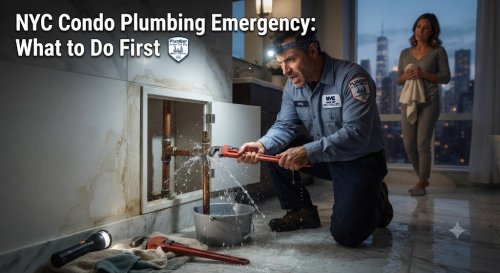
Emergency Plumber in Riverdale, Bronx: What to Do When Disaster Strikes
Plumbing emergencies have a knack for happening at the worst possible times—at 2:00 AM on a freezing January night, during a holiday dinner, or right before you leave for work. When water starts gushing from a split pipe or sewage begins backing up into your basement, every minute counts.
In Riverdale, Bronx, the residential landscape ranges from historic pre-war co-ops along Henry Hudson Parkway to multi-story single-family homes near Wave Hill. These older architectural styles, while beautiful, come with complex, aging plumbing systems. When pressure spikes, pipes freeze, or main sewer lines collapse, standard DIY fixes won't cut it.
This guide breaks down everything you need to know about navigating urgent plumbing failures in Riverdale, from taking safe initial steps to knowing when to call an emergency plumber.
What Is an Emergency Plumber?
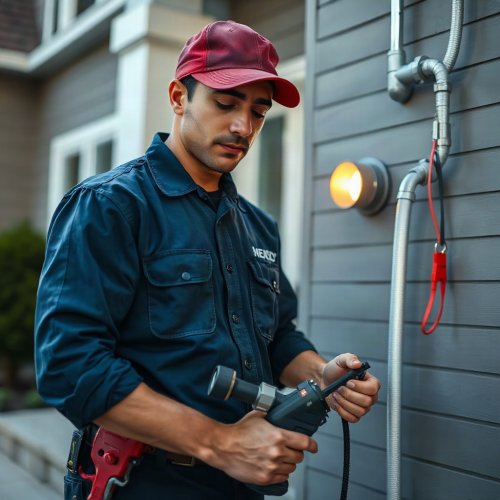
An emergency plumber is a licensed professional who provides immediate, 24/7 intervention for critical plumbing failures that threaten property damage, compromise health and safety, or render a home unlivable.
Unlike standard plumbing calls scheduled days in advance for fixture installs or minor drips, emergency service focuses on rapid response, containment, diagnostic troubleshooting, and swift repairs.
Common Emergency Scenarios in Riverdale
-
Burst and Split Water Lines: Pressurized lines rupture, dumping dozens of gallons of water per minute into living spaces.
-
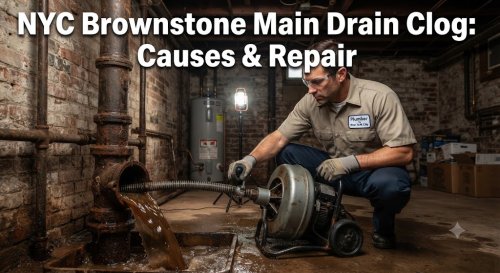
Raw Sewage Backups: Sewer lines clog or collapse, forcing contaminated wastewater up through basement drains, showers, or toilets.
-
Complete Water Supply Loss: Municipal lines freeze or main shutoff valves fail, leaving a residence entirely without running water.
-
Gas Line Leaks: Corroded pipe fittings or faulty appliances leak natural gas, posing an immediate explosion risk.
-
Ruptured Water Heaters: Water heater storage tanks split, threatening to flood mechanical rooms and adjacent floors.
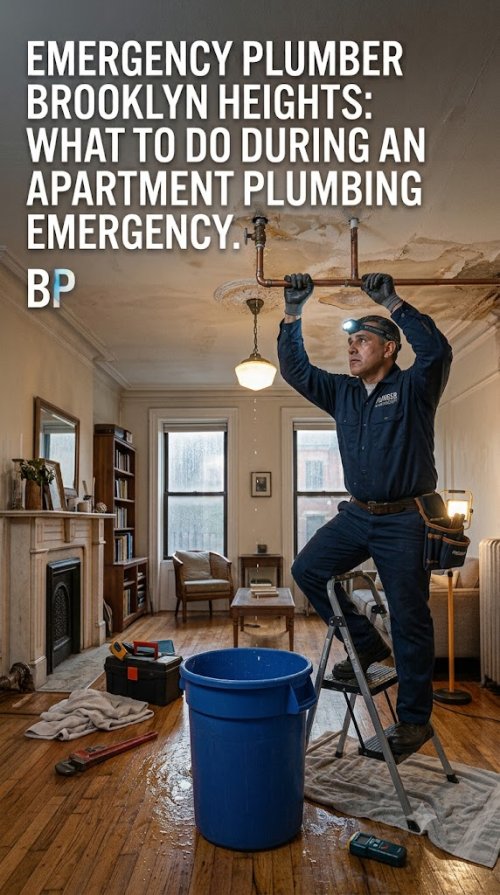
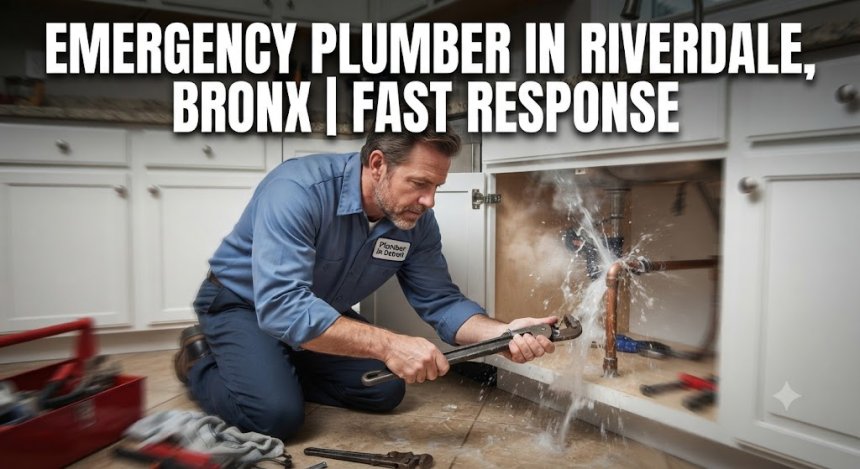
For instance, a homeowner in Spuyten Duyvil might wake up to a sudden loss of pressure followed by water pouring through the living room ceiling. In such situations, an emergency plumbing team is dispatched immediately to locate the main shutoff, isolate the leak, and stop structural damage before executing the repair.
Why Does a Plumbing Emergency Happen in Riverdale, Bronx?
Understanding why these urgent issues occur can help you catch red flags before a full-blown crisis occurs. Riverdale’s geographic position, hilly terrain, and mix of classic and modern construction present specific challenges.
+--------------------------------------------------------------------------------+
|                   COMMON CAUSES OF RIVERDALE PLUMBING CRISES                   |
+------------------------------------+-------------------------------------------+
| Root Cause                         | Practical Impact on Riverdale Plumbing    |
+------------------------------------+-------------------------------------------+
| Sub-Zero Winter Freeze-Thaw        | Uninsulated pipes freeze, expand, and     |
|                                    | rupture inside unheated wall cavities.    |
+------------------------------------+-------------------------------------------+
| Mature Tree Root Intrusion         | Oak and maple roots penetrate clay sewer  |
|                                    | pipes, causing complete line blockages.   |
+------------------------------------+-------------------------------------------+
| Aging Cast Iron & Galvanized Steel | Decades of inner rust create structural   |
|                                    | bottlenecks, leaks, and sudden pipe collapse.|
+------------------------------------+-------------------------------------------+
| High NYC Municipal Water Pressure  | Excessive line pressure strains valves,   |
|                                    | flex lines, and old soldered joints.      |
+------------------------------------+-------------------------------------------+
1. Freezing Winter Temperatures
Bronx winters bring prolonged sub-zero temperatures. Pipes running through unheated crawlspaces, exterior walls, or uninsulated basements are prone to freezing. As water freezes into ice, it expands, placing thousands of pounds of static pressure on the interior pipe wall until the metal or plastic splits open.
2. Mature Tree Root Intrusion
Riverdale is famous for its lush greenery, mature trees, and park-like settings. However, deep tree roots naturally seek out moisture and nutrients leaking from tiny cracks in underground sewer pipes. Over time, roots penetrate clay or cast-iron sewer lines, growing into dense masses that trap solids and cause complete line backups.
3. Aging Infrastructure and Pipe Corrosion
Many homes in Fieldston, Central Riverdale, and South Riverdale were built mid-20th century or earlier. Original galvanized steel or cast-iron drain lines gradually rust from the inside out. This internal corrosion thins pipe walls, restricts flow, and makes pipes vulnerable to sudden bursts or complete collapses.
4. High Municipal Water Pressure
New York City's municipal water grid delivers strong pressure to meet high-rise demand. However, if your home’s pressure-reducing valve (PRV) fails, high pressure (over 80 PSI) surges through your domestic lines, blowing out appliance flex hoses, toilet fill valves, and aged solder joints.
Signs You Should Never Ignore
Plumbing emergencies rarely happen without advance warning. Watching for early indicators can save thousands of dollars in restoration costs:
-
Sudden Pressure Drop: A dramatic drop in water pressure across all household fixtures often signals a major rupture in your main service line.
-
Unexplained Water Stains: Yellowish ring stains on ceilings or expanding damp spots on drywalls mean water is actively leaking behind surfaces.
-
Gurgling Toilets and Drains: If flushing the toilet causes water to bubble up in your shower drain, your main sewer line is severely restricted.
-
Sewer Gas Odors: A persistent rotten-egg or sewage smell indoors indicates a broken vent pipe, dried-out p-trap, or backed-up main line.
-
Unusually High Water Bills: A sharp increase in your monthly NYC water bill without an increase in consumption usually points to a hidden underground leak.
-
Rumbling Noises in Mechanical Rooms: Bangs, pops, or screeching sounds near your water heater or boiler signal pressure spikes or sediment buildup that could trigger a rupture.
Common Plumbing Problems Related to Emergency Calls
Emergency plumbers deal with interrelated system failures that spread quickly if left unaddressed:
-
Slab Leaks: Underground water lines beneath concrete basement floors break, causing water to pool under structural foundations.
-
Burst Appliance Hoses: Rubber washing machine or dishwasher hoses rupture, flooding surrounding living areas within minutes.
-
Sump Pump Failures: Submersible sump pumps fail during heavy rainstorms, allowing storm water to submerge basements and electrical systems.
-
Frozen Vent Stacks: Roof-level vent pipes freeze over during heavy ice storms, trapping sewer gas inside the house and slowing drainage.
Step-by-Step Professional Emergency Repair Process
When you call for emergency assistance, a licensed technician follows a systematic safety and repair protocol:
[1. Emergency Shutoff] ---> [2. Site Assessment] ---> [3. Camera Diagnosis] ---> [4. Clear Estimate]
                                                                                       |
[7. Prevention Plan]   <--- [6. System Testing]  <--- [5. Urgent Repair]     <---------+
-
Emergency Isolation: The plumber immediately locates and turns off the main water shutoff valve or fuel line to contain the immediate threat.
-
Safety Assessment: The technician checks for secondary hazards, such as standing water coming into contact with electrical outlets or gas buildup.
-
Advanced Diagnostics: Using video inspection cameras, acoustic leak detectors, or pressure gauges, the plumber pinpoint the exact source and scope of the failure.
-
Upfront Estimate: You receive a detailed line-item quote explaining the required emergency repairs, replacement parts, and labor costs before work proceeds.
-
Precision Repair Execution: The plumber uses specialized tools to clear blockages, splice broken pipe sections, or replace damaged valves.
-
System Re-Pressurization & Testing: The lines are slowly recharged, purged of trapped air, and pressure-tested to verify there are no secondary leaks.
-
Clean-Up & Prevention Advice: The technician cleans up the work area, disposes of damaged components, and provides practical advice to prevent recurring issues.
Can You Fix It Yourself? (Safe DIY vs. Professional Intervention)
During an active emergency, knowing what you can safely touch—and what you should leave alone—is crucial for your safety.
Safe DIY Steps
-
Close Main Shutoff Valves: Locate your main water valve (typically near the water meter in your basement) and turn the handle clockwise to stop the water supply.
-
Shut Off Appliance Isolation Valves: Turn the individual shutoff valves located behind overflowing toilets or beneath leaking sinks.
-
Turn Off Power to Electric Water Heaters: Switch off the circuit breaker powering your water heater if supply lines are cut, preventing heating elements from burning out dry.
-
Clear Minor Surface Clogs: Use a standard plunger on low-grade toilet or sink clogs.
When DIY Becomes Dangerous
-
Never Open Main Cleanouts Under Full Backup: Opening cleanout caps while your system is holding head-pressure can flood your basement with gallons of raw sewage within seconds.
-
Avoid Chemical Drain Cleaners: Chemical drain openers rarely clear main line roots or thick blockages. Instead, their caustic compounds heat up inside trapped pipes, eating away at old metal lines and risking skin burns during subsequent mechanical repairs.
-
Do Not Touch Gas Piping: Gas lines require licensed mastery to service. Attempting DIY gas repairs creates extreme fire and health risks.
Tools Professionals Use for Emergency Plumbing Repairs
Modern emergency plumbers rely on specialized equipment to solve complex problems quickly:
-
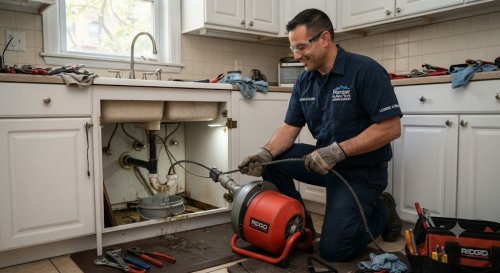
High-Resolution Drain Cameras: Fiber-optic cameras pushed down pipe runs allow plumbers to view real-time video of pipe cracks, offset joints, and root intrusions.
-
Hydro-Jetters: High-pressure water jetting machines blasted at up to 4,000 PSI blast away thick grease buildup, mineral scale, and root mats without tearing up pipes.
-
Sonic & Electro-Acoustic Leak Detectors: Sensitive ground microphones hear the microscopic frequencies of pressurized leaks beneath concrete slabs and behind thick plaster walls.
-
Trenchless Pipe Repair Equipment: Epoxy pipe-lining systems allow technicians to repair collapsed underground sewer lines without digging up lawns or driveways.
-
Pipe Freezing Kits: Cryogenic tools freeze water inside localized pipe sections, allowing plumbers to replace damaged valves without shutting off water to an entire multi-family building.
How Long Does an Emergency Repair Usually Take?
Repair timelines depend on the severity of the failure, system accessibility, and component availability:
-
Simple Valve or Flex Line Replacement (1 to 2 Hours): Replacing torn supply lines, broken shutoff valves, or accessible sink traps.
-
Main Line Clog Removal & Hydro-Jetting (2 to 4 Hours): Clearing stubborn tree root masses or dense main-line blockages with high-pressure equipment.
-
Sectional Pipe Repair / Freeze Damage Splice (3 to 5 Hours): Cutting out ruptured copper or PEX lines inside walls and soldering in fresh sections.
-
Sewer Line Excavation or Trenchless Relining (1 to 2 Days): Complete structural repair or replacement of collapsed underground main sewer lines.
Understanding Emergency Plumbing Costs
Emergency repairs carry different cost structures than standard scheduled maintenance calls. Honest plumbers provide transparent breakdowns so you know exactly what you are paying for.
Factors influencing your overall bill include:
-
After-Hours Service Rates: True 24/7 emergency dispatch requires maintaining active on-call crews overnight, on weekends, and during holidays.
-
Emergency Diagnostic Fees: Covers rapid travel, immediate dispatch, and specialized diagnostic testing.
-
Accessibility Challenges: Working in cramped crawlspaces, tearing through tiled walls, or jackhammering concrete slabs increases labor hours.
-
Materials & Heavy Equipment: High-capacity pumps, trenchless lining rigs, or industrial jetters add equipment usage costs.
-
Permitting Requirements: Severe main-line replacements under NYC streets require municipal utility permits and inspection fees.
Note: Plumbing repair costs vary depending on the severity of the problem, accessibility, materials required, emergency service, property type, and local labor rates.
Hidden Truths Homeowners Should Know
-
Small Leaks Turn Into Huge Expenses Fast: A minor drip left unfixed under a cabinet can rot subflooring, compromise joists, and generate thousands of dollars in structural damage.
-
Cheap Quick-Fixes Often Fail: Wrapping electrical tape or rubber patches around a pressurized line is temporary at best; water pressure will blow through temporary seals.
-
Insurance Companies Deny Claims Driven by Neglect: Most home insurance policies exclude coverage for water damage caused by long-term, unaddressed leaks or neglected maintenance.
-
Tree Roots Will Return Until the Line Is Sealed: Simply augering a small hole through root-choked sewer lines is temporary. Unless the line is relined or replaced, roots grow back thicker within months.
-
Hard NYC Water Minerals Shorten Fixture Life: Dissolved minerals build up inside valves, shortening the lifespan of your faucets, water heaters, and shutoffs.
-
Delaying Repairs Invites Rapid Mold Growth: Toxic black mold can begin spreading on damp drywall and wood framing within 24 to 48 hours of water exposure.
15 Common Mistakes Homeowners Make
-
Ignoring Slow Drains: Treating slow-draining sinks as minor inconveniences until the entire main line backs up.
-
Pouring Grease Down Kitchen Sinks: Liquid cooking fat cools inside cold underground drains, solidifying into rock-hard grease blockages.
-
Flushing "Flushable" Wipes: Wipes do not dissolve like toilet paper. They snag on pipe imperfections, forming massive obstructions.
-
Using Chemical Drain Cleaners Regularly: Chemical cleaners corrode older copper and iron pipes, causing pinhole leaks over time.
-
Not Knowing Where the Main Shutoff Valve Is: Searching for the main water valve during an active burst pipe wastes precious minutes while your home floods.
-
Hiring Unlicensed Handymen for Complex Plumbing: Using uncertified labor risks code violations, poor workmanship, and voided property insurance.
-
Ignoring Water Pressure Gauges: Allowing home water pressure to run above 80 PSI strains your entire plumbing system.
-
Waiting Until Weekend Emergencies to Call: Delaying repairs on minor warning signs on Friday afternoon leads to expensive Sunday emergency calls.
-
Skipping Regular Water Heater Maintenance: Failing to flush sediment out of storage tanks leads to burnt elements and tank failure.
-
Over-Tightening Threaded Pipe Fittings: Cracking plastic or metal fittings by applying excessive force during DIY repairs.
-
Using Incorrect Pipe Materials: Joining dissimilar metals (like copper directly to steel) without dielectric unions causes rapid galvanic corrosion.
-
Leaving Garden Hoses Connected in Winter: Trapped water inside attached hoses freezes back into outdoor spigots, bursting interior wall pipes.
-
Forgetting to Test Sump Pumps Before Storm Season: Discovering your sump pump is seized only after your basement starts flooding during a nor'easter.
-
Over-Relying on Drain Snakes: Using an improper snake size can puncture thin, corroded pipe walls or get stuck inside lines.
-
Failing to Insulate Exposed Pipes: Leaving pipes in unheated basements, garages, or crawlspaces exposed to freezing winter drafts.
Practical Maintenance Tips to Prevent Emergencies
Protect your Riverdale property year-round by following this simple plumbing maintenance routine:
-
Locate & Label Your Main Shutoff: Ensure every family member knows where the primary water shutoff valve is and that it turns smoothly.
-
Disconnect Hose Bibs in Autumn: Remove all garden hoses, drain outdoor spigots, and close interior shutoff valves before the first freeze.
-
Insulate Vulnerable Pipe Runs: Cover pipes running through exterior walls or unheated basements with foam insulation sleeves.
-
Install a Water Leak Detection Alarm: Place battery-operated moisture sensors near water heaters, washing machines, and under kitchen sinks.
-
Run Water in Rarely Used Sinks: Pour water down spare basement or guest bathroom drains once a month to keep P-traps filled, blocking sewer gases.
-
Test Your Sump Pump Twice a Year: Pour a bucket of water into your sump pit to verify the float switch triggers and pumps water out properly.
-
Keep Fats, Oils, and Grease Out of Sinks: Collect cooking fats in cans and discard them in the trash once solidified.
-
Use Strainers in All Drains: Install mesh drain covers in showers and sinks to catch hair and debris before they reach your pipes.
-
Check Washer Hoses Annually: Replace old rubber washing machine hoses with durable braided stainless steel lines every 5 years.
-
Maintain Home Water Pressure at 50–60 PSI: Install a water pressure gauge on any hose bib to ensure pressure is within safe limits.
-
Flush Water Heaters Annually: Drain accumulated sediment from your water heater tank to maintain efficiency and tank integrity.
-
Inspect Toilet Tanks: Replace worn flappers and fill valves every few years to stop silent, costly leaks.
-
Clear Debris from Roof Vents: Ensure leaves and ice do not block roof vent stacks, keeping drainage smooth.
-
Schedule Professional Sewer Inspections: Have a plumber camera-inspect your sewer main every 2 years if you have mature trees nearby.
-
Keep Winter Thermostats at 55°F Minimum: Never shut off your heat completely during winter vacations to protect your pipes from freezing.
When Should You Call an Emergency Plumber Immediately?
Some situations carry immediate risk to life, health, and property. Call an emergency plumber right away if you experience:
-
Active, Uncontrolled Water Pipe Ruptures: Water is actively flowing through walls, ceilings, or floors, and cannot be stopped by local fixture valves.
-
Raw Sewage Backup in Drains: Contaminated wastewater is rising through drains, posing an immediate health hazard.
-
Suspected Natural Gas Leaks: If you smell gas, leave your home immediately, call 911 or your gas utility from outdoors, then contact a licensed gas plumber.
-
Complete Loss of Running Water in Freezing Weather: Signals a frozen main line that could burst if not thawed professionally.
-
Ruptured Water Heater Tanks: Water is pouring out of the bottom of your hot water tank.
Frequently Asked Questions
Why is my water pressure suddenly low across all faucets?
A sudden drop in overall water pressure usually indicates a main service line leak, a failed pressure-reducing valve (PRV), or a municipal water main shutoff in your area.
How much does professional leak detection cost in New York City?
Diagnostic leak detection costs vary based on property size, accessibility, and technology used (e.g., sonic testing vs. camera inspection). A professional evaluation provides an accurate assessment tailored to your situation.
Can a clogged drain actually burst a pipe?
Yes. Severe blockages trap water behind them, creating high static pressure when fixtures upstream are used. In older or corroded pipes, this pressure can split joints or thinned pipe walls.
Is high-pressure hydro jetting safe for older pre-war pipes?
Hydro jetting is safe when conducted by a licensed plumber who camera-inspects the line first. If pipes show structural collapses or severe thin walls, alternative clearing methods are recommended.
How do I know if my underground main sewer line is broken?
Warning signs include recurring sewage backups in low-level drains, soggy patches or foul smells on your lawn, sudden pest infestations, and gurgling noises from your toilets.
How long do standard residential water heaters last?
Traditional tank-style water heaters generally last 8 to 12 years. Tankless water heaters can last 15 to 20 years with consistent annual maintenance.
Why does my bathroom faucet drip constantly?
Constant dripping is usually caused by a worn-out rubber O-ring, corroded valve seat, or depleted ceramic cartridge inside the faucet assembly.
What causes pipes to freeze and burst in Riverdale basements?
Pipes freeze when exposed to sub-zero drafts without insulation. As ice forms inside, trapped water pressure expands between the ice blockage and closed faucets until the pipe wall splits.
Can minor plumbing leaks really increase my NYC water bill significantly?
Absolutly. A pinhole leak or running toilet can waste hundreds of gallons of water daily, adding substantial extra costs to your quarterly utility bill.
When should I replace my plumbing instead of repeatedly repairing it?
If your pipes are over 50 years old, suffer from recurring leaks, show widespread rust, or consist of recalled materials (like polybutylene), a repiping is more cost-effective than continuous emergency calls.
Why Choose Plumber in Newyork City for Riverdale Emergency Repairs?
When a plumbing disaster hits your home or business, you need a responsive, trustworthy partner who understands local infrastructure. Plumber in Newyork City provides fast, reliable emergency plumbing services across Riverdale, Kingsbridge, Spuyten Duyvil, Fieldston, and surrounding Bronx neighborhoods.
-
Licensed Master Plumbers: Our technicians bring decades of real-world expertise to solve the most challenging emergency failures cleanly and safely.
-
24/7 Rapid Emergency Response: We maintain active emergency crews ready to respond quickly to your call, day or night.
-
Transparent Upfront Pricing: We provide detailed estimates before starting work—no hidden surprises or unexpected fees.
-
Modern Diagnostic Equipment: We use top-tier camera inspection tools, hydro-jetters, and leak detection gear to diagnose and repair issues right the first time.
-
Local NYC Expertise: We understand Riverdale’s unique housing stock, local building codes, and municipal plumbing specs inside and out.
If you are facing an urgent plumbing issue, do not wait for water damage to spread. Visit
Relevant Visual Layout
Below is a schematic breakdown of the primary entry points and shutoff valves evaluated during an emergency plumbing call: