Common Causes of Low Water Pressure in Gilbert, Arizona Homes
Discover why your Gilbert home has low water pressure. Learn how to diagnose pressure regulators, mineral buildup, and plumbing issues.

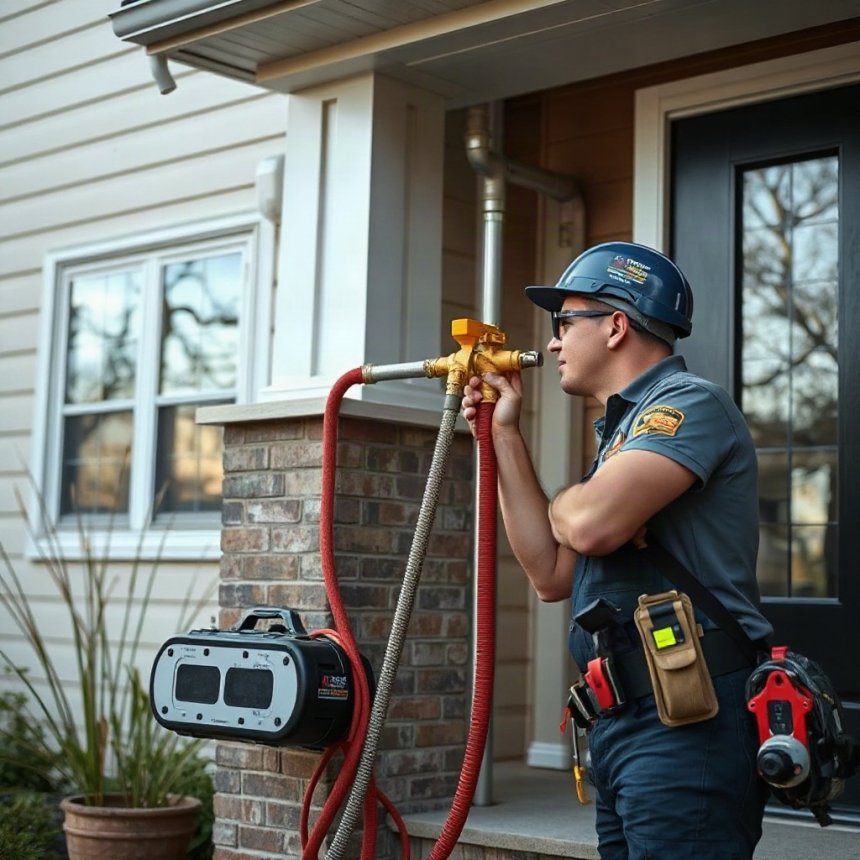
Understanding Low Water Pressure in Your Home
Experiencing a sudden or gradual drop in water pressure can turn simple daily routines like showering or washing dishes into frustrating chores. When water comes out of your faucets in a weak trickle rather than a steady stream, it usually points to a restriction, a failing component, or a supply issue somewhere in your plumbing network.
Low water pressure can affect a single fixture, multiple fixtures in a specific area, or the entire house. Identifying the scope of the problem is the first step toward diagnosing the root cause. If only one bathroom sink has weak flow, the issue is likely localized to that specific fixture. If every shower, faucet, and hose bib in the house shows the same weakness, the problem involves your home's main water supply line or pressure regulation system.
Evaluating the Scope: Single Fixture vs. Whole House
Before investigating complex plumbing components, determine whether the low pressure is isolated or systemic:
- Single Fixture Issues: Turn on nearby faucets to see if they suffer from the same restriction. If only one faucet is affected, the problem is usually confined to the aerator screen, supply line shut-off valve, or cartridge of that specific fixture.
- Whole-House Issues: If every tap in the house has low pressure, check your main water shut-off valve to ensure it is fully open. If the main valve is completely open and the whole house remains affected, the issue typically stems from the municipal supply, a failing pressure reducing valve, or a hidden blockage or leak.
Common Causes of Systemic Low Water Pressure
When an entire home experiences reduced water flow, several common mechanical and environmental factors are usually responsible:
Failing Pressure Reducing Valve (PRV)
Most homes are equipped with a pressure reducing valve, typically located where the main water line enters the structure. This device regulates municipal water pressure down to a safe level for household pipes, usually between 50 and 70 pounds per square inch (psi). Over time, the internal springs and rubber diaphragms inside a PRV wear out or become stuck. When a PRV fails, it often restricts water flow completely, causing a dramatic drop in household water pressure. A failing PRV can sometimes be temporarily identified by vibrating pipes or fluctuating pressure readings.
Mineral Buildup and Hard Water Restrictions
Gilbert and the surrounding East Valley region receive water from surface sources and deep groundwater aquifers that carry high levels of dissolved minerals, primarily calcium and magnesium. Over years of use, these minerals precipitate out of the water and accumulate inside pipes, valves, and fixtures. While smooth copper or PEX piping resists accumulation better than older galvanized steel, mineral scale can drastically narrow the interior diameter of older supply pipes, choking off volume and pressure.
Partially Closed Main Shut-Off Valves
Main water shut-off valves—whether a gate valve or a ball valve—can sometimes slip out of the fully open position due to vibration, accidental bumps, or wear. A gate valve with a worn stem mechanism may feel open on the exterior handle while the internal gate remains partially lowered, obstructing the pathway of incoming water.
Localized Restrictions and Fixture-Level Causes
If your pressure drop is limited to specific areas or fixtures, the culprits are usually much easier to address:
- Clogged Aerators: Faucet aerators mix air into the water stream while filtering out debris. Over time, mineral flakes and sediment travel through the pipes and lodge against the fine mesh screen of the aerator, strangling water flow. Unscrewing the tip of the faucet and inspecting the screen is a quick way to check for this issue.
- Faulty Showerheads: Similar to aerators, showerheads contain internal flow restrictors and tiny spray holes that easily trap mineral deposits, reducing spray force over time.
- Under-Sink Supply Valves: Angle stop valves located beneath sinks can become partially blocked with debris or scale, especially if they have remained untouched for many years.
Safe Homeowner Checks and Maintenance Steps
Property owners can safely perform several initial diagnostic checks before seeking professional assistance:
- Check Neighboring Properties: Ask immediate neighbors if they are also experiencing low pressure. If the municipal utility is performing maintenance or experiencing a main break in your neighborhood, the supply drop is temporary and originates outside your property boundary.
- Inspect Faucet Aerators: Unscrew the aerator from an affected faucet, rinse away any trapped grit or mineral scale, and test the water flow without the screen attached.
- Verify Main Valve Position: Locate your main water shut-off valve near the water meter or where the main line enters the garage or exterior wall, and ensure the valve handle is turned completely parallel to the pipe for a ball valve.
Safety Note: Never attempt to adjust or disassemble high-pressure main supply components, meters, or utility-owned equipment yourself. If you suspect a municipal supply failure or a damaged main line before the meter, contact your local utility provider.
Frequently Asked Questions
How can I test my home's exact water pressure?
You can measure your home's water pressure using a simple screw-on water pressure gauge available at most hardware stores. Attach the gauge to any outdoor hose bib or a washing machine supply connection, turn the faucet fully on, and read the dial. Normal residential pressures typically range between 50 and 70 psi.
Can a water heater cause low water pressure only on the hot side?
Yes. If your cold water pressure is normal but your hot water trickles, the issue is isolated to the water heater system. This is frequently caused by a failing or clogged cold water inlet dip tube, a partially closed cold water supply valve feeding the tank, or severe sediment accumulation at the bottom of the water heater restricting the hot outlet pipe.
Why does my water pressure drop when I run multiple fixtures at once?
A noticeable pressure drop when running the washing machine, shower, and irrigation system simultaneously usually indicates that your supply piping is operating at maximum capacity. This can be caused by undersized supply piping, a restricted main water line, or a pressure reducing valve that is failing to maintain volume under load.
Are older galvanized steel pipes prone to low water pressure?
Yes. Homes built with galvanized steel supply pipes commonly experience severe internal corrosion and mineral tuberculation over decades. As rust and mineral deposits build up inside the pipe walls, the interior channel narrows significantly, permanently restricting both water pressure and volume until the piping is replaced with modern copper or PEX lines.