Common Causes of Low Water Pressure in Gilbert Homes
Discover why your Gilbert home has low water pressure. Learn how to troubleshoot localized fixtures, pressure regulators, and municipal supply issues.

Understanding Low Water Pressure in Your Home
Experiencing a sudden or gradual drop in water pressure can turn simple daily tasks like showering or washing dishes frustrating. When water trickles out of your faucets instead of flowing steadily, the issue usually stems from a specific restriction or mechanical failure somewhere between the municipal water main and your household fixtures. Diagnosing the problem accurately requires determining whether the low pressure affects a single fixture or every tap in the house.
Single-Fixture vs. Whole-House Pressure Drops
The first and most important diagnostic step is isolating the symptom. Turn on multiple faucets and showers around your home to check the scope of the problem.
- Single Fixture: If only one bathroom sink or kitchen faucet has low pressure while the rest of the house functions normally, the issue is localized to that specific fixture. This points toward a clogged aerator, a partially closed supply valve under the sink, or a localized blockage within the faucet cartridge.
- Whole House: If every tap, shower, and hose bib exhibits weak flow, the restriction is occurring at a main entry point. This generally involves the main water shutoff valve, the pressure reducing valve (PRV), a main line leak, or a temporary reduction in municipal supply pressure.
Frequent Causes of Whole-House Low Pressure
When the entire property suffers from poor water flow, several common culprits are typically to blame:
1. The Pressure Reducing Valve (PRV) Failure
Most Gilbert homes rely on a Pressure Reducing Valve to lower the high pressure coming from the municipal water main down to a safe indoor level, typically between 50 and 70 psi (pounds per square inch). Over time, the internal springs and rubber diaphragms inside the PRV wear out, seize, or become clogged with mineral scale. When a PRV fails, it often defaults to a closed or restricted position, choking off water flow to the entire house. If your pressure dropped everywhere simultaneously, testing or inspecting the PRV is a primary diagnostic step.
2. Partially Closed Shutoff Valves
Properties feature multiple main shutoff valves, including the municipal meter box valve at the property line and the main house shutoff valve where the water line enters the structure (often located near an exterior wall or inside a garage or utility closet). If one of these valves is accidentally bumped or only partially opened after plumbing work or utility maintenance, it will severely restrict water volume.
3. Mineral Buildup in Piping
Gilbert groundwater contains high concentrations of dissolved minerals like calcium and magnesium. Over decades, these minerals precipitate inside galvanized steel or older copper pipes, gradually narrowing the interior diameter of the pipe. This constriction limits water volume and pressure, particularly when multiple fixtures are used at once. Modern PEX and newer copper piping resist this scaling much better, but older homes in the area can experience significant internal buildup.
Troubleshooting and Safe Homeowner Checks
Homeowners can safely perform several initial checks before calling a professional plumber:
- Check the Main Valves: Verify that the main water shutoff valve and the valve near your water meter are fully open. Turn them counterclockwise until they stop, but avoid forcing them if they feel stuck.
- Inspect Aerators and Showerheads: Unscrew the aerator tip from a low-pressure faucet. Mineral flakes and debris often trap themselves in the fine mesh screen. Soak the screen in a vinegar solution to dissolve scale, rinse it thoroughly, and reattach it.
- Consult Neighbors: Ask immediate neighbors if they are also experiencing weak water flow. If the municipal utility is performing maintenance on water mains in your area or adjusting pump stations, the drop in pressure is external and temporary.
Professional Diagnosis and Pressure Testing
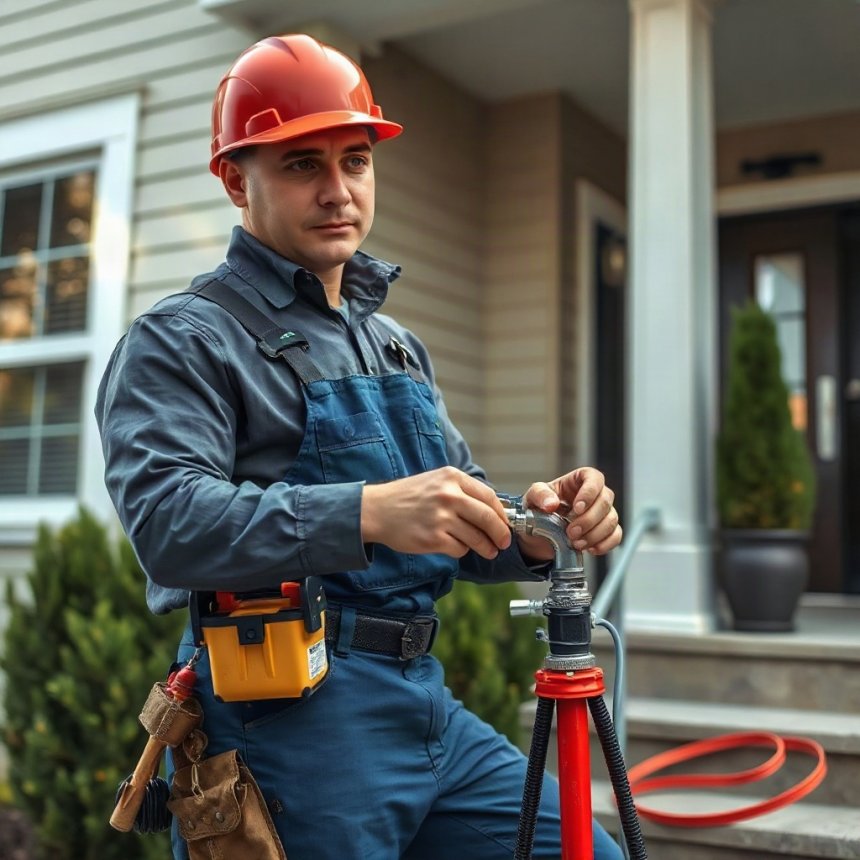
If simple checks do not reveal the source of the problem, a professional plumber will attach a calibrated pressure gauge to an outdoor hose bib or laundry sink connection. Measuring the static and dynamic pressure helps confirm whether the issue originates from the utility supply, a failing PRV, or internal pipe restrictions. If a PRV is found to be defective, replacement is usually necessary, as internal components cannot typically be rebuilt once fatigued.
Frequently Asked Questions
How do I know if my Pressure Reducing Valve is broken?
A failing PRV often causes fluctuating water pressure—such as very high pressure at night when demand is low, followed by a sudden drop to a trickle when multiple fixtures are used. A pressure gauge test attached to a hose bib will confirm whether the regulator is failing to control the output.
Can a water heater cause low pressure throughout the house?
A water heater issue typically affects only the hot water side. If your cold water pressure is strong but hot water pressure is weak, the problem is likely a clogged inlet filter on a tankless water heater, a partially closed cold water supply valve to the tank, or heavy sediment accumulation inside a traditional tank restricting the outlet.
Is low water pressure an emergency?
Low pressure by itself is rarely an immediate emergency unless it is accompanied by a sudden, total loss of water, which could indicate a ruptured main supply line. However, a failing PRV or hidden supply leak should be addressed promptly to prevent equipment strain and property damage.
What is normal water pressure for a residential home?
Most plumbing fixtures and appliances are designed to operate efficiently at water pressures between 50 and 70 psi. Pressures consistently exceeding 80 psi can damage appliance hoses, water heater tanks, and fixture cartridges over time, which is why PRVs are essential.