Common Causes of Water Heater Pilot Light Going Out & How to Diagnose
Learn why your gas water heater pilot light keeps going out, how to diagnose the issue safely, and when to call a professional for repairs.

Understanding a Pilot Light That Keeps Going Out
When a gas water heater pilot light repeatedly goes out, it leaves a household without hot water and points to an underlying mechanical or environmental issue within the appliance. A pilot light is a small, continuously burning flame designed to heat the thermocouple and keep the main gas valve open. When that flame extinguishes, safety mechanisms shut off the gas supply to prevent unburned gas from entering the home.
Homeowners often notice this issue when the water turns cold unexpectedly. While relighting the pilot light can restore hot water temporarily, a repeating failure indicates that a component is failing, airflow is compromised, or external forces are interfering with the burner assembly.
Primary Causes of Pilot Light Failure
Several distinct mechanical and environmental factors can cause a water heater pilot light to extinguish. Distinguishing between these possibilities requires observing how the pilot behaves when you attempt to light it.
1. A Failing Thermocouple
The thermocouple is a safety device positioned directly in the path of the pilot flame. It generates a tiny electrical current when heated, which signals the gas control valve to stay open. Over time, thermocouples become coated in soot, corrode, or suffer internal electrical failure. If the thermocouple fails to generate enough voltage, the control valve shuts off the gas, extinguishing the flame even if the pilot light itself was lit successfully.
2. A Faulty Gas Control Valve
The gas control valve regulates the flow of gas to both the pilot assembly and the main burner. If the internal electromagnet or internal thermostat within the valve fails, it will not hold the gas line open, regardless of whether the thermocouple is functioning properly. This issue typically requires replacing the entire control valve assembly.
3. Drafts and Venting Issues
Gas water heaters require a stable environment to keep the pilot flame burning. Strong drafts from nearby doors, windows, or HVAC supply vents can blow the flame out. Additionally, problems with the draft hood or flue pipe can cause exhaust gases to spill backward into the utility closet or garage, starving the burner of fresh oxygen and extinguishing the flame.
4. Dirty Pilot Tubing or Spider Webs
The pilot assembly features a very small orifice that delivers gas to the flame. Dust, debris, or localized corrosion can partially clog this opening, leading to a weak, sputtering flame that fails to heat the thermocouple adequately. In regions with warm climates and garages, insects such as spiders are frequently drawn to the smell of gas, building nests inside the burner tube or pilot orifice.
Safe Troubleshooting and Homeowner Checks
Before attempting any troubleshooting, always verify that you smell gas. If you notice a strong, sulfur-like gas odor that persists, leave the area immediately and contact your utility provider or emergency services. Never attempt to light a pilot if you smell gas.
For minor pilot outages where no gas odor is present, you can perform a few basic observations:
- Check the flame color: A healthy pilot flame should burn steady and blue. If the flame is yellow, orange, or fluttering wildly, it indicates combustion issues, dirt, or drafts.
- Inspect for debris: Look inside the burner access panel with a flashlight for dust buildup or insect webs.
- Review the manufacturer relighting instructions: Most modern water heaters feature a specific sequence on the label for resetting the gas control valve and igniting the pilot via a piezo igniter button.
If the pilot lights and stays lit after you release the control knob, but goes out again hours later, the thermocouple is the most likely culprit. If the pilot refuses to stay lit at all while holding down the reset button, the thermocouple is either not being heated properly or has lost its electrical continuity.
Professional Repair Considerations
When a water heater requires more than a simple cleaning or a new thermocouple, professional intervention is necessary. Replacing a gas control valve involves disconnecting the gas supply lines and managing gas fittings, which requires specialized tools, pipe sealant knowledge, and leak-testing procedures.
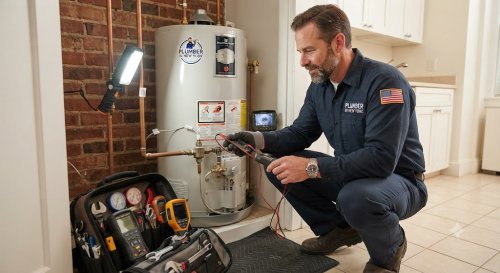
When evaluating a malfunctioning water heater, a qualified plumber will test the millivolt output of the thermocouple, check the gas supply pressure, and inspect the venting system for proper clearance and draft performance. In some cases, if an appliance is past its expected lifespan of 8 to 12 years and experiences repeated control valve or burner failures, replacement may be more cost-effective than continuous component repairs.
Frequently Asked Questions
Why does my pilot light go out only when the main burner kicks on?
If the pilot extinguishes specifically when the main burner ignites, it is often caused by a minor draft inside the combustion chamber, a blocked flue pipe causing backdrafting, or a failing thermocouple that loses its marginal electrical signal under the pressure of the main burner's airflow.
Can I clean a dirty thermocouple myself?
Yes, light soot or oxidation on a thermocouple can sometimes be cleaned carefully with fine-grain emery cloth or fine sandpaper. However, because thermocouples are inexpensive and wear out over time, replacement is usually more reliable than cleaning.
How long should I hold the pilot button down when lighting the heater?
Most manufacturer instructions require holding the pilot or reset button down for 30 to 60 seconds after the flame appears. This gives the thermocouple enough time to heat up and generate sufficient electrical current to keep the safety valve open.
Is it safe to keep relighting my water heater if it keeps going out?
Relighting it once or twice is generally fine if you follow proper safety protocols. However, repeatedly relighting a pilot that continuously fails is unsafe because unburned gas can accumulate in the combustion chamber, leading to a minor roll-out or ignition pop when it finally catches.
Does hard water affect the pilot light or burner assembly?
Hard water primarily affects the interior of the tank by causing mineral scale buildup on the bottom surface. While scale doesn't directly extinguish the pilot light, heavy sediment can cause overheating of the tank bottom, leading to thermal stress and premature failure of the burner components.