Expert Drain Cleaning Service in Mott Haven, Bronx: Fast, Reliable Solutions for Clogged Pipes
Every homeowner or business owner in Mott Haven, Bronx understands the frustration of dealing with a slow drain or a complete plumbing blockage. Whether you are managing a historic property near the Bruckner Expressway or running a modern business along Third Avenue, a stubborn clog can instantly disrupt your daily routine or halt operations. Drainage issues in our rapidly evolving neighborhood frequently stem from a combination of aging municipal infrastructure, older building pipes, and common daily misuse.
Immediate attention is vital because what starts as a minor inconvenience—a shower that drains slowly or a gurgling kitchen sink—can quickly escalate into a catastrophic sewer backup, causing unsanitary conditions and significant water damage to your property. Property owners search for professional "drain cleaning near me" because they need experienced, trustworthy experts who can diagnose the root cause of the blockage and provide long-lasting solutions. This comprehensive guide, written by seasoned Bronx plumbing professionals, aims to educate you on everything you need to know about maintaining healthy drains and when it is time to call in the specialists.
What Is {Topic}?
Professional drain cleaning service is far more effective than using store-bought chemical liquids or a simple hand-held plunger. It is a comprehensive plumbing solution designed to completely clear obstructions, remove accumulated buildup, and restore full flow capacity to your property's entire drainage system.
-
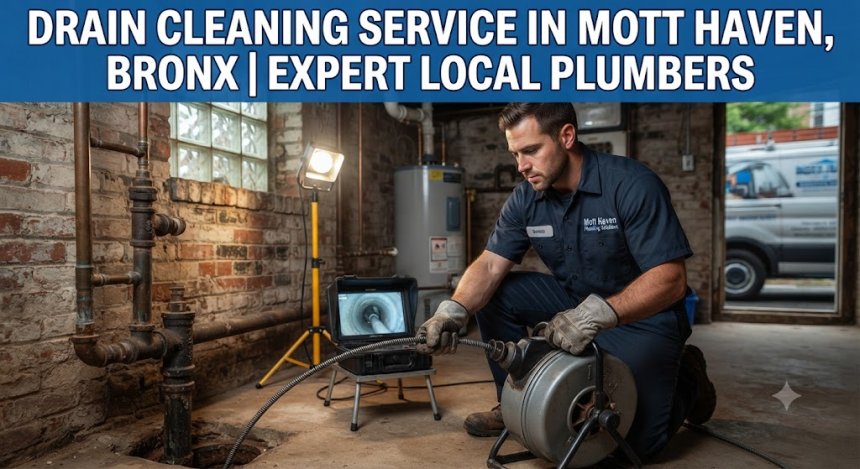
Definition: It involves using specialized, heavy-duty equipment—such as motorized drain snakes, augers, or high-pressure water jetting—to physically break apart clogs, cut through invasive tree roots, and scour the interior walls of your pipes.
-
Common Situations: You know you need this service when water pools in your shower, your toilet overflows unexpectedly, or foul odors emanate from multiple drains simultaneously.
-
Symptoms: Warning signs include slow drainage, gurgling sounds from pipes, water backing up in a sink when you run the dishwasher, or basement floor drains overflowing during heavy rain.
-
Examples: A plumber might use an auger to retrieve a child's toy flushed down a toilet in an apartment on St. Ann's Avenue, or deploy hydro jetting to clear decades of grease buildup from a restaurant's main drain line in the South Bronx.
Why Does This Plumbing Problem Happen?
Drain and sewer blockages develop over time due to a combination of daily habits, structural issues, and environmental factors common in Mott Haven properties.
-
Grease and Fat Accumulation: Pouring cooking oils, fats, and bacon grease down kitchen sinks is the leading cause of indoor clogs. As the grease cools inside the pipes, it solidifies, trapping food particles and creating dense blockages.
-
Foreign Objects and Flushing Wipes: Despite packaging claims, "flushable" wipes do not break down and are the primary cause of main sewer line backups in New York City. Cotton balls, dental floss, feminine products, and excessive toilet paper also wreak havoc.
-
Hair Buildup: In bathroom sinks, showers, and bathtubs, hair combines with soap scum and shampoo residue to form tough, slimy clogs that restrict water flow significantly.
-
Tree Roots: Older homes in Mott Haven often have clay or cast-iron sewer lines that develop tiny cracks or loose joints over time. Tree roots in surrounding areas are naturally attracted to the moisture vapor escaping these pipes, growing into the line and causing severe blockages and structural collapse.
-
Pipe Corrosion and Scale: Older galvanized steel and cast-iron pipes rust and corrode internally. This creates a rough surface where debris catches and builds up, gradually narrowing the pipe's diameter until water can no longer pass through.
-
Improper Installation (Belly in the Line): Sometimes, a section of underground pipe may settle incorrectly, creating a low spot or "belly" where water and solids collect, leading to persistent clogs.
Signs You Should Never Ignore
Catching drainage issues early can save you from expensive emergency repairs, property damage, and health hazards associated with sewage backups.
-
Water Stains and Damp Walls: Water stains on basement ceilings or dampness around foundation walls can indicate a leaking, cracked, or overflowing sewer line outside your property.
-
Slow Drains: While annoying, a slow drain is the first sign of partial obstruction. Do not wait until it becomes a total blockage.
-
Low Water Pressure: While usually a supply issue, sudden drops in pressure across multiple fixtures can sometimes be related to significant venting or drainage problems within the main line.
-
High Water Bills: Unexplained spikes in your municipal water usage often point to a silent, continuous leak somewhere in your system, which could be exacerbated by drainage pressure.
-
Damp Walls, Mold Growth, and Strange Odors: Musty smells, visible mold, or damp drywall near bathrooms and kitchens often signal hidden leaks from pressurized supply lines or compromised drain connections within the walls or flooring.
-
Strange Noises: Banging pipes (water hammer) or gurgling toilets indicate trapped air caused by venting issues or significant blockages downstream in the drainage system.
-
Bad Smells: Persistent sewer gas odors inside your home or business are a major health concern and indicate a dry P-trap, a venting failure, or a crack in the main sewer line.
-
Standing Water: Any unexplained puddle of water, especially near floor drains, cleanout ports, or in the yard, requires immediate investigation by a professional.
-
Discolored Water: Rusty or brownish water from your taps typically indicates corrosion inside your galvanized or cast-iron pipes or sediment buildup in your water heater, which may require pipe replacement rather than simple cleaning.
Common Plumbing Problems Related to This Issue
A neglected drain clog often creates pressure and backup that stresses the entire plumbing system, leading to related failures.
-
Pipe Leaks: The extreme pressure built up behind a severe blockage can force open pipe joints, create pinhole leaks in aging pipes, or cause complete pipe bursts.
-
Drain Clogs: A single fixture clog compounds rapidly if located in a main branch line, causing wastewater to affect multiple drains in your home.
-
Sewer Backups: A blockage in the main sewer line forces raw sewage backward through the lowest drains in your building—usually basement floor drains or ground-floor toilets—creating a major sanitation emergency.
-
Water Heater Failures: While not directly related, backed-up drains can sometimes flood utility areas, damaging gas controls or electrical components on your water heater.
-
Burst Pipes: Blocked lines are highly susceptible to freezing during severe Bronx winters because slow-moving or standing water has less thermal energy.
-
Fixture Damage: Overflowing sinks, tubs, and toilets ruin vanities, subflooring, drywall, and carpeting, leading to costly restoration work.
Step-by-Step Professional Repair Process
When you hire a licensed plumbing company in Mott Haven for drain cleaning, they follow a methodical approach to ensure the clog is fully removed without damaging your pipes.
Step 1: Inspection
The plumber first assesses the situation, locating the primary backup point and asking about recent plumbing history to understand the potential cause.
Step 2: Diagnosis
The crucial next step involves using specialized waterproof drain cameras to visually inspect the interior of the pipe. This camera feeds a live video feed to a monitor, allowing the technician to pinpoint the exact location, nature, and depth of the blockage (e.g., roots, grease, broken pipe).
Step 3: Estimate
Based on the camera inspection findings, the professional provides a clear, upfront, written estimate detailing the recommended cleaning method, equipment required, and total cost before any work begins.
Step 4: Repair (Cleaning)
The plumber executes the cleaning using the best tool for the job:
-
Motorized Drain Snake/Auger: A flexible steel cable with a cutting head rotates to drill through tough clogs and tree roots.
-
Hydro Jetting: For severe grease buildup or heavy scale, a high-pressure water hose with a specialized nozzle scours the entire interior pipe wall clean, flushing debris out to the municipal sewer.
Step 5: Testing
After cleaning, the drain is thoroughly flushed with water, and the camera is often used again to verify that the pipe is completely clear and flowing freely.
Step 6: Cleanup
The technician sanitizes the work area, removes all equipment and debris, and ensures your property is left clean and orderly.
Step 7: Maintenance Advice
The plumber provides practical guidance on preventing future clogs, such as scheduling routine cleanings, installing better strainers, and being mindful of what goes down the drain.
Can You Fix It Yourself?
While minor maintenance is suitable for DIY, main line blockages and persistent clogs require professional equipment and expertise.
-
Safe DIY Solutions: Homeowners can safely clear simple hair clogs from bathroom sink or shower stoppers using pliers or a small plastic zip-it tool. Using a plunger on a single toilet or sink clog is also appropriate.
-
Temporary Fixes: A plunger can sometimes temporarily dislodge a minor blockage.
-
When DIY Becomes Dangerous: Chemical drain cleaners should never be used. They contain harsh acids that are ineffective against serious clogs (like roots or heavy grease), create toxic fumes, and severely corrode older pipes, leading to dangerous leaks inside your walls. Attempting to use rental power augers without training can result in personal injury or snapped cables that further damage or block your pipes.
-
When Professional Plumbing is Necessary: You must call a licensed plumber for any main line backup, recurring clogs across multiple fixtures, or suspected tree root intrusion. These situations require professional camera diagnostics, hydro jetting, or commercial-grade rooter machines.
Tools Professionals Use
Plumbers rely on advanced diagnostic and cleaning technology to solve drainage problems efficiently and permanently.
-
Drain Cameras: High-resolution waterproof cameras mounted on flexible cables that travel inside pipes, allowing technicians to see problems in real-time on a monitor.
-
Leak Detection Equipment: While primarily for supply lines, advanced acoustic listening devices and infrared cameras can sometimes help locate hidden moisture associated with severe drainage leaks behind walls or under slabs.
-
Hydro Jetting: Powerful commercial-grade machines that pump water at pressures up to 4,000 PSI through specialized nozzles to scour grease, scale, and roots completely from pipe walls.
-
Pipe Locators: Radio transmitters used in conjunction with drain cameras to pinpoint the exact location and depth of buried pipes or blockages, ensuring precise excavation if repair is needed.
-
Pressure Testing: While more common for supply lines, plumbers may occasionally use pressure testing on isolated drainage sections to verify integrity after major repairs.
-
Pipe Inspection Cameras: (See Drain Cameras)
-
Trenchless Equipment: For repairing damaged sewer lines identified during cleaning, professionals often use minimally invasive trenchless technologies like pipe bursting or CIPP (Cured-in-Place-Pipe) lining, which avoids digging up your yard or street.
How Long Does the Repair Usually Take?
The duration of a drain cleaning service depends heavily on the severity of the blockage and its accessibility.
-
Simple Repairs: Clearing a single sink or toilet clog typically takes 1 to 2 hours once the plumber arrives.
-
Moderate Repairs: Addressing multiple slow drains or a main line clog with a standard power auger often takes 2 to 4 hours.
-
Major Repairs: Severe root intrusion requiring multiple hydro-jetting passes or extensive camera work can take half a day or more.
-
Emergency Repairs: Licensed plumbers prioritize emergency calls and aim to dispatch a technician to your Mott Haven property within a few hours to mitigate damage and begin restoration of service.
Cost Factors
Professional drain cleaning pricing varies based on several key factors.
-
Diagnostic Fees: The initial cost for the plumber to come to your property, assess the situation, and often perform a camera inspection to identify the exact cause.
-
Severity of Clogs: The type and density of the blockage significantly impact the time and equipment required (e.g., soft blockage vs. solid concrete or heavy root intrusion).
-
Parts and Materials: If the drain camera reveals a collapsed or severely damaged pipe that cannot be cleaned, the cost will shift to repair or replacement, requiring new piping, fittings, or trenchless materials.
-
Labor Rates: The cost of the plumber's time and expertise, which can vary by the complexity of the job and time of day (standard vs. emergency rates).
-
Emergency Service Charges: Higher rates apply for after-hours, weekend, or holiday service calls.
-
Equipment Needed: Specialized tools like hydro-jetters, drain cameras, or commercial-grade power augers incur higher service fees than basic snaking.
-
Permit Costs: For major sewer line replacements or repairs discovered during cleaning, permits and subsequent inspections by the NYC Department of Buildings are required and add to the total cost.
-
Replacement vs. Repair: Sometimes, the cost of repeatedly cleaning an old, failing, or root-infested pipe exceeds the price of replacement with new PVC or lined piping, which is more cost-effective long-term.
-
Accessibility of Pipes: A clog in an easily accessible basement cleanout is faster and cheaper to clear than one requiring the plumber to remove drywall, crawl under a foundation, or access a roof vent.
Plumbing repair costs vary depending on the severity of the problem, accessibility, materials required, emergency service, property type, and local labor rates.
Hidden Truths Homeowners Should Know
Owning property in an older neighborhood like Mott Haven involves certain plumbing realities that every owner must face.
-
Small Clogs Become Expensive Repairs: Ignoring a minor slow drain allows buildup to harden into a solid blockage, eventually leading to cracked pipes and major water damage.
-
Cheap Temporary Fixes Often Fail: Using duct tape, epoxy patches, or substandard parts on plumbing emergencies is a waste of time and money that often worsens the problem.
-
Insurance May Not Cover Neglected Plumbing: Homeowner insurance typically excludes coverage for damage resulting from long-term wear and tear, deferred maintenance, or gradual pipe deterioration.
-
Tree Roots Can Repeatedly Damage Sewer Lines: Once tree roots infiltrate a sewer line, they will keep growing back until the pipe is either structurally replaced or permanently lined.
-
Hard Water Shortens Fixture Lifespan: Mineral scale buildup from NYC water ruins not just pipes but also water heaters, dishwashers, and washing machines over time.
-
DIY Mistakes Increase Repair Costs: An improper DIY repair often compounds the issue, making the professional repair more complex and expensive than it would have been initially.
-
Delaying Repairs Causes Structural Damage: Persistent leaks lead to wood rot, drywall damage, and mold growth within your home or business.
-
Hidden Leaks Increase Utility Bills: Undetected leaks waste thousands of gallons of water, silently adding significant costs to your utility bills.
-
Mold Develops Quickly: It only takes 24-48 hours for mold to start growing in areas dampened by a leaking pipe or backed-up drain.
-
Annual Maintenance Saves Money: Investing in an annual plumbing inspection and drain tune-up can prevent costly emergency repairs down the road.
-
Licensed Expertise Matters: Do not put your property at risk by hiring unlicensed handymen. A licensed plumber ensures the work is safe, up to code, and warrantied.
15 Common Mistakes Homeowners Make
-
Ignoring Leaks: Thinking a small drip is "no big deal" until it creates significant water damage.
-
Using Chemical Drain Cleaners: Pouring corrosive acids down your drains, which can damage your old Mott Haven pipes and pose a health risk to plumbers.
-
Flushing Wipes: Believing marketing claims that "flushable" wipes are actually safe for your plumbing and municipal sewer systems. They are not.
-
Pouring Grease into Drains: Allowing fats, oils, and grease to go down the sink, where they solidify and create massive, stubborn clogs.
-
Ignoring Water Pressure Problems: Failing to investigate sudden changes in water pressure, which can stress your entire system.
-
Hiring Unlicensed Plumbers: Cutting costs by hiring an unqualified person, which can lead to substandard work, code violations, and voided insurance claims.
-
Skipping Maintenance: Not scheduling routine inspections of critical plumbing components like water heaters, sump pumps, and main sewer lines.
-
Waiting Until Emergencies: Delaying necessary repairs until they become full-blown, expensive emergencies.
-
Using Wrong Pipe Materials: Trying to mix different types of piping (e.g., galvanized steel and copper) without the correct dielectric fittings, which accelerates corrosion.
-
Over-Tightening Fittings: Applying too much torque to pipe connections, which can crack fittings and cause leaks.
-
Ignoring Slow Drains: Tolerating a slow-draining sink or shower until it forms a complete blockage.
-
Failing to Locate Main Shutoff: Not knowing where the main water shutoff valve is located in your home or business in case of an emergency.
-
Neglecting Outdoor Faucets: Failing to disconnect hoses and protect outdoor spigots from freezing temperatures in winter.
-
Overloading Garbage Disposals: Pushing too much food waste or fibrous items into the disposal.
-
Using Household Cleaners on Fixtures: Using harsh abrasives or acidic cleaners that can damage the finish on your faucets and fixtures.
Maintenance Tips
Keep your property's drainage system healthy and avoid costly blockages with these simple, proactive steps.
-
Watch What You Flush: Only flush human waste and toilet paper. Absolutely no wipes (even "flushable"), feminine products, cotton balls, or dental floss.
-
Never Pour Grease Down Sinks: Collect cooking oil, fat, and grease in a container and dispose of it in the trash. Wipe greasy pans with a paper towel before washing.
-
Use Drain Strainers: Install mesh strainers in all sinks, showers, and tubs to catch hair, food particles, and soap scum before they enter the pipes.
-
Run Hot Water Weekly: Once a week, pour a kettle of boiling hot water down your kitchen drain to help dissolve residual grease.
-
Schedule Annual Professional Cleaning: Consider proactive hydro jetting or rodding every 1–2 years, especially for older properties or those with a history of root