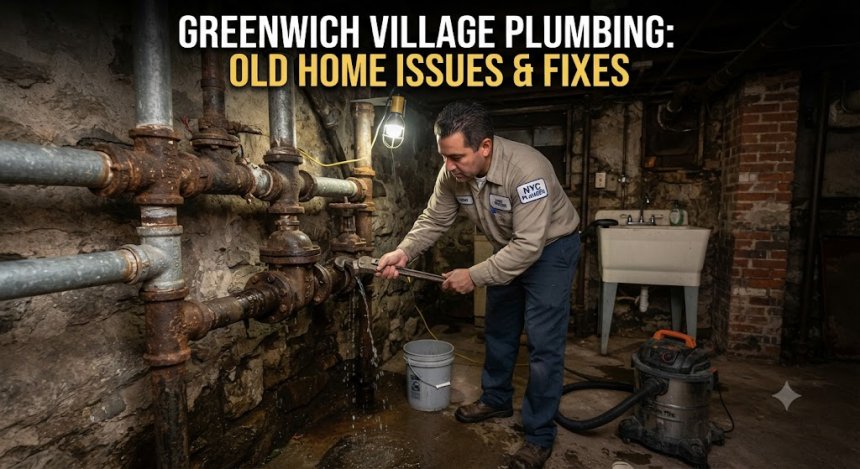
Greenwich Village Plumbing: Old Home Issues & Fixes
Discover common plumbing problems in Greenwich Village historic homes, from aging pipes to leaks, DIY limits, and when to call a plumber.
Plumber in Greenwich Village: Common Plumbing Problems in Older Homes
Owning or renting historic property in lower Manhattan comes with incredible architectural charm, but it also presents unique infrastructural challenges. Property owners searching for a reliable Plumber in Greenwich Village frequently encounter complex issues tied to vintage building systems. From twisting cobblestone streets to landmarked 19th-century brownstones and pre-war co-ops, these historic buildings rely on aging infrastructure that can surprise residents with sudden leaks, slow drains, and unexpected failures.
This issue typically affects property owners and tenants living in century-old structures throughout Greenwich Village, the West Village, and neighboring areas like Soho, Chelsea, and the East Village within New York County. These problems happen because original galvanized steel, cast iron, and clay pipes deteriorate over decades of continuous use, chemical exposure, and shifting urban foundations. Immediate attention is important to prevent minor pipe fatigue from escalating into catastrophic interior flooding that damages historic woodwork, plaster, and structural framing.
What Is Historic Home Plumbing Distress?
Vintage home plumbing distress refers to the systemic degradation and failure of foundational water supply, waste, and vent networks installed decades ago in classic New York City properties.
-
Common Situations: Residents often wake up to low water pressure, discolored water, or unexplained damp spots on plaster walls after decades of hidden mineral buildup inside pipe walls.
-
Symptoms: Sluggish drainage across multiple fixtures, foul sewage odors in lower levels, bubbling paint on walls, and persistent dripping faucets that resist standard washer replacements.
-
Examples: Finding a pinhole leak spraying behind a tiled bathroom wall in a historic West Village brownstone because the original galvanized supply riser rusted completely through from the inside out.
-
Why It Happens: Over generations, mineral scale (hard water), organic buildup, and electrochemical corrosion thin metal pipe walls until they crack under normal household water pressure.
Why Does This Plumbing Problem Happen?
Older urban properties face a unique combination of environmental and structural stressors that accelerate plumbing decay.
-
Aging Pipes: Most pre-war and 19th-century buildings still contain original galvanized iron, lead, or deteriorating cast-iron pipes that have long exceeded their maximum structural lifespans.
-
Corrosion: Chemical reactions between New York City water chemistry and metallic pipe interiors create rust scale that chokes water flow and creates weak spots.
-
Tree Roots: Mature street trees along historic Village blocks send invasive roots through vulnerable joints in old exterior clay sewer laterals.
-
Hard Water: High mineral content in municipal supplies leaves hard calcium deposits inside water heaters, valves, and narrow pipe bends.
-
High Water Pressure: Municipal pressure fluctuations combined with aging interior lines put excessive strain on old, brittle pipe connections.
-
Improper Prior Repairs: Past DIY fixes or mismatched metal patches (like connecting copper directly to galvanized steel) trigger rapid galvanic corrosion.
Signs You Should Never Ignore
Recognizing early warning signs in a historic property can mean the difference between a simple repair and a major structural disaster.
-
Water Stains: Discolored rings or peeling paint on ceilings and walls indicate a slow, hidden leak eroding structural timber behind the scenes.
-
Slow Drains: Sluggish tubs or sinks point to heavy grease, scale, or root blockages constricting main waste stacks.
-
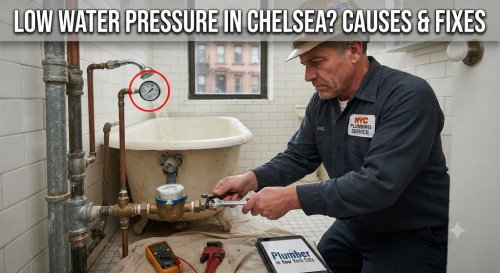
Low Water Pressure: A sudden drop in flow rate means mineral scaling is choking your pipes or a major hidden break is wasting water volume.
-
High Water Bills: Unexplained spikes on your municipal utility statement signal a silent, continuous leak running somewhere in the property.
-
Damp Walls and Mold Growth: Musty odors and velvety mold patches on drywall reveal chronic moisture accumulation from leaking pipes.
-
Strange Noises: Banging pipes or whistling valves indicate loose mounting brackets, trapped air, or severe mineral restrictions.
-
Bad Smells: Persistent sulfur or sewage odors mean sewer gases are venting past dry or broken trap seals.
Common Plumbing Problems Related to This Issue
Vintage plumbing decay rarely occurs in isolation; it triggers a cascade of related structural and mechanical failures.
-
Pipe Leaks: Corroded riser lines and supply pipes develop pinhole breaches behind historic plaster and lathe walls.
-
Drain Clogs: Decades of accumulated hair, grease, and scale close off narrow historic waste pipes.
-
Sewer Backups: Damaged building drains cause wastewater to reverse flow into basement levels during heavy usage.
-
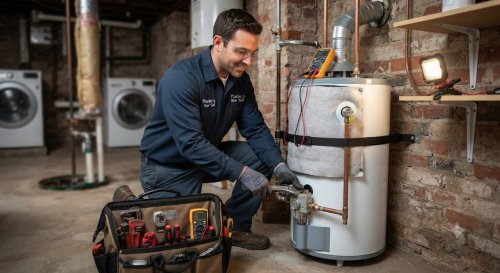
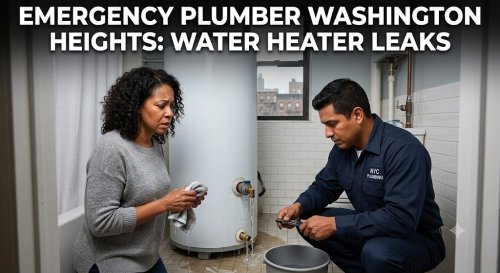
Water Heater Failures: Old storage tanks accumulate heavy sediment and corrode internally, resulting in leaks or sudden tank rupture.
-
Fixture Damage: Fine sediment and rust particles ruin expensive custom faucet cartridges, flush valves, and appliance inlet screens.
Step-by-Step Professional Repair Process
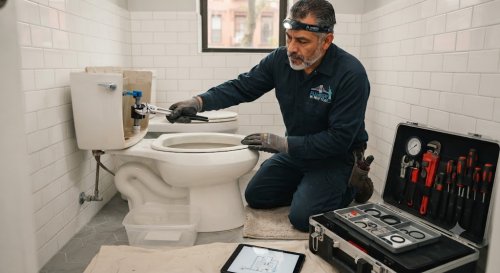
When local property owners contact Plumber in New York City, licensed technicians follow a thorough, methodical process to restore system integrity.
-
Step 1: Inspection: Plumbers perform a comprehensive visual check of all accessible pipes, fixtures, and basement utility zones.
-
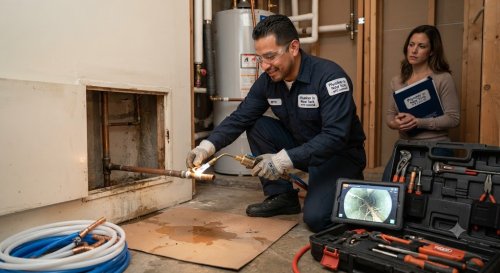
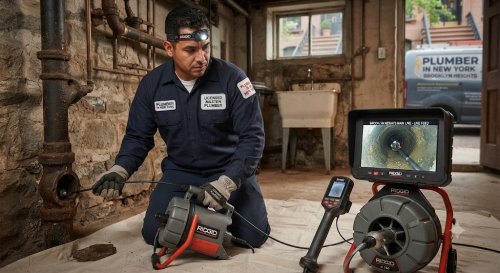
Step 2: Diagnosis: Technicians utilize high-definition fiber-optic cameras and acoustic listening tools to locate the exact source of failure without unnecessary demolition.
-
Step 3: Estimate: You receive a clear, itemized written proposal detailing the scope of work, material options, and expected timeline before any tools are picked up.
-
Step 4: Repair: Licensed plumbers execute precise repairs, whether replacing corroding galvanized risers with modern PEX and copper, or hydro-jetting blocked waste stacks.
-
Step 5: Testing: Technicians pressurize and flood repaired lines to confirm zero leakage, optimal flow, and correct drainage performance.
-
Step 6: Cleanup: The work area is thoroughly sanitized, debris is hauled away, and your property is left spotless.
-
Step 7: Maintenance Advice: The plumber provides customized care instructions and preventative tips tailored to historic home systems.
Can You Fix It Yourself?
Understanding the boundary between routine homeowner upkeep and dangerous professional intervention prevents costly mistakes.
-
Safe DIY Solutions: You can safely clear minor hair clogs from a shower drain using a plastic zip tool or clean surface aerator screens on kitchen faucets.
-
Temporary Fixes: Turning off individual fixture supply valves stops localized spraying while you await professional help.
-
What Homeowners Can Safely Do: Monitor utility bills, check under sinks monthly for dampness, and apply enzyme drain maintainers.
-
When DIY Becomes Dangerous: Attempting to cut into pressurized main supply lines, modifying gas lines, or using harsh chemical acids on old cast iron risks severe injury and property damage.
-
When Professional Plumbing is Necessary: Any main line backup, persistent leak behind walls, or structural pipe replacement demands a licensed professional.
Tools Professionals Use
Modern plumbing relies on advanced technology to service historic New York City buildings safely and efficiently.
-
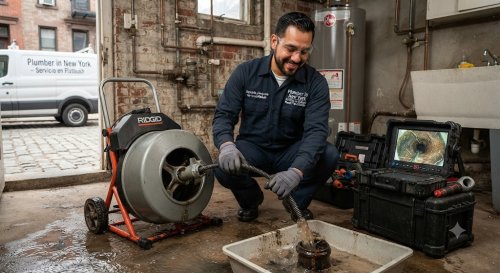
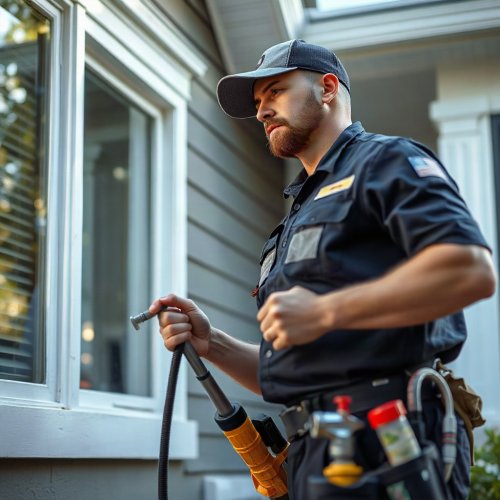
Drain Cameras: Waterproof push-cameras that reveal interior pipe scale, cracks, and root intrusions in real-time.
-
Leak Detection Equipment: Electronic acoustic sensors that pinpoint hidden water leaks beneath concrete floors or behind plaster walls.
-
Hydro Jetting: High-pressure water systems that scour grease, roots, and hardened scale down to bare pipe walls.
-
Pipe Locators: Electromagnetic tracking devices that trace hidden underground or in-wall pipe paths with precision.
-
Pressure Testing Gauges: Precision meters used to verify system stability and identify hidden flow restrictions.
-
Trenchless Equipment: Pipe lining technology that rehabilitates underground sewer lines without digging up historic basements or courtyards.
How Long Does the Repair Usually Take?
Repair timelines depend heavily on the nature and complexity of the historic plumbing issue.
-
Simple Repairs: Fixing a running toilet or swapping a faucet washer takes 30 minutes to 1 hour.
-
Moderate Repairs: Replacing a section of corroded waste arm or installing a new water heater takes 2 to 4 hours.
-
Major Repairs: Repiping a historic bathroom or replacing vertical supply risers takes 1 to 3 days.
-
Emergency Repairs: Mitigating a burst pipe or clearing an urgent main sewer backup generally takes 1 to 3 hours for stabilization.
Cost Factors
Understanding what influences plumbing pricing ensures property owners can budget accurately for vital repairs.
-
Diagnostic Fees: Initial charges covering expert travel and troubleshooting time.
-
Parts and Materials: The cost of upgrading from obsolete iron to durable copper or PEX.
-
Labor Rates: Professional labor costs reflecting specialized NYC licensing and urban logistics.
-
Emergency Service Charges: After-hours dispatches incur standard urgent mobilization fees.
-
Accessibility: Pipes hidden behind lath, plaster, marble tiles, or brickwork require careful opening and patching.
-
Permit Costs: Department of Buildings (DOB) permits required for major plumbing overhauls.
Note on Cost Variables: Plumbing repair costs vary depending on the severity of the problem, accessibility, materials required, emergency service, property type, and local labor rates.
Hidden Truths Homeowners Should Know
Operating a historic property in Manhattan exposes owners to several sobering operational realities.
-
Small Leaks Become Expensive Repairs: A minor slow drip behind plaster rots wooden structural framing and breeds extensive mold colonies.
-
Cheap Temporary Fixes Often Fail: Wrapping rubber tape over a corroded high-pressure pipe guarantees a future midnight blowout.
-
Insurance May Not Cover Neglected Plumbing: Standard property insurance policies frequently reject water damage claims stemming from long-term deferred maintenance.
-
Tree Roots Can Repeatedly Damage Sewer Lines: Unprotected older clay sewer lines will continually suffer root intrusion until relined or replaced.
-
Hard Water Shortens Fixture Lifespan: Heavy mineral content coats heating elements and erodes internal seals in appliances prematurely.
-
DIY Mistakes Increase Repair Costs: Cross-threading antique brass fittings or over-tightening joints turns minor fixes into major plumbing overhauls.
-
Delaying Repairs Causes Structural Damage: Water migration compromises load-bearing wood timbers and historic plaster details.
-
Hidden Leaks Increase Utility Bills: Unseen running fixtures waste hundreds of gallons daily, inflating municipal water costs.
-
Mold Develops Quickly: Moisture combined with warm indoor conditions allows toxic mold to colonize wall cavities within 48 hours.
-
Annual Maintenance Saves Money: Routine annual tune-ups catch minor wear before it escalates into an expensive emergency.
15 Common Mistakes Homeowners Make
-
Ignoring Minor Leaks: Brushing off a slow faucet drip allows structural rot to spread silently.
-
Using Chemical Drain Cleaners: Pouring harsh acids down sluggish drains eats away at fragile historic metal pipes.
-
Flushing Wipes: Disposing of thick wipes down toilets clogs narrow historic sewer stacks.
-
Pouring Grease Into Drains: Liquid fats solidify in cold pipe walls, trapping debris and causing major blockages.
-
Ignoring Water Pressure Problems: Failing to check pressure drops lets scale build up until lines seize completely.
-
Hiring Unlicensed Plumbers: Working with uninsured handymen risks building code violations and sub-standard work.
-
Skipping Maintenance: Neglecting yearly water heater flushes shortens appliance lifespans.
-
Waiting Until Emergencies: Postponing service until a pipe bursts guarantees higher emergency bills.
-
Using Wrong Pipe Materials: Mixing incompatible metals triggers galvanic corrosion and rapid failure.
-
Over-Tightening Fittings: Applying excessive torque cracks fragile vintage fixtures and threaded connectors.
-
Failing to Locate Main Shut-Offs: Panicking during a leak because family members don't know where the water main is.
-
Neglecting Basement Drains: Letting floor drain traps dry out allows foul sewer gases into living spaces.
-
Ignoring Water Meter Spikes: Failing to track utility changes that indicate hidden pipe leaks.
-
Discarding Maintenance Records: Losing past repair logs hinders future troubleshooting.
-
Attempting Complex Gas Repairs: Trying to service gas-fired boilers independently, risking dangerous leaks.
Maintenance Tips
Implementing consistent upkeep routines prevents premature plumbing degradation across historic properties.
-
Flush your water heater tank annually to remove sediment and rust scale.
-
Inspect under all kitchen and bathroom sinks monthly for dampness or weeping joints.
-
Clean aerator screens every six months to maintain strong water flow.
-
Test your main water shut-off valve yearly to ensure smooth operation.
-
Install whole-house sediment filters to protect vintage fixtures from grit.
-
Avoid pouring coffee grounds, grease, or fibrous food waste down kitchen sinks.
-
Never use chemical liquid drain openers in historic metal pipe systems.
-
Monitor your water utility bills for unexplained usage increases.
-
Insulate exposed pipes in unheated basement storage areas before winter.
-
Schedule a professional plumbing inspection every two years for buildings over 50 years old.
-
Replace flexible braided supply lines feeding toilets and sinks every 5 to 7 years.
-
Keep sink and tub stoppers free of hair and soap scum buildup.
-
Educate all household members on emergency water shut-off procedures.
-
Avoid hanging heavy items or storage boxes on exposed basement waste stacks.
-
Pour water into basement floor drain traps quarterly to maintain airtight seals.
When Should You Call an Emergency Plumber?
Certain critical plumbing situations require instant, 24/7 professional response to safeguard your property.
-
Burst Pipes: Sudden pipe ruptures flood living spaces within minutes, requiring immediate main water shut-off.
-
Sewage Backup: Raw wastewater overflowing from floor drains presents an immediate health hazard.
-
No Running Water: Complete loss of water supply often indicates a major main break or valve failure.
-
Overflowing Toilets: A toilet refusing to stop running threatens to damage ceilings in units below.
-
Major Water Leaks: Uncontrollable pipe spraying demands instant emergency mitigation.
-
Flooding: Standing water pooling from unknown interior sources requires professional extraction.
Frequently Asked Questions
Why is my water pressure suddenly low? Sudden low pressure typically results from a partially closed valve, failing pressure-reducing valve, heavy mineral scale, or a neighborhood main break.
How much does leak detection cost? Leak detection costs vary based on equipment required, property size, and whether the leak is accessible or hidden behind walls. Contact us for a transparent estimate.
Can a clogged drain damage pipes? Yes. Severe clogs put intense hydrostatic pressure on pipe joints, and harsh chemical cleaners generate corrosive heat that degrades pipe walls.
Is hydro jetting safe for old pipes? Hydro jetting requires an initial camera inspection by a licensed professional. If pipes are severely compromised, alternative repair methods will be recommended.
How do I know if my sewer line is broken? Warning signs include multiple slow drains, foul sewage odors, gurgling toilets, and wet patches on cellar floors or yards.
How long do water heaters last? Standard tank water heaters typically last 8 to 12 years. Regular annual flushing and anode rod maintenance help maximize their lifespan.
Why does my faucet drip? A dripping faucet is generally caused by a worn rubber washer, degraded O-ring, damaged valve seat, or mineral buildup inside the cartridge.
What causes pipes to burst? Pipes commonly burst due to freezing winter temperatures causing trapped water to expand, severe internal corrosion, or excessive water pressure.
Can plumbing leaks increase my water bill? Yes. Even a small silent toilet flapper leak or minor hidden pipe leak wastes hundreds of gallons daily, driving up your utility bill.
When should I replace plumbing instead of repairing it? Consider replacing plumbing when pipes suffer from chronic pinhole leaks, extensive rust corrosion, extreme age (galvanized pipes over 50 years old), or repeated costly repairs.