Common Causes of Water Heater Pilot Light Going Out
Learn why your water heater pilot light keeps going out, how to diagnose the issue safely, and what solutions resolve burner assembly failures.
Understanding a Pilot Light That Won't Stay Lit
When a gas water heater pilot light repeatedly goes out, it leaves a household without hot water and points to an interruption in the gas supply, a failing safety component, or environmental interference within the combustion chamber. In standard natural gas or propane storage tank water heaters, the pilot light serves a vital safety function: it heats a thermocouple or thermopile that generates a small electrical current, keeping the main gas safety valve open.
When the flame goes out, that current drops, and the gas valve automatically shuts off the supply to prevent unburned gas from flooding the room. While simply relighting the unit may restore hot water temporarily, a pilot light that refuses to stay lit indicates an underlying mechanical or environmental fault that requires investigation.
Primary Causes and Diagnostic Indicators
Several distinct components and environmental factors can cause a standing pilot or modern electronic ignition pilot assembly to fail. Pinpointing the exact cause involves evaluating how the pilot behaves when you attempt to light it.
1. Faulty Thermocouple or Loose Connection
The thermocouple is a copper safety probe positioned directly in the pilot flame. Over years of exposure to high heat, the metal tip degrades or becomes coated in soot and carbon buildup, preventing it from generating enough millivolts to hold the safety valve open. Alternatively, a loose or corroded connection where the thermocouple threads into the gas control valve will interrupt the electrical signal, causing the valve to drop the gas supply the moment you release the control knob.
2. Drafts and Combustion Air Interruptions
Gas water heaters require a steady supply of combustion air. If drafts from nearby doors, windows, or HVAC return vents blow directly into the water heater closet or utility room, they can extinguish the small pilot flame. In tightly sealed modern utility spaces, negative air pressure caused by exhaust fans or clothes dryers can also starve the burner of proper airflow or pull the flame away from the thermocouple.
3. Blocked Pilot Tubing or Low Gas Pressure
The pilot tube is an extremely narrow metal line that delivers gas to the pilot assembly. Over time, microscopic bits of debris, spider webs, or scaling can partially clog this tube, resulting in a weak, yellow, or dancing flame that fails to engulf the thermocouple completely. If the home's gas pressure fluctuates or the gas control valve itself is failing internally, the pilot will not receive a steady fuel stream.
4. Main Gas Control Valve Failure
If the thermocouple tests properly, the connections are secure, and the pilot flame bathes the probe correctly, but the burner still shuts off immediately upon releasing the knob, the internal electromagnet inside the gas control valve may have failed. When this internal switch wears out, it cannot maintain the valve position despite receiving the correct millivolt signal from the safety probe.
Safe Troubleshooting and Practical Next Steps
Before attempting any troubleshooting, always turn the gas control knob to the "OFF" position and allow the burner area to cool completely. Never force gas control valves or bypass built-in safety devices.
- Inspect the Flame Color: A healthy pilot flame should burn crisp and blue with a slight yellow tip, wrapping firmly around the upper third of the thermocouple. If the flame is lazy, orange, or lifting away from the probe, clean the pilot orifice or check for debris.
- Check for Soot and Dust: Open the lower access door and examine the burner area. Accumulated dust, pet hair, or lint on the flame arrestor screen can restrict airflow, destabilizing the burner and extinguishing the pilot. Use a soft brush or vacuum attachment gently around the exterior louvers without damaging internal components.
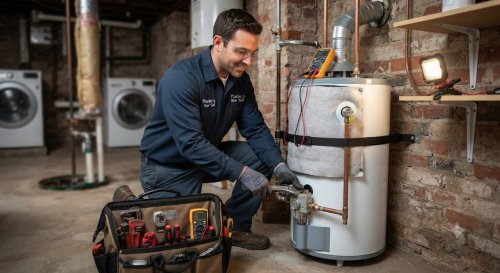
- Test Thermocouple Millivolts: A professional plumber or technician can use a multimeter to measure the output of the thermocouple while the pilot is lit. A reading below standard millivolt thresholds confirms that the component is failing and needs replacement, whereas normal output points toward a faulty gas control valve.
Professional Repair and Component Replacement Considerations
Replacing a standard thermocouple is a straightforward mechanical repair, but working with gas control valves requires specific training and leak-testing procedures. When a plumber services a recurring pilot failure, they will evaluate the age of the tank, the condition of the burner assembly, and gas supply stability.
If a water heater is over ten to twelve years old and experiencing gas control valve failure alongside tank sediment buildup, investing in repeated component repairs may be less cost-effective than a complete water heater replacement. Always verify that any gas-related repair includes a thorough leak check using electronic detectors or bubble solutions on all disturbed fittings.
Frequently Asked Questions
Can I clean a thermocouple myself?
You can gently clean light soot off a thermocouple tip with fine emery cloth or fine-grit sandpaper after turning off the gas and letting the unit cool. However, if the probe metal is pitted, corroded, or warped from excessive heat, cleaning will only provide a temporary fix, and the thermocouple should be replaced.
Why does my pilot light go out only when it is windy outside?
Strong winds can create downdrafts through the water heater's draft hood or flue pipe, blowing out the pilot flame. This often indicates an improperly terminated roof vent, missing chimney cap, or inadequate combustion air supply in the utility room.
Is a pilot light going out a dangerous gas leak hazard?
Modern water heaters feature built-in safety thermocouples or automatic shut-off valves that stop the flow of gas the moment the flame extinguishes. While this safety feature prevents unburned gas from accumulating continuously, you should never attempt to relight a pilot if you smell a strong, persistent odor of raw gas. In the event of a suspected gas leak, evacuate the area immediately and contact your utility provider.
How long do water heater thermocouples typically last?
A standard thermocouple generally lasts between five to seven years, depending on water heater usage and environmental conditions. Because they are inexpensive wear-and-tear components, plumbers often replace them during routine annual water heater maintenance if signs of degradation appear.