Introduction
Every homeowner or business owner in Morris Park, Bronx knows the sudden panic of discovering a burst pipe flooding a basement or raw sewage backing up into a bathroom. Whether you live near Pelham Parkway, run a storefront along Morris Park Avenue, or manage a multi-family property in the surrounding Bronx neighborhoods, severe plumbing emergencies can strike without warning. Plumbing failures in urban New York environments frequently occur due to aging infrastructure, severe winter freeze-thaw cycles, and heavy system usage.
Immediate attention is critical because ignoring an urgent plumbing crisis can quickly lead to catastrophic structural damage, electrical hazards, and expensive property destruction. Property owners search for information on emergency plumbing services because they need rapid, reliable professionals who can diagnose problems quickly and restore safety to their properties when every minute counts.
What Is an Emergency Plumber in Morris Park, Bronx?
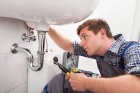
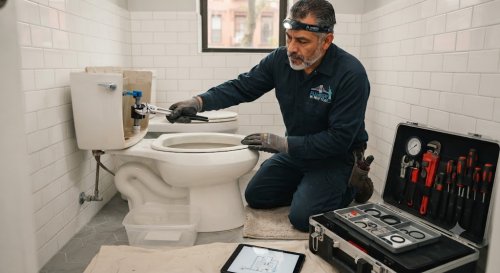
An emergency plumber is a licensed, specialized professional available around the clock to address urgent plumbing failures that threaten property safety, health, and structural integrity.
-
Definition: It is an immediate response plumbing service equipped to handle critical situations outside standard business hours, such as major floods, gas line issues, or sudden sewage overflows.
-
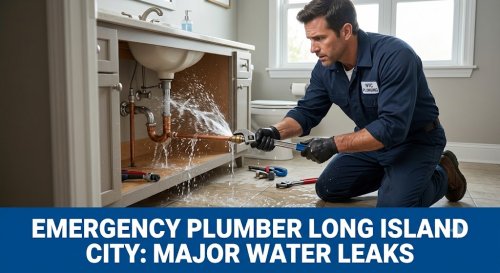
Common Situations: Property owners call for emergency help when water supply lines rupture, toilets overflow uncontrollably, or heating systems fail during freezing winter nights.
-
Symptoms: Urgent indicators include cascading wall leaks, pooling wastewater, complete loss of water pressure, and foul sewage odors filling the building.
-
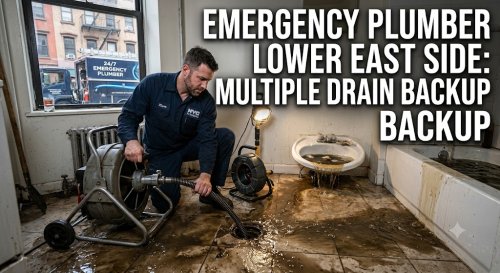
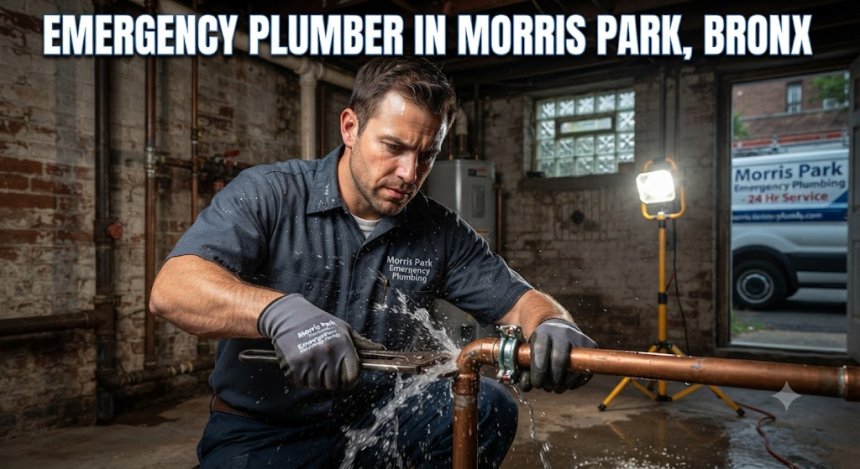
Examples: Repairing a completely burst supply pipe in a Morris Park basement or clearing a main sewer line backup that is flooding a ground-floor commercial space.
Why Does This Plumbing Problem Happen?
Emergency plumbing failures are usually triggered by extreme environmental stress, neglected maintenance, or physical infrastructure degradation.
-
Aging Pipes: Decades-old metallic plumbing lines weaken, corrode, and develop sudden structural collapses under standard operating pressure.
-
Severe Weather: Freezing winter temperatures cause standing water inside uninsulated pipes to freeze, expand, and burst open.
-
Tree Roots: Aggressive tree roots infiltrate underground sewer lateral lines, causing severe blockages and wastewater backups.
-
High Water Pressure: Excessive municipal water pressure places constant strain on residential pipe joints and water heater tanks.
-
Improper Disposal: Flushing non-flushable wipes or pouring grease down drains creates sudden, stubborn blockages that cause overflows.
Signs You Should Never Ignore
Recognizing warning signs early can help you prevent a minor plumbing glitch from turning into a full-scale midnight disaster.
-
Water Stains & Damp Walls: Discolored patches on ceilings or walls indicate hidden leaks that could rupture at any moment.
-
Slow Drains: Multiple sluggish fixtures throughout the building often point to a developing main sewer line blockage.
-
Low Water Pressure: A sudden drop in pressure across all faucets can signal a major supply line breach or municipal break.
-
Strange Noises: Banging pipes (water hammer) or gurgling toilets indicate trapped air or severe venting and drainage issues.
-
Bad Smells: Persistent sulfur or sewage odors mean sewer gases are escaping into your living or working space.
Common Plumbing Problems Related To This Issue
A primary plumbing emergency frequently triggers secondary disasters throughout a building.
-
Pipe Leaks: High-pressure stress can cause minor pinhole leaks to suddenly widen into gushing splits.
-
Drain Clogs: Backed-up wastewater puts intense pressure on pipe seals and joints.
-
Sewer Backups: Raw sewage overflows contaminate living spaces, ruining flooring and drywall.
-
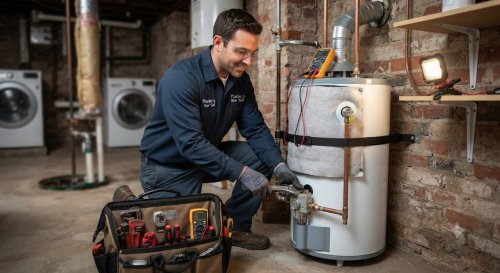
Water Heater Failures: Rusted tanks can rupture abruptly, releasing gallons of scalding water.
-
Burst Pipes: Frozen lines split open, flooding structures as soon as the ice thaws.
Step-by-Step Professional Repair Process
When you call an emergency plumber in Morris Park, Bronx, they execute a precise, efficient protocol to secure your property.
Step 1: Inspection
The plumber arrives rapidly, locates the main water or gas shutoff valves, and assesses the immediate scope of the damage.
Step 2: Diagnosis
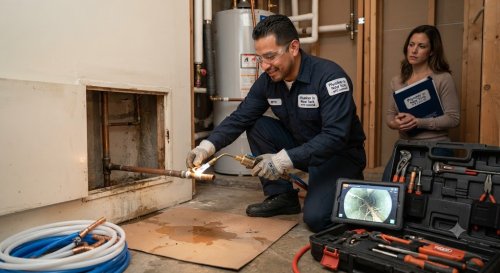
Using specialized diagnostic tools, the technician pinpoints the root cause of the emergency, whether it is a hidden break or a main line blockage.
Step 3: Estimate
You receive a clear, upfront explanation of the necessary emergency repairs and transparent pricing before major work begins.
Step 4: Repair
The professional performs the urgent repair, replacing damaged pipe sections, clearing blockages, or securing faulty connections.
Step 5: Testing
The system is repressurized and thoroughly tested to confirm that leaks have stopped and normal operations are restored.
Step 6: Cleanup
The technician clears debris, sanitizes contaminated work zones, and ensures your property is safe.
Step 7: Maintenance Advice
The plumber provides expert recommendations to prevent the emergency from recurring in the future.
Can You Fix It Yourself?
While minor maintenance is suitable for DIY, true plumbing emergencies require licensed professional intervention.
-
Safe DIY Solutions: Homeowners can safely shut off the main water supply valve or trip individual fixture stops to halt minor flooding.
-
Temporary Fixes: Applying a rubber repair clamp to an exposed, accessible pipe leak can slow water flow temporarily.
-
When DIY Becomes Dangerous: Attempting to fix major sewage backups, electrical water heater shorts, or high-pressure gas/water lines without training is extremely hazardous.
-
When Professional Plumbing is Necessary: Any active flooding, sewage contamination, burst supply line, or gas leak demands immediate professional help.
Tools Professionals Use
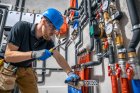
Emergency plumbers utilize advanced industrial equipment to resolve crises with speed and precision.
-
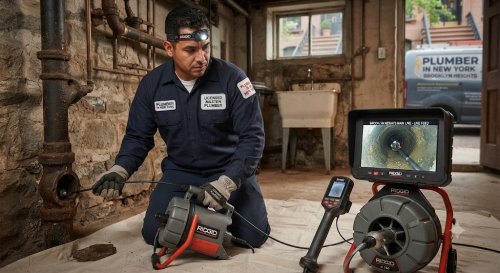
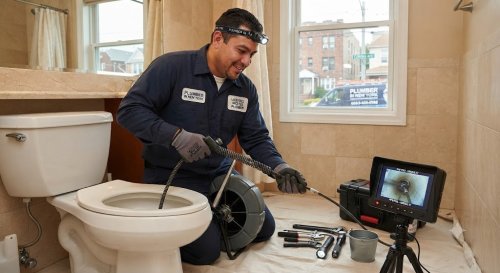
Drain Inspection Cameras: High-resolution waterproof cameras inserted into pipes to visually locate breaks or root intrusions.
-
Hydro Jetting Systems: High-pressure water blasters that completely clear stubborn grease, scale, and root blockages from sewer lines.
-
Electronic Leak Detectors: Acoustic and thermal devices that find hidden leaks behind walls or beneath concrete.
-
Pipe Locators: Radio transmitters used to trace underground or in-wall piping paths accurately.
-
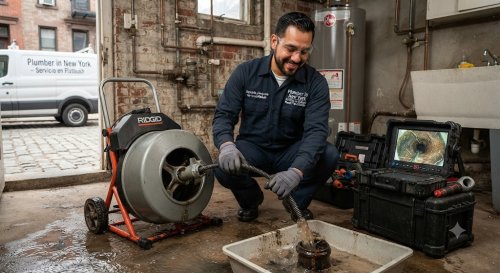
Heavy-Duty Power Augers: Commercial snakes capable of chewing through severe mainline clogs instantly.
How Long Does the Repair Usually Take?
Emergency repair timelines depend heavily on the severity and complexity of the problem.
-
Simple Repairs: Fixing a broken shutoff valve or clearing a localized toilet clog takes 30 minutes to an hour.
-
Moderate Repairs: Replacing a section of a broken supply pipe or fixing a water heater component takes 1 to 3 hours.
-
Major Repairs: Excavating a collapsed main sewer line or addressing extensive pipe bursts can take several hours to a full day.
-
Emergency Dispatch: Local emergency plumbers prioritize rapid dispatch to arrive at your Morris Park property as quickly as possible.
Cost Factors
Emergency plumbing pricing reflects the urgent, specialized nature of after-hours work.
-
Diagnostic Fees: Charges associated with rapid on-site emergency evaluation.
-
Time of Dispatch: After-hours, weekend, or holiday calls carry specialized emergency rates.
-
Labor and Expertise: Highly trained licensed technicians equipped for high-stress scenarios.
-
Parts and Materials: Cost of heavy-duty replacement pipes, valves, or specialized fittings.
-
Equipment Needed: Utilization of heavy machinery like hydro-jets or trenchless repair tools.
Plumbing repair costs vary depending on the severity of the problem, accessibility, materials required, emergency service, property type, and local labor rates.
Hidden Truths Homeowners Should Know
Understanding the realities of property plumbing helps protect your investment over the long term.
-
Small Leaks Become Expensive Repairs: Ignoring a minor drip today invites major structural rot tomorrow.
-
Cheap Temporary Fixes Fail: Duct tape and makeshift patches cannot withstand household water pressure.
-
Insurance Gaps: Homeowner policies may deny claims resulting from neglected, long-term plumbing maintenance issues.
-
Tree Roots Return: Root intrusion in sewer lines requires ongoing management, not just a one-time clearance.
-
Hard Water Damage: Mineral buildup steadily degrades plumbing fixtures and water heater efficiency.
-
DIY Escalation: Incorrect amateur fixes frequently compound the problem and raise professional repair bills.
-
Hidden Utility Waste: Silent leaks inflate monthly water and energy bills significantly.
-
Rapid Mold Growth: Hazardous mold colonies can form within 24 hours of a water leak.
-
Preventative Value: Annual plumbing inspections save property owners thousands in emergency repair bills.
15 Common Mistakes Homeowners Make
-
Ignoring Minor Leaks: Allowing small drips to persist until structural damage occurs.
-
Using Chemical Drain Cleaners: Pouring harsh acids down pipes, which corrodes metal and fails on tough clogs.
-
Flushing Wipes: Treating "flushable" wipes as safe for sewer lines, leading to severe blockages.
-
Pouring Grease Down Drains: Letting cooking fats solidify and choke main drainage pipes.
-
Ignoring Water Pressure: Failing to install or maintain pressure-reducing valves.
-
Hiring Unlicensed Handymen: Risking substandard work and building code violations.
-
Skipping Regular Maintenance: Neglecting annual water heater flushing and pipe checks.
-
Waiting Until Emergencies: Delaying repairs until a small issue forces an urgent midnight call.
-
Using Wrong Materials: Mismatching pipe types during amateur repairs.
-
Over-Tightening Fittings: Cracking valves and connectors with excessive wrench force.
-
Ignoring Slow Drains: Disregarding sluggish fixtures until a complete backup occurs.
-
Forgetting Main Shutoff Locations: Not knowing how to cut off water supply in a panic.
-
Neglecting Outdoor Hoses: Leaving garden hoses attached during freezing weather.
-
Overloading Garbage Disposals: Forcing fibrous or starchy food waste down the drain.
-
Using Harsh Cleaners: Damaging fixture finishes with abrasive chemical sprays.
Maintenance Tips
Keep your plumbing system running smoothly with these practical, seasonal maintenance guidelines.
-
Flush Water Heaters: Clear sediment annually to extend appliance life and efficiency.
-
Test Shutoff Valves: Exercise main water valves yearly to ensure they turn smoothly.
-
Insulate Vulnerable Pipes: Protect exposed lines in unheated areas before winter freezes arrive.
-
Monitor Water Pressure: Keep household pressure below safe thresholds using a pressure regulator.
-
Inspect Under Sinks: Look for moisture or slow drips around supply connections routinely.
-
Watch for Wall Stains: Keep an eye out for peeling paint or discoloration on drywall.
-
Listen for Hissing: Pay attention to unusual plumbing sounds when fixtures are idle.
-
Schedule Annual Inspections: Have a professional plumber check your entire system yearly.
-
Know Your Main Shutoff: Ensure all adult household members know how to stop water flow instantly.
-
Maintain Sump Pumps: Test basement drainage systems before heavy storm seasons.
-
Address Drips Quickly: Fix minor faucet or valve drips before they escalate.
-
Inspect Basement Walls: Watch for efflorescence or damp masonry in lower levels.
-
Work With Licensed Pros: Always partner with licensed plumbers for complex diagnostic work.
-
Clear Outdoor Drains: Keep yard catch basins free of leaves and debris.
-
Care for Disposals: Run cold water while operating garbage disposals and avoid fibrous waste.
When Should You Call an Emergency Plumber?
Certain plumbing crises require immediate professional intervention without hesitation.
-
Burst Supply Pipes: High-pressure water spewing uncontrollably from a broken pipe line.
-
Sewage Backups: Raw wastewater flooding bathtubs, sinks, or basement floors.
-
Complete Water Loss: Sudden, unexplained loss of water supply to your entire property.
-
Overflowing Toilets: A toilet bowl that continues to rise and spill over despite shutting off the flapper.
-
Gas Line Concerns: Suspected natural gas leaks near water heaters or appliances (if licensed service is offered).
-
Major Structural Leaks: Water pouring through ceilings or cascading down interior walls.
Frequently Asked Questions
Why is my water pressure suddenly low? Sudden pressure drops are frequently caused by clogged faucet aerators, a partially closed main shutoff valve, or a hidden supply line leak.
How much does leak detection cost? Leak detection costs vary based on property size, pipe accessibility, and the advanced electronic acoustic equipment required by the plumber.
Can a clogged drain damage pipes? Yes. Persistent clogs increase internal water pressure, weaken pipe joints, and trap corrosive wastewater against pipe walls, leading to leaks.
Is hydro jetting safe for old pipes? A professional plumber must first inspect your pipes with a camera. While safe for healthy pipes, severely degraded historic pipes may require alternative repair methods.
How do I know if my sewer line is broken? Frequent backups across multiple plumbing fixtures, soggy patches in your yard, foul sewage odors, and gurgling toilets are classic signs of a broken sewer line.
How long do water heaters last? Standard tank water heaters typically last between 8 to 12 years, while tankless units can operate efficiently for 15 to 20 years with proper maintenance.
Why does my faucet drip? Dripping faucets are usually caused by worn-out rubber washers, damaged O-rings, or corroded valve seats inside the handle mechanism.
What causes pipes to burst? Pipes most commonly burst when water inside them freezes and expands during winter, or when excessive internal pressure builds up behind a severe blockage.
Can plumbing leaks increase my water bill? Absolutely. Even a small, silent toilet leak or slow pipe drip can waste thousands of gallons of water over the course of a month, driving up municipal utility bills.
When should I replace plumbing instead of repairing it? If your plumbing system features frequent recurring leaks, widespread corrosion in aging galvanized pipes, or extensive material degradation, full replacement is often more cost-effective than endless spot repairs.
Why Choose Our Plumbing Company
When you face an urgent plumbing crisis in Morris Park, Bronx, choosing the right team ensures your property is protected.
-
Experienced Licensed Plumbers: Our team consists of fully licensed and insured professionals with deep expertise in New York City building codes and plumbing systems.
-
Honest Recommendations: We provide straightforward, transparent advice tailored to what your home actually needs—never pushing unnecessary upsells.
-
Upfront Estimates: You will receive clear, detailed pricing before any work begins so there are never surprises on your bill.
-
Fast Response: We understand that plumbing emergencies disrupt your life, which is why we prioritize rapid dispatch times across the Bronx.
-
Emergency Availability: Our team is ready to respond when urgent plumbing crises strike your home or business 24/7.
-
Quality Workmanship: We stand behind our repairs with professional execution and industry best practices.
-
Modern Equipment: We utilize state-of-the-art electronic diagnostic, hydro-jetting, and camera equipment to solve problems efficiently.
-
Customer Satisfaction: Our reputation is built on reliability, respect for your property, and lasting plumbing solutions.
-
Local Expertise: We know the unique plumbing challenges of Morris Park, Bronx homes, from historic properties to modern developments.