Troubleshooting Low Water Pressure in Gilbert Homes
Learn how to diagnose and troubleshoot low water pressure in your Gilbert home, from simple aerator checks to pressure regulator issues and mineral buildup.

Understanding Low Water Pressure in Your Home
When you turn on a shower or kitchen faucet and get a weak trickle instead of a steady stream, low water pressure becomes an immediate frustration. Diagnosing the root cause requires determining whether the issue affects a single fixture or the entire house, as this distinction points directly to where the problem originates.
Water pressure issues generally fall into two distinct categories: localized restrictions affecting only one or two outlets, and system-wide drops impacting every fixture, appliance, and outdoor hose bib on the property. Pinpointing this scope is always the first step toward an accurate diagnosis.
Single-Fixture vs. Whole-House Symptoms
If only one faucet or showerhead has low pressure, the issue is almost always isolated to that specific fixture. Common culprits include clogged aerators, partially closed supply valves under the sink, or mineral scale trapped inside a showerhead. Because Gilbert water contains dissolved minerals like calcium and magnesium, scale accumulation inside small fixture openings happens gradually over time.
Conversely, if multiple sinks, showers, and toilets throughout the home experience a sudden or progressive drop in pressure, the issue involves the main water supply line, the main shutoff valve, or the pressure-reducing valve (PRV).
Diagnostic Steps for Homeowners
Before calling for professional help, a few safe, non-invasive checks can help you narrow down the cause of low water pressure.
- Check the main water shutoff valve: Ensure that both the municipal meter valve (usually near the street or property line) and your home’s main shutoff valve are fully open. A partially closed valve restricts water volume and reduces pressure.
- Inspect fixture aerators: Unscrew the aerator screen from the tip of the affected faucet. Look for trapped mineral debris or sediment. Soaking the screen in a vinegar solution usually dissolves hard-water buildup.
- Test multiple faucets: Turn on cold and hot water independently across different bathrooms and the kitchen to see if the pressure drop is equal everywhere.
- Ask your neighbors: If whole-neighborhood pressure has dropped suddenly, the municipal utility provider may be performing main repairs or experiencing supply fluctuations.
The Role of the Pressure-Reducing Valve (PRV)
Most homes in Gilbert are connected to municipal water supplies that deliver water at relatively high pressures. To protect household plumbing, appliances, and fixtures from excessive stress, a pressure-reducing valve is typically installed where the main water line enters the house.
When a PRV fails, it usually does so by either dropping pressure drastically or failing to regulate it, causing pressure spikes. PRVs contain internal springs and diaphragms that wear out over a typical lifespan of 7 to 12 years. If your whole-house pressure has dropped and the main valves are fully open, a failing PRV is a frequent underlying cause that requires professional replacement.
Mineral Buildup and Galvanized Piping Considerations
Hard water is a permanent reality for properties across the East Valley. Over years of use, dissolved minerals precipitate out of the water, coating the interior walls of water supply pipes. This mineral scale gradually narrows the effective internal diameter of the pipe, restricting water volume and lowering pressure.
Homes built several decades ago using galvanized steel pipes are particularly susceptible to internal corrosion and heavy mineral choking. Unlike copper or modern PEX piping, galvanized steel deteriorates from the inside out, often requiring targeted repiping to permanently restore adequate water flow.
Frequently Asked Questions
Why is my water pressure low only when I use hot water?
If cold water pressure is normal but hot water is weak, the restriction is usually isolated to the water heater supply line or the water heater itself. Mineral sediment accumulation inside the tank can clog the outlet nipple or block the dip tube. A failing shutoff valve on the cold water inlet of the water heater can also restrict flow into the tank.
Can a water softener cause low water pressure?
Yes. If a water softener's internal control valve becomes clogged with sediment or resin beads, or if the bypass valve is partially engaged, it can restrict water flow to the entire house. Routine maintenance and periodic cleaning of the resin bed help prevent this restriction.
How do I know if my pressure regulator is broken?
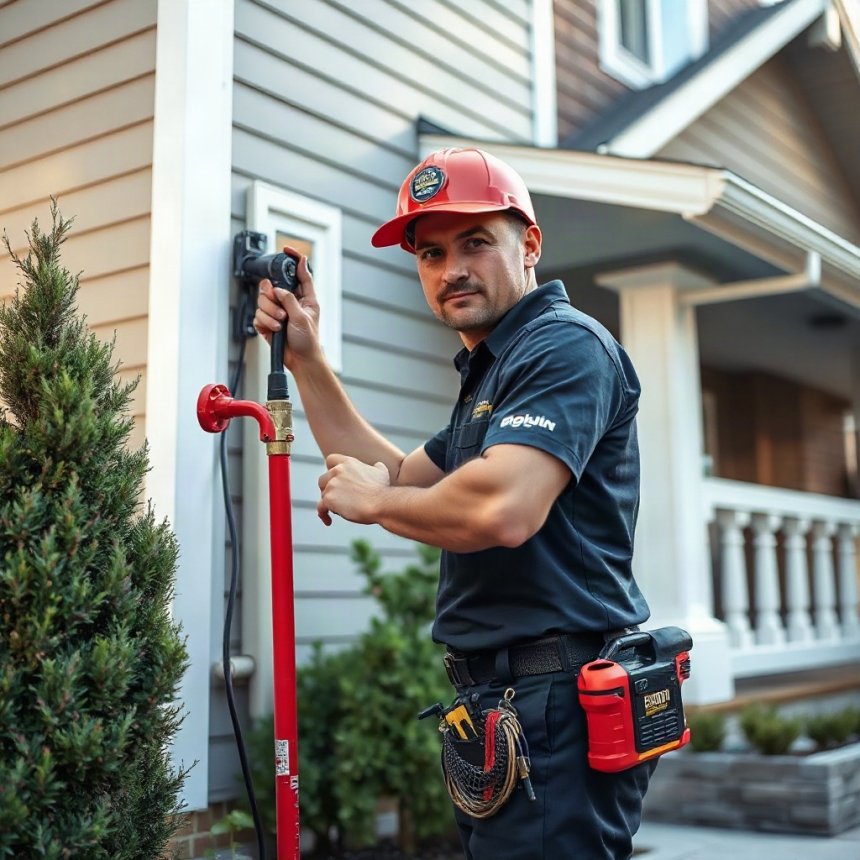
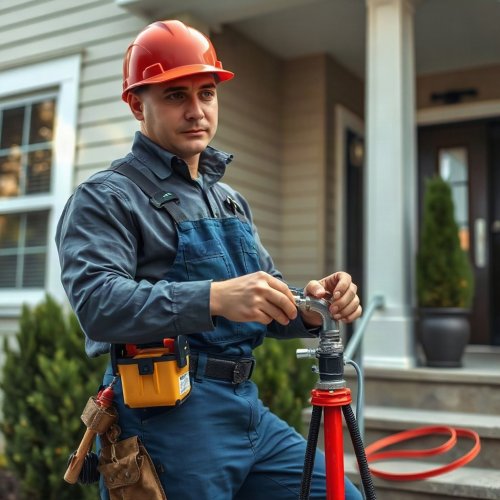
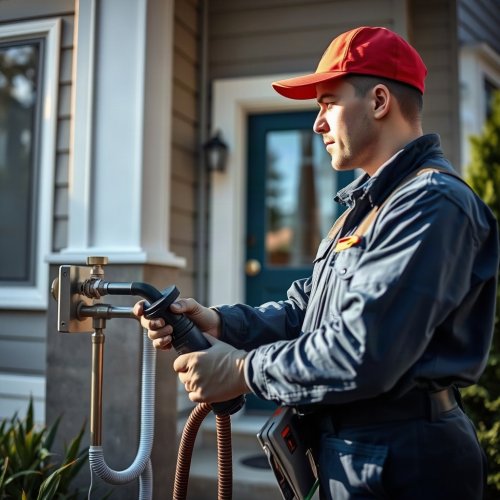
The most reliable method is attaching a water pressure gauge to an outdoor hose bib. If the reading is significantly lower than normal (typically below 40 psi) and adjusting the adjustment bolt on top of the PRV yields no change, the internal components have likely failed and the valve must be replaced.
Is low water pressure an emergency?
Generally, low water pressure is an inconvenience rather than an emergency, provided there are no active leaks causing property damage. However, a sudden, complete loss of water pressure can indicate a ruptured main supply line, which requires immediate attention to prevent property flooding.