Common Causes of Low Water Pressure in Gilbert Homes
Discover why your Gilbert home has low water pressure. Learn how to troubleshoot localized fixtures, main shut-off valves, and mineral buildup.

Understanding Low Water Pressure in Your Home
When you turn on a faucet or step into the shower and encounter a weak trickle instead of a steady stream, low water pressure is the culprit. In Gilbert, homeowners frequently notice this frustrating issue when washing machines struggle to fill, showerheads feel ineffective, or multiple fixtures running simultaneously cause a noticeable drop in flow.
Low water pressure is a symptom rather than a single distinct fault. It can indicate anything from a simple localized blockage in a single faucet aerator to a failing pressure-reducing valve or a hidden leak within your home's distribution system. Pinpointing the exact cause requires evaluating whether the pressure issue affects a single fixture or the entire property.
Single-Fixture vs. Whole-House Pressure Drops
The first and most important diagnostic step is determining the scope of the problem. If only one sink or shower experiences low pressure while the rest of the house functions normally, the issue is isolated to that specific fixture. Conversely, if every faucet, shower, and hose bib throughout the house has weak flow, the problem originates at the main water supply, the meter, or a whole-home valve.
Isolated Fixture Causes
When a single fixture loses pressure, the underlying cause is almost always localized:
- Clogged Aerators: Faucet aerators collect mineral scale, sediment, and debris over time. In Gilbert, where the local water supply carries naturally occurring minerals, these tiny screens can partially or completely clog rather quickly.
- Partially Closed Supply Valves: Under-sink shut-off valves may get bumped or left partially closed after maintenance or repairs.
- Cartridge Obstructions: Debris or broken washer fragments can lodge inside single-lever faucet cartridges or shower mixing valves, restricting water movement.
Whole-House Causes
When the entire property suffers from weak water pressure, the potential causes involve major components of your plumbing system:
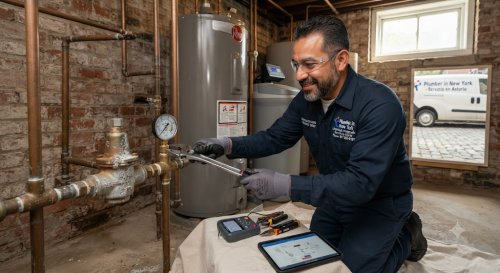
- Faulty Pressure Reducing Valve (PRV): Most homes have a bell-shaped PRV located where the main water line enters the house. When the internal springs and diaphragms inside a PRV wear out, the valve can fail in a restricted position, severely choking the incoming water pressure.
- Main Shut-Off Valve Restriction: If the main water meter valve or the home's main interior shut-off gate valve is not fully open, it will bottleneck the water flow to every pipe.
- Internal Pipe Scaling or Corrosion: Older galvanized steel pipes accumulate mineral buildup and internal corrosion over decades, gradually narrowing the interior diameter of the pipe until water volume and pressure drop significantly.
Practical Troubleshooting and Safe Checks
Homeowners can safely perform several initial checks before deciding whether professional intervention is necessary:
- Test Multiple Faucets: Turn on both hot and cold water across different bathrooms and the kitchen to see if the reduction is universal.
- Inspect and Clean Aerators: Unscrew the aerator tip from the affected faucet. Rinse away any trapped mineral deposits or sediment. If mineral scale is heavy, soaking the aerator in a mild vinegar solution overnight usually dissolves the buildup.
- Verify Valve Positions: Check the main water shut-off valve (usually located near the front exterior wall or inside the garage) and the individual fixture supply valves under sinks to ensure they are fully open.
- Check with Neighbors: Ask immediate neighbors if they are experiencing similar pressure drops. If the municipal water supplier is performing maintenance or experiencing a main line issue in your neighborhood, the supply drop is temporary and originates off-property.
When a Professional Diagnosis Is Needed
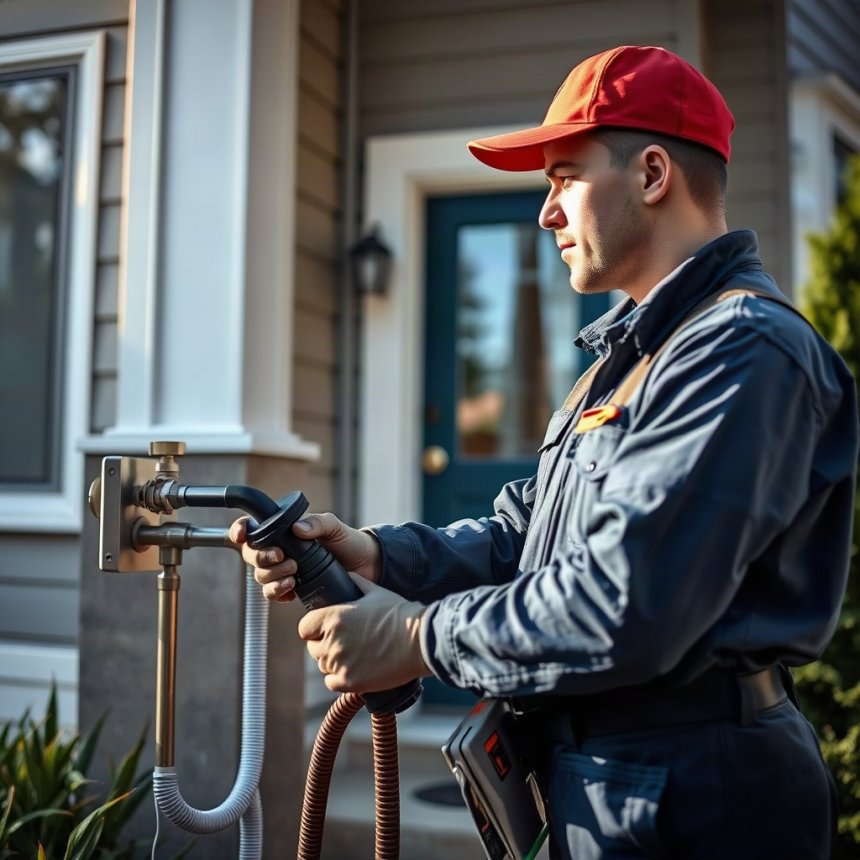
If aerators are clean, supply valves are fully open, and neighbors have normal pressure, a professional evaluation is usually required. Plumbers use specialized pressure gauges attached to hose bibs to measure static and dynamic water pressure accurately. This testing establishes whether the municipal supply meets expected standards, whether a PRV adjustment or replacement will restore normal flow, or if hidden piping damage is restricting your water supply.
Frequently Asked Questions
Why does my water pressure drop only when I use hot water?
If cold water pressure is normal but hot water is weak, the restriction is likely isolated to the water heater supply or the water heater itself. Mineral sediment accumulation inside tank-type water heaters can block the hot water outlet nipple, or a partially closed cold-water inlet valve on the tank can restrict flow.
Can a pressure reducing valve be adjusted, or does it need replacement?
Many PRVs feature an adjustment bolt on top with a locknut that allows a licensed plumber to recalibrate the pressure. However, if the internal rubber diaphragm is ruptured or the mechanical parts are worn out from age and mineral exposure, adjustment will not help, and the valve must be replaced.
Does water hardness in Gilbert cause low water pressure?
Yes. Hard water contains dissolved minerals like calcium and magnesium. Over years of daily use, these minerals precipitate out of the water and form a hard, chalky scale inside fixtures, aerators, and pipes, gradually restricting the interior pathways and lowering effective water pressure.
How can I tell if my home has a hidden water leak causing low pressure?
A sudden, unexplained drop in pressure accompanied by a continuously running water meter when all fixtures are turned off often points to a hidden pipe leak, such as a slab leak or supply line break. Checking your water meter dial for movement is a quick way to test for active leaks.