Common Causes of a Water Heater Pilot Light Going Out
Discover why your water heater pilot light keeps going out. Learn the common causes, troubleshooting steps, and when to call a professional plumber.

Understanding a Pilot Light That Keeps Going Out
When a gas water heater stops producing hot water, checking the pilot light is usually the first step. If you find the flame is unlit, relighting it seems like an easy fix. However, if the pilot light repeatedly goes out hours or days later, it indicates an underlying mechanical or environmental issue within the appliance.
A pilot light is a small, continuous gas flame designed to heat a safety device and keep the main burner valve ready to open when hot water is demanded. When that flame extinguishes unexpectedly, the gas supply automatically shuts off as a safety precaution. While this built-in safety feature prevents unburned gas from flooding your utility closet or garage, a constantly extinguishing flame points to a component failure or an external interference.
The Primary Causes and How to Distinguish Them
Several distinct issues can cause a pilot light to fail repeatedly. Diagnosing the exact cause requires looking at how the flame behaves and inspecting the surrounding hardware.
1. A Failing or Misaligned Thermocouple
The thermocouple is a copper safety probe positioned directly in the path of the pilot flame. It generates a tiny electrical current when heated, which signals the gas control valve to stay open. If the thermocouple tip is coated in soot, oxidized from age, or simply worn out, it will fail to generate enough voltage. Similarly, if the pilot flame is too weak to fully envelope the thermocouple tip, the safety valve will trip and shut off the gas.
2. Drafts and Air Supply Disruptions
Gas combustion requires a steady supply of oxygen and a stable environment. In many Gilbert homes, water heaters are installed in garages, utility closets, or outdoor alcoves where wind, heavy air movement from HVAC returns, or ceiling fans can create drafts. A sudden gust of air can easily blow out a small pilot flame. Additionally, blocked combustion air intake vents near the base of the water heater can starve the flame of oxygen, causing it to sputter and die.
3. A Faulty Gas Control Valve
Sometimes the problem is not the flame or the sensor, but the control valve body itself. Inside this assembly, magnetic shut-off switches can fail over time. Even if the thermocouple is generating a proper electrical signal, a defective internal valve will refuse to stay open once you release the control knob.
4. Contaminated Gas Supply or Spider Webs
Gilbert's warm climate attracts small insects, particularly spiders, which are notoriously fond of crawling into small burner tubes and pilot orifices to spin webs. A partial blockage in the pilot tubing alters the gas flow, resulting in a yellow, sputtering, unstable flame instead of a sharp blue cone. Debris, dust, or moisture in the gas line can also disrupt the fuel supply.
Safe Homeowner Checks and Troubleshooting
Before calling for professional service, a homeowner can safely perform a few basic observations and maintenance tasks:
- Observe the flame color: A healthy pilot flame burns a crisp blue with a slight yellow tip. If the flame is mostly yellow or orange, the burner tube or pilot orifice likely needs cleaning.
- Check for drafts: Notice if the pilot tends to go out when a nearby garage door opens or when the air conditioning system kicks on. Adding a protective shield or clearing obstructions near the base vents can help.
- Inspect for dust and debris: Use a flashlight to check the lower intake screen around the base of the tank. Dust, lint, and pet hair frequently accumulate here, restricting airflow.
Safety Warning: Attempting to clean delicate gas orifices with improvised wire tools can enlarge the opening, creating a dangerous over-firing hazard. If dismantling burner assemblies is required, or if you smell persistent raw gas, turn off the gas supply knob immediately and contact a licensed professional.
Professional Diagnosis and Repair Considerations
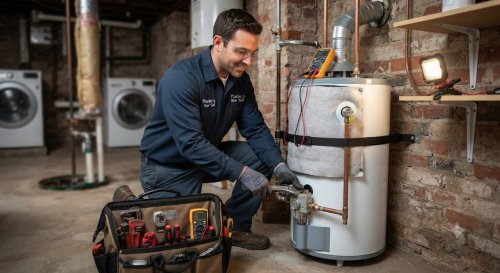
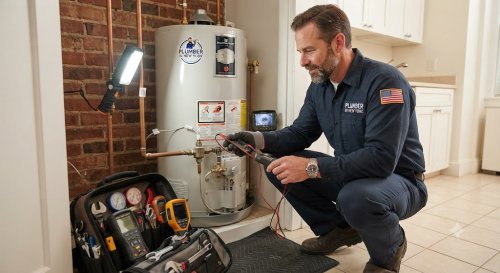
When basic observations do not resolve the issue, a professional plumber will use diagnostic tools like a multimeter to test the millivolt output of the thermocouple under heat load. This test definitively separates a failing thermocouple from a defective gas control valve.
Replacing a thermocouple is a routine repair, but modern gas water heaters often feature integrated electronic gas control valves (such as Honeywell or White-Rodgers smart valves) where components are modular. When evaluating repair versus replacement, consider the age of the water heater. Most standard tank water heaters have a useful service life of 8 to 12 years. Putting money into a costly gas control valve on an aging, corroded tank nearing the end of its lifespan is rarely cost-effective compared to installing a new unit.
Frequently Asked Questions
Can I relight my water heater pilot light myself?
Yes, most manufacturers provide step-by-step lighting instructions printed directly on the front of the tank. Always follow the manufacturer's specific sequence, including the mandatory waiting period if you smell residual gas, before attempting to ignite the flame.
Why does my pilot light stay lit for a few days and then go out?
An intermittent failure usually points to a thermocouple that is right on the edge of its operational threshold, a draft that only occurs under certain weather conditions, or thermal expansion issues where components lose electrical contact as the tank heats up.
Is a pilot light going out considered a dangerous emergency?
Modern water heaters feature safety shut-off devices that automatically stop the flow of gas if the flame goes out, minimizing the risk of gas accumulation. However, if you ever smell a strong, sulfur-like odor of raw gas that does not dissipate quickly, evacuate the area immediately and contact your utility provider or an emergency plumber.
How can hard water affect a gas water heater's operation?
While hard water minerals primarily cause scale buildup inside the tank and on lower heating elements in electric models, heavy mineral accumulation can occasionally lead to premature tank stress or sediment interference around the burner assembly in gas units over many years.