NYC Apartment Shower Drain Clogging? Expert Fixes & Tips
Discover why your NYC apartment shower drain keeps clogging. Learn causes, DIY safety, professional repair processes, and when to call a plumber.

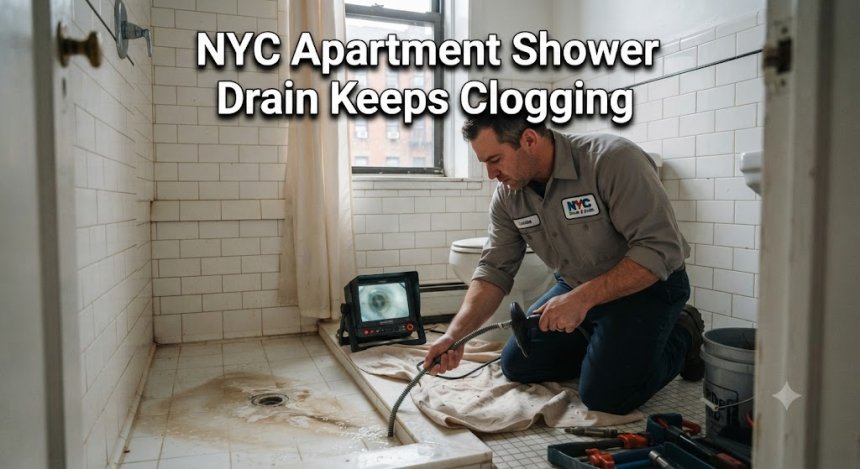
NYC Apartment Shower Drain Keeps Clogging: What Should You Do?
Introduction
Dealing with an NYC apartment shower drain keeps clogging issue can turn a relaxing morning routine into a stressful headache before you even leave for work. This frustrating problem is a frequent complaint for residents living in historic brownstones in Brooklyn, pre-war apartment buildings on the Upper West Side, and high-rise condominiums in Manhattan. It typically happens due to a combination of shedding hair, soap scum accumulation, hard water mineral deposits, and the unique, narrow cast-iron piping infrastructure found in many older New York City buildings. Addressing this recurring blockage quickly is vital because slow-draining water in a multi-story apartment building can rapidly back up into neighboring fixtures or leak through subfloors, leading to costly property damage and tenant disputes with your landlord or building management. Homeowners and renters actively search for solutions to this issue because chemical drain cleaners offer only temporary relief while slowly destroying aging plumbing networks.
What Is an NYC Apartment Shower Drain Keeps Clogging?
An NYC apartment shower drain keeps clogging refers to a persistent plumbing failure where water refuses to flow freely down the shower waste pipe, resulting in standing water pooling around your feet during every use.
-
Definition: A recurring obstruction within the shower trap or branch drain line that restricts or completely blocks wastewater drainage.
-
Common Situations: Standing ankle-deep in dirty soapy water while showering, or hearing a gurgling sound coming from the toilet or bathroom sink when the shower drains.
-
Symptoms: Water taking 10 minutes or more to recede after turning off the shower, foul moldy odors emanating from the drain opening, and intermittent black sludge bubbling up.
-
Examples: A tenant in a Chelsea co-op removing a handful of hair every week only to find the drain completely blocked again seven days later.
Why Does This Plumbing Problem Happen?
Persistent shower clogs are rarely caused by a single isolated event; rather, they are the result of compounding physical and environmental factors inside your building's plumbing network.
-
Aging Pipes and Corrosion: Many New York City apartments feature decades-old cast-iron or galvanized steel drain pipes. Over time, inner pipe walls corrode and become rough, creating a textured surface that catches hair and soap scum like Velcro.
-
Soap Scum and Body Oils: Traditional bar soaps contain animal fats and hard water minerals that react to form a sticky, waxy substance. This residue coats the interior of the drain trap and hardens into a rock-solid mass.
-
Hair Accumulation: Long hair combined with pet washing residue forms dense, fibrous mats that wrap tightly around cross-bars inside the drain assembly.
-
Building-Wide Venting Issues: In tall Manhattan and Queens residential towers, clogged or poorly designed roof plumbing vent stacks can create a vacuum effect, drastically slowing down gravity-fed drainage in individual units.
Signs You Should Never Ignore
-
Slow Draining: If your shower pan takes longer to empty each time you use it, the interior diameter of your pipe is shrinking due to buildup.
-
Gurgling Sounds: Air trapped behind a developing clog escapes through the drain or toilet, creating bubbling noises that indicate a deeper branch line blockage.
-
Foul Smells: Decaying organic matter, hair, and bacteria trapped in the slime layer emit sulfur or mildew odors into your bathroom.
-
Standing Water: Water that fails to clear between showers fosters dangerous mold growth and damages bathroom floor grout.
-
Backup in Other Fixtures: When a shower clog forces wastewater backward into your bathtub or bathroom sink, the obstruction has migrated into the main wet vent.
Common Plumbing Problems Related to This Issue
-
Branch Drain Clogs: Blockages extending deeper past the P-trap into the wall or subfloor pipes.
-
Main Sewer Line Backups: Complete system failures affecting multiple units in an apartment building.
-
Hidden Pipe Leaks: Cracked or joint-separated drain pipes caused by excessive pressure from rooter snakes.
-
Sewer Gas Leaks: Dry drain traps allowing toxic and foul-smelling sewer gases to enter living spaces.
-
Subfloor Water Damage: Rotting wooden subfloors and ruined drywall ceilings in the apartment directly below you.
Step-by-Step Professional Repair Process
-
Step 1 Inspection: The plumber inspects the shower trim, drain stopper mechanism, and visible piping.
-
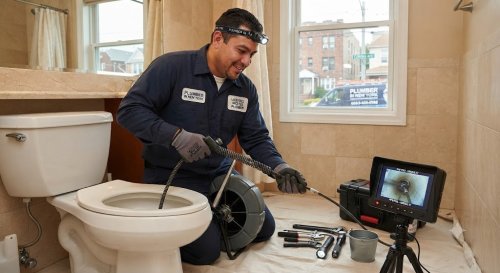
Step 2 Diagnosis: Using a high-resolution micro drain camera, the technician locates the exact nature and depth of the blockage.
-
Step 3 Estimate: The plumber provides a transparent, upfront pricing quote detailing the required labor and mechanical clearing methods.
-
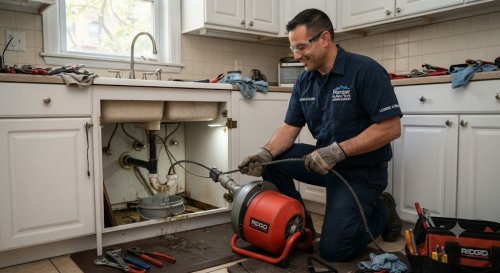
Step 4 Repair: The professional utilizes specialized commercial-grade augers or hydro jetting equipment to scour the pipe interior clean.
-
Step 5 Testing: Water is run continuously at high volume to ensure rapid, unobstructed drainage.
-
Step 6 Cleanup: The work area is thoroughly sanitized, leaving your bathroom spotless.
-
Step 7 Maintenance Advice: The technician offers tailored tips on preventing future clogs specific to NYC building codes.
Can You Fix It Yourself?
Homeowners and renters can safely attempt basic physical maintenance, such as removing the drain cover and manually pulling out visible hair clogs using a plastic zip-it tool or needle-nose pliers. You can also pour boiling water down metal pipes to melt minor soap buildup. However, you should avoid pouring caustic chemical liquid drain cleaners down NYC apartment drains, as these chemicals sit in old pipes, generate extreme heat, and eat through metal joints, causing catastrophic leaks. When a clog resists basic plunging or returns immediately after physical removal, DIY efforts become dangerous to your plumbing integrity, and you must call a licensed professional.
Tools Professionals Use
-
Drain Cameras: Flexible fiber-optic scopes that display the interior condition of pipes on a digital monitor.
-
Motorized Drum Augers (Snake): Heavy-duty steel cables with specialized cutting heads that bore through stubborn root and hair masses.
-
Hydro Jetting Machines: High-pressure water blasters operating at up to 4,000 PSI that scour pipe walls completely clean of grease and scale.
-
Infrared Leak Detectors: Thermal imaging tools used to identify hidden moisture behind walls and beneath bathroom floor tiles.
-
Pipe Locators: Electronic radio transmitters that pinpoint the exact surface location of underground or behind-the-wall blockages.
How Long Does the Repair Usually Take?
-
Simple Mechanical Snaking: 30 to 45 minutes for a straightforward hair and soap clog trapped near the P-trap.
-
Deep Branch Line Clearing: 1 to 2 hours if the blockage is located further down the line inside the wall or floor assembly.
-
Hydro Jetting Service: 2 to 3 hours for thorough scale removal and pipe scouring across complex building layouts.
-
Emergency Interventions: 1 to 4 hours depending on the severity of backups affecting multiple vertical stack lines.
Cost Factors
Plumbing repair costs vary depending on the severity of the problem, accessibility, materials required, emergency service, property type, and local labor rates.
-
Diagnostic Fees: Initial service call and inspection charges.
-
Labor Rates: Hourly or flat-rate pricing dictated by NYC market standards and licensing requirements.
-
Equipment Required: Specialized fees for hydro jetting or camera inspection units.
-
Accessibility: Difficulty in accessing tight crawlspaces, drop ceilings, or historic pipe chases in older buildings.
-
Permit Costs: Required filings if extensive wall or floor opening is necessary for pipe replacement.
Hidden Truths Homeowners Should Know
Ignoring a slow-draining shower in an NYC apartment building is a recipe for financial disaster. Small, localized clogs quickly transform into major backups that flood multiple rooms, ruining hardwood floors, rugs, and personal belongings. Cheap chemical drain solutions often mask symptoms while weakening pipe joints until they rupture unpredictably. Furthermore, cooperative and condominium boards in New York City hold individual unit owners financially responsible for water damage caused by neglected internal fixture maintenance. Implementing proactive strainers and scheduling annual professional drain cleanings saves hundreds of emergency repair dollars while preserving your building's shared infrastructure.
15 Common Mistakes Homeowners Make
-
Ignoring Slow Drains: Waiting until the tub completely overflows before taking action.
-
Using Chemical Drain Openers: Pouring harsh acid-based products that corrode metal piping.
-
Flushing Flushable Wipes: Disposing of wet wipes or paper towels that do not break down in municipal lines.
-
Pouring Grease Down Drains: Letting cooking oils congeal inside waste pipes.
-
Skipping Hair Catchers: Failing to install mesh screens over the shower drain opening.
-
Hiring Unlicensed Handymen: Using uninsured workers who lack proper NYC plumbing credentials.
-
Over-Tightening P-Traps: Cracking PVC or brass fittings beneath the fixture during DIY attempts.
-
Using the Wrong Snake Size: Inserting an undersized auger that twists and jams inside the pipe.
-
Ignoring Water Pressure Changes: Failing to investigate simultaneous pressure drops across the apartment.
-
Delaying Management Notification: Not informing your superintendent about building-wide stack issues.
-
Neglecting Overflow Plates: Allowing debris to accumulate around the tub overflow gasket.
-
Forcing Plungers Incorrectly: Pushing air violently against brittle, aged pipe connections.
-
Skipping Annual Inspections: Assuming hidden pipes require no routine preventative maintenance.
-
Disposing of Paint or Plaster: Washing home improvement residues down bathroom drains.
-
Failing to Check Grout Seals: Allowing shower water to seep unhindered directly into subfloor timber.
Maintenance Tips
-
Install a fine-mesh hair catcher over every shower and tub drain opening in your home.
-
Remove and clean the hair catcher weekly to prevent organic accumulation.
-
Flush your drains monthly with a mixture of baking soda, hot water, and white vinegar to neutralize grease and soap scum.
-
Run hot water down the shower drain for two minutes after every use to flush away lingering body oils.
-
Never pour coffee grounds, paint, oils, or food waste down bathroom plumbing fixtures.
-
Inspect caulking around the shower base and drain flange semi-annually to stop water migration.
-
Schedule a professional hydro jetting service every two to three years if you have multiple long-haired occupants.
-
Avoid using chemical drain cleaners entirely; opt for mechanical removal or enzymatic cleaners.
-
Check your bathroom sink and toilet drainage speeds monthly to catch main branch blockages early.
-
Educate all household members and guests on proper bathroom waste disposal habits.
-
Keep a heavy-duty cup plunger dedicated exclusively to bathroom fixture clearing.
-
Ensure your building superintendent periodically checks the main vertical roof vent stacks.
-
Replace degraded rubber gaskets and washers on drain stoppers before they leak.
-
Consider upgrading outdated brass or galvanized drain assemblies to smooth PVC pipes during renovations.
-
Keep the contact information of a trusted local plumber readily available for sudden emergencies.
When Should You Call an Emergency Plumber?
-
Complete Sewage Backups: Raw sewage bubbling up into your shower basin or bathtub.
-
Burst Supply Pipes: Sudden high-pressure water spewing behind bathroom walls or ceilings.
-
Uncontrolled Flooding: Water overflowing continuously without any ability to shut off the fixture source.
-
Total Loss of Drainage: Multiple fixtures in the apartment refusing to drain simultaneously, indicating a main stack failure.
-
Ceiling Collapse Risk: Sagging, water-logged drywall ceilings directly underneath your shower stall.
Frequently Asked Questions
-
Why is my water pressure suddenly low? Mineral buildup in aerators, closed shut-off valves, or municipal supply main repairs typically cause sudden pressure drops.
-
How much does leak detection cost? Leak detection pricing varies based on equipment used and the complexity of locating hidden water paths behind walls or slabs.
-
Can a clogged drain damage pipes? Yes, standing pressure and corrosive chemical cleaners can weaken pipe walls and cause structural cracks.
-
Is hydro jetting safe for old pipes? An experienced plumber must first inspect old pipes via camera to determine if hydro jetting pressure is safe for deteriorated materials.
-
How do I know if my sewer line is broken? Multiple slow drains, foul sewage odors, and wet patches in your yard or basement point toward a broken sewer line.
-
How long do water heaters last? Standard tank water heaters typically last between 8 to 12 years with proper annual flushing and anode rod replacement.
-
Why does my faucet drip? Worn-out rubber washers, damaged O-rings, or corroded valve seats inside the fixture cause persistent dripping.
-
What causes pipes to burst? Freezing winter temperatures, severe pipe corrosion, and excessive water pressure surges are the primary culprits.
-
Can plumbing leaks increase my water bill? Even a tiny hidden leak running continuously can waste thousands of gallons and dramatically spike your monthly utility bill.
-
When should I replace plumbing instead of repairing it? Replace plumbing systems when they suffer from widespread corrosion, frequent leaks, or are past their expected service life.