Troubleshooting Low Water Pressure in a Gilbert Home
Learn how to diagnose and troubleshoot low water pressure in your Gilbert, Arizona home. Identify local causes, safe checks, and when to call a plumber.
Diagnosing Low Water Pressure in Your Home
Experiencing a sudden drop in water pressure or a gradual weakening of your shower and faucet flow can make daily routines frustrating. When water pressure drops, it disrupts everything from washing dishes to operating washing machines. To fix the issue efficiently, you first need to determine whether the problem affects a single fixture, multiple fixtures throughout the house, or both hot and cold water supplies.
In Gilbert, Arizona homes, water pressure issues generally stem from a few predictable sources, ranging from localized mineral clogs to municipal supply fluctuations or failing pressure-reducing valves (PRVs). Pinpointing the exact cause prevents unnecessary repairs and ensures you take the right corrective action.
Single Fixture vs. Whole-House Pressure Drops
The first diagnostic step is establishing the scope of the problem. If only one faucet or showerhead has weak flow, the issue is almost certainly isolated to that specific fixture.
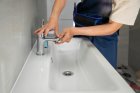
- Localized Clogs: Aerators on bathroom and kitchen faucets frequently collect mineral debris, sand, and scale. Unscrewing the aerator tip often reveals a screen packed with white or yellowish buildup, which restricts water flow even when the valve is fully open.
- Partially Closed Shut-Off Valves: Under-sink supply valves or toilet supply stops may have been bumped or partially closed during cleaning or maintenance. Check that these valves are turned completely counterclockwise into the open position.
- Cartridge Failures: Single-handle shower and sink faucets rely on internal ceramic or plastic cartridges. If internal seals fail or debris jams the cartridge ports, water volume drops significantly on either the hot or cold setting.
If multiple fixtures across the house experience low pressure simultaneously, the issue lies within the main water supply line, the home's main shut-off valve, or the pressure regulator.
The Role of the Pressure-Reducing Valve (PRV)
Most residential properties in Gilbert utilize a municipal water supply that enters the property at relatively high pressures. To protect household plumbing fixtures, appliances, and supply lines from bursting or leaking, a Pressure-Reducing Valve (PRV) is typically installed near the main water shut-off where the supply line enters the home.
When a PRV fails, it usually does so in one of two ways:
- Internal Spring Fatigue: Over years of service, the internal spring weakens or internal diaphragms tear, causing water pressure to drop drastically across the entire house.
- Debris Blockage: Mineral sediment or pipe scale can lodge inside the valve mechanism, preventing it from opening fully.
Homeowners can perform a basic test by attaching a simple water pressure gauge to an outdoor hose bib. Normal residential water pressure typically ranges between 50 and 70 pounds per square inch (psi). If your gauge registers significantly below 50 psi, and local municipal supply pressures are normal, a failing PRV or a partially closed main shut-off valve is a likely culprit.
Hard Water Mineral Buildup and Galvanized Piping
Gilbert's groundwater supply carries naturally occurring minerals, primarily calcium and magnesium. Over time, these minerals precipitate out of the water, especially as water is heated inside storage tank water heaters or recirculated through pipes.
While modern Gilbert homes utilize cross-linked polyethylene (PEX) or copper piping, older properties or homes with mixed-material retrofits may still contain galvanized steel pipes. Galvanized steel pipes are notoriously susceptible to internal mineral corrosion. As decades pass, calcium and rust scale build up inside the pipe walls, choking down the interior diameter until water volume and pressure drop to a trickle.
If you notice that hot water pressure is consistently lower than cold water pressure, the problem frequently resides inside the water heater itself or the hot water outlet pipe. Sediment accumulation at the bottom of a water heater tank can block the dip tube or restrict the outlet nipple, preventing adequate hot water volume from leaving the tank.
Practical Next Steps and Safe Checks
Before contacting a plumbing professional, you can safely perform several diagnostic checks:
- Check the Main Shut-Off: Locate your home's main water meter and street-side or exterior wall shut-off valve. Ensure the valve is turned completely parallel to the pipe, indicating a 100% open position. A valve left partially open after municipal work or landscaping repairs will choke flow to the entire home.
- Consult Neighbors: Ask immediate neighbors if they are experiencing similar pressure drops. If the municipal utility is performing maintenance, flushing mains, or repairing a water main break in your neighborhood, municipal pressure will drop temporarily for the entire street.
- Clean Aerators and Showerheads: Soak removable faucet aerators and showerheads in a mild vinegar solution to dissolve mineral scale, then rinse thoroughly before reinstallation.
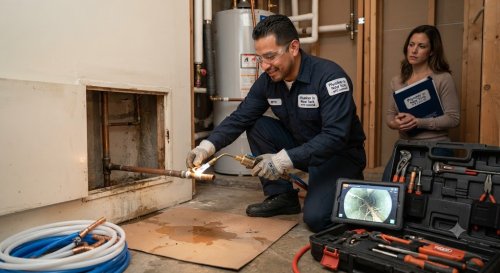
If these basic checks do not resolve a whole-house pressure issue, or if testing reveals a defective PRV, professional intervention is necessary. Adjusting or replacing a PRV requires specialized gauges, precise calibration, and sometimes pipe cutting, which falls outside standard homeowner maintenance.
Frequently Asked Questions
Can a water softener cause low water pressure?
Yes. If a water softener's internal control valve becomes clogged with sediment, or if the resin bed becomes channeled or fouled with iron and debris, water passing through the system experiences a severe pressure drop. Inspecting the softener's bypass valve can help determine if the unit is restricting flow.
Why is my water pressure low only during certain times of the day?
If pressure drops noticeably during morning and evening peak hours, it is often due to high municipal demand across your neighborhood. However, if the drop coincides with the irrigation system turning on, it may indicate that your landscape watering system is improperly tied into the domestic supply without an adequate pressure-compensating design.
Is low water pressure harmful to my home plumbing?
Low water pressure itself does not typically cause pipe bursts, but it can cause appliances like washing machines and dishwashers to malfunction, overheat their fill valves, or fail prematurely because they cannot draw enough water within their timed cycles.
How do I know if my water pressure regulator needs replacement?
If adjusting the adjustment bolt on top of the PRV does not change the reading on your pressure gauge, or if the pressure fluctuates wildly between extreme highs and lows, the internal components have likely failed, requiring complete valve replacement.