Brown Water From NYC Apartment Faucet: Causes & Fixes
Discover why brown water comes from your NYC apartment faucet, what causes it, health risks, temporary fixes, and when to call a licensed plumber.

Brown Water From a NYC Apartment Faucet: What Does It Mean?
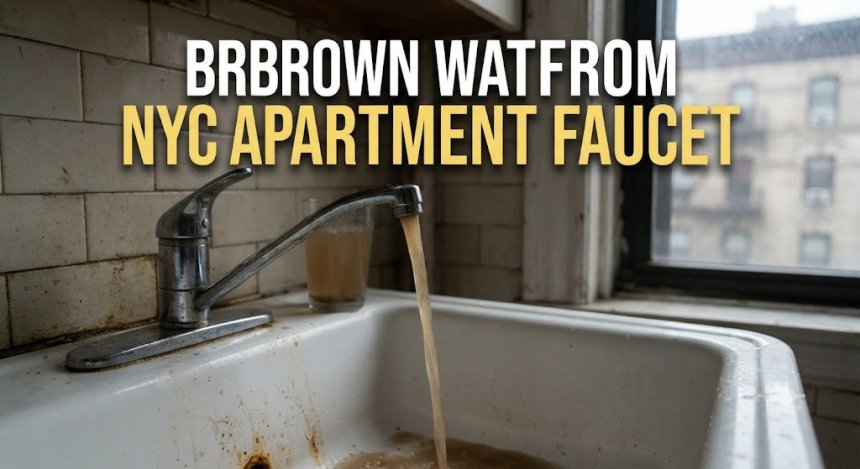
Encountering brown water from a NYC apartment faucet can be an alarming experience for any tenant or property owner across Manhattan, Brooklyn, Queens, the Bronx, or Staten Island. This plumbing anomaly typically affects urban residents living in older pre-war buildings, walk-ups, and even modern high-rises undergoing local municipal water main work. Water that usually runs crystal clear suddenly turns a murky amber, yellow, or deep rust-brown color, rendering it unappealing for drinking, cooking, or bathing.
This issue frequently happens due to loose sediment, oxidized iron flaking off aging interior pipe walls, or sudden changes in pressure from city mains that stir up mineral deposits. Immediate attention is often important because discolored water can indicate severe internal pipe corrosion, failing building infrastructure, or localized water contamination. Homeowners and renters search for this topic to determine whether the problem stems from city infrastructure, building-wide piping, or their specific apartment fixtures, and to learn how to safely restore clean water access.
What Is Brown Water From an Apartment Faucet?
Brown water from a tap refers to domestic water supply contamination caused primarily by suspended rust, iron sediment, dirt, or manganese particles flowing through the plumbing lines.
-
Common Situations: Residents often notice this issue first thing in the morning after the water has sat stagnant in the pipes overnight, or immediately after the New York City Department of Environmental Protection (DEP) flushes nearby fire hydrants or repairs street water mains.
-
Symptoms: Water may emerge looking slightly yellowish, tea-colored, thick brown, or carrying visible particulate matter and sediment flakes that settle at the bottom of a glass.
-
Examples: Turning on a bathroom sink faucet in an Upper West Side brownstone and watching muddy brown liquid rush out for thirty seconds, or finding reddish-brown stains accumulating rapidly around your bathtub drain and porcelain fixtures.
-
Why It Happens: Water molecules and oxygen interact with unprotected metal surfaces inside iron or galvanized steel pipes, creating iron oxide (rust). When water velocity shifts, these accumulated flakes break loose and travel directly to your open tap.
Why Does This Plumbing Problem Happen?
Discolored tap water rarely occurs without a physical trigger within the local water distribution network or private building plumbing.
-
Aging Pipes: Many New York City residential buildings rely on decades-old galvanized steel or iron supply lines that degrade internally over time. As the protective zinc coating wears away, bare iron is exposed to continuous water flow, generating heavy rust buildup.
-
Municipal Main Disturbance: ConEd utility work, street excavations, or DEP fire hydrant flushing create massive pressure fluctuations in city mains. These sudden surges scour mineral deposits from municipal lines and push them directly into building service lines.
-
Corrosion: Chemical reactions between water chemistry and metallic pipes accelerate interior wall degradation, thinning the pipe walls and shedding debris into your drinking water supply.
-
Water Heater Sediment: Water heaters accumulate minerals, sand, and lime at the bottom of the storage tank over years of operation. If the tank corrodes or gets stirred up, it discharges rusty, discolored water specifically through hot water taps.
-
Closed Valve Manipulation: Partially closed main shut-off valves or malfunctioning pressure-reducing valves (PRVs) create turbulence, breaking loose scale and sediment trapped in elbows and tees throughout the plumbing system.
Signs You Should Never Ignore
Discolored water is often a precursor to catastrophic plumbing failures. Recognizing early warning signs protects your property from extensive water damage.
-
Low Water Pressure: A sudden drop in flow rate indicates heavy mineral scaling, pipe collapse, or a major hidden leak restricting water volume.
-
Damp Walls and Ceiling Stains: Discolored moisture spots on drywall suggest a slow, hidden pipe leak eroding structural framing behind your walls.
-
Strange Bumping or Whistling Noises: Banging pipes (water hammer) or whistling shut-off valves point to loose mounting straps, trapped air, or severe mineral blockages constricting flow.
-
Frequent Fixture Clogging: Aerators clogged repeatedly with reddish-brown grit indicate that rust particles are continuously migrating through your supply lines.
-
Foul Odors: A metallic or sulfur-like smell accompanying brown water signals severe bacterial growth inside a neglected water heater or advanced pipe corrosion.
Common Plumbing Problems Related to This Issue
Brown water rarely exists in isolation; it usually points to a broader network of degrading infrastructure within the building or unit.
-
Pipe Leaks: Corroded pipes that shed rust internally are dangerously thin and prone to pinhole leaks beneath sinks or inside walls.
-
Water Heater Failures: Rust in hot water lines often originates from a deteriorating glass-lined steel tank nearing the end of its 10-to-12-year lifespan.
-
Burst Pipes: Freezing winter temperatures in poorly insulated NYC crawlspaces or exterior walls can rupture brittle, rusted pipes, leading to indoor flooding.
-
Fixture and Appliance Damage: Sediment-heavy water clogs washing machine inlet valves, dishwasher screens, and ceramic faucet cartridges prematurely.
Step-by-Step Professional Repair Process
When homeowners in NYC contact a professional team like Plumber in New York City, licensed technicians execute a systematic evaluation to isolate and permanently resolve the root cause of discolored water.
-
Step 1: Visual and System Inspection: The plumber inspects all accessible building supply lines, shut-off valves, and point-of-use fixtures to determine if the issue is isolated to a single faucet or affects the entire apartment.
-
Step 2: Diagnostic Testing: Technicians test water samples for iron content, turbidity, and pH levels, and utilize pressure gauges to evaluate incoming municipal pressure versus building distribution pressure.
-
Step 3: Transparent Estimate: The plumber provides a detailed, upfront written estimate outlining the necessary repairs, replacement parts, labor scope, and expected timeline without hidden fees.
-
Step 4: Targeted Repair or Replacement: Depending on findings, the technician flushes the water heater tank, replaces deteriorated galvanized nipples, installs modern PEX or copper piping, or installs whole-home filtration systems.
-
Step 5: System Testing: After completing the repair, the plumber opens all fixtures to thoroughly flush remaining sediment and verifies crystal-clear water flow and optimal pressure.
-
Step 6: Worksite Cleanup: Technicians sanitize the work area, remove all old debris, and leave your kitchen or bathroom spotless.
-
Step 7: Maintenance Advice: The plumber explains preventative measures, filter replacement schedules, and best practices to keep your NYC apartment water pristine.
Can You Fix It Yourself?
While some causes of brown water are temporary municipal issues, homeowners must know when DIY steps are safe and when professional intervention is mandatory.
-
Safe DIY Solutions: If brown water appears after municipal street work, you can safely let your cold water tap run for 3 to 5 minutes to flush out loosened sediment. You can also unscrew and clean the aerator screen at the tip of your faucet spout.
-
Temporary Fixes: Installing a faucet-mounted carbon filter or a whole-apartment sediment filter can trap particulate matter temporarily while you investigate the source.
-
When DIY Becomes Dangerous: Attempting to cut into pressurized building supply lines, modifying main building shut-off valves without landlord or HOA approval, or ignoring persistent structural rust risks major flooding and costly liability.
-
When Professional Plumbing is Necessary: If brown water persists for more than a day, affects multiple units, or is accompanied by leaks, low pressure, or foul odors, you must call a licensed professional immediately.
Tools Professionals Use
Modern plumbing requires advanced diagnostic equipment to locate and resolve water quality issues accurately without unnecessary demolition.
-
Drain and Pipe Inspection Cameras: Waterproof fiber-optic micro-cameras inserted into supply lines to visually inspect interior pipe corrosion, cracks, and blockages.
-
Acoustic Leak Detectors: High-frequency listening devices that pinpoint hidden pipe leaks behind walls or beneath concrete slab floors.
-
Hydro Jetting Equipment: High-pressure water stream systems designed to scour stubborn mineral scale, grease, and debris from heavy-duty plumbing lines.
-
Digital Manometers and Pressure Testers: Precision tools used to measure exact water pressure dynamics and identify restrictive clogs or failing pressure-reducing valves.
-
Pipe Locators: Electromagnetic tracking tools that trace buried or in-wall piping routes with pinpoint accuracy.
How Long Does the Repair Usually Take?
Repair timelines vary widely based on the complexity and scope of the underlying plumbing failure within your property.
-
Simple Repairs: Flushing a water heater or replacing a corroded faucet aerator and supply line typically takes 30 minutes to 1 hour.
-
Moderate Repairs: Replacing a failing pressure-reducing valve or swapping out sectioned galvanized pipes under a sink takes 2 to 4 hours.
-
Major Repairs: Rewiping a bathroom or replacing building-wide vertical risers in an NYC apartment can take 1 to 3 days, depending on wall access.
-
Emergency Repairs: Immediate emergency shut-off, pipe patching, or burst pipe mitigation generally requires 1 to 3 hours for stabilization.
Cost Factors
Understanding what drives plumbing service costs helps property owners budget effectively for necessary repairs and upgrades.
-
Diagnostic Fees: Initial service call fees cover travel time and expert troubleshooting to identify the exact source of water discoloration.
-
Parts and Materials: The cost of upgrading from aging galvanized iron to durable copper or cross-linked polyethylene (PEX) piping.
-
Labor Rates: Professional labor costs in the New York City metropolitan area reflect specialized licensing, insurance, and urban logistics.
-
Emergency Service Charges: After-hours, weekend, or holiday dispatches incur standard emergency premiums for rapid mobilization.
-
Accessibility: Pipes hidden behind lath-and-plaster walls, tiled bathrooms, or cramped utility chases require extra labor for safe access and restoration.
-
Permit and Compliance Costs: NYC Department of Buildings (DOB) permits may be required for major plumbing overhauls and repiping projects.
Note on Cost Variables: Plumbing repair costs vary depending on the severity of the problem, accessibility, materials required, emergency service, property type, and local labor rates.
Hidden Truths Homeowners Should Know
Navigating property ownership or tenancy in New York City requires awareness of common plumbing realities that many residents overlook until disaster strikes.
-
Small Leaks Become Expensive Repairs: A slow, unnoticed drip behind a wall rots wooden studs, invites carpenter ants, and spawns massive mold colonies over time.
-
Cheap Temporary Fixes Often Fail: Wrapping duct tape or rubber patches over corroded, high-pressure pipes is a recipe for a catastrophic midnight blowout.
-
Insurance May Not Cover Neglected Plumbing: Standard homeowner and renter insurance policies frequently deny claims if water damage stems from long-term, unaddressed maintenance neglect.
-
Tree Roots Can Repeatedly Damage Sewer Lines: In outer borough neighborhoods with mature street trees, invasive roots crush fragile exterior lateral lines, backing up wastewater.
-
Hard Water Shortens Fixture Lifespan: High mineral content in municipal supplies coats heating elements and erodes internal seals in dishwashers, washing machines, and water heaters.
-
DIY Mistakes Increase Repair Costs: Cross-threading fittings or over-tightening brass connectors often strips delicate threads, turning a simple washer replacement into a major pipe rebuild.
-
Delaying Repairs Causes Structural Damage: Water migration rots subflooring and compromises structural load-bearing elements in multi-story buildings.
-
Hidden Leaks Increase Utility Bills: Unseen running toilets or pinhole leaks waste thousands of gallons monthly, driving up municipal water and electric bills.
-
Mold Develops Quickly: Moisture accumulation combined with warm indoor temperatures allows toxic mold to colonize drywall within 24 to 48 hours.
-
Annual Maintenance Saves Money: Routine annual inspections by a licensed plumber catch minor wear before it escalates into an expensive emergency.
15 Common Mistakes Homeowners Make
-
Ignoring Minor Leaks: Brushing off a slow faucet drip or minor dampness allows structural rot to spread silently behind walls.
-
Using Chemical Drain Cleaners: Pouring harsh liquid acids down drains eats away at older metal pipe interiors, accelerating leaks and pipe failures.
-
Flushing Wipes: Flushing "flushable" wipes down NYC toilets clogs main sewer stacks, causing severe sewage backups in lower-floor apartments.
-
Pouring Grease Into Drains: Liquid cooking fats solidify inside cold pipe walls, trapping debris and creating impenetrable blockages.
-
Ignoring Water Pressure Problems: Failing to investigate sudden pressure drops lets mineral scale build up until pipes seize completely.
-
Hiring Unlicensed Plumbers: Working with uninsured handymen often leads to substandard work that violates NYC building codes and voids insurance coverage.
-
Skipping Annual Maintenance: Neglecting yearly water heater flushes and valve checks shortens the operational life of vital plumbing appliances.
-
Waiting Until Emergencies: Postponing service until a pipe bursts guarantees higher emergency repair bills and extensive property damage.
-
Using Wrong Pipe Materials: Mixing incompatible metals (like copper and galvanized steel directly) triggers galvanic corrosion, causing rapid pipe failure.
-
Over-Tightening Plumbing Fittings: Applying excessive torque to threaded connections cracks PVC, brass, and porcelain fixtures.
-
Failing to Locate Main Shut-Offs: Panicking during a leak because family members do not know where or how to turn off the water main.
-
Neglecting Outdoor Hose Bibs: Leaving exterior spigots uninsulated during freezing New York winters causes supply lines to freeze and burst internally.
-
Ignoring Water Meter Spikes: Failing to track monthly water bill anomalies that clearly indicate hidden underground or in-wall leaks.
-
Discarding Maintenance Records: Losing track of past repair dates, filter changes, and appliance warranties complicates future troubleshooting.
-
Attempting Complex Gas Repairs: Trying to service gas-powered water heaters or lines independently, risking dangerous gas leaks and explosions.
Maintenance Tips
Implementing consistent upkeep routines prevents premature plumbing degradation and ensures clean, safe water throughout your home.
-
Flush your water heater tank once a year to remove accumulated mineral sediment and rust flakes.
-
Inspect under all kitchen and bathroom sinks monthly for early signs of moisture, rust, or weeping joints.
-
Clean faucet aerator screens every six months to maintain strong flow and catch trapped mineral grit.
-
Test your main water shut-off valve annually to ensure it turns smoothly and completely stops water flow.
-
Install whole-house sediment and carbon water filters to protect appliances and trap rust particles before they reach your taps.
-
Avoid pouring coffee grounds, eggshells, and fibrous vegetable peels down kitchen garbage disposals.
-
Never pour chemical drain openers into sluggish lines; use mechanical snakes or call a professional instead.
-
Monitor your water utility bills for unexplained usage increases that signal hidden leaks.
-
Insulate exposed water supply pipes in unheated basements, garages, or exterior walls before winter arrives.
-
Schedule a professional plumbing inspection every two years if your building is over 40 years old.
-
Replace flexible braided steel water supply lines feeding toilets and washing machines every 5 to 7 years.
-
Keep sink and tub drain stoppers free of hair and soap scum buildup to maintain optimal drainage.
-
Educate all household members on the exact location of emergency water and gas shut-off valves.
-
Avoid hanging heavy items or storage boxes on exposed basement plumbing pipes and waste stacks.
-
Flush rarely used guest bathroom toilets and run sinks weekly to keep drain traps filled and prevent sewer gases from entering living spaces.
When Should You Call an Emergency Plumber?
Certain plumbing failures require immediate, round-the-clock professional intervention to protect your property from catastrophic ruin.
-
Burst Pipes: Sudden pipe ruptures flood living spaces within minutes, requiring immediate main water shut-off and emergency pipe replacement.
-
Sewage Backups: Wastewater overflowing from toilets, bathtubs, or floor drains presents severe biohazard risks and requires immediate mechanical clearing.
-
No Running Water: Complete loss of water supply to your apartment often indicates a major main break or valve failure requiring professional diagnosis.
-
Overflowing Toilets: A toilet that refuses to stop running or overflowing threatens to damage subfloors and ceilings in units below.
-
Major Water Leaks: Uncontrollable pipe spraying or major structural leaks demand instant emergency mitigation to prevent electrical hazards and mold growth.
-
Flooding: Standing water pooling from unknown interior sources requires professional extraction and leak isolation.
Frequently Asked Questions
Why is my water pressure suddenly low? Sudden low water pressure typically results from a partially closed shut-off valve, a failing pressure-reducing valve, mineral scale buildup inside aging pipes, or a municipal main break in your neighborhood.
How much does leak detection cost? Leak detection costs vary depending on the equipment needed, property size, and whether the leak is easily accessible or hidden behind walls or beneath concrete slabs. Contact us for a transparent estimate.
Can a clogged drain damage pipes? Yes. Severe clogs put intense hydrostatic pressure on pipe joints, and chemical drain cleaners generate corrosive heat that degrades metal and PVC pipe walls over time.
Is hydro jetting safe for old pipes? Hydro jetting requires an initial camera inspection by a licensed professional. If pipes are severely corroded or compromised, traditional snaking or sectional replacement may be recommended instead.
How do I know if my sewer line is broken? Warning signs of a broken sewer line include multiple slow drains throughout your home, foul sewage odors indoors or in the yard, gurgling toilets, and soggy patches on your lawn.
How long do water heaters last? Standard tank water heaters typically last between 8 to 12 years. Regular annual flushing and anode rod replacement can help maximize their operational lifespan.
Why does my faucet drip? A dripping faucet is usually caused by a worn-out rubber washer, degraded O-ring, damaged valve seat, or mineral buildup inside the faucet cartridge requiring cleaning or replacement.
What causes pipes to burst? Pipes commonly burst due to freezing winter temperatures that cause trapped water to expand, severe internal corrosion that thins metal walls, or excessive water pressure.
Can plumbing leaks increase my water bill? Yes. Even a small, silent toilet flapper leak or minor pinhole leak can waste hundreds of gallons of water daily, causing a dramatic spike in your monthly utility bill.
When should I replace plumbing instead of repairing it? You should consider replacing plumbing when pipes suffer from chronic pinhole leaks, extensive rust corrosion, widespread aging (galvanized pipes over 50 years old), or repeated costly repairs.