Emergency Plumber Bushwick | Sewer Line Backup Repair
Sewer backing up in Bushwick, Brooklyn? Learn emergency steps, repair costs, underlying causes, and when to call a licensed local plumber immediately.

Emergency Plumber in Bushwick: What to Do When Your Sewer Line Backs Up
Few household disasters match the panic of walking into your basement or ground-floor bathroom only to find dark, foul-smelling wastewater bubbling up through the floor drain or toilet. A main sewer line backup is a high-priority health and safety emergency that can bring your entire home or business to an immediate standstill.
In vibrant Brooklyn neighborhoods like Bushwick—where converted industrial lofts, multi-family row houses, and historic brownstones sit side by side—sewer line backups occur far more frequently than many residents realize. Heavy usage, aging municipal pipe connections, dense tree canopy growth, and overloaded drainage stacks all contribute to sudden main line failures.
When wastewater reverses direction and flows back into your living space, knowing how to react within the first few minutes is crucial. This complete guide explains what causes sewer backups in Bushwick, what immediate steps you must take to protect your family and property, how licensed plumbers resolve main line blockages, and how to prevent costly future backups.
What Is a Sewer Line Backup?
A sewer line backup happens when the primary underground lateral pipe—the main drain pipe that carries all wastewater from your toilets, sinks, showers, and laundry out to the city sewer main—becomes completely blocked or structurally compromised.
Because wastewater can no longer travel outward to the municipal system under street level, it follows the path of least resistance. It flows backward and rises out of the lowest plumbing fixtures in your building, such as basement floor drains, ground-floor toilets, shower basins, and laundry tubs.
Unlike a simple localized sink drain clog that affects a single room, a main sewer line failure affects every fixture in your property simultaneously. Running water anywhere on an upper floor will immediately push raw sewage out of lower-level drains.
Why Does a Sewer Line Backup Happen in Bushwick, Brooklyn?
Bushwick's unique architectural mix and mature infrastructure present specific vulnerabilities that lead to main sewer line failures.
1. Tree Root Intrusion
Bushwick’s tree-lined streets add beauty to the neighborhood, but underground, tree roots constantly search for moisture and nutrients. Older clay, cast iron, or concrete sewer pipes feature microscopic cracks or unsealed joints. Tree roots enter these tiny openings and thrive inside the pipe, forming dense, web-like mats that catch toilet paper and solid waste until the pipe is completely sealed off.
2. Aging and Corroded Sewer Piping
Many historic multi-family homes in Bushwick still rely on original cast iron or clay sewer lines installed decades ago. Over time, cast iron corrodes internally, developing rough ridges ("scale") that snag debris. Clay pipes gradually crack under ground movement, heavy street traffic, and freeze-thaw cycles, eventually collapsing in places.
3. Grease and "Flushable" Wipe Accumulation
The daily habits of building occupants play a huge role in main drain health. Pouring fats, oils, and grease (FOG) down kitchen sinks coats the inner pipe walls with a sticky layer that hardens over time. Combined with non-biodegradable products—such as baby wipes, paper towels, facial tissues, and hygiene products erroneously labeled "flushable"—this creates massive "fatbergs" inside the lateral line.
4. Heavy Rain and Municipal Stormwater Overload
New York City features combined sewer systems where domestic wastewater and storm runoff flow through the same underground infrastructure. During intense summer downpours or heavy rainstorms, municipal main lines under street level can become completely surcharged. When city mains overflow, storm runoff mixed with wastewater can push backward into low-lying private property basements.
5. Pipe Sagging or "Bellies"
Over time, shifting soil beneath your property or structural settling can cause a section of your underground sewer pipe to sink, creating a low spot known as a "belly." Water and solids collect in this low dip instead of flowing down toward the main, causing repeated blockages even if the pipe itself isn't broken.
Warning Signs You Should Never Ignore
Main sewer lines rarely clog instantly without warning. Watch for these progressive signs of a developing blockage:
| Warning Sign | Underlying Plumbing Cause | Action Needed |
| Gurgling Sounds from Toilets | Air trapped in main line escaping through fixtures | Inspect main drain line |
| Water Rising in Shower When Flushing | Wastewater taking path of least resistance | Stop using water; check cleanout |
| Multiple Slow Drains Across House | Main sewer line restriction below junction points | Schedule camera inspection |
| Foul Sewer Gas Odors in Basement | Dry floor drain traps or cracked sewer stacks | Refill traps; check for cracks |
| Soggy, Extremely Green Lawn Patches | Underground sewer pipe crack leaking nutrient water | Call plumber for leak locating |
| Recurring Backups After Clearing | Structural pipe failure, sag, or root infestation | Video line inspection required |
Common Plumbing Problems Related to Sewer Backups
When your main sewer line breaks down, secondary issues develop rapidly:
-
Foundation and Subfloor Damage: Untreated sewage resting on basement concrete or wood subfloors leads to deep saturation, structural rot, and expensive remediation.
-
Fixture and Pipe Stress: Severe pressure buildup inside locked drain stacks can rupture older pipe joints inside walls.
-
Contamination of Water Supplies: Surcharged wastewater near cracked supply lines presents dangerous cross-contamination risks.
-
Biohazard and Mold Exposure: Sewage contains harmful pathogens, bacteria (E. coli, Salmonella), and viruses. Mold colonies begin growing on damp organic materials within 24 to 48 hours.
Immediate Emergency Steps: What to Do When Sewage Backs Up
If wastewater starts backing up into your Bushwick property, act quickly to reduce health risks and structural damage:
-
Stop Using All Water Immediately: Do not flush toilets, run faucets, use the dishwasher, or run the washing machine. Every drop of water sent down any drain will emerge out of your lowest basement fixture.
-
Avoid Direct Contact with Wastewater: Wear heavy rubber boots, gloves, and protective eyewear. Raw sewage contains hazardous biological contaminants.
-
Keep Children and Pets Away: Isolate affected rooms and keep family members out of the contaminated area.
-
Shut Off Electricity if Flooding Occurs: If standing sewage reaches electrical outlets, floor wiring, or basement appliances, turn off the electrical power to those circuits at the main panel from a completely dry area.
-
Open Windows for Ventilation: Improve air circulation to reduce sewer gas buildup, provided it is safe to do so.
-
Call a Licensed Emergency Plumber: Reach out immediately to a qualified local Brooklyn plumbing service experienced in main drain clearing and camera diagnostics.
Step-by-Step Professional Repair Process
Handling a main sewer line emergency requires commercial equipment and licensed expertise. Here is how a master plumber resolves the problem:
-
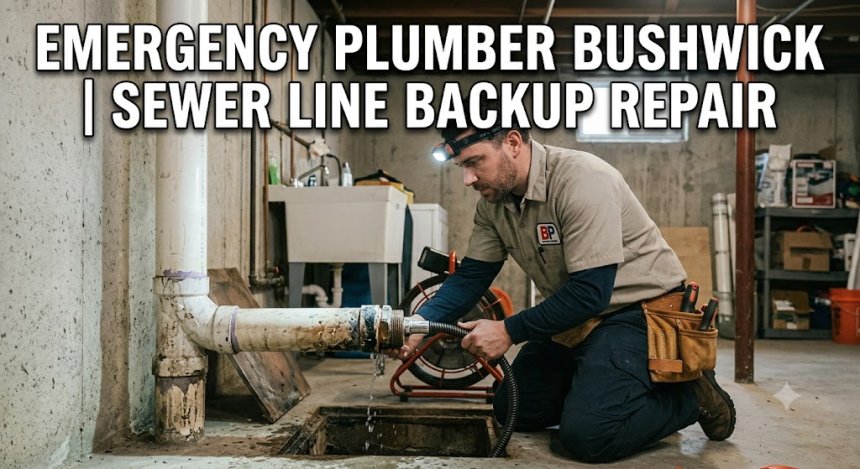
Step 1: Emergency Access & Pressure Relief: The plumber locates your main sewer cleanout fitting—usually a threaded cap on a large pipe near the front basement wall or outside the foundation—and carefully opens it to relieve backpressure safely.
-
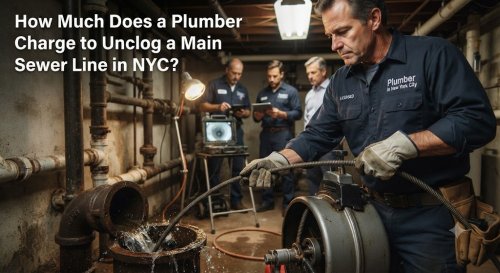
Step 2: Video Camera Inspection: A specialized waterproof, high-resolution camera attached to a push-cable is inserted into the line. This allows the plumber to see the exact location, depth, and nature of the blockage (e.g., dense roots, grease, broken pipe, collapsed clay tile).
-
Step 3: Mechanical Clearing or Hydro Jetting:
-
Sewer Snakes / Augers: Flexible steel cables with heavy cutting heads chew through solid root masses and toilet paper clogs.
-
Hydro Jetting: High-pressure water streams (up to 4,000 PSI) blast away thick grease, heavy scale, and root intrusions, scouring inner pipe walls back to their original diameter.
-
-
Step 4: Structural Repair or Replacement (If Broken): If the camera reveals a collapsed or cracked pipe, the plumber presents repair options:
-
Trenchless Pipe Lining (CIPP): Inserting an epoxy-saturated sleeve inside the existing pipe that hardens into a brand-new, jointless interior wall without digging up your basement floor or sidewalk.
-
Traditional Excavation: Digging up a damaged section to replace it with modern Schedule 40 PVC piping.
-
-
Step 5: Verification Testing: A second camera pass confirms the line is completely clear, intact, and flowing freely toward the city connection.
-
Step 6: Sanitization & Preventative Installation: The technician offers advice on installing a Backwater Valve to prevent future municipal street surges from entering your property.
Can You Fix It Yourself? (DIY vs. Professional Plumbing)
Handling a main sewer line backup is not a safe DIY project.
Safe DIY Steps
-
Stopping All Water Usage: Turning off the main water shutoff handle to prevent accidental water use by family members or tenants.
-
Cleaning Dry Contaminated Surfaces: Disinfecting non-porous floor areas using approved chlorine-bleach solutions while wearing full protective gear.
When DIY Is Dangerous
-
Using Consumer Chemical Drain Cleaners: Pouring bottles of caustic chemical drain openers into a backed-up main line is useless and dangerous. The chemical sits on top of standing wastewater without reaching the obstruction feet away, filling your basement drains with hazardous acid that can burn plumbers during mechanical clearing.
-
Renting Industrial Drain Snakes Without Training: High-torque commercial sewer cables can twist back on themselves inside large pipes, snapping hands, shattering cast iron, or getting permanently stuck inside underground lines.
-
Ignoring Health Risks: Exposure to biohazardous wastewater without professional protective equipment can cause serious skin infections and respiratory illness.
Specialized Tools Professionals Use
Resolving severe sewer line failures requires industrial-grade machinery:
-
High-Definition Sewer Inspection Cameras: Provide real-time video footage and precise depth readings of underground pipe damage.
-
Hydro Jetting Units: Commercial high-pressure water systems engineered to strip grease, scale, and heavy root buildup from main drain pipes.
-
Sewer Line Locators: Electromagnetic transmitters attached to camera heads that map out the exact path and depth of buried lines beneath concrete or soil.
-
Commercial Continuous-Cable Snakes: Powered motorized augers equipped with hardened steel root cutters designed for 4-inch to 6-inch main sewer pipes.
How Long Does Main Sewer Line Repair Take?
Repair timelines depend on the severity and depth of the failure:
-
Standard Mechanical Snaking (1–2 Hours): Clearing a simple root or paper clog through an accessible basement cleanout.
-
Hydro Jetting & Camera Inspection (2–4 Hours): Deep-cleaning grease-choked lines, removing scale, and performing complete diagnostic video sweeps.
-
Trenchless Pipe Relining (1 Day): Inserting and curing a new epoxy pipe liner within an existing damaged line.
-
Open Excavation Repair (1–3 Days): Digging through basement concrete slab or sidewalk pavement to replace collapsed cast iron or clay pipes.
Cost Factors in Sewer Line Repairs
Plumbing repair costs vary depending on the severity of the problem, accessibility, materials required, emergency service timing, property type, and local labor rates.
Key factors that determine total repair expenses include:
-
Diagnostic & Camera Fees: The equipment and labor required to conduct a thorough video camera inspection.
-
Method of Clearing: Basic cable augering requires less specialized equipment than heavy-duty commercial hydro jetting.
-
Location and Depth of the Blockage: Blockages situated beneath finished basement floors or out under public sidewalks require more labor than exposed lines.
-
Emergency Call-Out Timing: After-hours, weekend, or holiday response times involve distinct emergency dispatch rates.
-
Excavation and Permit Costs: Replacing broken pipe segments under municipal sidewalks requires city street-opening permits, sidewalk restoration, and heavy machinery.
Hidden Truths Homeowners Should Know
-
Small Drain Sluggishness Precedes Major Floods: A slow basement floor drain is rarely just a minor nuisance; it is usually the first indicator that your entire main drain is constricting.
-
Cheap Snake Jobs Don't Fix Tree Roots: Simply poking a small hole through a root mass with a basic cable provides short-term relief. Roots will regrow and cause another severe backup within months unless hydro-jetted or repaired.
-
Standard Homeowners Insurance May Exclude Sewer Backups: Most standard insurance policies do not automatically cover water damage caused by sewer backups unless you have added a specific "Water Backup and Sump Overflow" endorsement rider.
-
Chemical Cleaners Destroy Metal Pipes: Pouring harsh acid drain openers repeatedly into older cast iron pipes accelerates corrosion, thinning pipe walls until they collapse underground.
-
Backwater Valves Are Essential Protections: Installing a heavy-duty backwater valve on your main line acts as a one-way check valve, keeping city sewer surcharges out during flash floods.
15 Common Mistakes Homeowners Make
-
Ignoring Minor Gurgling Sounds: Dismissing bubbling toilets until sewage overflows into basement floor drains.
-
Pouring Cooking Oil and Grease Down the Sink: Allowing hot cooking fats to cool and solidify inside underground sewer pipes.
-
Flushing So-Called "Flushable" Wipes: Disposing of synthetic wipes that do not break down in water like standard toilet paper.
-
Flushing Feminine Hygiene Products and Paper Towels: Sending thick cotton or paper fibers down drains, creating solid dams inside main pipes.
-
Using Caustic Chemical Cleaners on Main Lines: Creating hazardous standing pools of acid water without clearing the blockage.
-
Continuing to Use Water During a Backup: Running upstairs showers or washing machines while basement drains are overflowing.
-
Planting Deep-Rooted Trees Near Sewer Lines: Installing willow, oak, or maple trees directly over known sewer pipe pathways.
-
Hiring Unlicensed Handymen for Main Line Work: Entrusting complex underground infrastructure to uninsured contractors.
-
Skipping Post-Clearing Camera Inspections: Failing to inspect the pipe after clearing a clog to check for underlying structural cracks.
-
Planting Gardens Over Cleanout Caps: Burying emergency basement or outdoor pipe access points under dirt, pavement, or heavy furniture.
-
Delaying Repairs to Save Money: Allowing minor pipe fractures to turn into total collapse events that require excavation.
-
Ignoring High Municipal Water Pressure: Allowing excessive water pressure to stress fixtures and flush valves throughout the property.
-
Forgetting to Install or Clean Sump Pumps: Allowing basement groundwater collection pits to overflow during heavy rain events.
-
Over-Tightening Cleanout Caps: Stripping cleanout threads or cracking plastic caps, allowing sewer gas to leak indoors.
-
Failing to Add Water Backup Riders to Insurance Policies: Realizing too late that sewage restoration costs are not covered under standard insurance plans.
Preventative Sewer Line Maintenance Tips
Proactive maintenance protects your home from sudden biohazard emergencies:
-
Practice Strict Drain Discipline: Only allow human waste and thin toilet paper down toilets. Keep grease, food scraps, coffee grounds, and wipes out of sinks and drains.
-
Schedule Biennial Sewer Camera Inspections: Have a plumber inspect older cast iron or clay lines every 2 years to identify root intrusions or scale buildup early.
-
Perform Annual Hydro Jetting Maintenance: Clean multi-family or commercial main lines annually to strip accumulated grease and scale.
-
Install a Main Line Backwater Valve: Protect low-lying basement drains from city main surcharges during heavy storms.
-
Keep Cleanout Caps Accessible: Ensure your main cleanout access cap is clearly visible, operable, and not covered by floor coverings or storage boxes.
-
Apply Root Inhibiting Treatments: Use environmentally safe, copper-based root-inhibiting foaming treatments annually if tree roots are a recurring issue.
-
Upgrade Old Cast Iron or Clay Lines: Replace worn, scaled cast iron lines with modern, smooth Schedule 40 PVC or epoxy liners.
-
Maintain Basement Sump Pumps: Test sump pump float switches before spring and autumn rainy seasons.
When Should You Call an Emergency Plumber?
Contact an emergency plumbing service immediately if you experience:
-
Sewage or dark wastewater backing up through floor drains, tubs, or toilets.
-
Multiple drains clogging simultaneously across different floors of your building.
-
Foul sewer odors accompanied by gurgling sounds across all lower-level fixtures.
-
Active main cleanout cap leaks spilling wastewater indoors.
-
Sinking or waterlogged patches appearing unexpectedly in your yard or near foundation walls.
Frequently Asked Questions
Why is sewage coming up through my basement floor drain?
Your basement floor drain sits at the lowest point of your plumbing system. When the main underground sewer line is blocked, wastewater cannot reach the street and backs up through the lowest available opening.
Can a clogged drain cause a main sewer line backup?
Individual drain clogs in kitchen or bathroom sinks affect only those specific fixtures. However, if a severe clog occurs inside the main drain stack where all fixtures join, it acts as a main line backup.
How do I know if the sewer backup is my responsibility or the city's?
Property owners in New York City are generally responsible for maintaining and repairing the entire private sewer lateral line from inside the building all the way to its connection point at the municipal street sewer main.
Is hydro jetting safe for old cast iron pipes?
When performed by a trained professional following a preliminary camera inspection, hydro jetting is safe and highly effective. The water pressure is calibrated to scour scale and debris without damaging sound pipe walls.
How much does a sewer camera inspection cost?
Costs vary based on line accessibility, urgency, and property setup. Camera inspections provide precise visual evidence of pipe condition, eliminating guesswork before major repairs.
What is the difference between a drain snake and hydro jetting?
A drain snake uses a mechanical steel cable to cut a path through solid clogs or roots. Hydro jetting uses high-pressure water streams to thoroughly wash away grease, scale, and sludge from the entire inner wall of the pipe.
Can tree roots grow back inside a sewer pipe after being cleared?
Yes. As long as structural cracks or open pipe joints remain in clay or cast iron lines, tree roots will continuously grow back toward the moisture inside. Permanent fixes require trenchless pipe relining or pipe replacement.
What is a backwater valve and do I need one in Bushwick?
A backwater valve is a mechanical check valve installed on your main drain line. It allows wastewater to exit your home but automatically snaps shut if municipal sewer water flows backward toward your basement during storms.
How long does an epoxy sewer liner (trenchless repair) last?
Modern cured-in-place pipe (CIPP) epoxy liners are engineered for high durability, with an expected operational lifespan of up to 50 years.
What should I use to clean up after a sewage backup?
Non-porous surfaces should be scrubbed with hot water and heavy-duty disinfectant or bleach solutions. Porous materials like carpet padding, drywalls, and cardboard boxes soaked in wastewater must be removed and discarded safely.
Why Choose Plumber in New York City?
When facing a main sewer line emergency in Bushwick, Bedford-Stuyvesant, Ridgewood, or East New York, you need a responsive, highly equipped team that can resolve the issue safely and efficiently.
At Plumber in New York City, we bring trade experience, modern diagnostic tools, and honest service to every job:
-
Licensed & Insured Plumbing Experts: Fully qualified technicians trained to handle complex residential and commercial drain systems.
-
Upfront, Honest Estimates: Clear diagnostic evaluations without hidden fees or surprise upcharges.
-
Advanced Equipment: High-definition inspection cameras, commercial hydro-jetting rigs, and trenchless repair tools.
-
Fast Response Times: Local service units ready to handle high-priority backups and sewer line emergencies.
-
Code-Compliant Repairs: All structural drain repairs and backwater valve installations comply strictly with New York City building standards.