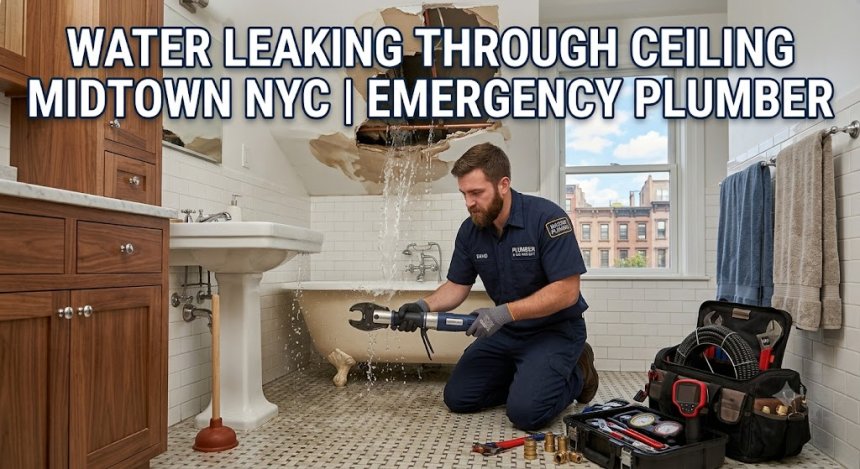
Water Leaking Through Ceiling Midtown NYC | Emergency Plumber
Water leaking through your ceiling in Midtown Manhattan? Learn immediate action steps, leak causes, repair costs, and how to get fast emergency plumbing.

Emergency Plumber in Midtown Manhattan: What to Do When Water Comes Through the Ceiling
Few household emergencies cause instant panic quite like looking up and seeing water dripping—or pouring—through your ceiling. Whether you live in a pre-war apartment near Murray Hill, manage a commercial suite close to Grand Central, or own a condo in Hell's Kitchen, ceiling leaks demand immediate attention.
In multi-story Midtown Manhattan buildings, water travels fast. A leaking pipe, an overflowing bathtub, or a broken riser three floors up can travel along joists and electrical conduits before bursting through your plaster or drywall. Beyond the visual mess, water pooling above your ceiling poses immediate structural hazards and electrical risks.
When water comes through the ceiling, homeowners and property managers search urgently for immediate solutions to stop the flow, limit property damage, and navigate building management or neighbor interactions. Knowing what to do in the first fifteen minutes—and hiring an experienced local plumber—makes all the difference.
What Is a Ceiling Water Leak Emergency?
A ceiling water leak emergency occurs when clean supply water, greywater from drains, or waste line effluent breaks through the structural barrier separating two building levels. Because water naturally follows gravity, it collects at the lowest point of a ceiling cavity until the weight causes the material to sag, discolor, and rupture.
[ Water Leak Upstairs / Wall Cavity ] ──> Trapped in Ceiling Void ──> Bulging Plaster / Drywall
                                                                                 │
[ Structural Collapse & Property Damage ] <── Active Overhead Drips <────────────┴── Rupture
Common Situations and Symptoms
-
Active Ceiling Drips or Water Cascades: Water steadily dripping from light fixtures, ceiling fans, or cracks in the drywall.
-
Squeezing or Bulging Drywall: Painless "balloons" forming in paint or sheetrock as water pools behind the surface.
-
Yellow or Brown Water Rings: Stains expanding on plaster or acoustic ceiling tiles, pointing to a persistent slow leak above.
-
Musty Odors from Overhead: Damp, earthy smells coming from ceiling vents or ceiling voids, signaling trapped moisture.
Why Does Water Come Through the Ceiling?
Midtown Manhattan's vertical density and mix of historic and modern construction create specific mechanical vulnerabilities that lead to ceiling leaks.
1. Aging Building Risers and Branch Lines
Many Midtown structures feature decades-old galvanized iron or early copper supply lines. Over time, friction and chemical reactions wear down metal walls until pinhole leaks emerge inside ceiling voids.
2. Upstairs Fixture Overflows and Appliance Failures
Human error and appliance breakdowns are prime culprits in multi-family buildings. An overflowing bathtub, a burst washing machine line, or a leaking dishwasher in the apartment above quickly manifests as a ceiling leak below.
3. Worn Shower Pan Membranes and Tile Grout
In older NYC bathrooms, the waterproof membrane (shower pan) beneath floor tiles degrades over time. When an upstairs neighbor showers, water sneaks through fractured grout lines and worn seams directly into the ceiling below.
4. High Water Pressure and Temperature Shifts
High-rise buildings require high pressure to drive water upward. If pressure-reducing valves drop in performance or winter cold snaps freeze unheated pipes, joints strain and snap without notice.
Signs You Should Never Ignore
Ceiling leaks rarely start out as massive collapses. Watching for early warning signs allows you to act before catastrophic damage occurs:
| Warning Sign | What It Means for Your Property |
| Expanding Yellow Stains | An active, low-volume leak above that is slowly soaking structural joists. |
| Peeling or Bubbling Paint | Moisture trapped between the ceiling substrate and the paint layer. |
| Cracking or Popping Noises | Wood expanding or drywall fasteners pulling free under water weight. |
| Musty Odors near Vents | Standing water pooling in ductwork or ceiling cavities fostering mold. |
-
Water Stains on Ceilings: Discolored patches indicate water is entering the ceiling space long before drips break through.
-
Musty Odors: Damp odors mean water has been sitting inside wall or ceiling cavities long enough to grow mildew.
-
Damp Walls or Peeling Wallpaper: Moisture often runs down vertical studs after pooling above the ceiling.
-
Low Water Pressure: A sudden drop in pressure alongside overhead moisture points to a severed supply pipe nearby.
Common Plumbing Problems Related to Ceiling Leaks
A leak above your head is frequently connected to wider plumbing or building issues:
-
Burst Supply Lines: High-pressure copper or PEX pipes cracking inside ceiling joists.
-
Corroded Drain Stacks: Cast iron waste lines leaking greywater when upstairs neighbors run sinks or showers.
-
Water Heater Failures: Utility closet water heaters on floors above rupturing without secondary pan drains.
-
HVAC Condensate Line Clogs: Commercial or residential A/C drain pans overflowing during hot Manhattan summers.
Step-by-Step Professional Repair Process
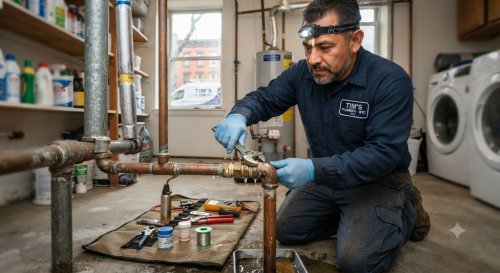
When an emergency plumber arrives at your Midtown Manhattan property, they execute a precise protocol to locate the source and resolve the issue safely:
Step 1: Emergency Isolation
The plumber locates and shuts off localized supply valves, apartment branch valves, or building main risers to stop the water source instantly.
Step 2: Hazard Evaluation and Containment
The plumber checks nearby light fixtures and electrical runs for shock hazards, advising whether to cut circuit breakers to affected rooms.
Step 3: Leak Diagnosis
Using moisture meters, thermal imaging cameras, or non-invasive video probes, the plumber pinpoints the leak's point of origin—whether it's an upstairs drain, a supply line, or a shower pan.
Step 4: Transparent Estimate
The plumber explains the necessary structural access, pipe work, and materials needed, delivering a clear upfront quote before starting repairs.
Step 5: Surgical Access and Pipe Repair
The plumber cuts clean access panels in the ceiling or floor to reach the damaged section, cutting out failed pipe segments and installing durable new connections.
Step 6: Pressure and Drain Testing
The system is re-pressurized or flow-tested while the exposed pipe is monitored to ensure complete leak elimination.
Step 7: Cleanup and Restoration Guidance
Plumbing debris is removed, work areas are left clean, and the plumber provides advice on structural drying and building management coordination.
Can You Fix It Yourself?
Dealing with an active water leak coming through a ceiling is not a DIY project. Electrical hazards and structural collapse risks make immediate professional intervention essential.
                  SAFE DIY ACTIONS                            CALL A PROFESSIONAL
   +------------------------------------------+    +------------------------------------------+
   | • Place buckets and towels underneath    |    | • Cutting into ceilings near wiring      |
   | • Puncture bulging drywall paint to drain|    | • Soldering overhead copper water lines  |
   | • Turn off electricity to affected rooms |    | • Repairing shared co-op/condo risers    |
   | • Notify upstairs neighbors immediately  |    | • Testing behind-wall main drain stacks  |
   +------------------------------------------+    +------------------------------------------+
Safe Temporary Actions You Can Take
-
Relieve Water Weight: Place a bucket beneath a bulging drywall bubble and carefully puncture the center with a screwdriver or small nail to control where the water drains and prevent a wider ceiling collapse.
-
Shut Off Local Water: If the leak originates in your unit (like a sink supply line leaking through to the floor below), turn off the shut-off valve under that sink.
-
Turn Off Power: If water drips near light fixtures or switches, turn off the corresponding circuit breaker at your electrical panel.
-
Notify Upstairs Neighbors: In multi-family buildings, politely inform neighbors overhead so they stop running water in sinks, tubs, or appliances.
Why DIY Ceiling Pipe Repairs Are Dangerous
Attempting to repair overhead pipes yourself without licensing carries heavy risks. Inexperienced cutting can slice into hidden electrical lines, and improper soldering in tight ceiling spaces presents a severe fire hazard. Additionally, temporary patches on pressurized pipes often fail, causing secondary flooding after you close up the wall.
Tools Professionals Use for Ceiling Leak Emergencies
Licensed plumbers rely on specialized diagnostic and repair equipment to fix overhead leaks cleanly and accurately:
-
Thermal Imaging Cameras: Infrared technology that maps temperature variations behind plaster, pinpointing exact leak pathways without tearing down unnecessary sheetrock.
-
Electronic Moisture Meters: Sensors that measure moisture levels inside ceiling joists and drywall to assess damage scope.
-
Propress Crimp Tools: Flame-free hydraulic joining systems that connect replacement copper pipes overhead without open flames inside wood-frame ceilings.
-
Rigid Inspection Cameras: Flexible snake cameras fed through small drill holes to view hidden pipe joints inside ceiling cavities.
How Long Does the Repair Usually Take?
Repair timelines depend on pipe accessibility, leak source, and building structure:
-
Emergency Water Isolation (15–30 Minutes): Shutting off local or building supply lines to stop active flooding.
-
Diagnostic Location (30–60 Minutes): Pinpointing the exact leak source using thermal tools and targeted access points.
-
Standard Pipe Section Repair (1–3 Hours): Replacing damaged copper, brass, or PEX supply lines in accessible ceiling spaces.
-
Complex Riser or Waste Stack Repairs (4–8+ Hours): Coordinating building-wide water shut-offs, cutting into main chases, and replacing structural cast iron or main copper risers.
Cost Factors in Emergency Ceiling Leak Repairs
Plumbing repair costs vary depending on the severity of the problem, accessibility, materials required, emergency service, property type, and local labor rates.
Several key factors shape the total cost of an emergency ceiling leak repair:
-
Time of Service: After-hours, weekend, or holiday dispatches involve specialized emergency scheduling.
-
Access Requirements: Opening modern drywall access panels costs less than carefully working through historical Midtown plaster ceiling finishes.
-
Leak Location: Accessible branch lines require less labor than main vertical risers embedded in building utility chases.
-
Permits and Building Rules: Work requiring street access, main building shut-offs, or city permits involves additional administrative overhead.
Hidden Truths Homeowners Should Know
Understanding these practical realities helps protect your home and finances during a ceiling leak crisis:
-
Water Travels Horizontally: The point where water drips through your ceiling is rarely directly beneath the actual pipe leak; water runs along joists before dripping down.
-
Quick Patches Don't Hold Pressure: Epoxy putties and emergency tapes are temporary; pressurized water lines will push through temporary patches under standard city pressure.
-
Insurance Distinguishes Cause: Most homeowner insurance covers sudden, accidental pipe bursts, but may deny coverage for long-term leaks caused by neglected maintenance.
-
Mold Grows Within 24-48 Hours: Trapped overhead moisture begins harboring mold spores within two days if not properly dried and ventilated.
-
Upstairs Owners Aren't Always Automatically Liable: In NYC co-ops and condos, liability depends on whether the leak originated in a shared building pipe (building responsibility) or an individual unit fixture (owner responsibility).
15 Common Mistakes Homeowners Make
-
Ignoring Small Ceiling Stains: Waiting until drywall collapses before calling a professional.
-
Leaving Bulging Paint Intact: Letting heavy water pool overhead until large sections of plaster drop without warning.
-
Forgetting to Turn Off Electricity: Leaving power running to rooms with water dripping through light fixtures.
-
Using Chemical Drain Cleaners Upstairs: Pouring harsh chemicals into blocked drains that eat through aging metal pipes and leak downstairs.
-
Delaying Neighbor Notification: Not telling upstairs occupants to stop using water immediately.
-
Hiring Unlicensed Laborers: Working with uninsured handymen who lack knowledge of NYC building plumbing codes.
-
Neglecting to Document Damage: Cleaning up debris before taking clear photos and videos for insurance claims.
-
Restoring Power Too Quickly: Turning circuit breakers back on before ceiling cavities have thoroughly dried out.
-
Slapping Tape on Pressurized Leaks: Expecting duct tape or silicone wrap to seal a high-pressure supply line long-term.
-
Skipping Professional Drying: Patching drywall over damp wood studs, locking in rot and mold behind fresh paint.
-
Over-tightening Replacement Valves: Cracking vintage pipe threads while attempting DIY valve replacements.
-
Failing to Locate the Main Valve First: Searching for tools while water pours uncontrolled into living spaces.
-
Plugging Drips with Towels in the Ceiling: Stuffing rags into ceiling access holes, which traps water and spreads structural decay.
-
Bypassing Building Management: Performing invasive plumbing work without notifying your co-op board or building superintendent.
-
Assuming Clear Water Means Safe Water: Ignoring leaks because water looks clean; supply leaks can still carry ceiling dust and structural contaminants.
Practical Maintenance Tips for Midtown Properties
Protect your property from ceiling leaks with these proactive steps:
-
Replace Appliance Hoses: Upgrade rubber washing machine and dishwasher lines to braided stainless steel hoses every 5 years.
-
Inspect Bathroom Caulking Annually: Reseal worn grout and silicone caulk around tubs and shower bases to prevent floor pan leaks.
-
Install Smart Water Sensors: Place wireless leak detectors beneath sinks, dishwashers, and water heaters for instant mobile alerts.
-
Maintain Climate Control: Keep indoor temperatures above 68°F during winter to prevent supply pipes inside exterior walls from freezing.
-
Test Isolation Valves Semi-Annually: Turn fixture shut-off valves off and on twice a year to ensure they close tightly when needed.
-
Schedule Annual Plumbing Tune-Ups: Have a licensed plumber evaluate building water pressure, check pressure-reducing valves, and inspect visible pipe joints.
When Should You Call an Emergency Plumber?
Immediate professional response is critical when ceiling leaks threaten structural integrity or property safety:
                               EMERGENCY PLUMBING DECISION TREE

             Is water actively pouring from your ceiling or light fixtures?
                                    │
                  ┌─────────────────┴─────────────────┐
                 YES                                  NO
                  │                                   │
      [ Shut off main water line ]     Is it a dry yellow stain on the ceiling?
      [ Turn off room electricity ]                   │
      [ Call Emergency Plumber ]        ┌─────────────┴─────────────┐
                                       YES                          NO
                                        │                           │
                          [ Schedule Inspection Visit ]  [ Multiple Drips Present ]
                                                         [ Call Plumber Promptly ]
-
Active Overhead Water Flow: Water steadily pouring or cascading through ceiling drywall, plaster, or fixtures.
-
Water Near Electrical Connections: Water dripping directly out of light fixtures, smoke detectors, or ceiling outlets.
-
Major Pipe Ruptures: Hearing loud rushing water behind walls or ceilings alongside sudden pressure drops.
-
Sewage-Contaminated Ceiling Leaks: Overhead leaks carrying foul odors or discolored waste material from upper-level drain stacks.
Frequently Asked Questions
What is the very first thing I should do if water comes through my ceiling?
Puncture the center of any water-filled drywall bubble into a bucket to relieve weight, turn off power to the room if water is near lights, and shut off your main water valve.
How do I figure out if the ceiling leak is my responsibility or my neighbor's?
In NYC co-ops and condos, leaks from individual unit fixtures (like a tub overflow) are generally the upstairs owner's responsibility, while leaks from shared building risers fall under building management.
Can water coming through the ceiling cause an electrical fire?
Yes. Water dripping into light fixtures, junction boxes, or outlets can short-circuit wiring and create fire risks. Turn off power at the main breaker to affected areas immediately.
How do plumbers find leaks behind ceilings without destroying the drywall?
Plumbers use infrared thermal imaging cameras and acoustic listening devices to detect temperature drops and water movement, allowing them to open small, precise access panels.
Will insurance cover ceiling repair costs from water damage?
Most policies cover sudden, accidental water damage and resulting repairs, provided the leak wasn't caused by known, long-term unaddressed neglect.
How long does it take for mold to grow after a ceiling leak?
Mold spores can begin germinating on wet drywall, plaster, and wood joists within 24 to 48 hours of exposure to moisture.
Why does my ceiling only leak when the upstairs neighbor showers?
This usually points to a failed shower pan membrane, deteriorated tile grout, or a leaking tub drain assembly in the unit above that only holds water during active use.
Can I paint over a dry ceiling water stain?
You must seal the dried stain with a stain-blocking primer first. Standard latex paint will allow water rings to bleed through even after the leak is fixed.
What causes water to drip from A/C vents in the ceiling?
Dripping A/C vents usually indicate a clogged HVAC condensate drain line or an overflowing drain pan sitting in the ceiling space above.
When should I replace ceiling pipes instead of patching them?
If an inspection reveals widespread pinhole corrosion, heavy scaling, or repeated leaks on older copper or galvanized iron lines, full branch replacement is safer than patching individual leaks.
Why Choose Plumber in New York City
When water is coming through your ceiling in Midtown Manhattan, fast response and expert diagnostic skills are essential.
At Plumber in New York City, we serve residential and commercial properties across Midtown Manhattan—including Hell's Kitchen, Murray Hill, Chelsea, the Theater District, Turtle Bay, and surrounding NYC neighborhoods.
-
Licensed & Insured NYC Master Plumbers: Our team has extensive experience navigating NYC building codes, high-rise co-op rules, and complex building riser systems.
-
Rapid Emergency Dispatch: We understand that overhead leaks cause instant panic, and we prioritize rapid emergency response across Midtown.
-
Clear, Upfront Quotes: We provide transparent estimates after diagnosing the leak source, so you know costs before work begins.
-
Non-Invasive Diagnostic Equipment: Utilizing thermal imaging and Propress installation tools, we locate and fix leaks cleanly with minimal disruption.