Common Causes of Water Heater Pilot Light Going Out
Discover why your gas water heater pilot light keeps going out, how to identify the underlying cause, and when to seek professional repair.
Understanding a Pilot Light That Keeps Going Out
When a gas water heater pilot light repeatedly goes out, it leaves your home without hot water and indicates a functional issue within the appliance's safety or fuel delivery systems. Modern and older atmospheric gas water heaters rely on a continuous small flame to ignite the main burner when the thermostat calls for heat. If that flame fails, the gas supply shuts off automatically to prevent unburned gas from accumulating.
A pilot light that goes out once due to a strong draft might simply need to be relit. However, if the burner refuses to stay lit after multiple attempts, it points to a specific mechanical or environmental fault. Understanding the root cause helps you determine whether a simple adjustment will fix the problem or if you need component replacement.
The Core Mechanism: How Pilot Safety Systems Work
To understand why a pilot light goes out, it helps to look at how gas water heaters monitor safety. Traditional standing pilot models use a thermocouple—a small copper-tubing probe positioned directly in the pilot flame. The heat from the flame generates a tiny electrical millivolt current that keeps the safety magnet inside the gas control valve open. If the flame blows out or weakens, the thermocouple cools down, the electrical current drops, and the safety valve snaps shut, stopping the flow of gas.
Modern gas water heaters often utilize a thermopile (which generates higher voltage to power electronic control boards) or a hot-surface igniter with flame sensing rods. Regardless of the specific technology, these devices share one primary purpose: ensuring gas never flows unless a confirmed flame is present.
Primary Causes and How to Distinguish Them
Several distinct issues can disrupt this safety loop. Distinguishing between them requires observing how the pilot behaves when you attempt to light it.
1. A Faulty or Misaligned Thermocouple
If you can light the pilot manually while holding down the control knob, but the flame extinguishes the moment you release the knob, the thermocouple is the most frequent culprit. Over years of exposure to high heat, thermocouples degrade, fail to generate sufficient millivolts, or become coated in soot and carbon deposits. Alternatively, the pilot flame may simply not engulf enough of the thermocouple tip due to a partial clog in the pilot tubing.
2. Drafts and Combustion Air Issues
Gas water heaters require a stable environment and proper combustion air to maintain a steady flame. If your water heater is installed in a garage, basement, or utility closet that experiences heavy drafts from exterior doors, high-velocity HVAC returns, or nearby exhaust fans, the air movement can easily blow out a small pilot flame. In tightly sealed modern homes, negative air pressure can also starve the burner of adequate combustion air, causing the flame to flicker and die.
3. A Failing Gas Control Valve
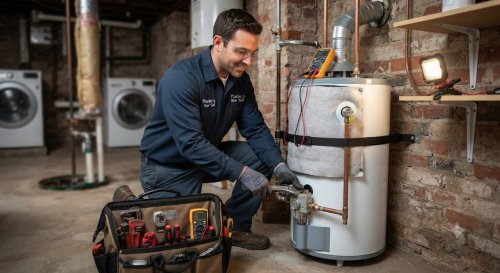
Sometimes the thermocouple is generating adequate millivolt power, but the magnetic safety switch inside the gas control valve itself is worn out and fails to stay engaged. Diagnosing this requires a multimeter to test the electrical output of the thermocouple while the pilot is burning. If the thermocouple output meets manufacturer specifications (usually between 25 and 30 millivolts) but the valve still trips, the control valve assembly requires replacement.
4. Low Gas Supply Pressure
Fluctuations in natural gas or propane delivery pressure can starve the pilot light. If the pressure drops too low, the pilot flame shrinks away from the sensor, triggering an automatic shutoff. This issue often affects other gas appliances in the home simultaneously and typically points to an issue with the gas meter regulator or supply lines.
Practical Troubleshooting and Safety Limits
Homeowners can safely perform a few basic checks when dealing with an unlit pilot:
- Inspect the flame color: A healthy pilot flame should burn steady, sharp, and predominantly blue with a small yellow tip. If the flame is lazy, yellow, or orange, it indicates dirty burner ports or poor primary air mixture.
- Clean the area: Carefully vacuum dust and lint from the base of the water heater, especially around the intake screens. Lint buildup restricts airflow, destabilizes the burner, and can suffocate the flame.
- Follow lighting instructions precisely: Always adhere to the manufacturer lighting instructions printed on the water heater label. Allow at least five minutes for any residual gas to dissipate from the combustion chamber before attempting to relit a failed pilot.
If you smell a strong odor of gas that does not dissipate quickly, or if you hear hissing near the supply lines, turn off the main gas shutoff valve immediately, evacuate the area, and contact your gas utility provider or a qualified professional.
Durability of Repairs and Replacement Considerations
Replacing a standard thermocouple is a routine repair that restores reliable operation if the component has worn out. However, if your water heater is more than 10 to 12 years old, experiences repeated gas valve failures, or shows signs of internal tank corrosion, investing in repeated component repairs may only delay an inevitable tank replacement.
When evaluating repair estimates, ensure the technician tests the actual millivolt output of the safety circuit rather than guessing at the cause. Proper diagnostic testing prevents unnecessary part replacements and ensures your equipment operates safely and efficiently.
Frequently Asked Questions
Can a dirty pilot tube cause the pilot light to keep going out?
Yes. Over time, dust, spider webs, and carbon soot can accumulate inside the tiny pilot orifice. This restriction reduces the size of the gas stream, resulting in a weak flame that cannot adequately heat the thermocouple, causing the safety valve to shut off the gas supply.
Is it safe to relit a water heater pilot light myself?
For standard atmospheric water heaters with manual control knobs, homeowners can safely relit the pilot by following the manufacturer instructions on the appliance label. However, if your water heater uses an electronic ignition system, or if you smell persistent gas, do not attempt DIY lighting and call a professional.
How long should I hold the pilot button down when lighting it?
You typically need to hold the pilot control knob down for 30 to 60 seconds after the flame ignites. This gives the thermocouple enough time to heat up and generate sufficient electrical current to keep the safety magnetic valve open on its own.
Why does my pilot light go out only when the main burner kicks on?
If the pilot extinguishes precisely when the main burner ignites, it is often caused by a strong draft pulling through the combustion chamber, a blocked vent flue causing minor exhaust rollout, or a burner assembly that requires cleaning due to accumulated dust and debris.