Hidden Plumbing Problems Behind Walls in NYC Brownstones
Discover how to identify and resolve hidden plumbing problems behind walls in NYC brownstones. Learn warning signs, repair steps, and local tips

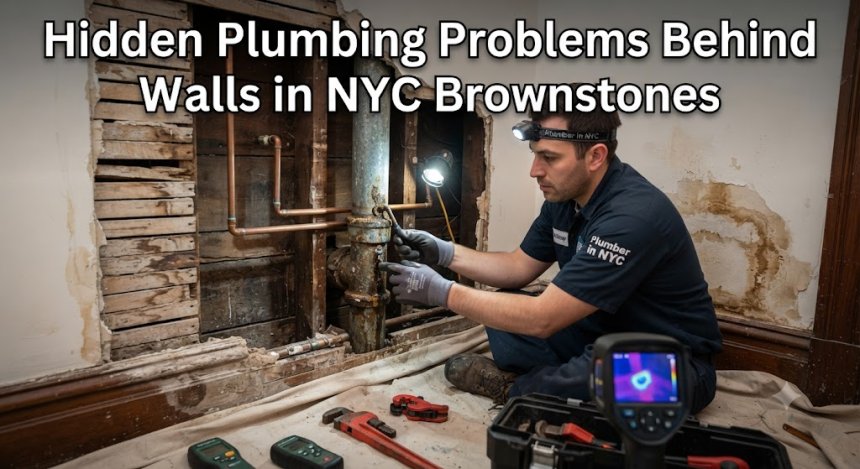
Why Hidden Plumbing Problems Behind Walls in NYC Brownstones Require Expert Care
Living in a historic New York City brownstone offers incredible architectural charm, but behind those classic plaster walls and vintage moldings often lies a ticking clock of aging infrastructure. Hidden plumbing problems behind walls in NYC brownstones are a major concern for property owners across Manhattan neighborhoods like Harlem and the Upper West Side, as well as historic districts in Brooklyn like Park Slope and Brooklyn Heights. When old galvanized or cast-iron pipes begin to fail out of sight, they silently release moisture that destroys structural lath, plaster, and timber framing before a single drop appears on the floor. Property owners actively search for information on this topic because unaddressed wall leaks quickly escalate into major structural rot, expensive mold remediation, and extensive interior restoration projects that threaten the value of their historic investment.
What Are Hidden Plumbing Problems Behind Walls?
Hidden plumbing problems refer to structural supply, waste, or vent pipe failures that occur entirely out of view within wall cavities, floor joists, or behind brickwork.
-
Definition: Water leaks, cracks, or corrosion occurring within enclosed architectural spaces where visual detection is impossible without specialized tools.
-
Common Situations: Happening inside multi-story townhouses where vertical wet stacks pass through finished parlor and garden levels.
-
Symptoms: Peeling paint, unexplained musty smells, warm spots on drywall, and sudden, inexplicable increases in municipal water bills.
-
Example: A pinhole leak in an old copper supply line hidden behind a tiled bathroom wall slowly saturates the surrounding studs for weeks before bubbling through the wallpaper in the hallway.
Why Does This Plumbing Problem Happen?
Brownstone plumbing systems endure decades of continuous use, thermal expansion, and the unique environmental stressors of New York City municipal water supplies.
-
Aging Pipes: Many brownstones still contain original mid-century or Victorian-era iron and galvanized pipes that have long exceeded their material lifespans.
-
Corrosion: Decades of chemical reactions between NYC water minerals and metal pipe interiors cause gradual thinning and eventual structural failure.
-
Tree Roots: Massive root systems from street trees in Kings County and New York County infiltrate aging sewer lateral lines running beneath brownstone basements.
-
Hard Water: High mineral concentrations leave dense scale deposits inside pipes, narrowing internal diameters and stressing pipe joints.
-
High Water Pressure: Excessive municipal pressure entering old brownstone service lines places continuous strain on brittle behind-the-wall fittings.
-
Improper Installation: Past renovations that spliced incompatible metals, such as copper directly onto galvanized steel, accelerate galvanic corrosion.
Signs You Should Never Ignore
Recognizing subtle warning signs early is the single best way to protect your brownstone's historic interior finishings from catastrophic water damage.
-
Water Stains: Brown, yellow, or bubbling rings on plaster walls and ceilings point directly to active, hidden leaks above or behind them.
-
Slow Drains: Partial clogs within concealed waste stacks force wastewater to back up or seep through compromised pipe joints.
-
Low Water Pressure: A sudden or progressive drop in fixture output often indicates a ruptured or heavily scaled supply line hidden in the framing.
-
High Water Bills: Unexplained spikes on your DEP statements are frequently the first indicator of a continuous hidden leak.
-
Damp Walls: Sheetrock or plaster that feels cool, clammy, or soft to the touch signifies trapped moisture inside the wall cavity.
-
Mold Growth: Persistent mildew and black spots emerging along baseboards or corners reveal ongoing internal saturation.
-
Strange Noises: Banging, hissing, or water-running sounds inside walls when all fixtures are turned off signal loose pipes or active spraying.
-
Bad Smells: Musty, earthy, or sewage-like odors trapped behind walls indicate decaying organic matter or cracked waste lines.
-
Standing Water: Puddles pooling in brownstone basements or sub-cellars often originate from overhead wall leaks traveling down framing channels.
-
Discolored Water: Rusty or murky water emerging from taps exposes advanced internal pipe corrosion occurring inside supply risers.
Common Plumbing Problems Related To This Issue
Concealed brownstone plumbing failures frequently trigger secondary structural and mechanical disasters throughout the building.
-
Pipe Leaks: Persistent weeping joints or split pipes that silently saturate wooden framing members.
-
Drain Clogs: Blockages in vertical stacks that cause wastewater to overflow into enclosed wall cavities.
-
Water Heater Failures: Aging tanks leaking into surrounding utility closets and sub-flooring.
-
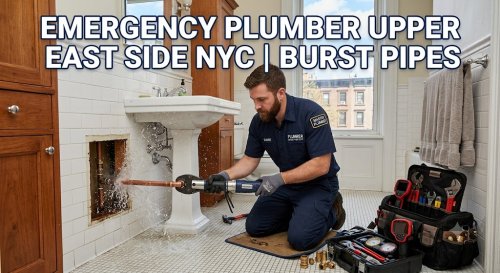
Burst Pipes: Freezing weather rupturing vulnerable supply lines routed through uninsulated exterior brownstone walls.
-
Fixture Damage: Mineral-choked mixing valves and ruined custom hardware resulting from pressure imbalances.
Step-By-Step Professional Repair Process
Licensed professionals follow a methodical process to resolve hidden plumbing failures with minimal disruption to historic architectural details.
-
Step 1 Inspection: The plumber conducts a thorough walk-through, noting structural damage, damp spots, and fixture performance across all brownstone levels.
-
Step 2 Diagnosis: Using non-invasive acoustic sensors and thermal cameras, the technician maps out the exact location of the leak behind the wall.
-
Step 3 Estimate: A transparent, upfront pricing breakdown is provided detailing the scope of access work, pipe replacement, and material costs.
-
Step 4 Repair: The plumber opens the minimum necessary wall section, cuts out the damaged pipe segment, and installs modern, code-compliant replacement piping.
-
Step 5 Testing: Water pressure is restored and held under test conditions to guarantee absolute joint integrity before closing any surfaces.
-
Step 6 Cleanup: All debris, dust, and old metal scrap are cleared away, leaving the work zone spotless.
-
Step 7 Maintenance Advice: The technician offers guidance on monitoring rehabilitated lines and protecting historic infrastructure during seasonal shifts.
Can You Fix It Yourself?
Attempting to resolve hidden plumbing issues without professional training carries massive risks in historic multi-story buildings.
-
Safe DIY Solutions: Visually inspecting exposed basement supply lines and checking under sink vanities for early moisture accumulation.
-
Temporary Fixes: Placing catch basins under accessible basement drips while waiting for professional dispatch.
-
What Homeowners Can Safely Do: Monitoring water utility meter dials overnight to confirm whether a hidden leak is actively running.
-
When DIY Becomes Dangerous: Sledgehammering into historic lath-and-plaster walls without knowing where electrical wiring or gas lines run.
-
When Professional Plumbing is Necessary: Anytime a leak is suspected behind finished walls, requiring specialized detection gear and licensed repiping expertise.
Tools Professionals Use
Modern diagnostic technology allows plumbers to locate hidden failures without tearing apart entire rooms in your brownstone.
-
Drain Cameras: High-definition fiber-optic scopes threaded through waste lines to find internal cracks and root intrusions.
-
Leak Detection Equipment: Electronic listening devices and thermal imaging cameras that pinpoint water movement through dense brick and plaster.
-
Hydro Jetting: High-pressure water scrubbing units that blast away decades of grease and scale from waste stacks.
-
Pipe Locators: Radio-frequency transmitters that trace the exact underground or in-wall path of hidden plumbing lines.
-
Pressure Testing Gauges: Precision instruments used to isolate specific zones of a plumbing system to verify pressure retention.
How Long Does the Repair Usually Take?
Timelines for resolving hidden wall leaks depend heavily on accessibility and the extent of material degradation.
-
Simple Repairs: Accessing and patching a localized pinhole leak in an exposed basement wall branch takes 1 to 2 hours.
-
Moderate Repairs: Locating and replacing a corroded section of supply piping behind a bathroom wall takes 3 to 6 hours.
-
Major Repairs: Rewiring or replacing multi-floor vertical risers in a historic brownstone takes 1 to 3 days.
-
Emergency Repairs: Shutting down main lines and stabilizing catastrophic wall bursts takes 2 to 4 hours of immediate intervention.
Cost Factors
Plumbing repair costs vary depending on the severity of the problem, accessibility, materials required, emergency service, property type, and local labor rates.
-
Diagnostic Fees: Flat charges for traveling to the site and deploying advanced thermal or acoustic leak detection gear.
-
Parts: Costs for modern copper, PEX, or cast-iron replacement piping, fittings, and secure hangers.
-
Labor: Skilled tradesman hours required to carefully open, repair, and secure historic framing structures.
-
Emergency Service Charges: Premium rates applied for midnight dispatches or hazardous weekend failure responses.
-
Accessibility of Pipes: Added labor when pipes are encased behind historic moldings, exposed brick, or custom millwork.
Hidden Truths Homeowners Should Know
Navigating brownstone ownership requires a realistic understanding of how aging plumbing infrastructure behaves over time.
-
Small, unnoticed leaks inevitably morph into expensive structural wood rot and foundation damage.
-
Cheap temporary epoxy patches on high-pressure metal pipes almost always fail under municipal load.
-
Homeowners insurance policies frequently deny claims resulting from long-term, neglected plumbing maintenance.
-
Aggressive tree roots in NYC neighborhoods can repeatedly fracture aging sewer laterals if left unlined.
-
Hard municipal water aggressively shortens the operational lifespan of water heaters and distribution valves.
-
DIY plumbing mistakes compound repair costs by violating strict NYC Department of Buildings codes.
-
Delaying leak repairs allows moisture to spawn toxic black mold within 24 to 48 hours.
-
Hidden water leaks silently drive up utility bills month after month without visible surface warnings.
-
Routine annual maintenance inspections catch minor fitting failures before they breach wall cavities.
-
Investing in proactive repiping safeguards the long-term historical and market value of your property.
15 Common Mistakes Homeowners Make
Avoiding these frequent missteps prevents minor maintenance issues from escalating into major structural disasters.
-
Ignoring slight drops in water pressure or intermittent sputtering from fixtures.
-
Pouring harsh chemical drain cleaners down vintage metal pipes that eat away at gaskets.
-
Flushing non-biodegradable hygiene products down toilets, triggering stack blockages.
-
Pouring cooking oils and grease down kitchen sinks, cementing clogs inside wall stacks.
-
Failing to locate or test main building water shut-off valves before an emergency occurs.
-
Hiring unlicensed handymen for complex structural plumbing and gas modifications.
-
Skipping routine annual water heater and plumbing system health checkups.
-
Waiting until a catastrophic wall blowout happens before calling a licensed professional.
-
Using incompatible pipe materials that accelerate galvanic corrosion in old joints.
-
Over-tightening threaded plumbing connections, cracking fragile antique fittings.
-
Failing to insulate water supply lines running through exterior brownstone walls during winter.
-
Neglecting to check local NYC landmark and co-op regulations before starting renovations.
-
Ignoring silent toilet flapper leaks that waste hundreds of gallons daily.
-
Failing to maintain a documented log of past plumbing repairs and contractor visits.
-
Covering up water-stained plaster without first diagnosing the underlying moisture source.
Maintenance Tips
Proactive upkeep helps preserve the integrity of your brownstone's plumbing system across all four seasons.
-
Inspect basement utility rooms and visible pipe runs monthly for signs of weeping or corrosion.
-
Schedule an annual professional camera inspection of your main sewer lateral line.
-
Test all emergency water shut-off valves biannually to ensure they turn smoothly.
-
Flush your water heater tank once a year to remove heavy mineral sediment.
-
Clean aerators and showerheads semi-annually to maintain balanced water flow.
-
Monitor your monthly NYC water bill for unexpected upward consumption trends.
-
Insulate all exposed piping located near drafty exterior brownstone walls before winter frosts arrive.
-
Never pour cooking grease, coffee grounds, or harsh solvents down household drains.
-
Install mesh strainers on all sink and tub drains to capture hair and particulate debris.
-
Check the pressure relief valve on your water heater annually for proper operation.
-
Keep basement areas well-ventilated to prevent humidity buildup around plumbing risers.
-
Address dripping faucets immediately before constant pressure ruins internal valve seats.
-
Replace flexible washing machine supply hoses every decade to prevent sudden basement floods.
-
Hire a licensed plumber to check system water pressure and test expansion tanks every two years.
-
Maintain a clear pathway to all primary water shut-off valves for rapid emergency access.
When Should You Call an Emergency Plumber?
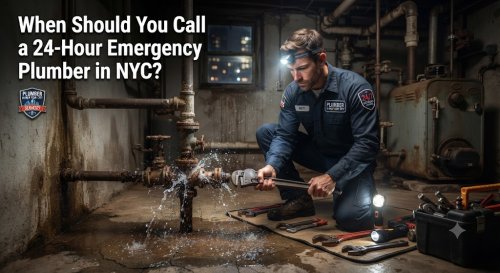
Certain plumbing crises demand immediate professional intervention to prevent catastrophic property loss.
-
Sudden pipe bursts flooding multiple levels of your brownstone.
-
Major sewage backups overflowing into living areas or basement floors.
-
Total loss of running water throughout the entire building.
-
Severe water leaks cascading near electrical panels or light fixtures.
-
Foul gas odors or suspected gas line breaches near heating equipment.
Frequently Asked Questions
Why is my water pressure suddenly low? Sudden pressure drops usually indicate a partially closed shut-off valve, a ruptured supply line, or a municipal main break in your immediate neighborhood.
How much does leak detection cost? Leak detection pricing varies based on the apartment layout and specialized acoustic or thermal equipment required to pinpoint hidden damage.
Can a clogged drain damage pipes? Yes, severe clogs create excessive back-pressure and trap corrosive debris against pipe walls, weakening joints over time.
Is hydro jetting safe for old pipes? Hydro jetting requires a professional camera inspection first; fragile or severely corroded older metal pipes may require gentler cleaning methods.
How do I know if my sewer line is broken? Frequent backups across multiple drains, foul odors, and soggy patches in yard areas point to broken or collapsed sewer infrastructure.
How long do water heaters last? Standard tank water heaters typically last between 8 to 12 years, while tankless models can operate efficiently for up to 20 years with proper maintenance.
Why does my faucet drip? Worn-out rubber washers, damaged O-rings, or corroded valve seats inside the faucet handle usually cause persistent dripping.
What causes pipes to burst? Freezing winter temperatures, severe internal corrosion, excessive water pressure spikes, and physical trauma are primary culprits.
Can plumbing leaks increase my water bill? Even a small, silent leak in a toilet flapper or supply line can waste thousands of gallons monthly, driving up utility costs.
When should I replace plumbing instead of repairing it? When pipes suffer from widespread corrosion, frequent pinhole leaks, or are older than 50 years, full repiping is more cost-effective than patching.