Common Causes of Low Water Pressure in Gilbert, Arizona Homes
Discover why your Gilbert home has low water pressure. Learn how to diagnose local mineral buildup, pressure regulator failures, and plumbing restrictions.

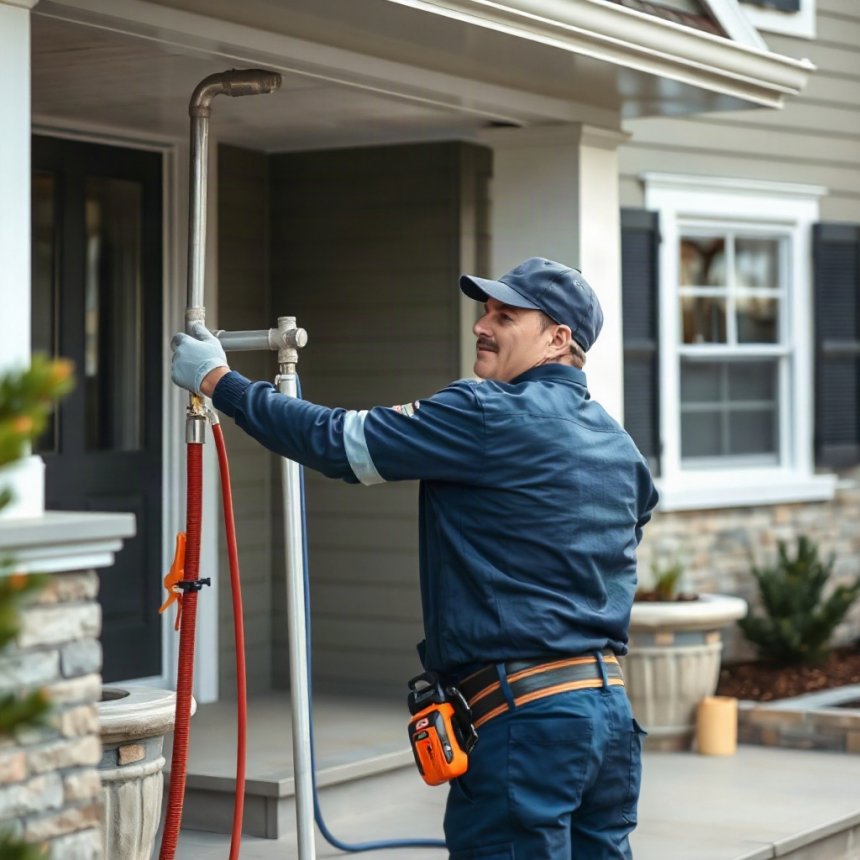
Understanding Low Water Pressure in Your Home
Dealing with a trickle from your showerhead or a sluggish kitchen faucet can turn everyday routines into frustrating chores. When water pressure drops across a Gilbert home, the underlying issue can range from a simple localized blockage to a failing main pressure regulator. Identifying whether the drop affects a single fixture or the entire house is the first critical step toward an accurate diagnosis.
In the East Valley, residential plumbing systems face unique environmental and water-chemistry factors. Understanding how your home receives water and where restrictions commonly occur helps you determine whether a simple cleaning will restore flow or if you need professional diagnostic testing.
Single-Fixture vs. Whole-House Pressure Drops
Before assuming your entire plumbing system is failing, perform a quick check across multiple faucets and showers. The distribution of the symptom points directly to the source of the problem:
- Single Fixture: If only one bathroom sink or kitchen faucet has low flow while others work normally, the issue is almost always localized to that specific fixture. Common culprits include a clogged aerator, a partially closed supply stop valve, or cartridge debris.
- Whole House: When every hot and cold tap in the house suffers from weak pressure, the restriction lies within the main supply line, the main shut-off valve, or the pressure-reducing valve (PRV).
Primary Causes of Whole-House Pressure Loss
When your entire property experiences a sudden or gradual decline in water force, several mechanical and environmental factors are typically responsible:
1. Pressure-Reducing Valve (PRV) Failure
Most homes in Gilbert rely on a pressure-reducing valve where the municipal water line enters the property. This device protects your interior pipes from dangerously high municipal supply pressures. Over time, the internal springs and rubber diaphragms fatigue or calcify. When a PRV fails, it often gets stuck in a restricted position, choking down the volume and pressure of water entering your home. A pressure gauge attached to an outdoor hose bib can confirm whether your PRV is maintaining the proper setting—typically between 50 and 70 psi.
2. Hard Water Mineral Scale Accumulation
Gilbert groundwater carries significant mineral content, predominantly calcium and magnesium. As water moves through pipes and fixtures, minerals precipitate out of solution, especially when heated. Over years of use, scale builds up inside supply lines, shut-off valves, and water heater inlet ports. This narrowing of the internal pipe diameter restricts the volume of water that can pass through, resulting in starved fixtures.
3. Partially Closed Main Shut-Off Valves
Whether located near the property line in a meter box or inside the garage near the water heater, main shut-off valves can occasionally be bumped or partially closed during property maintenance or landscaping work. Even a valve that is only eighty percent open can create a noticeable drop in household water pressure.
4. Municipal Supply Fluctuations
Occasionally, low pressure originates off-site. Local utility work, neighborhood main repairs, or high peak-demand hours during hot summer months can temporarily reduce municipal supply pressure. Checking with neighbors can quickly establish whether the issue is isolated to your plumbing or affecting the wider street.
Safe Troubleshooting and Practical Checks
Homeowners can safely perform several initial checks before calling a professional plumber:
- Check Aerators: Unscrew the tip of affected faucets and inspect the small screen for trapped sediment, sand, or mineral flakes. Soaking the aerator in a mild vinegar solution usually dissolves this buildup.
- Verify Valve Positions: Ensure that both the main water meter valve and the interior main shut-off valve are turned completely counter-clockwise to the fully open position.
- Test Multiple Outlets: Compare pressure between indoor fixtures and outdoor hose bibs. If an outdoor spigot runs strong while indoor fixtures run weak, the restriction is likely inside the home's distribution piping or fixtures.
Professional Diagnosis and Repair Considerations
If simple checks do not reveal the source of the restriction, a licensed plumber can utilize specialized tools to pinpoint the failure. Technicians use calibrated pressure gauges to test static and dynamic pressure, inspect PRV performance under load, and evaluate the condition of main supply pipes.
When replacing a failed PRV or clearing heavily scaled galvanized or copper piping, consider the long-term durability of the repair. Simply cleaning a heavily corroded valve may offer only temporary relief, whereas installing a modern, high-grade replacement component restores reliable flow for years. Always verify that any replacement valves meet local plumbing code standards and are rated for thermal expansion if your system includes a closed-loop water heater configuration.
Frequently Asked Questions
How do I know if my pressure-reducing valve is broken?
The most reliable way to test a PRV is to attach a water pressure gauge to an outdoor hose bib while all other water sources are turned off. If the gauge reading is significantly lower than the standard municipal supply pressure or fails to change when you adjust the adjustment bolt, the internal components have likely failed.
Can a water heater cause low hot water pressure only?
Yes. If you notice good pressure at cold taps but weak flow at hot taps throughout the house, the restriction is usually isolated to the water heater. Sediment accumulation inside the tank can block the hot water outlet nipple, or a failing thermal expansion tank or inlet check valve can restrict flow.
Does Gilbert water hardness accelerate pipe clogging?
Hard water accelerates mineral scale buildup inside pipes and fixtures over time, particularly in hot water lines where minerals separate more easily. Installing and properly maintaining a whole-home water softening system helps minimize mineral deposition in your plumbing network.
Is low water pressure an emergency?
Low water pressure is generally a functional nuisance rather than an immediate emergency, provided it is not caused by a major active pipe leak or a completely ruptured supply line. However, a sudden, total loss of water warrants immediate investigation to rule out a major break.
Can I increase my home water pressure by adjusting the PRV myself?
If your PRV is functioning correctly, you can adjust the pressure by loosening the locknut and turning the adjustment bolt clockwise to increase pressure or counter-clockwise to decrease it. Do not adjust pressure above 80 psi, as high pressure places excessive stress on water heaters, washing machine hoses, and fixture seals.