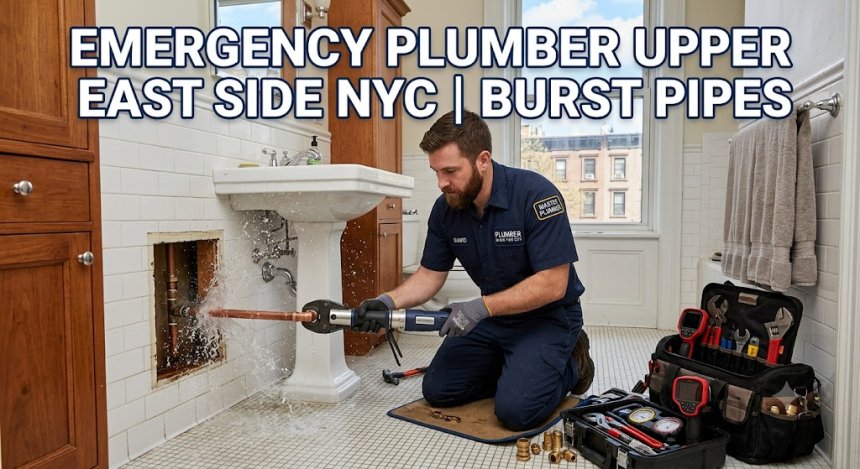
Emergency Plumber Upper East Side NYC | Burst Pipes
Burst pipe in your Upper East Side apartment or townhouse? Discover immediate action steps, warning signs, repair costs, and local emergency plumbing help.
Emergency Plumber in Upper East Side, NYC: What to Do When a Pipe Bursts
A burst pipe inside an Upper East Side property is every resident's worst nightmare. Whether you live in a pre-war co-op on Park Avenue, a historic brownstone near Carl Schurz Park, or a high-rise condo along York Avenue, pressurized water pouring into your living space creates instant chaos. Water moves fast—ruining hardwood floors, buckling plaster ceilings, destroying custom cabinetry, and seeping down into neighboring units within minutes.
Living in the Upper East Side brings unique structural and mechanical plumbing challenges. Many buildings rely on century-old riser pipes, complex steam heating networks, and tight utility shafts hidden behind plaster walls. When winter temperatures drop across Manhattan or high municipal water pressure stresses aging joints, pipes break without warning.
Homeowners and building managers search urgently for clear guidance when they hear the sound of rushing water inside their walls or see rain coming down from their ceiling. Taking the right steps in the first ten minutes can mean the difference between a minor repair and hundreds of thousands of dollars in water damage restoration and co-op board liability.
What Is a Burst Pipe Emergency?
A burst pipe occurs when structural failure, pressure accumulation, or physical stress causes a water line to fracture, tear, or snap open completely. Because domestic supply lines carry water under continuous pressure—often between 50 and 80 PSI—a ruptured line does not just drip; it sprays gallons of water every minute into surrounding spaces.
[ Pressurized City Water Main ] ──> Building Riser Line ──> Frozen / Corroded Pipe
                                                                      │
[ Severe Property & Floor Damage ] <── Water Floods Living Area <────┴── Pipe Snaps
Common Situations & Symptoms
-
High-Volume Flooding: Water cascading down walls, through light fixtures, or pouring out from beneath bathroom vanities.
-
Bulging Plaster or Drywall: Water collecting behind painted surfaces, creating heavy, water-logged bubbles ready to collapse.
-
Sudden Loss of Household Water Pressure: A drastic drop in water flow across all fixtures while water runs uncontrolled inside wall cavities.
-
Loud Hissing or Bangs Behind Walls: The audible sound of high-pressure water escaping a line or severe water hammer rattling pipes before a break.
Why Does This Plumbing Problem Happen?
Pipe failures across Manhattan's Upper East Side stem from a combination of aging building infrastructure, extreme seasonal weather shifts, and internal mechanical stress.
1. Freezing Winter Temperatures
During severe NYC winter cold snaps, uninsulated pipes running through exterior walls, drafty basements, or unheated utility closets freeze. As water turns to ice, it expands. This expansion traps water between the ice blockage and closed faucets, creating extreme hydraulic pressure that splits copper, brass, or galvanized pipes open.
2. High Water Pressure and Water Hammer
Manhattan's high-rise infrastructure requires strong pressure to send water up to top floors. If a building's pressure-reducing valve (PRV) fails or if appliances snap shut rapidly without water hammer arrestors installed, pressure spikes burst vulnerable pipe joints.
3. Aging Pipes and Internal Corrosion
Many classic Upper East Side brownstones and pre-war buildings still house original galvanized iron or early copper supply lines. Over decades, minerals and oxygen corrode the metal from the inside out, thinning pipe walls until they rupture under standard pressure.
4. Poor Past Renovations and Mechanical Strain
Improperly supported pipes, mismatched metal connections (causing galvanic corrosion), or tight bends installed during previous apartment remodels put constant physical stress on plumbing runs.
Signs You Should Never Ignore
Pipes rarely rupture without giving advance warning signs. Watching for these red flags helps you address minor issues before an emergency strikes:
+------------------------------------+-----------------------------------------------------+
| Warning Sign                       | What It Means for Your Plumbing System              |
+------------------------------------+-----------------------------------------------------+
| Discolored, Rusty Tap Water        | Internal pipe corrosion weakening supply walls.      |
| Persistent Damp Spots on Ceiling   | Active slow leak behind drywall about to burst.     |
| Loud Metallic Knocking (Hammer)   | Hydraulic pressure spikes stressing pipe joints.    |
| Unexplained Drop in Water Pressure | Partial pipe collapse or active underground breach.  |
+------------------------------------+-----------------------------------------------------+
-
Water Stains or Discoloration: Yellowish-brown rings on ceilings or walls indicate slow leaks overhead that weaken plaster and mask building pressure issues.
-
Unusual Pipe Noises: Knocking, thumping, or whistling sounds inside walls when taps turn off signal dangerous pressure surges.
-
Persistent Low Pressure: Sudden pressure drops mean water is diverting somewhere in the supply network.
-
Musty Odors and Mold Growth: Damp smells near baseboards or vanity backs indicate hidden moisture accumulating behind tile and drywall.
Common Plumbing Problems Related to Burst Pipes
A main pipe rupture triggers domino-effect failures across nearby building systems:
-
Sewer and Drain Backups: Excess water rushing into floor drains can overload secondary waste lines, causing backups.
-
Electrical System Short Circuits: Water leaking through wall cavities contacts electrical wiring, tripping breakers and creating fire hazards.
-
Structural Plaster and Ceiling Failures: Heavy water absorption causes historic plaster ceilings to collapse under their own weight.
-
Fixture and Subfloor Rot: Standing water rots wooden subfloors, loosens floor tiles, and ruins custom millwork.
Step-by-Step Professional Repair Process
When an emergency plumber arrives at your Upper East Side property, they execute a precise sequence to secure the site and complete lasting repairs:
Step 1: Emergency Water Isolation
The plumber immediately locates and shuts off the fixture shut-off, main apartment control valve, or building branch riser to halt incoming water flow instantly.
Step 2: Site Safety Assessment & Containment
The technician evaluates electrical risks, inspects structural ceiling integrity, and helps set up water containment measures to minimize further property loss.
Step 3: Diagnostic Pinpointing
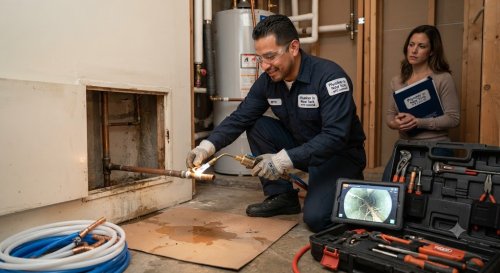
Using non-invasive moisture meters, thermal imaging cameras, or pressure testing, the plumber pinpoints the exact rupture site hidden behind walls or floors.
Step 4: Upfront Repair Plan & Estimate
The plumber explains the necessary scope of work—whether localized pipe section replacement, joint re-soldering, or riser repair—and provides an upfront cost estimate.
Step 5: Surgical Access & Pipe Repair
The technician opens minimal drywall or tile access, cuts away damaged pipe sections, and installs high-grade, code-compliant copper or PEX lines using professional press fittings or hard-soldering.
Step 6: Pressure Testing & System Inspection
Before sealing walls, the plumber re-pressurizes the system and monitors digital gauges to ensure zero leaks remain across surrounding connections.
Step 7: Cleanup & Long-Term Advice
The work area is cleared of plumbing debris, wiped down, and sanitized. The plumber provides recommendations on insulation, pressure valves, or building management coordination.
Can You Fix It Yourself?
Handling a burst pipe yourself during an active emergency is unsafe. High-pressure water and structural building risks require immediate professional expertise.
                  SAFE DIY ACTIONS                            CALL A PROFESSIONAL
   +------------------------------------------+    +------------------------------------------+
   | • Turn off main apartment water valve    |    | • Cutting and soldering copper water lines|
   | • Turn off power to affected rooms       |    | • Opening wall access in multi-unit buildings|
   | • Place buckets & towels to collect water|    | • Repairing building main riser lines    |
   | • Open faucets to drain remaining water  |    | • Replacing failed building PRV valves   |
   +------------------------------------------+    +------------------------------------------+
Safe Temporary Fixes Homeowners Can Do
-
Shut Off the Main Water Immediately: Know the location of your main apartment shut-off valve (usually near the water meter or under the kitchen sink) and turn it clockwise until fully closed.
-
Shut Off Electrical Breakers: If water drips near outlets or light fixtures, turn off power to those zones at your main electrical panel.
-
Relieve System Pressure: Open all sink faucets and shower valves on lower levels to drain remaining standing water out of your pipes safely into sinks rather than walls.
-
Apply Emergency Rubber Pipe Tape (Temporary Only): If the leak is exposed and minor, wrapping heavy silicone repair tape tightly around the pinhole can slow water while waiting for the plumber.
Why DIY Pipe Repairs Are Dangerous in NYC Buildings
Attempting to solder copper pipes or install temporary clamps inside multi-family buildings carries immense risk. Inexperienced soldering can ignite hidden wall insulation or trigger building smoke alarms. Furthermore, temporary clamps frequently fail under full NYC municipal water pressure, leading to renewed flooding after you think the job is done.
Tools Professionals Use for Burst Pipe Emergencies
Licensed emergency plumbers use specialized industrial tools to locate and fix broken water lines fast:
-
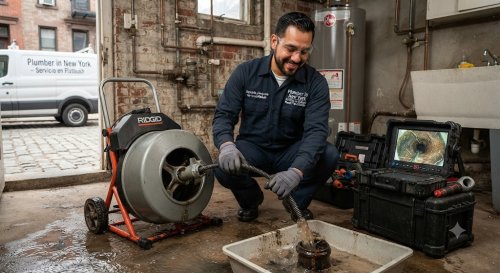
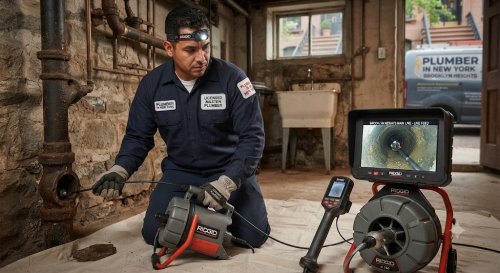
Thermal Imaging Cameras: Infrared scopes that detect temperature differentials behind walls, locating hidden moisture and pipe ruptures without unnecessary demolition.
-
Acoustic Leak Detectors: Sensitive ground microphones that pick up the specific sound frequencies of pressurized water escaping pipes under concrete or tile.
-
Propress Pipe Fitting Systems: Flame-free, high-pressure hydraulic crimping tools that join copper pipes securely without open flames in sensitive co-op environments.
-
Digital Pressure Test Gauges: Precision testing meters used to confirm water line integrity before restoring building water service.
How Long Does the Repair Usually Take?
The time required to resolve a burst pipe depends on pipe accessibility and structural complexity:
-
Emergency Isolation & Pressure Relief (15–30 Minutes): Halting water flow and draining system branches.
-
Exposed Pipe Section Repair (1–2 Hours): Cutting out damaged sections and installing new fittings on accessible pipes (e.g., under sinks or in basements).
-
Concealed In-Wall Riser Repair (2–5 Hours): Locating leaks behind tile or plaster, opening access panels, and splicing high-rise riser lines.
-
Major Building Branch Overhaul (1–2 Days): Replacing damaged horizontal branch lines across multiple apartment units.
Cost Factors in Emergency Burst Pipe Repair
Plumbing repair costs vary depending on the severity of the problem, accessibility, materials required, emergency service, property type, and local labor rates.
Key variables shaping repair costs include:
-
Time of Call: After-hours, weekend, or holiday emergency dispatches involve specialized staffing logistics.
-
Pipe Accessibility: Pipes exposed under vanities cost less to repair than main risers hidden behind historic plaster walls or marble tiling.
-
Extending Damage Scope: Isolated pipe repairs vs. multi-unit building main line replacements.
-
Building Coordination Requirements: Co-op or condo management protocols, structural permits, and building superintendent access procedures.
Hidden Truths Homeowners Should Know
Understanding these practical realities helps protect your home and finances when dealing with NYC plumbing systems:
-
Building Insurance vs. Unit Insurance: Co-op/condo master policies usually cover building structure repair, but your personal homeowners policy (HO-6) must cover interior finishes, cabinetry, and personal belongings.
-
Small Leaks Cause Massive Hidden Mold: Moisture trapped behind NYC plaster walls breeds toxic mold within 24 to 48 hours if not dried professionally.
-
Cheap Clamps Always Fail: Quick-fix rubber patches are temporary band-aids; they cannot withstand long-term Manhattan line pressure.
-
Neglected Maintenance Forfeits Claims: Insurance companies may deny coverage if an adjuster determines a burst pipe resulted from long-term unaddressed corrosion or unheated winter vacancies.
-
Annual Inspections Prevent Catastrophes: Having a licensed plumber check pressure valves, supply hoses, and aging shut-offs annually saves thousands in emergency repairs.
15 Common Mistakes Homeowners Make
-
Not Knowing Where Main Shut-Off Valves Are: Wasting precious minutes searching for valves while water floods the home.
-
Leaving Faucets Closed After Turning Off Water: Trapping water in the system, maintaining pressure on the leak.
-
Using Open Flames Near Drywall: Attempting DIY torch soldering inside historic wood-frame wall cavities.
-
Ignoring Slow Ceiling Drips: Assuming a small drip will fix itself until the entire ceiling collapses.
-
Turning Water Back On Too Fast: Shocking aging pipes with sudden pressure surges instead of opening main valves slowly.
-
Failing to Take Photos for Insurance: Cleaning up water damage before thoroughly documenting destruction for insurance claims.
-
Using Chemical Drain Cleaners on Blocked Lines: Causing chemical burns inside metal pipes that weaken walls and trigger ruptures.
-
Hiring Unlicensed Laborers: Working with uninsured contractors who lack knowledge of NYC building codes and co-op rules.
-
Leaving Pipes Uninsulated Near Windows: Leaving bathroom or kitchen supply lines exposed to winter drafts through loose window frames.
-
Over-Tightening Supply Line Fittings: Cracking plastic or brass nut connections on toilet and sink lines.
-
Ignoring High Municipal Water Pressure: Failing to install or replace a failing pressure-reducing valve.
-
Forgetting to Turn Off Water During Vacations: Leaving pressurized water active in an empty apartment during cold winter months.
-
Placing Heavy Storage Items on Exposed Pipes: Using basement or closet pipes as clothing racks or storage supports.
-
Skipping Co-Op Board Protocols: Performing invasive plumbing work without required building notifications and permits.
-
Delaying Professional Moisture Removal: Allowing water to soak into subfloors, leading to structural rot and expensive repairs later.
Practical Maintenance Tips for Upper East Side Properties
Keep your plumbing system safe year-round with these practical maintenance steps:
-
Keep Indoor Heat at 68°F or Higher: Never turn heating off completely during winter, even when traveling, to prevent wall pipes from freezing.
-
Inspect Appliance Supply Hoses Annually: Replace old rubber washing machine and ice maker hoses with braided stainless steel lines.
-
Test Fixture Shut-Off Valves Semi-Annually: Turn sink, toilet, and main valves off and on twice a year to prevent mineral freeze.
-
Insulate Exterior Wall Pipes: Add foam pipe sleeve insulation to supply lines running near exterior walls, crawl spaces, or unheated basements.
-
Install Water Leak Detection Sensors: Place smart wireless leak sensors near water heaters, washing machines, and under sink vanities for instant phone alerts.
-
Schedule Annual Plumber Tune-Ups: Have a licensed professional inspect water pressure, check PRVs, and examine aging pipe joints once a year.
When Should You Call an Emergency Plumber?
Immediate professional response is critical in high-risk plumbing situations:
                               EMERGENCY PLUMBING DECISION TREE

             Is water actively spraying from a pipe or flooding living areas?
                                    │
                  ┌─────────────────┴─────────────────┐
                 YES                                  NO
                  │                                   │
      [ Shut off main water line ]     Is it a minor sink drip contained in a bucket?
      [ Call Emergency Plumber ]                      │
                                        ┌─────────────┴─────────────┐
                                       YES                          NO
                                        │                           │
                          [ Safe DIY / Schedule Visit ]  [ Multiple Fixtures Affected ]
                                                         [ Schedule Plumber Inspection ]
-
Active Burst Water Lines: Pressurized water gushing from walls, ceilings, or pipe joints.
-
Sewage Line Backups: Raw sewage backing up into tubs, showers, or floor drains.
-
Uncontrollable Main Valve Leaks: Shut-off valves that snap off or leak heavily when operated.
-
Water Flooding Near Electrical Panels: Leaks pooling near circuit boxes, appliances, or main outlets.
Frequently Asked Questions
What is the very first thing I should do when a pipe bursts?
Shut off your main water valve immediately. This halts incoming water pressure and stops ongoing flooding while you contact an emergency plumber.
How do I locate my apartment’s main water shut-off valve?
Main shut-off valves in Upper East Side apartments are typically located near the water meter, under the kitchen sink, behind a bathroom wall access panel, or next to the main entry riser.
Will insurance cover emergency burst pipe repairs in NYC?
Most homeowners and co-op insurance policies cover sudden water damage resulting from a burst pipe, though they may not cover repairing the worn pipe section itself if failure was due to age or neglect.
How much does emergency leak repair cost in Manhattan?
Plumbing repair costs vary depending on the severity of the problem, accessibility, materials required, emergency service, property type, and local labor rates.
Why do pipes freeze and burst in Upper East Side brownstones?
Older brownstones often have uninsulated supply lines running through exterior brick walls. Sub-zero NYC winds penetrate drafts, freezing trapped water until expanding ice bursts the metal.
Can a slow leak turn into a burst pipe?
Yes. A slow leak indicates wall thinning, joint corrosion, or crack propagation. Continual water pressure will eventually expand the crack, causing sudden structural rupture.
How do plumbers repair pipes inside walls without destroying tile?
Plumbers use thermal imaging cameras and acoustic locators to find the exact rupture spot, allowing them to open a small, precise access point rather than tearing down entire walls.
Is PEX or copper better for replacing burst pipes in NYC?
Both materials are high quality. Type L copper is traditional and meets all NYC building codes, while PEX is flexible, freeze-resistant, and ideal for retrofitting tight historical wall spaces where code permits.
How can I keep pipes from freezing when I leave NYC for winter vacation?
Keep your thermostat set to at least 68°F, open cabinet doors under sinks to let warm air circulate around pipes, and turn off your main apartment water supply valve before leaving.
What causes water hammer knocking in pipes?
Water hammer occurs when fast-closing valves (like in washing machines or dishwashers) stop water flow suddenly, sending high-pressure shockwaves through unsupported pipes.
Why Choose Plumber in New York City
When facing a burst pipe emergency on the Upper East Side, you need fast, dependable service from local experts who know Manhattan's unique infrastructure.
At Plumber in New York City, we serve residential and commercial properties across Manhattan—including the Upper East Side, Upper West Side, Midtown, Yorkville, Carnegie Hill, and surrounding NYC neighborhoods.
-
Licensed & Insured NYC Master Plumbers: Our team has extensive experience navigating NYC building codes, historic brownstone plumbing, and high-rise co-op requirements.
-
Fast Emergency Response: We understand that every minute counts during a water line burst and prioritize rapid emergency dispatch across Manhattan.
-
Upfront Pricing & Transparent Advice: We offer clear diagnostic assessments and transparent upfront estimates before any work begins.
-
Modern Non-Invasive Tools: Using thermal camera technology and Propress connection systems, we complete repairs cleanly with minimal disruption to your home.