Troubleshooting Low Water Pressure in Gilbert Homes
Learn how to diagnose and troubleshoot low water pressure in your Gilbert, Arizona home. Discover common causes, local mineral factors, and safe solutions.

Understanding Low Water Pressure in Your Home
Experiencing a sudden or gradual drop in water flow throughout your house can turn routine daily tasks into frustrating chores. When you turn on a faucet or step into the shower and encounter a weak trickle instead of a steady stream, it indicates an obstruction, restriction, or regulation failure within your plumbing system.
Low water pressure symptoms typically manifest in a few distinct ways. You might notice a weak showerhead output, a kitchen faucet that takes much longer to fill a pot, or appliances like washing machines and dishwashers struggling to complete their cycles efficiently. Understanding whether the issue affects a single fixture or the entire property is the critical first step in diagnosing the root cause.
Isolate the Problem: Single Fixture vs. Whole House
Before jumping to conclusions, you need to determine if the pressure drop is isolated or systemic.
- Single Fixture: If only one bathroom sink or shower has low pressure while the rest of the house functions normally, the issue is almost certainly localized to that specific fixture. Common culprits include a clogged aerator, a partially closed supply valve under the sink, or a cartridge failure inside a single-handle faucet.
- Whole House: If every tap, shower, and appliance exhibits weak flow simultaneously, the problem lies within your home's main supply line, the main shut-off valve, or the municipal water delivery system.
Common Causes of Whole-House Pressure Drops
When low water pressure affects the entire property, several mechanical and environmental factors are usually at play.
The Pressure Reducing Valve (PRV)
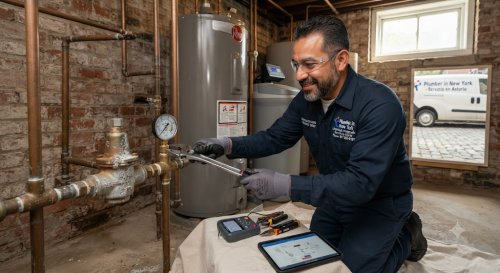
Most residential properties feature a Pressure Reducing Valve installed on the main water supply line where it enters the home. This brass bell-shaped device protects your interior pipes from excessive municipal supply pressure. Over time, the internal springs and rubber components inside a PRV wear out or fail entirely. When a PRV fails, it often defaults to a closed or heavily restricted position, drastically cutting down the volume and pressure of water entering your home.
Mineral Buildup and Pipe Restriction
Water supplies carry dissolved minerals. Over years of service, these minerals can precipitate out of the water and form stubborn scale deposits inside pipes, valves, and fittings. Homes built with older galvanized steel piping are particularly vulnerable because internal corrosion and rust narrow the interior diameter of the pipes, choking off water flow.
Partially Closed Main Shut-Off Valves
Sometimes the simplest explanation is the correct one. If a main water shut-off valve—either the municipal meter box valve or the main gate/ball valve where the line enters the house—is bumped or not fully reopened after plumbing work, it will severely restrict water volume.
Practical Troubleshooting and Safe Checks
Homeowners can safely perform a few diagnostic checks before involving a professional:
- Check the Main Shut-Off Valves: Ensure that both your interior main water shut-off valve and the valve near your property's water meter are turned completely counter-clockwise to the fully open position.
- Inspect Fixture Aerators: Unscrew the small mesh screen (aerator) from the tip of affected faucets. Tap water mineral scale often collects here, blocking the exit holes. Soak the aerator in a vinegar solution to dissolve deposits, then rinse and reinstall.
- Test Water Pressure with a Gauge: You can screw a simple water pressure gauge onto an exterior hose bibb or a laundry sink connection. Normal residential water pressure typically ranges between 50 and 70 pounds per square inch (psi). If your gauge reads significantly lower, a whole-house restriction or faulty PRV is likely present.
When to Seek Professional Diagnosis
If your pressure gauge test confirms a whole-house pressure drop, and your main valves are fully open, a professional plumbing inspection is necessary. Plumbers use specialized pressure testing equipment to isolate whether the restriction is happening at the municipal connection, the PRV, or deep within hidden supply lines. Attempting to adjust or replace a failing PRV or main supply piping requires specialized plumbing tools and expertise to avoid causing leaks or property damage.
Frequently Asked Questions
Why did my water pressure drop suddenly overnight?
A sudden, overnight drop in pressure usually indicates a major event, such as a failing PRV snapping internally, a municipal water main break in your neighborhood, or a newly developed leak in your main supply line between the street and your foundation.
Can a water heater cause low water pressure?
Yes, but typically only for the hot water side. If your cold water pressure is strong, but hot water trickles out of every faucet, the issue is likely sediment buildup inside the water heater tank or a failing, clogged inlet/outlet shut-off valve on the water heater itself.
Is low water pressure a sign of a hidden water leak?
It can be. If a supply pipe develops a significant break or rupture under your slab or behind a wall, water escapes before reaching your fixtures, resulting in a noticeable drop in household water pressure alongside unusually high water meter readings.
How do I know if the utility company is responsible for my low pressure?
If you check your pressure and find it unusually low, ask your immediate neighbors if they are experiencing similar issues. If the entire neighborhood has weak flow, the municipal water utility company is likely performing repairs or experiencing supply infrastructure issues.