Emergency Plumber Lower East Side: Multiple Drain Backup
Multiple drains backing up in the Lower East Side? Learn what causes main sewer line clogs, emergency steps, repair costs, and professional solutions.

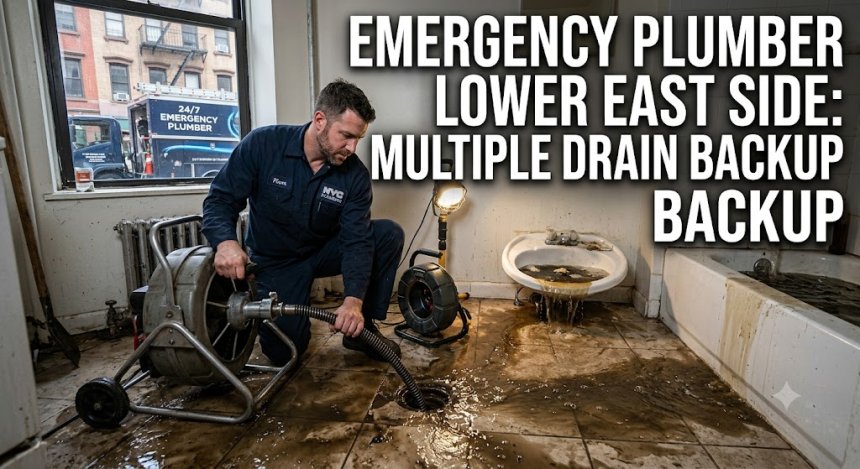
Emergency Plumber in Lower East Side: What to Do When Multiple Drains Back Up
Nothing throws a wrench into your daily routine faster than turning on the kitchen faucet or flushing the toilet only to watch dirty, foul-smelling water bubble up out of your shower drain, floor drain, or sink. When a single drain runs slow, it’s usually an isolated clog right beneath the fixture. But when multiple drains back up at the exact same time, you aren't dealing with a simple sink block—you are facing a main sewer line emergency.
In the Lower East Side (LES), where historic pre-war tenement buildings stand alongside modern high-rise developments, converted commercial spaces, and bustling neighborhood restaurants along Orchard, Delancey, and Grand Streets, plumbing systems are under constant demand. Aging underground infrastructure, combined with decades of pipe wear, makes sewer line backups a frequent and urgent concern.
Understanding why multiple drains fail simultaneously, taking immediate emergency mitigation steps, and knowing when to call a qualified licensed master plumber can mean the difference between a simple drain clearing and tens of thousands of dollars in property restoration.
What Is Multiple Drain Backup?
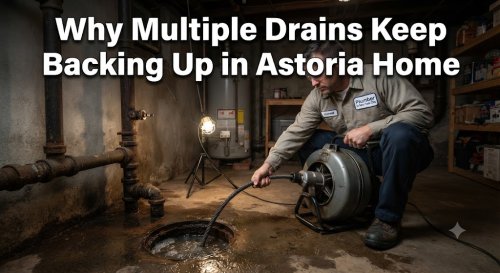
A multiple drain backup occurs when wastewater from your plumbing fixtures cannot flow outward into the municipal sewer system under the street. Instead, because the main building sewer line or stack is blocked, wastewater seeks the lowest open path of egress—which is almost always the lowest drains in your home or commercial space.
Common Scenarios in the Lower East Side
-
Residential Lofts & Apartments: A tenant on the ground floor or basement unit notices sewage backing up into their bathtub whenever an upstairs neighbor runs a washing machine or flushes the toilet.
-
Historic Pre-War Buildings: Cast-iron main stacks servicing multiple apartment units become restricted by decades of scale rust, causing Simultaneous backups across kitchens and bathrooms on lower floors.
-
Commercial Storefronts & Restaurants: Food service establishments along Essex or Broome Streets experience simultaneous backups in employee restrooms and kitchen floor drains during peak service hours due to heavy grease buildup in shared main lines.
Why Does This Plumbing Problem Happen?
When several fixtures back up at once, the issue is located deep inside the building’s main drainage stack or the underground lateral sewer line connecting the property to the NYC municipal sewer main.
+-----------------------------------------------------------------------+
|              PRIMARY CAUSES OF MULTIPLE DRAIN BACKUPS                 |
+-----------------------------------------------------------------------+
|  1. Main Sewer Line Blockage --> Tree roots, wipes, grease, debris   |
|  2. Corrosion & Pipe Sagging --> Sagging cast iron or belly in line  |
|  3. City Main Surcharging --> Storm water surges during heavy rain    |
|  4. Heavy FOG Accumulation --> Fats, Oils, & Grease solidification    |
|  5. Structural Structural Collapses --> Cracked clay or broken pipe    |
+-----------------------------------------------------------------------+
1. Main Sewer Line Blockages
Everything flushed down toilets or washed down sinks eventually converges into one central sewer lateral line. Over time, non-flushable items (wet wipes, paper towels, feminine hygiene products) combine with hair and organic waste to create massive, dense blockages deep underground.
2. Fats, Oils, and Grease (FOG) Accumulation
In vibrant neighborhood hubs like the LES, heavy culinary activity contributes massive amounts of grease to drainage networks. When hot grease is poured down drains, it cools, hardens, and clings to the interior walls of sewer pipes. Over months and years, this grease layer grows until it completely chokes off wastewater flow.
3. Tree Root Intrusion
Despite the urban concrete environment of Lower Manhattan, street trees along avenues and side streets search aggressively for moisture and nutrients. Microscopic cracks or loose joints in older terra-cotta or cast-iron sewer lines allow tiny root fibers to enter. Once inside, the roots feed on wastewater, expanding into dense, pipe-strangling mats that trap passing solid waste.
4. Aging and Sagging Cast-Iron Pipes
Many buildings in the Lower East Side feature original cast-iron or clay drainage systems installed over a century ago. As cast iron ages, it suffers from internal tuberculation—a process where rust bumps build up along the inner pipe walls, catching toilet paper and solids. Additionally, ground settling over decades creates a "belly" (a sunken section of pipe) where standing water accumulates, leading to persistent blockages.
5. Municipal Sewer Surges During Heavy Rainstorms
NYC's combined sewer system handles both sanitary sewage and street stormwater runoff. During sudden downpours or heavy summer storms in Manhattan, public sewer mains beneath streets like Houston or Delancey can become overwhelmed, surcharging and forcing mixed stormwater and sewage backward into private property drains.
Signs You Should Never Ignore
A complete sewer line collapse or backup rarely happens out of nowhere. Your plumbing system usually emits distinct warning signs long before wastewater begins spilling out of your drains.
-
Gurgling Noises from Fixtures: Hearing air bubbles or loud gurgling sounds coming from the toilet or bathroom sink when another fixture (like a washing machine or shower) drains is a clear sign that trapped air is trying to escape past a main line obstruction.
-
Water Rising in the Shower When Flushing the Toilet: Because the shower drain sits lower than the rim of the sink or toilet, flushing a toilet forces trapped water to back up into the shower base or tub.
-
Multiple Slow Drains: If a single sink drains slowly, it's a localized clog. If your kitchen sink, bathroom washbasin, and bathtub are all draining sluggishly at the same time, the main drain is restricted.
-
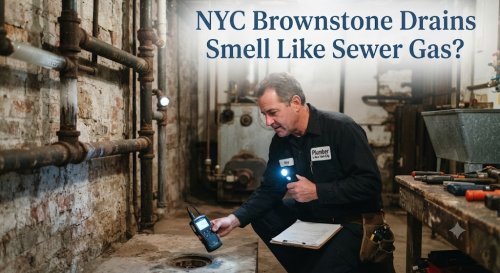
Foul Sewage Odors: Smelling sewer gas (hydrogen sulfide) near drains, in basements, or around exterior building walls indicates that wastewater is standing in main lines rather than venting properly into city mains.
-
Unexplained Wet Patches or Floor Seepage: Moisture or dark water seeping up through basement floor tiles, cellar masonry, or surrounding sidewalk vaults points directly to an underground main drain failure.
Common Plumbing Problems Related to Drain Backups
When a main sewer line backs up, it triggers a chain reaction ofSecondary plumbing and structural issues:
-
Sewer Gas Exposure: Blocked traps allow toxic sewer gases (methane and hydrogen sulfide) to vent inside living spaces, posing respiratory health risks.
-
Sub-Basement & Electrical Damage: Wastewater filling sub-basements can submerge electrical panels, sump pumps, water heaters, and boiler units, creating severe fire and electrical hazards.
-
Cross-Contamination of Water Lines: Severe structural flooding around incoming water main pipes increases the risk of cross-contamination if subterranean pipes suffer from pinhole leaks.
-
Finished Flooring & Masonry Destruction: Blackwater sewage damages hardwood flooring, subfloors, historic brickwork, and drywall, requiring professional hazardous material remediation.
Step-by-Step Professional Repair Process
Resolving a multiple drain backup in Lower Manhattan requires specialized diagnostic equipment and certified plumbers who understand local municipal plumbing codes and DEP standards.
+-----------------------------------------------------------------+
|             PROFESSIONAL DRAIN CLEARING WORKFLOW                |
+-----------------------------------------------------------------+
|  Step 1: Emergency Flow Containment & Main Line Isolation        |
|  Step 2: High-Definition Video Sewer Scope Inspection          |
|  Step 3: Mechanical Snaking / Commercial Hydro Jetting          |
|  Step 4: Structural Pipe Evaluation & Diagnostic Review        |
|  Step 5: Post-Clearing Camera Verification & Water Testing     |
|  Step 6: Site Sanitization & Preventive Maintenance Advice      |
+-----------------------------------------------------------------+
Step 1: Flow Containment and Initial Assessment
Upon arriving, the plumber immediately advises occupants to stop running water anywhere in the building. They locate cleanout access points along the main drain stack or cellar floor to safely relieve hydrostatic pressure without causing indoor flooding.
Step 2: High-Definition Sewer Camera Inspection
Technicians insert a flexible, waterproof HD camera with an integrated location transmitter into the main sewer line. This allows the plumber—and the property owner—to see the exact cause, depth, and distance of the blockage (e.g., heavy root intrusion, grease block, or cracked pipe).
Step 3: Targeted Line Clearing (Snaking or Hydro Jetting)
Depending on the camera findings:
-
Heavy-Duty Electric Drain Snaking: Uses rotating steel blades to cut through localized paper clogs, shop rags, or light root intrusion.
-
Commercial Hydro Jetting: Uses ultra-high-pressure water streams (up to 4,000 PSI) to scrub the inner walls of cast-iron pipes clean, blasting away hardened grease, heavy roots, and heavy scale buildup.
Step 4: Structural Pipe Repair (If Broken)
If the camera reveals crushed, offset, or completely collapsed piping beneath the floor slab or street sidewalk, plumbers discuss targeted point repairs or trenchless pipe lining options.
Step 5: Final Video Verification and System Testing
After clearing the line, plumbers re-insert the sewer camera to confirm the pipe is 100% open and structural integrity is clear. They run multiple fixtures simultaneously to ensure rapid, unimpeded drainage.
Can You Fix It Yourself?
When multiple drains back up at once, DIY chemical drain cleaners and plunger attempts are ineffective and dangerous.
Safe DIY Emergency Mitigation Steps:
-
Stop Using All Water Immediately: Turn off all faucets, dishwashers, washing machines, and showers. Do not flush any toilets in the building.
-
Protect Valuables: Move electronics, boxes, and furniture out of low-lying basement areas or ground-floor rooms near backing-up drains.
-
Shut Off Main Water Supply (If Necessary): If a toilet or drain continues to overflow uncontrollably due to upper-floor usage, locate the main water shutoff valve and turn it off.
Why DIY Chemical Cleaners Are Dangerous:
-
Corrosive Chemical Pooling: Pouring caustic chemical drain cleaners into a fully backed-up main line creates a standing pool of harsh acid in your pipes. This corrodes older cast iron and copper, while exposing responding plumbers to severe chemical burn risks when they open cleanout plugs.
-
Pushing Clogs Deeper: Using standard residential drain snakes in a main sewer line can cause the cable to kink, snap, or get permanently stuck deep underground.
Tools Professionals Use
Professional plumbers rely on commercial-grade technology to clear main sewer lines quickly and accurately without destructive guessing:
-
Sewer Inspection Cameras: Micro-cameras with built-in LED lighting and radio transmitters that map sewer line interiors in real-time.
-
Hydro Jetting Units: Trailer-mounted or portable high-pressure water pumps designed to strip grease, sludge, and scale from pipe walls.
-
Heavy-Duty Sectional Drain Machines: High-torque commercial augers capable of driving thick steel cables up to 200 feet into main building drains.
-
Digital Line Locators: Handheld receivers that detect radio signals from sewer camera heads, pinpointing the exact location and depth of underground pipe damage beneath concrete slabs.
How Long Does the Repair Usually Take?
The required time depends directly on the location of the stoppage, the severity of the obstruction, and pipe accessibility:
| Repair Category | Scope of Work | Estimated Duration |
| Emergency Main Line Snaking | Clearing paper, hair, or light organic blockages via main cleanout | 1 to 2 Hours |
| HD Sewer Camera Inspection | Complete video diagnosis and digital line locating | 45 Mins to 1.5 Hours |
| Commercial Hydro Jetting | Deep cleaning heavy grease, scale, or roots from main lateral | 2 to 4 Hours |
| Underground Spot Excavation / Repair | Excavating concrete floor slab to replace broken pipe section | 1 to 2 Days |
Cost Factors for Main Drain Clearing in the Lower East Side
Plumbing repair costs vary depending on the severity of the problem, accessibility, materials required, emergency service, property type, and local labor rates.
Key variables affecting your overall investment include:
-
Emergency & After-Hours Service: Response requests made late at night, on weekends, or during major holidays require rapid dispatch and specialized crew mobilization.
-
Method of Clearing Required: Standard mechanical snaking costs less than heavy-duty hydro jetting or chemical descaling treatments for severely fouled lines.
-
Location and Accessibility of Main Cleanout: If a building lacks an accessible main sewer cleanout, plumbers must pull a toilet or install a new cleanout fitting, increasing labor time.
-
Sewer Scope Camera Needs: Video diagnostic inspections provide exact proof of pipe condition but add a diagnostic fee (which is often applied toward total repair costs).
-
Structural Repairs vs. Simple Line Clearing: Clearing a temporary blockage is far less expensive than excavating concrete or installing trenchless epoxy pipe liners to repair collapsed sections.
Hidden Truths Homeowners Should Know
-
Flushable Wipes Are Not Flushable: Despite manufacturer marketing claims, wet wipes do not disintegrate like toilet paper; they are the #1 cause of main sewer line backups in NYC residential buildings.
-
Commercial Tenants Can Be Held Liable for FOG Damage: Businesses that dump cooking oil or food waste down sinks without proper grease traps face heavy liability for building-wide drain backups.
-
You Own Your Lateral Sewer Line: NYC property owners are responsible for maintaining the entire sewer lateral pipe running from their building foundation all the way to the municipal main connection in the street.
-
Chemical Drain Cleaners Ruin Cast-Iron Piping: Chemical drain openers generate intense heat through chemical reactions, which cracks aged cast iron and destroys rubber pipe couplings.
-
Tree Roots Will Return Unless Pipe Is Sealed: Snaking cuts away tree roots, but unless the root-entry crack is physically repaired or lined with epoxy, roots will grow back thicker within 6 to 12 months.
-
Ground Floor Tenants Suffer First: Because gravity pulls wastewater down, basement and first-floor units bear the brunt of main stack blockages caused by upstairs neighbors.
-
Small Sluggish Drains Are Early Warning Shot: Ignoring a slowly draining tub today virtually guarantees an emergency sewer backup during a major holiday or dinner party later.
-
Insurance Excludes Backups Without Special Riders: Standard homeowner and commercial property insurance policies usually exclude water backup damage unless you purchase a specific Water Backup & Sump Pump Overflow endorsement.
-
Backwater Valves Protect Low-Lying Properties: Installing an automatic sewer backwater valve prevents city sewer surges from flowing backward into your cellar during torrential rainstorms.
-
Regular Drain Jetting Saves Thousands: Routine bi-annual hydro jetting for multi-family and commercial properties costs a fraction of emergency flood restoration and biohazard cleanup.
15 Common Mistakes Homeowners Make
Avoid these critical errors when dealing with building drainage systems:
-
Continuing to Run Water During a Backup: Running water in upstairs sinks while lower drains back up dramatically accelerates indoor flooding.
-
Pouring Caustic Chemical Cleaners into Backed-Up Drains: Trapping toxic chemicals in standing wastewater harms pipes and endangers technicians.
-
Flushing "Flushable" Wipes and Baby Wipes: Allowing synthetic wipes to accumulate into dense obstructions inside main lines.
-
Disposing of Cooking Grease Down Kitchen Sinks: Pouring hot pan fats or deep-fryer oil down drains instead of collecting it in sealed disposal containers.
-
Ignoring Gurgling Noises from Toilets and Showers: Dismissing warning sounds as minor quirks rather than early signs of main line venting failures.
-
Hiring Unlicensed Handymen for Main Line Clogs: Using untrained labor equipped with undersized tools that fail to clear deep main line obstructions.
-
Covering Up Access Cleanout Plugs: Encasing main sewer cleanouts behind drywall or under built-in floor boards during interior renovations.
-
Plunging Drains Excessively Hard: Forcing heavy plunger pressure down sinks or showers, which can pop rubber slip-joint seals under vanities and cause hidden wall leaks.
-
Using Too Much Toilet Paper in Pre-War Buildings: Flushing excessive wads of heavy multi-ply toilet paper through low-flow toilets into rough, aged cast-iron pipes.
-
Skipping Post-Clearing Camera Inspections: Declining a camera scope after clearing a blockage, leaving hidden pipe cracks or root intrusion undetected.
-
Failing to Install Grease Interceptors in Commercial Kitchens: Operating food prep spaces without legally mandated grease trap maintenance.
-
Assuming the City Is Responsible for All Sewer Leaks: Not realizing property owners own the entire sewer line out to the street connection.
-
Placing Heavy Machinery or Planters Over Vault Lines: Putting extreme weight on shallow underground sewer lines, causing pipe sag or structural shear.
-
Overlooking Seasonal Tree Root Growth: Forgetting that tree roots experience growth surges every spring and autumn, increasing blockage risks.
-
Delaying Professional Plumbing Calls: Waiting hours or days while sewage pools in lower basements, allowing hazardous mold and bacteria to flourish.
15 Practical Maintenance Tips for Lower East Side Properties
Keep your building's drainage network flowing freely with these simple, proactive measures:
-
Enforce a Strict "Three-P's-Only" Toilet Policy: Only allow Pee, Poop, and Paper (toilet paper) down toilets—no wipes, paper towels, or dental floss.
-
Collect Kitchen Grease in Cans: Allow grease to cool in tin cans or glass jars, then discard it in solid trash containers.
-
Install Mesh Drain Strainers: Fit fine mesh strainers over all shower, tub, and utility sink drains to catch hair and soap scum before it enters main lines.
-
Schedule Annual Hydro Jetting for Commercial Lines: Clean high-use restaurant and multi-family main sewer lines annually to scrub away grease and scale.
-
Perform Semi-Annual Sewer Camera Audits: Have a plumber inspect historic cast-iron lines every 1 to 2 years to catch rust scaling or root intrusion early.
-
Flush Drains with Hot Water and Baking Soda Monthly: Maintain clean domestic lines by flushing them with boiling water mixed with baking soda and vinegar.
-
Install a Sewer Backwater Check Valve: Protect low-lying or basement properties from city main surcharges during heavy NYC downpours.
-
Keep Main Sewer Cleanouts Accessible: Ensure cellar cleanout plugs are clearly marked, accessible, and never hidden behind storage boxes or walls.
-
Upgrade Old Cast Iron to Modern PVC (Where Permitted): Replace severely corroded, rough-walled cast-iron stacks with smooth, durable schedule-40 piping during major renovations.
-
Treat Root-Prone Lines with Copper Sulfate Treatments: Use EPA-approved foaming root killer treatments annually if tree roots are present in outdoor lateral lines.
-
Educate Tenants or Employees on Drain Safety: Hang clear signage in shared restrooms and commercial prep kitchens outlining what cannot be flushed.
-
Inspect Sump Pumps and Ejector Pit Pumps Quarterly: Test automatic float switches and check valves in basement sewage ejector pits to ensure emergency reliability.
-
Trim Nearby Tree Roots Proactively: Work with certified arborists to manage aggressive root systems growing near underground utility corridors.
-
Maintain Water Backup Insurance Coverage: Verify your property insurance policy includes explicit coverage for sewer and drain backup restoration.
-
Keep Contact Information for a Local NYC Emergency Plumber: Store contact details for a licensed master plumber on your phone for rapid priority dispatch when emergencies strike.
When Should You Call an Emergency Plumber?
Certain drainage situations present immediate health, structural, and legal risks that demand emergency plumbing dispatch:
-
Raw Sewage Overflowing from Multiple Drains: Blackwater bubbling out of showers, toilets, or floor drains in living or commercial spaces.
-
Wastewater Backup Caused by Neighboring Usage: Lower-floor drains overflowing whenever upstairs residents use water.
-
Sudden Sewage Odors in Commercial Workspaces: High concentrations of dangerous sewer gas threatening staff or customer health.
-
Standing Sewage Near Main Electrical Panels: Flooding reaching electrical equipment, boiler rooms, or sub-station vaults.
-
Repeated Total Building Drainage Failure: Complete inability to run water anywhere in a multi-unit residential building or commercial business.
Frequently Asked Questions
1. Why are multiple drains in my building backing up at the same time?
When multiple drains back up simultaneously, the blockage is located in your central building drain stack or main underground sewer lateral. Wastewater cannot pass out to the city sewer, so it backs up out of the lowest available drains.
2. Can I use a chemical drain opener to clear a main sewer line backup?
No. Chemical drain cleaners are designed for small, localized hair clogs in sink traps. They cannot clear deep main line blockages caused by roots, grease, or wipes, and they leave corrosive, hazardous chemicals trapped inside your piping system.
3. What is the difference between a drain snake and hydro jetting?
A drain snake uses a mechanical steel cable with cutting blades to punch a hole through a blockage to restore temporary flow. Hydro jetting uses ultra-high-pressure water streams to thoroughly scrub grease, sludge, and scale off the pipe walls, returning the line to near-original capacity.
4. Who is responsible for fixing a broken sewer line in NYC?
The property owner is financially and legally responsible for maintaining and repairing the entire sewer lateral pipe from inside the building all the way to its connection point at the city main under the street.
5. How does a sewer camera inspection work?
A plumber inserts a flexible rod tipped with a high-definition, waterproof camera into your main cleanout port. The camera streams real-time video to a monitor, allowing the technician to see exact pipe conditions, cracks, root intrusions, or blockages.
6. Will flushing wet wipes really damage my main sewer line?
Yes. Even wipes labeled "flushable" do not break down in water like toilet paper. They snag on cast-iron pipe roughness and combine with grease to form massive obstructions that choke main building drains.
7. How long does it take an emergency plumber to clear a main drain?
Most emergency main drain blockages can be successfully cleared using mechanical snaking or hydro jetting within 1 to 3 hours once technicians arrive on site and locate an accessible cleanout.
8. Can heavy rainstorms cause my drains to back up?
Yes. During torrential NYC downpours, public storm and sanitary sewer mains can become overwhelmed. This surcharges the system, forcing mixed rainwater and sewage backward into low-lying property drains unless a backwater valve is installed.
9. How can I prevent tree roots from clogging my underground sewer line?
Schedule regular sewer camera inspections, perform annual hydro jetting to clear young root fibers, apply EPA-approved foaming root treatments, or install an epoxy trenchless pipe liner to permanently seal cracks where roots enter.
10. How much does professional main drain cleaning cost?
Plumbing repair costs vary depending on the severity of the problem, accessibility, materials required, emergency service, property type, and local labor rates. A professional plumber will inspect your cleanout access and provide an upfront estimate before starting work.
Why Choose Plumber in New York City?
When multiple drains back up in your Lower East Side property, you need an experienced, reliable, and equipped emergency team that responds fast.
-
Licensed & Insured Master Plumbers: Fully certified to perform complex drain clearing, camera diagnostic work, and main sewer repairs across New York City.
-
24/7 Rapid Emergency Response: We provide round-the-clock emergency plumbing dispatch throughout the Lower East Side and Lower Manhattan.
-
Upfront, Transparent Estimates: We inspect your issue thoroughly and explain all repair options clearly with zero hidden fees.
-
State-of-the-Art Diagnostic Technology: Equipped with HD sewer scope cameras, digital pipe locators, and commercial hydro jetters to resolve blockages safely and effectively.
-
Deep NYC Infrastructure Expertise: From historic pre-war tenement plumbing to modern commercial drainage systems, we know how Lower East Side buildings operate.
When drainage emergencies strike, rely on Plumber in New York City for immediate, effective, and professional service. Contact us right away to clear your lines and restore safety to your property.