Troubleshooting Low Water Pressure in Gilbert Homes
Learn how to diagnose and troubleshoot low water pressure in your Gilbert, Arizona home. Identify causes ranging from pressure regulators to hard water scale.


Diagnosing Low Water Pressure in Your Home
Experiencing a sudden or gradual drop in water pressure can turn routine tasks like showering or washing dishes into frustrating chores. When water comes out of your faucets in a weak trickle instead of a steady stream, the underlying cause can range from a simple localized blockage to a failing main pressure regulator. Identifying whether the issue affects a single fixture or the entire house is the essential first step toward a correct diagnosis.
In Gilbert, Arizona, local water conditions and residential plumbing configurations often play a unique role in how water pressure issues manifest. Understanding how your home's system delivers water helps you narrow down the fault safely and effectively before deciding on a repair path.
Whole-House Versus Single-Fixture Pressure Drops
The most important diagnostic clue is the scope of the problem. If only one faucet or showerhead is experiencing weak flow, the issue is almost always isolated to that specific fixture. Conversely, if every tap, shower, and hose bib in the house shows a drop in force, the restriction is located at the main supply entry or the pressure-reducing valve (PRV).
Single-Fixture Restrictions
When just one fixture loses pressure:
- Aerator Blockage: Faucet aerators collect mineral scale, sediment, and tiny debris over time, physically blocking water from exiting cleanly.
- Partially Closed Shutoff Valve: The supply valves under the sink or behind the toilet may have been bumped or partially closed during maintenance.
- Cartridge Failure: Single-handle mixing valves can develop internal blockages or mechanical failures that restrict flow for hot, cold, or both temperatures.
Whole-House Restrictions
When every fixture is affected simultaneously:
- Pressure Reducing Valve (PRV) Failure: Most homes utilize a brass PRV where the main water line enters the property to lower high municipal supply pressure down to a safe household level. When the internal spring or diaphragm fails, the valve defaults to a closed or severely restricted position, sharply dropping pressure across the entire home.
- Main Shutoff Valve Issues: The main water meter valve or the home's primary shutoff gate/ball valve may not be fully open.
- Mineral Buildup in Piping: Hard water minerals can gradually narrow the interior diameter of older galvanized steel pipes, choking down overall volume and pressure.
The Impact of Local Water Conditions in Gilbert
Gilbert properties receive water that carries a high mineral content, primarily calcium and magnesium. Over years of daily use, these minerals precipitate out of solution, especially when water is heated or sits stagnant in pipes and fixtures. This accumulation is a major contributor to localized flow restrictions.
Fine sediment and mineral scale can travel through supply lines and lodge directly behind faucet aerators and showerhead nozzles. Regularly unscrewing and cleaning these small screens is a simple maintenance step that often restores full performance without requiring tools or professional intervention.
Practical Troubleshooting Steps
Before calling for professional service, homeowners can perform a few safe, non-invasive checks to evaluate their water pressure:
- Test Multiple Faucets: Turn on both hot and cold water in the kitchen, bathrooms, and outdoor hose bibs to confirm if the drop is universal.
- Inspect Aerators: Unscrew the tip of an affected faucet, rinse out any trapped grit or white scale, and reattach it. If pressure returns to normal, mineral accumulation was the culprit.
- Verify Valve Positions: Check the main water shutoff valve (usually located near the front exterior wall or inside the garage) to ensure it is completely open. Turning a valve stem too far in either direction can restrict flow.
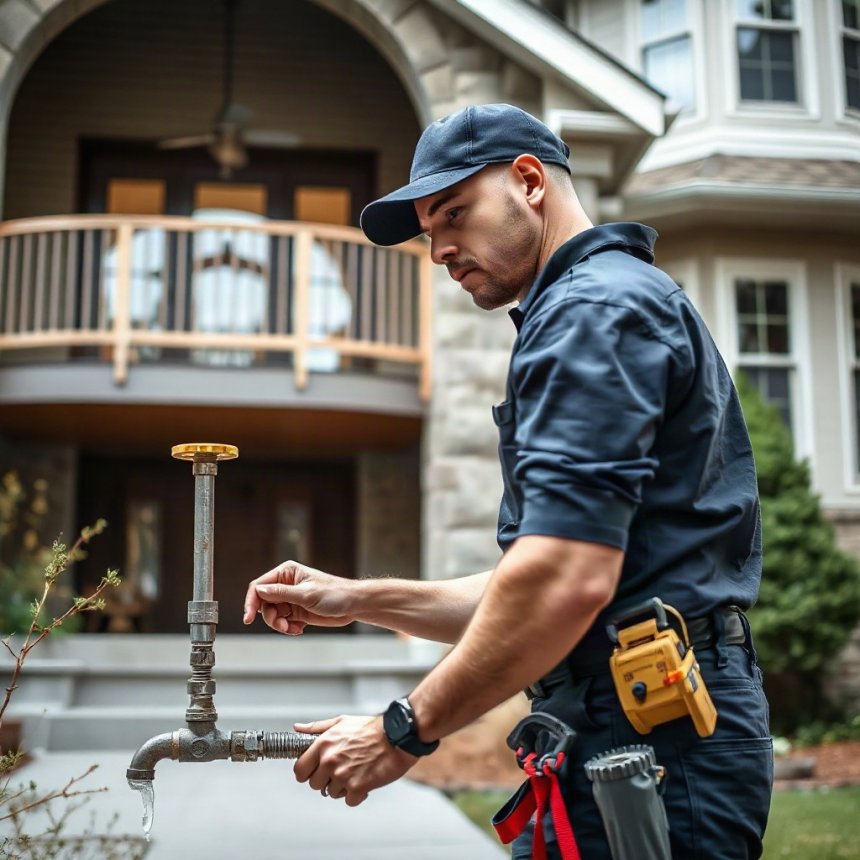
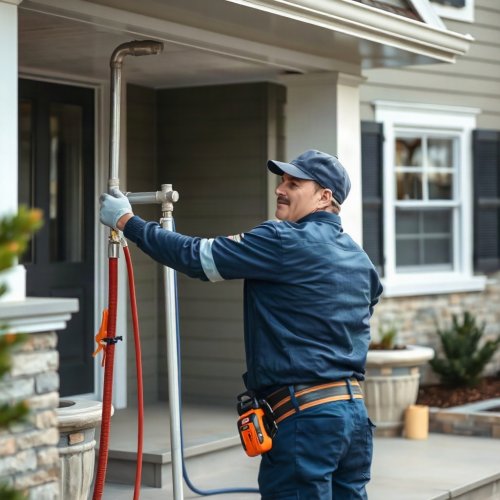
- Attach a Pressure Gauge: Screw a water pressure test gauge onto an outdoor hose bib. Normal residential water pressure typically ranges between 50 and 70 pounds per square inch (psi). Readings significantly below 50 psi indicate a supply-side or PRV restriction, while readings above 80 psi require immediate attention to protect your plumbing joints and appliances.
When to Seek Professional Assistance
While cleaning an aerator is a straightforward DIY task, diagnosing a failing pressure-reducing valve, repairing hidden leaks, or replacing severely corroded main lines requires specialized tools and plumbing expertise. If your pressure gauge test confirms low household pressure and your main valves are fully open, the PRV is likely at fault. Tampering with or adjusting a faulty PRV without the proper gauges can lead to erratic pressure fluctuations that stress water heaters, washing machine hoses, and fixture connections.
Frequently Asked Questions
Can a water heater cause low hot water pressure only?
Yes. If low pressure occurs exclusively when using hot water, the issue is typically isolated to the water heater supply. A partially closed cold water inlet valve on the tank, a failing thermal expansion tank, or sediment buildup restricting the hot water outlet nipple can choke off hot water flow while cold water runs normally.
How do I know if my pressure-reducing valve needs replacement?
If your pressure test gauge shows low readings that do not change when you adjust the adjustment bolt on top of the PRV, the internal components have likely worn out. Age, continuous friction, and hard water mineral wear eventually cause the internal diaphragm to rupture or stiffen.
Does municipal water pressure fluctuate during the day in Gilbert?
Municipal water providers manage distribution pressures across neighborhoods, which can result in minor pressure variations during peak usage hours (such as early morning or evening when many residents are irrigating landscapes or showering). However, these fluctuations are usually subtle. A dramatic or permanent drop points to an issue within your private property plumbing.
Are older galvanized pipes prone to low pressure?
Yes. Homes built with galvanized steel supply pipes experience internal rust and mineral scaling that chokes the pipe diameter over decades. Even if the municipal supply is strong, heavily restricted pipes cannot deliver adequate volume or pressure to multiple fixtures at once.
Why does my pressure drop when I flush the toilet?
A noticeable momentary drop in pressure when another fixture is running or a toilet is flushed usually indicates undersized supply piping, a failing PRV, or a partially restricted main line that cannot maintain volume when demand increases.