NYC Brownstone Drains Smell Like Sewer Gas?
Discover why your NYC brownstone drains smell like sewer gas, common causes, health risks, temporary fixes, and when to call a professional plumber.

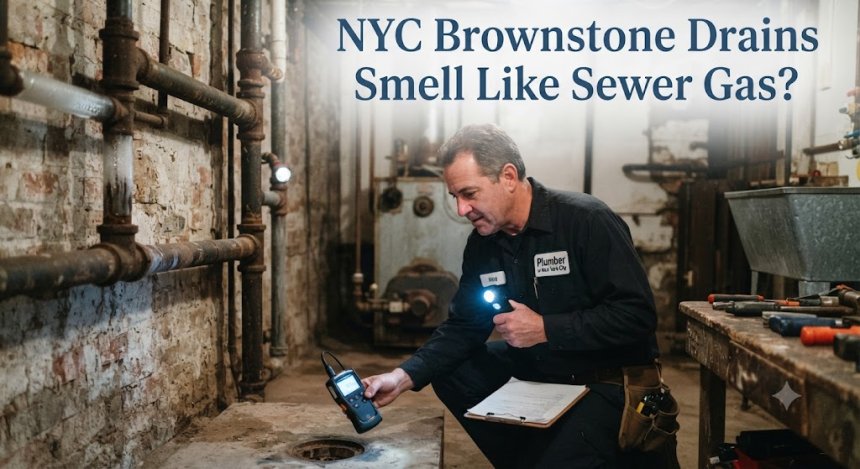
Why Do NYC Brownstone Drains Smell Like Sewer Gas? What Property Owners Must Know
NYC brownstone drains smell like sewer gas is a distressing issue that homeowners, historic property owners, and commercial tenants across Manhattan, Brooklyn, Queens, the Bronx, and Staten Island encounter more frequently than they might expect. Walking into your historic brownstone or apartment and being greeted by the unmistakable, unpleasant odor of rotten eggs or sulfur is not just an annoyance—it can be a warning sign of a compromised plumbing venting system or a serious health hazard. Property owners search for this topic because historic New York City architecture features intricate, aging plumbing systems that require specialized care. Understanding why this foul odor occurs, recognizing the warning signs, and knowing when to call a professional plumbing service can protect your indoor air quality and structural integrity.
What Is a Brownstone Sewer Gas Odor Issue?
A sewer gas odor issue involves the escape of noxious, potentially harmful gases—including hydrogen sulfide, methane, and ammonia—from the building’s sanitary drainage system into living or working spaces.
-
Definition: The breach of the plumbing vapor barrier, allowing raw municipal and building sewer gases to bypass traps and vent stacks, leaking directly out of sink drains, floor drains, or plumbing fixtures.
-
Common Situations: Catching a faint whiff of sewage near a rarely used basement utility sink, or experiencing a heavy, sulfurous stench permeating historic parlor floors after a dry spell.
-
Symptoms: Persistent or intermittent sulfur odors, faint gurgling sounds from toilet bowls or drain lines, and visible condensation or dampness around plumbing fixtures.
-
Examples: A four-story brownstone in Park Slope, Brooklyn, where an unused guest bathroom floor drain dries out during the summer, filling the upper guest quarters with an acrid sewer smell.
Why Does This Plumbing Problem Happen?
Sewer gas odors in New York City brownstones stem from a combination of historic architectural quirks, material degradation, and mechanical failures.
-
Dried-Out P-Traps: Every plumbing fixture features a U-shaped bend called a P-trap designed to hold a small plug of standing water that blocks sewer gases. When a sink, tub, or floor drain goes unused, the water evaporates, opening a direct pathway for gas.
-
Cracked or Corroded Vent Stacks: Brownstones rely on vertical roof vent pipes to equalize air pressure and vent toxic gases safely above the roofline. Cast iron vent stacks in older buildings crack or rust through over decades.
-
Clogged or Blocked Roof Vents: Leaves, bird nests, or winter ice blocks accumulate in narrow roof vent openings, forcing sewer gas back down into house fixtures.
-
Deteriorated Wax Rings and Gasket Seals: Floor-mounted toilets rely on a wax ring seal. When these seals degrade, sewer gas escapes around the base of the toilet bowl.
-
Improper or Outdated Plumbing Installations: DIY remodeling projects or unauthorized historic building alterations often lack proper venting, creating siphonage that pulls water straight out of fixture traps.
-
Sewer Line Cracks and Tree Root Intrusion: Clay or cast iron sewer laterals running beneath the brownstone basement slab or sidewalk can crack, letting sewer gas seep backward into the foundation.
Signs You Should Never Ignore
Foul odors are rarely a standalone symptom and are usually accompanied by other indicators of plumbing distress.
-
Persistent Gurgling Drains: When a toilet gurgles after a washing machine drains, it signals a struggling vent system trying to pull air through fixture traps.
-
Slow Draining Fixtures: Sluggish sinks or tubs point to partial blockages that can trap organic waste, accelerating foul bacterial decomposition.
-
Unexplained Headaches or Nausea: Low-level exposure to sewer gases like hydrogen sulfide inside poorly ventilated historic rooms causes chronic headaches, dizziness, or fatigue.
-
Damp Walls or Ceiling Stains: Leaking waste pipes hidden behind lath-and-plaster brownstone walls release both moisture and foul sewer vapors.
-
Faint Visible Corrosion: White, powdery buildup or heavy rust on cast iron joints indicates minor, continuous weeping of wastewater and gas.
Common Plumbing Problems Related to This Issue
Sewer gas infiltration often points to broader, systemic vulnerabilities within a building's plumbing network.
-
Broken Building Main Drains: Fractured cast iron or clay building drains allow sewage to pool beneath basement slabs, releasing trapped gases.
-
Failed Backwater Valves: Missing or stuck backwater valves leave lower-level brownstone apartments vulnerable to municipal sewer surges and foul gas influxes.
-
Compromised Cast Iron Hubs: Leaking oakum and lead joints in historic multi-story stack pipes fail under shifting structural loads.
-
Water Heater Exhaust Flue Leaks: While distinct from sewer gas, failing flue connections can mimic sulfurous odors and present immediate carbon monoxide dangers.
Step-by-Step Professional Repair Process
When a licensed plumber investigates a persistent sewer gas odor in an NYC property, they execute a precise diagnostic protocol.
-
Step 1 Inspection: The plumber conducts a thorough visual walkthrough of all fixtures, basement cleanouts, roof vents, and visible stack lines.
-
Step 2 Diagnosis: Using specialized electronic sewer gas sniffers, smoke testing equipment, and high-definition drain cameras, the technician isolates the exact point of gas escape.
-
Step 3 Estimate: The plumbing contractor provides a transparent, itemized estimate outlining the necessary repairs, replacement parts, and labor costs.
-
Step 4 Repair: The specialist reseals toilet bases, replaces dried-out trap primers, patches cracked cast iron vents, or clears blocked roof stacks in compliance with NYC plumbing codes.
-
Step 5 Testing: The repaired system undergoes smoke or pressure testing to guarantee absolute airtight integrity.
-
Step 6 Cleanup: The technician ensures the work area is thoroughly cleaned and sanitized.
-
Step 7 Maintenance Advice: The plumber offers tailored guidelines to prevent odor recurrence and protect historic infrastructure.
Can You Fix It Yourself?
Certain minor causes of sewer odors can be safely handled by property owners, while others demand professional intervention.
-
Safe DIY Solutions: Pouring a full pitcher of water down rarely used basement floor drains or guest bathroom sinks instantly restores evaporated P-trap water seals. Cleaning hair and soap scum from bathroom stoppers also eliminates minor organic smells.
-
What Property Owners Can Safely Do: Checking toilets for looseness at the floor mounting bolts and tightening them gently if they rock.
-
When Professional Help Is Mandatory: Any issue involving cracked vent stacks, broken sewer lines, hidden wall leaks, or structural drainage failures requires a licensed master plumber.
Tools Professionals Use
Modern plumbing diagnostics utilize advanced equipment to locate invisible, noxious gases swiftly and accurately.
-
Electronic Gas Detectors: Handheld sensors pinpoint the precise concentration of combustible and toxic sewer gases in tight spaces.
-
Plumbing Smoke Machines: Pump non-toxic, dense white smoke into the drainage system to visually reveal hidden cracks, missing traps, or unsealed vents.
-
Drain Inspection Cameras: Waterproof fiber-optic scopes navigate lateral lines and vent stacks to inspect internal pipe walls.
-
Manometer Pressure Gauges: Measure gas and air pressure differentials within closed plumbing and venting loops.
-
Hydro Jetting Systems: High-pressure water blasters scour grease, scale, and organic buildup from greasy drain lines without damaging sound pipe walls.
How Long Does the Repair Usually Take?
Repair timelines depend entirely on the root cause of the odor.
-
Simple Fixes: Priming a dry P-trap, cleaning a localized fixture trap, or tightening a toilet base takes 30 minutes to 1 hour.
-
Moderate Repairs: Clearing a blocked roof vent, replacing a degraded toilet wax ring, or fixing an accessible under-sink trap assembly takes 1 to 3 hours.
-
Major Repairs: Replacing a cracked cast iron vent stack inside a multi-story wall or repairing a broken main sewer lateral takes 1 to 3 days.
-
Emergency Variables: Historic brownstone wall cavities, restricted access behind antique built-ins, and building management protocols can influence timelines.
Cost Factors
Plumbing repair investments vary based on several key project parameters.
-
Diagnostic Fees: Initial dispatch and advanced electronic gas testing charges.
-
Parts and Materials: Heavy-duty cast iron fittings, specialized no-hub couplings, or historic replica fixtures.
-
Labor Complexity: Working within tight brownstone pipe chases, lath-and-plaster walls, or historic architectural finishes.
-
Emergency Service Rates: Premium fees for after-hours or holiday dispatches.
-
Equipment Deployment: Specialized smoke testing or high-resolution camera gear utilization.
-
Accessibility and Openings: Cutting into and restoring finished walls or historic flooring.
Plumbing repair costs vary depending on the severity of the problem, accessibility, materials required, emergency service, property type, and local labor rates.
Hidden Truths Homeowners Should Know
-
Small sewer gas leaks frequently worsen over time as pipe corrosion spreads.
-
Cheap temporary fixes, such as masking odors with scented sprays, fail to address dangerous gas infiltration.
-
Homeowner insurance policies may deny claims if damage stems from years of deferred maintenance on old cast iron lines.
-
Tree roots can repeatedly invade older brownstone sewer laterals if structural cracks go unlined.
-
DIY mistakes, such as improper venting modifications, increase long-term remediation costs.
-
Delaying repairs exposes occupants to prolonged hydrogen sulfide toxicity.
-
Hidden pipe cracks increase pest attraction, drawing rodents through breaches in the drainage system.
-
Mold develops quickly in damp structural spaces surrounding weeping waste joints.
-
Annual professional plumbing maintenance saves money by catching minor stack cracks early.
15 Common Mistakes Homeowners Make
-
Ignoring intermittent sewer odors, assuming they will dissipate naturally.
-
Using harsh chemical drain cleaners on old cast iron pipes, accelerating interior corrosion.
-
Flushing non-flushable wipes or paper towels down historic sewer lines.
-
Pouring cooking grease and oil down kitchen sinks.
-
Neglecting to pour water down basement floor drains during dry summer months.
-
Hiring unlicensed handymen to alter historic drainage stacks.
-
Skipping annual plumbing and venting inspections.
-
Waiting until a total plumbing backup occurs to investigate odors.
-
Using incorrect pipe materials that fail to match historic cast iron specifications.
-
Over-tightening fragile porcelain or antique brass plumbing fittings.
-
Failing to inspect roof vent stacks for seasonal debris blockages.
-
Relying on air fresheners instead of identifying the physical gas source.
-
Neglecting to check the condition of wax rings beneath rocking toilets.
-
Ignoring slow-draining tubs and sinks that trap decomposing organic matter.
-
Overlooking municipal sewer maintenance responsibilities for private lateral connections.
Maintenance Tips for Odor-Free Plumbing
-
Pour water down all unused guest bathroom and basement floor drains every month to maintain trap seals.
-
Inspect roof vent stacks twice a year, especially in autumn after leaves fall and winter before freezes occur.
-
Schedule annual professional camera inspections for aging cast iron and clay sewer lines.
-
Clean and flush kitchen sink P-traps regularly to remove decomposing food waste and grease buildup.
-
Keep bathroom exhaust fans running during and after showers to maintain good indoor air circulation.
-
Avoid pouring cooking oil, grease, or coffee grounds down any household drain.
-
Check toilet bases regularly for water seepage, rocking movement, or cracked grout lines.
-
Monitor basement utility areas for damp spots or musty odors.
-
Replace worn rubber gaskets and washers on sink tailpieces before they begin weeping.
-
Hire licensed plumbers for any major renovations that alter branch drain lines or vent paths.
-
Install mesh guards on roof vent pipes to prevent squirrels and birds from nesting inside.
-
Address slow drains immediately with mechanical snaking rather than chemical destroyers.
-
Keep cleanout plugs tightly sealed and easily accessible in basement utility rooms.
-
Maintain clear records of all past plumbing repairs and stack replacements.
-
Partner with a trusted local contractor for routine preventive service.
When Should You Call an Emergency Plumber?
-
Sudden, overwhelming floods of raw sewage backing up into basement floor drains or lower-level fixtures.
-
Persistent, strong sewer gas odors that cause physical symptoms like dizziness, nausea, or severe headaches.
-
Multiple plumbing fixtures backing up simultaneously across different floors of the building.
-
Visible structural cracking or collapsing of main soil stacks.
-
Suspected natural gas or propane leaks accompanying plumbing odors.
-
Major water line breaks flooding sub-floor utility spaces.
Frequently Asked Questions
-
Why is my water pressure suddenly low in my brownstone? Sudden low water pressure often results from mineral scale buildup in aging galvanized supply lines, a partially closed main valve, or a hidden supply leak.
-
How much does professional leak detection cost? Diagnostic and leak detection costs vary depending on the equipment required, property size, and the accessibility of the suspected problem area.
-
Can a clogged drain damage my historic pipes? Yes. Severe clogs create excessive internal pressure and cause standing water to accelerate corrosion in older metal pipe walls.
-
Is hydro jetting safe for old brownstone pipes? Hydro jetting requires an initial camera inspection; while safe for sound cast iron, fragile or heavily corroded historic lines may require alternative cleaning methods.
-
How do I know if my building sewer line is broken? Frequent backups, soggy patches on the property lawn, foul outdoor odors, and slow-draining lower-level fixtures strongly indicate a broken sewer line.
-
How long do historic water heaters last in NYC buildings? Standard tank water heaters typically last between 8 to 12 years, depending on water chemistry, maintenance frequency, and usage intensity.
-
Why does my kitchen faucet drip intermittently? A dripping faucet is usually caused by a worn-out internal washer, cartridge, or O-ring that needs replacement.
-
What causes pipes to burst during winter? Pipes burst when stagnant water inside uninsulated exterior walls freezes, expands, and exerts immense outward pressure on the pipe walls.
-
Can plumbing leaks significantly increase my utility bills? Yes. Even a small, continuous hidden leak wastes thousands of gallons of water over a billing cycle, driving up utility costs.
-
When should I replace my plumbing system instead of repairing it? If your pipes suffer from widespread corrosion, frequent pinhole leaks, or outdated materials like lead or failing galvanized steel, full replacement is the smartest long-term investment.