Why Multiple Drains Keep Backing Up in Astoria Home
Experiencing multiple drains backing up in Astoria, Queens? Learn the causes, warning signs, and when to call a plumber for sewer line clogs.
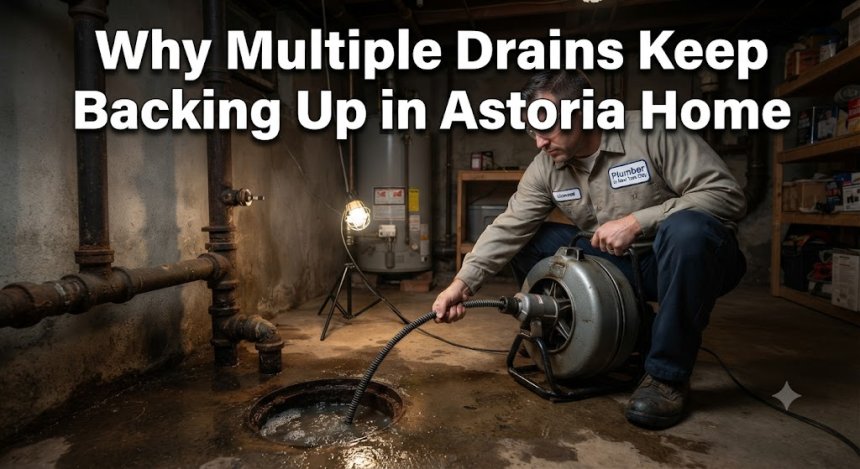
Dealing with a scenario where multiple drains keep backing up is an alarming experience for any homeowner or business operator in Astoria, Queens, or neighboring communities like Long Island City, Sunnyside, and Woodside. When your kitchen sink starts gurgling every time the upstairs toilet flushes, or your basement floor drain fills with gray water while you run the washing machine, you are looking at a systemic drainage failure rather than a simple localized clog. Property owners across Queens search for answers to this issue because municipal and private drainage networks in older urban neighborhoods face intense daily stress from aging infrastructure, dense tree canopies, and heavy grease loads. Immediate attention is vital to prevent catastrophic sewage overflows, structural water damage, and severe health hazards inside your home or commercial establishment.
What Is Multiple Drains Backing Up?
Multiple drains backing up refers to a major blockage or structural failure in a building's main sanitary drainage system where wastewater from several plumbing fixtures converges before leaving the property.
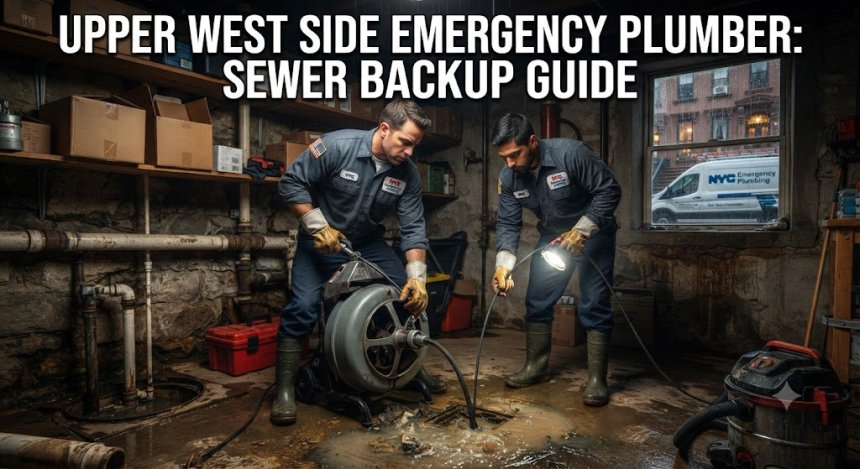
Common situations involve simultaneous backups across multiple stories, such as a second-floor bathroom sink refusing to empty while a ground-floor kitchen sink bubbles up foul-smelling water. Symptoms include widespread slow draining, deep gurgling noises inside interior walls when plumbing appliances run, and raw sewage pooling around lowest-level floor drains or cleanout ports.
These events happen because an obstruction deep within the main horizontal branch, the house trap, or the underground sewer lateral forces wastewater backward up through the path of least resistance—typically the lowest fixtures in the building.
Why Does This Plumbing Problem Happen?
Urban drainage networks experience heavy wear and tear that leads to severe internal blockages over time.
-
Aging pipes: Many homes in Astoria and Queens feature decades-old cast-iron or clay sewer lines that develop rough interior walls and heavy scaling.
-
Corrosion: Rust and oxidation accumulate inside older metal pipes, narrowing the interior diameter and catching paper, hair, and waste.
-
Tree roots: Mature London plane and oak trees lining Queens streets often send aggressive roots through minor pipe joints or cracks in search of moisture.
-
Hard water mineral scale: Mineral precipitation coats interior pipe surfaces, gradually choking off standard flow capacities.
-
Improper installation or shifting soil: Ground settling or unpermitted past renovations can alter proper pipe pitch, creating low spots where solid waste accumulates.
-
Grease and food waste buildup: Cooking fats, oils, and grease poured down kitchen sinks solidify in cold cellar lines, forming rock-hard blockages.
Signs You Should Never Ignore
-
Simultaneous fixture backups: If multiple plumbing units on different floors back up together, your main drainage line is compromised.
-
Foul sewage odors in the basement or cellar: Persistent rotten-egg smells indicate trapped organic matter or a dry house trap letting sewer gases escape.
-
Gurgling sounds in plumbing fixtures: Hearing bubbles when a toilet flushes or a washing machine drains means air is trapped by an advancing downstream blockage.
-
Unusually slow drainage across the house: When every sink, tub, and shower drains sluggishly, the restriction is systemic rather than localized.
-
Standing water in yards or paved areas: Unexplained wet patches outdoors above the sewer line path point to a cracked or broken exterior lateral.
-
Unwanted pest infestations: Blocked, stagnant organic matter inside drain lines attracts flies and insects into living areas.
Common Plumbing Problems Related to Isue
-
Cellar sewage overflows: Raw wastewater flooding lower-level storage spaces, mechanical rooms, or finished basements.
-
Broken or collapsed house traps: Failures in the traditional U-shaped iron trap in the cellar floor designed to block municipal sewer gases.
-
Branch line obstructions: Localized clogs where individual fixture lines feed into the main vertical stack.
-
Sub-slab pipe cracks: Fractures in drainage lines running beneath concrete basement floors due to earth movement.
-
Sump pump failures: Flooding in below-grade spaces when backup drainage pumps fail during heavy downpours.
Step-by-Step Professional Repair Process
-
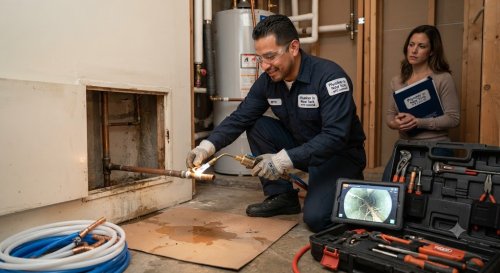
Inspection: A licensed plumber evaluates the cellar layout, cleanout access points, and affected lower-level fixtures.
-
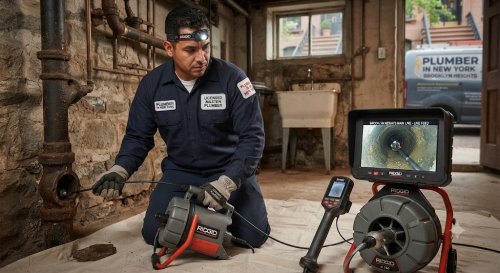
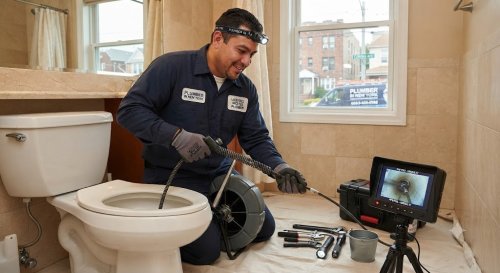
Diagnosis: High-definition fiber-optic cameras are navigated through the main line to pinpoint the exact location and nature of the blockage.
-
Estimate: The plumber delivers a transparent, comprehensive cost breakdown outlining the required clearing method and equipment.
-
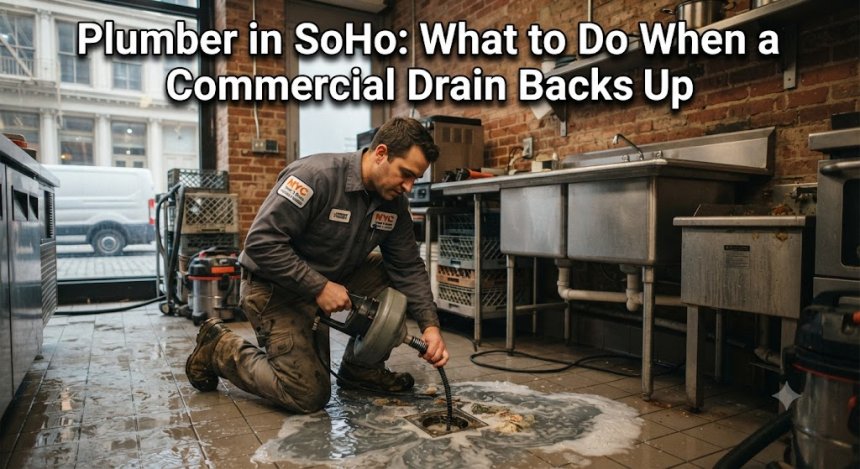
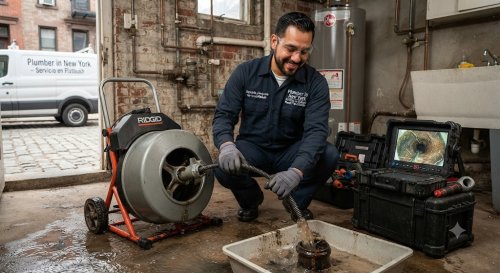
Repair: The specialist clears the blockage using mechanical cutting cables, high-pressure hydro jetting, or excavates and replaces damaged pipe sections if structural collapse has occurred.
-
Testing: Water is run heavily through upper fixtures while the main line is monitored via camera to ensure smooth, unobstructed discharge.
-
Cleanup: The work area is thoroughly sanitized and cleared of operational debris, leaving the space clean and safe.
-
Maintenance Advice: The plumber provides a detailed report of the line's condition and outlines custom maintenance schedules to prevent future backups.
Can You Fix It Yourself?
While minor sink clogs can sometimes be handled with a household plunger or basic hand snake, attempting to clear a systemic main drain backup yourself is strongly discouraged. Safe DIY measures are strictly limited to using a small plunger on individual surface fixtures.
DIY intervention becomes dangerous and counterproductive the moment you attempt to force heavy motorized snakes or harsh chemical drain openers into main cellar cleanouts. Pouring chemical solvents down a backed-up main line often results in the caustic liquid sitting in the pipe or splashing back onto your skin and eyes, causing severe chemical burns. Furthermore, improper snaking can puncture fragile, corroded historic cast-iron pipes, turning a simple slow drain into a catastrophic basement flood. Professional plumbing intervention is mandatory for main line obstructions.
Tools Professionals Use
-
Drain cameras (borescopes): High-definition fiber-optic video systems that transmit a live feed of the pipe interior to a monitor, revealing cracks, roots, and grease buildup with pinpoint accuracy.
-
Hydro jetting machines: Commercial-grade water-blasting units operating at high pressures that scour pipe walls completely clean of scale, grease, and hardened sludge.
-
Heavy-duty motorized cable machines (snakes): Powerful augers equipped with specialized cutting blades designed to slice through invasive tree roots and break apart dense paper blockages.
-
Electronic pipe locators: Radio transmitters paired with surface sensors to map the exact depth and geographic path of buried sewer lines beneath concrete floors or front yards.
-
Trenchless pipe lining kits: Advanced epoxy-resin systems that rehabilitate cracked or damaged underground pipes from the inside without requiring destructive trench excavation.
How Long Does the Repair Usually Take?
-
Simple main line snaking and clearing: 1 to 2 hours.
-
Hydro jetting restorative cleaning: 2 to 4 hours depending on the density of scale and grease accumulation.
-
Moderate repairs (e.g., replacing a broken house trap or section of cast-iron stack): 4 to 8 hours.
-
Major repairs (e.g., excavating cellar slabs or replacing underground sewer laterals): 2 to 5 days depending on permit approvals and concrete curing times.
Repair times vary based on the severity of the problem, accessibility, materials required, emergency service, property type, and local labor rates.
Cost Factors
-
Diagnostic fees: Initial inspection and camera scoping charges to locate the blockage.
-
Accessibility of pipes: Additional labor required if pipes are buried deep beneath thick concrete cellar floors or custom basement built-ins.
-
Parts and materials: Heavy-duty cast-iron, schedule 40 PVC, or copper replacement materials compliant with local building codes.
-
Emergency service charges: Overtime, weekend, or holiday dispatch rates for urgent late-night sewage overflows.
-
Specialized equipment required: Utilization of hydro jetters or trenchless lining technology.
-
Permit and municipal filing costs: Department of Transportation (DOT) or Department of Environmental Protection (DEP) permits if exterior sidewalk or street excavation is required.
Plumbing repair costs vary depending on the severity of the problem, accessibility, materials required, emergency service, property type, and local labor rates.
Hidden Truths Homeowners Should Know
Small, localized slow drains in basement areas almost always signal an advancing main line restriction that will soon escalate into a full sewage backup. Cheap temporary fixes, such as pouring store-bought chemical drain cleaners down multiple fixtures, rarely dissolve heavy root intrusions or thick grease cakes, and they frequently ruin older pipe seals. Property insurance policies often deny coverage for water and sewage damage if it is proven that the homeowner neglected routine maintenance or delayed known repairs.
Tree roots can repeatedly penetrate underground sewer lines year after year unless structural cracks are permanently sealed with lining or replacement. Hard water mineral scaling relentlessly narrows pipe diameters, steadily reducing the hydraulic capacity of your drainage system. DIY mistakes, such as forcing an oversized snake through a fragile elbow joint, drastically multiply repair bills by causing interior property destruction. Delaying repairs causes structural timber rot and mold growth in cellar framing. Hidden main line leaks also inflate utility bills if combined water supply lines are affected. Mold develops rapidly in damp basements within 24 to 48 hours of a backup. Annual professional maintenance saves money by catching minor blockages before emergency strikes.
15 Common Mistakes Homeowners Make
-
Ignoring early slow-drain warnings: Always investigate sluggish basement fixtures before they result in complete sewer overflows.
-
Using chemical drain cleaners on old cast iron: Harsh chemical solvents accelerate corrosion in historic metal pipes; use mechanical clearing instead.
-
Flushing "flushable" wipes: Modern wipes do not disintegrate quickly enough and get trapped in pipe offsets.
-
Pouring cooking grease down kitchen sinks: Hot grease hardens inside cold cellar lines, binding with debris to form rock-solid clogs.
-
Skipping regular sewer line inspections: Schedule camera inspections every few years for older Queens properties.
-
Hiring unlicensed handymen: Always ensure your contractor holds a valid license and proper insurance.
-
Waiting until a total emergency occurs: Build a relationship with a trusted local plumber before a crisis hits.
-
Using incorrect pipe materials for repairs: Always match historic specifications with code-compliant modern materials.
-
Over-tightening old threaded fittings: Forcing rusted brass or iron fittings cracks adjoining components.
-
Failing to locate main sewer cleanouts: Every homeowner must know where cellar cleanout plugs are located.
-
Neglecting exterior yard drains and area ways: Keep cellar stairwells and front area drains clear of leaves and debris.
-
Planting large trees near sewer laterals: Avoid planting deep-root trees directly over underground sewer lines.
-
Ignoring minor cellar dampness: Address basement moisture quickly to prevent structural wood rot.
-
Failing to request certificates of insurance: Ensure your contractor provides a COI before starting any work on the property.
-
Attempting DIY main line excavation: Never dig into cellar floors or sidewalk vaults without professional utility markouts.
Maintenance Tips
-
Schedule an annual professional video camera inspection of your main sewer line to catch root intrusion and scale early.
-
Never pour cooking oil, grease, or coffee grounds down any sink drain in the building.
-
Install hair-catching strainers in all showers, tubs, and bathroom sinks across every floor.
-
Run hot water down kitchen drains for a few minutes weekly to help liquefy and wash away minor soap and grease accumulations.
-
Keep cellar stairwell drains and window well grates clear of autumn leaves, trash, and windblown debris.
-
Avoid planting willow, maple, or birch trees near the path of your underground sewer lateral line.
-
Test your basement sump pump and backwater prevention valves seasonally before heavy spring rains arrive.
-
Educate all building occupants or tenants on what items are strictly prohibited from being flushed down toilets.
-
Inspect cellar floor drains regularly to ensure the trap primer or standing water seal remains intact against sewer gases.
-
Keep cellar cleanout access ports completely unblocked and easy for a plumber to reach in an emergency.
-
Consider scheduling proactive hydro jetting every 2 to 3 years if your property features older, high-use drainage lines.
-
Insulate exposed cellar water and drain pipes against freezing during severe winter cold snaps.
-
Monitor monthly water bills for unexplained increases that could signify hidden continuous leaks.
-
Check washing machine discharge hoses annually for signs of bulging, cracking, or loose connections.
-
Keep emergency plumber contact numbers clearly posted near the main electrical panel and water shut-off valves.
When Should You Call an Emergency Plumber?
-
Severe sewage backups: Raw wastewater flooding living spaces or cellar floors requires immediate professional containment.
-
Burst or heavily fractured main pipes: Major structural breaks in main supply or drain lines that flood the interior.
-
Total loss of building drainage: When multiple toilets and sinks across the property refuse to drain entirely.
-
Overflowing toilets that cannot be stopped: A fixture backing up continuously without a functioning wall or riser shut-off.
-
Gas line odors or suspected leaks: Smelling gas near your boiler or kitchen range requires immediate evacuation and emergency service.
-
Major structural flooding: Uncontrolled water rushing into basement mechanical rooms or historic parlors.
Frequently Asked Questions
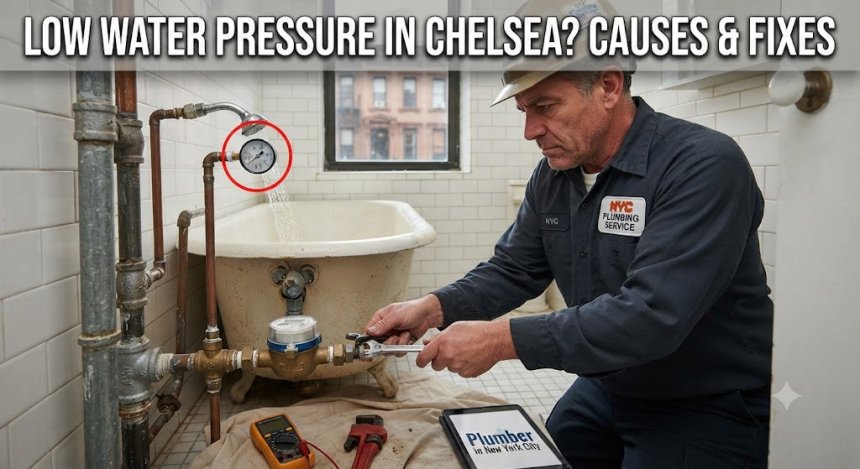
Why is my water pressure suddenly low? Sudden low pressure is usually caused by a clogged faucet aerator, a partially closed supply valve, or municipal water main maintenance in your neighborhood.
How much does leak detection cost? Diagnostic leak detection pricing varies depending on whether acoustic listening tools, thermal cameras, or video borescopes are needed to inspect hidden areas.
Can a clogged drain damage pipes? Yes. Persistent clogs exert extreme hydrostatic pressure on pipe walls, leading to joint separation, micro-cracks, and eventual structural leaks.
Is hydro jetting safe for old pipes? An experienced professional must inspect older cast-iron lines with a camera first; severely compromised pipes may require alternative rehabilitation methods rather than high-pressure jetting.
How do I know if my sewer line is broken? Frequent lower-floor backups, wet patches in the yard, persistent foul odors, and slow drains throughout the house are clear signs of a broken sewer line.
How long do water heaters last? Standard tank water heaters typically last between 8 to 12 years, while tankless units can last up to 20 years with proper descaling maintenance.
Why does my faucet drip? A dripping faucet is generally caused by a worn-out rubber washer, corroded valve seat, or a failing ceramic disc cartridge.
What causes pipes to burst? Pipes most commonly burst due to the expansion of freezing water inside uninsulated walls, severe internal corrosion, or excessive water pressure surges.
Can plumbing leaks increase my water bill? Even a small, silent toilet flapper leak can waste thousands of gallons of water per month, driving up municipal utility bills significantly.
When should I replace plumbing instead of repairing it? When pipes show widespread wall corrosion, frequent pinhole leaks, or have exceeded 50 years of age, a full replacement is far more cost-effective than endless patching.