What Causes Low Water Pressure in Gilbert AZ Homes? A Plumber's Guide


Understanding Low Water Pressure in Gilbert Homes
Dealing with a trickle instead of a steady stream when you turn on the shower or kitchen faucet is more than just an annoyance—it disrupts daily routines and often signals an underlying issue within your plumbing system. When water pressure drops across a home in Gilbert, Arizona, the causes can range from simple surface blockages at the fixture level to complex mechanical failures in the main supply line or pressure regulation equipment.
A proper diagnosis starts by determining whether the pressure drop affects a single fixture or the entire house. If only one bathroom sink experiences weak flow, the restriction is localized. If every shower, hose bib, and faucet in the house feels sluggish, the problem originates upstream at the water meter, main shut-off valve, or pressure-reducing valve (PRV).
Localized Fixture Restrictions and Aerator Scaling
When low pressure is confined to a specific faucet or showerhead, the culprit is usually mineral buildup or debris trapped right at the outlet. Gilbert water carries high concentrations of dissolved minerals, primarily calcium and magnesium. As water evaporates at the tip of a faucet, these minerals leave behind hard, white crust deposits known as scale.
Over time, scale chokes off the internal mesh screens of faucet aerators and the tiny rubber nozzles of showerheads. Fortunately, this is the easiest issue to address:
- Unscrew the aerator tip from the end of the faucet spout.
- Inspect the internal screens for trapped sediment, sand, or mineral flakes.
- Soak the parts in a mild descaling solution or white vinegar to dissolve the mineral buildup.
- Rinse thoroughly and screw the aerator back into place.
If clearing the aerator does not restore full flow, the restriction may lie deeper inside the faucet cartridge or supply tubes, requiring replacement of the internal valve components.
The Role of the Pressure-Reducing Valve (PRV)
If your entire Gilbert home suffers from sudden or progressive low water pressure, the pressure-reducing valve is one of the first mechanical components a professional will check. Most municipal water supplies enter residential properties at pressures higher than household plumbing can safely handle—often exceeding 80 pounds per square inch (psi). A PRV lowers this incoming pressure to a safe range, typically between 50 and 60 psi.
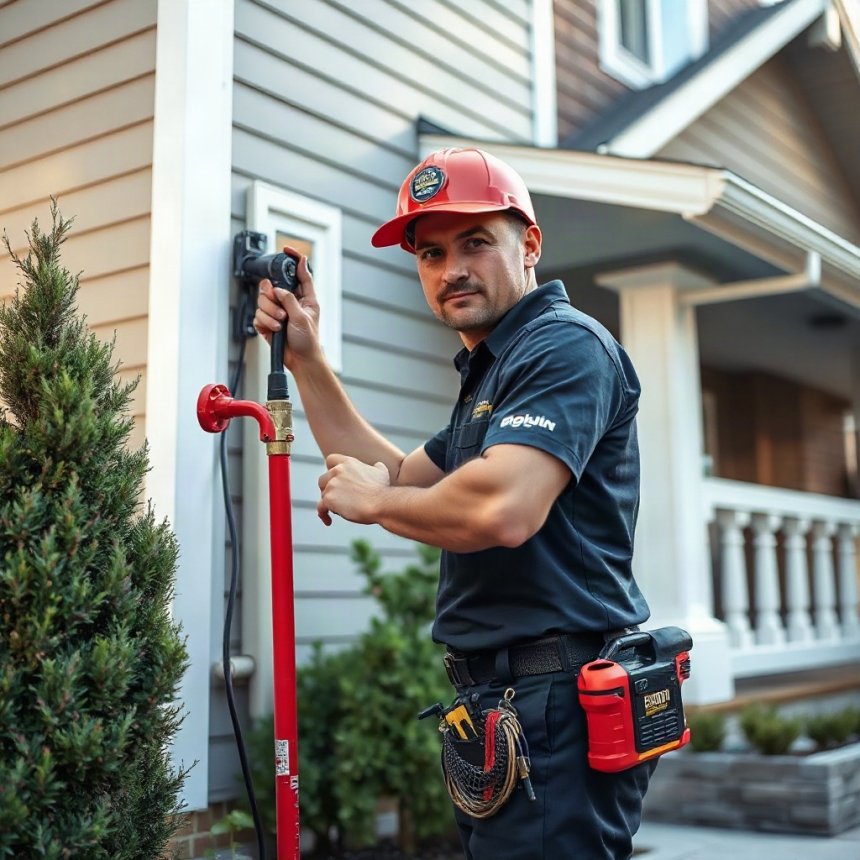
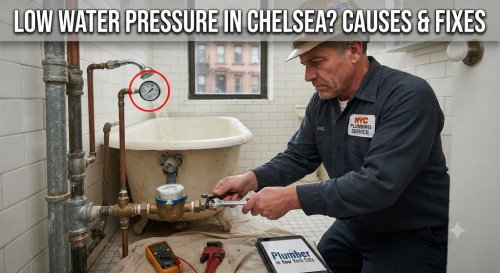
Over years of continuous operation, the internal springs and rubber diaphragms inside a PRV fatigue and fail. When a PRV fails, it often sticks in a restricted position, severely choking the volume and pressure of water entering the home. Testing a PRV requires attaching a specialized pressure gauge to an outdoor hose bib. If the gauge shows low pressure, and adjusting the top bolt on the PRV does not change the reading, the valve has likely failed and must be replaced by a licensed plumber.
Main Shut-Off Valve and Municipal Supply Factors
Another common whole-house cause is a partially closed main water shut-off valve. Whether it is the municipal gate valve near the street meter box or the main brass ball valve where the water line enters your garage or exterior wall, a valve that is not fully open restricts volume. If someone performed recent property maintenance or landscaping work, a shut-off valve may have been inadvertently left throttled back.
Additionally, exterior factors can play a role. Municipal supply pressure fluctuations managed by local utility providers can occasionally cause temporary drops, though persistent low pressure points toward private property conditions, such as pipe corrosion or underground leaks.
Mineral Buildup Inside Galvanized and Copper Piping
Older residential properties in the region constructed with galvanized steel pipes face a specific internal degradation process. Over decades, mineral precipitation bonds to the interior walls of galvanized steel lines, progressively narrowing the internal diameter of the pipe. This restricts the volume of water that can travel through the system, creating noticeable pressure drops whenever multiple fixtures run at the same time.
While modern PEX and copper piping resist this type of internal scaling much better than older metals, hard water deposits can still accumulate at fittings, elbows, and shut-off valves over long periods, subtly choking flow rates.
Frequently Asked Questions
How can I tell if my low water pressure is a city problem or my house?
Check the hose bib closest to your water meter, which is usually located near the front property line or street. If the pressure directly at that outdoor spigot is strong, the municipal supply is fine, and the restriction is located somewhere inside your home's private plumbing system.
Is low water pressure harmful to my plumbing appliances?
Low pressure itself rarely causes physical damage to pipes, but it can cause appliances like washing machines and dishwashers to malfunction because they rely on adequate water force to cycle correctly and fill within designated timeframes.
Can a water softener affect my home's water pressure?
Yes. If a water softener's resin bed becomes fouled with sediment or iron, or if the control valve experiences internal mechanical failure, it can restrict water flow to the entire house. Checking the system's bypass valve can help determine if the softener is causing the restriction.
When should I call a professional plumber for low water pressure?
You should contact a qualified plumber if whole-house pressure drops suddenly without an obvious cause, if your pressure-reducing valve is leaking or unresponsive, or if you suspect an underground leak is siphoning away your water supply.