Emergency Plumber Lower East Side: Toilet Overflow
Discover what to do when your toilet overflows in the Lower East Side. Learn causes, emergency steps, repair costs, and when to call a plumber.

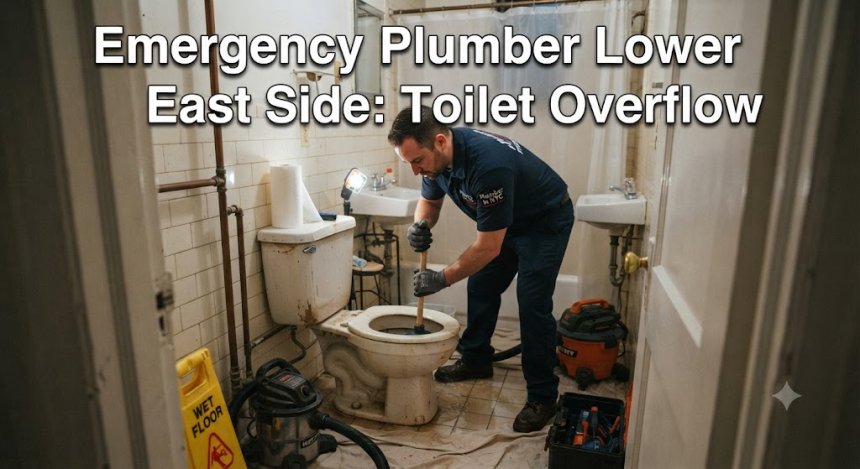
Why an Emergency Plumber in Lower East Side Is Needed When a Toilet Overflows
Stepping into your bathroom to find gallons of wastewater pooling across the floor is every resident's nightmare. Needing an emergency plumber in Lower East Side happens more often than people think, particularly in historic tenement buildings and walk-ups spanning neighborhoods like Alphabet City, Chinatown, and the broader Manhattan area within New York County. When a toilet overflows aggressively, it threatens your apartment's hardwood floors, slips through subfloors to damage downstairs neighbors, and exposes your family to hazardous pathogens. Residents search for guidance on this urgent topic because an overflowing fixture requires split-second reactions to stop structural contamination and minimize property destruction before professional tools are deployed.
What Is an Overflowing Toilet Emergency?
An overflowing toilet emergency is an uncontrolled surge of bowl water and raw sewage spilling over the rim onto finished floors due to an immediate blockage or system backup.
-
Definition: A sudden failure of the wastewater drainage path that causes a bowl's contents to rise past the rim instead of clearing down the sanitary stack.
-
Common Situations: Happening unexpectedly during busy mornings in multi-family rental units or historic walk-ups with aged, narrow waste lines.
-
Symptoms: Water rising dangerously close to the top of the bowl, slow gurgling sounds from nearby tubs, and wastewater spilling onto bathroom tiles.
-
Example: Flushing a bathroom stall only to watch the water level climb rapidly over the ceramic rim, pooling around your baseboards and vanity cabinets.
Why Does This Plumbing Problem Happen?
Toilet overflows in dense urban environments are triggered by physical blockages, structural line failures, or municipal system stressors.
-
Aging Pipes: Decades-old cast-iron waste stacks accumulate interior rust and scale that catch toilet paper and debris.
-
Corrosion: Rusted internal mechanisms and corroded flush valves prevent proper tank closure and water regulation.
-
Tree Roots: Aggressive roots from street trees in New York County infiltrate outdoor sewer laterals, backing up whole-building stacks.
-
Hard Water: Mineral scale buildup restricts the jet holes under the toilet rim, lowering flush efficiency and causing partial clogs.
-
High Water Pressure: Excessive fill valve pressure forces too much water into the tank, disrupting normal siphon action.
-
Improper Installation: Poorly aligned waste flanges create a lip that catches solid waste during a flush.
-
Clogs: Flushing non-flushable wipes, paper towels, and hygiene products remains the number one cause of sudden residential overflows.
-
Sewer Backups: Municipal main blockages force city wastewater backward into ground-floor apartments and basements.
Signs You Should Never Ignore
Recognizing early warning signs prevents sudden catastrophic overflows and costly emergency remediation calls.
-
Water Stains: Discolored patches on ceilings or drywall below your bathroom point to chronic, slow waste leaks.
-
Slow Drains: Gurgling bathtubs and sluggish sink bowls indicate a main sanitary stack restriction upstream or downstream.
-
Low Water Pressure: While tied more to supply lines, pressure drops can accompany complicated multi-fixture drainage failures.
-
High Water Bills: Unexplained meter movement often reveals silent fixture leaks or continuous flapper running.
-
Damp Walls: Moisture radiating through drywall near wet walls indicates weeping waste or supply connections.
-
Mold Growth: Musty odors and mildew blooms around bathroom bases signify persistent, hidden moisture.
-
Strange Noises: Bubbling or gurgling sounds from your toilet when running the washing machine signal venting problems.
-
Bad Smells: Fowl sewer gas odors escaping from dry floor drains point to venting or trap failures.
-
Standing Water: Puddles pooling around the toilet base mean the wax ring or floor flange has failed.
-
Discolored Water: Muddy or rust-tinged water appearing in bowls indicates pipe degradation within the building stack.
Common Plumbing Problems Related to This Issue
Toilet overflows frequently trigger broader structural and mechanical plumbing emergencies throughout an urban property.
-
Pipe Leaks: Heavy back-pressure forces water through compromised pipe joints behind walls and beneath floors.
-
Drain Clogs: Main stack obstructions affect every connected fixture, including kitchen sinks and showers.
-
Sewer Backups: Raw municipal sewage flooding living areas due to blocked neighborhood main lines.
-
Water Heater Failures: Overflow water shorting out nearby electrical tank units or damaging bases.
-
Fixture Damage: Rusted floor flanges, cracked porcelain bowls, and warped subflooring requiring total replacement.
Step-By-Step Professional Repair Process
Licensed professionals follow a rigorous protocol to resolve overflowing toilets safely and restore complete sanitary functionality.
-
Step 1 Inspection: The plumber assesses the immediate mess, checks nearby fixtures, and locates the bathroom water supply shut-off.
-
Step 2 Diagnosis: Using specialized drain cameras or pressure tests, the technician identifies whether the clog is localized or within the main building stack.
-
Step 3 Estimate: A clear, itemized quote detailing labor, emergency dispatch, and required parts is presented before work begins.
-
Step 4 Repair: The plumber clears the obstruction using commercial augers, hydro jetting, or replaces a faulty flush mechanism and wax ring.
-
Step 5 Testing: Multiple test flushes are performed to verify smooth drainage and secure baseline water levels in the bowl.
-
Step 6 Cleanup: The work zone is sanitized with professional disinfectants, and wet debris is safely cleared away.
-
Step 7 Maintenance Advice: The technician provides practical guidance on preventing future clogs and maintaining urban waste lines.
Can You Fix It Yourself?
Homeowners can manage basic localized clogs, but true overflow emergencies require immediate professional intervention.
-
Safe DIY Solutions: Using a heavy-duty flange plunger with a reciprocating motion to clear simple trap blockages.
-
Temporary Fixes: Reaching down to close the toilet supply valve behind the bowl to stop incoming water instantly.
-
What Homeowners Can Safely Do: Mopping up clean overflow water with towels and opening bathroom windows for ventilation.
-
When DIY Becomes Dangerous: Pouring caustic chemical drain openers into an overflowing bowl where splashing can cause severe chemical burns.
-
When Professional Plumbing is Necessary: Whenever multiple fixtures back up simultaneously or raw sewage floods the apartment floors.
Tools Professionals Use
Advanced equipment ensures rapid diagnosis and non-destructive clearing of stubborn urban drainage blockages.
-
Drain Cameras: Waterproof fiber-optic scopes inserted into waste pipes to view obstructions and root intrusions in real-time.
-
Leak Detection Equipment: Acoustic sensors that trace hidden water migration through multi-story building walls.
-
Hydro Jetting: High-pressure water streams that scour grease, scale, and wipes completely from old cast-iron pipes.
-
Pipe Locators: Radio transmitters used to map buried or concealed drain paths accurately.
-
Trenchless Equipment: Lining tools used to repair damaged sewer laterals without excavating floors or streets.
How Long Does the Repair Usually Take?
Repair timelines vary widely based on the severity of the blockage and the condition of the building's infrastructure.
-
Simple Repairs: Clearing a standard toilet trap clog with an auger takes 30 to 45 minutes.
-
Moderate Repairs: Replacing a broken fill valve, flapper, or wax ring takes 1 to 2 hours.
-
Major Repairs: Clearing a deep main stack obstruction or repairing a cracked waste flange takes 2 to 4 hours.
-
Emergency Repairs: Mitigating major sewage backups and sanitizing lines typically takes 3 to 6 hours.
Cost Factors
Plumbing repair costs vary depending on the severity of the problem, accessibility, materials required, emergency service, property type, and local labor rates.
-
Diagnostic Fees: Flat rates charged to mobilize an emergency crew to your Lower East Side location.
-
Parts: Expenses for replacement flush valves, wax rings, new toilets, or specialized piping components.
-
Labor: Hourly or flat-rate charges reflecting the urgency and licensing requirements of NYC tradespeople.
-
Emergency Service Charges: Premium fees applied for midnight, holiday, or weekend dispatch calls.
-
Equipment Needed: Additional costs for deploying heavy machinery like hydro jetters or industrial sewer cameras.
Hidden Truths Homeowners Should Know
Navigating urban plumbing realities protects your investment and ensures long-term residential health.
-
Small, ignored slow-draining episodes inevitably turn into expensive midnight sewage floods.
-
Cheap chemical drain cleaners frequently eat away at old metal pipe joints, causing hidden leaks.
-
Homeowners insurance often rejects claims resulting from neglected long-term plumbing maintenance.
-
Aggressive tree roots will repeatedly fracture building sewer lines unless professionally cleared and lined.
-
Hard water drastically shortens the operational lifespan of internal flush valves and gaskets.
-
DIY plumbing mistakes multiply repair costs by violating strict municipal building codes.
-
Delaying cleanup allows trapped moisture to spawn toxic mold within 24 hours.
-
Hidden stack leaks drive up water consumption metrics and weaken structural timber.
-
Annual plumbing maintenance plans save thousands in emergency repair fees.
-
Professional intervention preserves historic building finishes better than amateur guesswork.
15 Common Mistakes Homeowners Make
Avoiding these frequent errors prevents minor bathroom hiccups from escalating into full-scale building disasters.
-
Ignoring early gurgling sounds or slow toilet drainage.
-
Pouring harsh chemical drain cleaners down toilets with existing mechanical jams.
-
Flushing "flushable" wipes that fail to dissolve in old municipal pipes.
-
Pouring cooking grease down kitchen sinks that eventually merges with bathroom stack clogs.
-
Failing to locate the main bathroom water supply valve prior to an emergency.
-
Hiring unlicensed handymen for complex waste stack repairs.
-
Skipping routine annual plumbing system checkups.
-
Waiting until a total overflow occurs before calling a professional.
-
Using incompatible plastic and metal pipe materials during quick fixes.
-
Over-tightening porcelain bolts, causing the toilet base to crack.
-
Failing to insulate basement drain pipes exposed to cold winter drafts.
-
Neglecting co-op or landlord approval rules before initiating major plumbing work.
-
Ignoring continuous minor running water sounds inside the tank.
-
Failing to keep records of past plumbing contractor invoices.
-
Covering up water-damaged subfloors without treating the mold source.
Maintenance Tips
Proactive care keeps your urban plumbing system flowing efficiently through every season.
-
Never flush wet wipes, paper towels, cotton balls, or feminine products.
-
Test your bathroom water supply shut-off valve every six months to ensure smooth operation.
-
Schedule an annual professional camera inspection for older building waste stacks.
-
Clean mineral scale from rim jet holes using vinegar and a soft brush.
-
Monitor your monthly water bills for unexplained consumption increases.
-
Keep a heavy-duty flange plunger easily accessible near every toilet.
-
Insulate any exposed plumbing lines running along exterior masonry walls before winter freezes.
-
Never pour cooking grease, coffee grounds, or harsh solvents down any household drain.
-
Install mesh strainers on all sink and tub drains to capture hair and soap scum.
-
Check toilet tank components annually and replace worn flappers proactively.
-
Maintain clear access to bathroom shut-off valves for rapid emergency response.
-
Avoid using chemical drain openers on toilets as they trap heat and crack porcelain.
-
Run cold water when operating garbage disposals to solidify and chop waste properly.
-
Inspect caulking around the base of the toilet to catch slow leaks early.
-
Hire a licensed plumber to inspect multi-story building drainage systems biennially.
When Should You Call an Emergency Plumber?
Certain plumbing red flags demand immediate professional intervention to protect your property and neighbors.
-
Raw sewage overflowing continuously onto apartment or basement floors.
-
A complete loss of drainage across all apartment fixtures simultaneously.
-
Major pipe bursts spraying water against walls or near electrical panels.
-
Foul, persistent gas odors emerging from dry floor drains or fixtures.
-
Sudden structural ceiling collapses caused by unchecked overhead pipe leaks.
Frequently Asked Questions
Why is my water pressure suddenly low? Sudden pressure drops usually indicate a partially closed shut-off valve, a ruptured supply line, or a municipal main break in your immediate neighborhood.
How much does leak detection cost? Leak detection pricing varies based on the apartment layout and specialized acoustic or thermal equipment required to pinpoint hidden damage.
Can a clogged drain damage pipes? Yes, severe clogs create excessive back-pressure and trap corrosive debris against pipe walls, weakening joints over time.
Is hydro jetting safe for old pipes? Hydro jetting requires a professional camera inspection first; fragile or severely corroded older metal pipes may require gentler cleaning methods.
How do I know if my sewer line is broken? Frequent backups across multiple drains, foul odors, and soggy patches in yard areas point to broken or collapsed sewer infrastructure.
How long do water heaters last? Standard tank water heaters typically last between 8 to 12 years, while tankless models can operate efficiently for up to 20 years with proper maintenance.
Why does my faucet drip? Worn-out rubber washers, damaged O-rings, or corroded valve seats inside the faucet handle usually cause persistent dripping.
What causes pipes to burst? Freezing winter temperatures, severe internal corrosion, excessive water pressure spikes, and physical trauma are primary culprits.
Can plumbing leaks increase my water bill? Even a small, silent leak in a toilet flapper or supply line can waste thousands of gallons monthly, driving up utility costs.
When should I replace plumbing instead of repairing it? When pipes suffer from widespread corrosion, frequent pinhole leaks, or are older than 50 years, full repiping is more cost-effective than patching.