Why Does My Building Have Brown Water in Harlem?
Discover why your Harlem building has brown water, common causes, health risks, temporary fixes, and when to call a licensed NYC plumber.

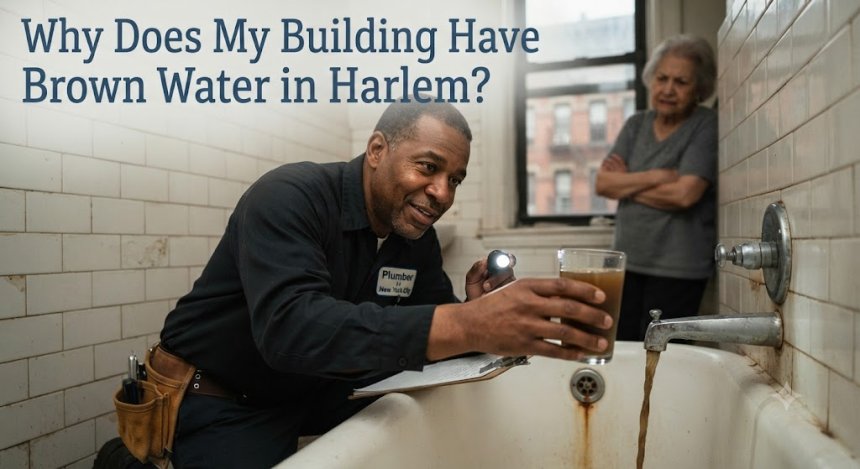
Plumber in Harlem: Why Does My Building Have Brown Water? What Residents Must Know
Plumber in Harlem: Why Does My Building Have Brown Water? is an alarming question that property owners, co-op shareholders, condo board members, and renters across upper Manhattan frequently ask. Turning on your kitchen or bathroom faucet only to find thick, rusty, or discolored brown water pouring out is both unsettling and disruptive to daily routines. Property owners and residents search for this topic because historic Harlem architecture—featuring pre-war walk-ups, brownstones, and mid-rise apartment buildings—relies heavily on aging interior plumbing networks and legacy water supply infrastructure. Understanding why this discoloration happens, recognizing the underlying risks, and knowing when to call a licensed professional plumbing service can protect your health and preserve your property's plumbing system.
What Is Building Water Discoloration?
Building water discoloration involves the appearance of reddish-brown, yellow, or murky water flowing from household fixtures due to suspended particulate matter or dissolved metals.
-
Definition: The contamination of domestic tap water by oxidized iron, manganese, sediment, or mineral scale dislodged from internal pipe walls or municipal mains.
-
Common Situations: Turning on the tap first thing in the morning and seeing tea-colored water, or experiencing sudden brown surges after local fire hydrant use or municipal water main repairs.
-
Symptoms: Stained laundry, metallic-tasting water, discolored porcelain fixtures, and particulate grit settling at the bottom of glasses or tubs.
-
Examples: A multi-family apartment building on Malcolm X Boulevard in Harlem where tenants experience rust-colored water every time the booster pump cycles on.
Why Does This Plumbing Problem Happen?
Brown water in Harlem buildings originates from chemical reactions inside metal piping, municipal disturbances, and equipment aging.
-
Corroding Galvanized Steel Pipes: Many historic buildings in Harlem still contain legacy galvanized iron supply lines. Over decades, zinc coatings erode, exposing bare steel to water and causing internal rusting that sloughs off into the stream.
-
Municipal Main Flushing or Breaks: When the New York City Department of Environmental Protection (DEP) flushes local water mains or repairs nearby infrastructure, sudden shifts in water velocity stir up mineral sediment in municipal and service lines.
-
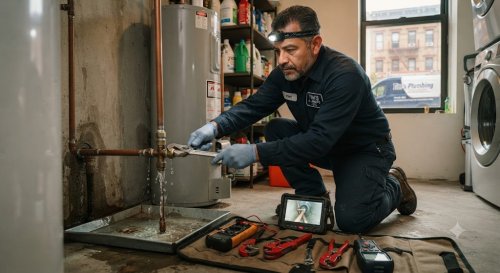
Water Heater Tank Degradation: Aging domestic water heater tanks accumulate heavy sediment beds and experience internal anode rod failure, turning hot water a distinct rust brown while cold water remains clear.
-
High Water Pressure and Surge Velocity: Excessive municipal water pressure or aggressive booster pump activation shakes loose loose scale accumulated over decades inside riser pipes.
-
Building Repiping Residue: Recent plumbing modifications or partial cut-ins on old lines can dislodge debris that travels downstream to individual apartment fixtures.
Signs You Should Never Ignore
Discolored water is rarely a standalone issue and usually signals progressive internal pipe decay.
-
Stained Laundry and Bathtubs: Yellowish-brown rings in tubs or rust stains on white garments indicate persistent iron oxide content in the supply.
-
Sudden Drops in Fixture Flow: Partial clogging from iron sediment and scale chokes internal pipe diameters, reducing water pressure across upper-floor units.
-
Metallic Taste or Odor: Water carrying high concentrations of oxidized iron or sulfur often leaves a distinct metallic aftertaste.
-
Pinhole Leaks on Supply Lines: Small, bubbling leaks near pipe joints point to thin, heavily corroded metal walls about to fail completely.
-
Clanking or Vibrating Pipes: Water hammering or vibrating risers indicate trapped air or loose pipe brackets shaking sediment loose.
Common Plumbing Problems Related to This Issue
Water discoloration often points to broader mechanical distress within a building's entire plumbing and heating ecosystem.
-
Internal Pinhole Leaks: Corrosive water eating away at pipe interiors creates localized pinhole leaks behind walls and ceilings.
-
Water Heater Failures: Heavy sediment accumulation insulates the bottom of the tank, causing overheating, tank fracture, or premature unit failure.
-
Valve Seizures: Iron sediment jams gate valves and pressure-reducing valves, preventing proper water shut-off during emergencies.
-
Fixture Cartridge Damage: Abrasive mineral grit ruins ceramic mixing cartridges in modern faucets and shower valves, causing leaks.
Step-by-Step Professional Repair Process
When a licensed plumber investigates a brown water complaint in a Harlem property, they execute a precise diagnostic protocol.
-
Step 1 Inspection: The plumber examines the main water service entry, basement supply lines, water heaters, and booster pump setups.
-
Step 2 Diagnosis: Technicians test water samples, check pressure levels, and use diagnostic cameras to inspect the interior walls of building risers.
-
Step 3 Estimate: The plumbing contractor provides a transparent, itemized estimate outlining necessary repairs, flushing procedures, or pipe replacements.
-
Step 4 Repair: The specialist flushes domestic tanks, replaces failing pressure regulators, cleans sediment filters, or repipes corroded sections in compliance with NYC codes.
-
Step 5 Testing: The water supply system is thoroughly flushed and retested to ensure absolute clarity and safe potability.
-
Step 6 Cleanup: The work area is cleaned, and old hardware is removed responsibly.
-
Step 7 Maintenance Advice: The plumber provides actionable guidance to prevent future water quality issues.
Can You Fix It Yourself?
Understanding the boundary between temporary cosmetic flushing and hazardous infrastructure problems ensures safety.
-
Safe DIY Solutions: Letting cold water taps run for 5 to 10 minutes can clear out localized sediment after a municipal main disruption. Cleaning aerator screens on sink faucets removes trapped particulate grit.
-
What Residents Can Safely Do: Checking with building management or neighbors to see if the issue affects multiple units or just a single apartment.
-
When Professional Help Is Mandatory: Persistent brown water, failing water heaters, corroding risers, and pressure valve malfunctions require a licensed master plumber.
Tools Professionals Use
Modern plumbing diagnostics utilize specialized equipment to evaluate internal pipe health accurately.
-
Water Quality Test Kits: Measure total dissolved solids, iron content, pH levels, and turbidity on-site.
-
Pipe Inspection Cameras: Navigate interior supply lines and risers to visually evaluate internal rust and scale accumulation.
-
Pressure Testing Gauges: Measure dynamic and static water pressure to identify surges or regulator failures.
-
Hydro-Flushing Equipment: High-capacity flushing pumps clear heavy sediment from building risers and commercial storage tanks safely.
-
Thermal Imaging Devices: Detect hidden moisture and friction hotspots along concealed building supply routes.
How Long Does the Repair Usually Take?
Repair timelines depend entirely on the root cause of the water discoloration.
-
Simple Fixes: Cleaning aerator screens, flushing single fixtures, or resetting water meters takes 30 minutes to 1 hour.
-
Moderate Repairs: Flushing a commercial water heater tank, replacing a pressure-reducing valve, or servicing a booster pump takes 2 to 4 hours.
-
Major Repairs: Repiping vertical supply risers or replacing an entire building water filtration system takes 1 to 3 days.
-
Emergency Variables: Access constraints in historic Harlem basements and coordination with building management can impact schedules.
Cost Factors
Plumbing repair and water quality remediation investments vary based on specific project parameters.
-
Diagnostic Fees: Initial technician dispatch and water testing charges.
-
Parts and Materials: Copper, PEX, or stainless steel replacement pipes and commercial filtration components.
-
Labor Complexity: Working within historic Harlem brownstone wall chases or confined basement utility rooms.
-
Emergency Service Rates: Premium fees for urgent, after-hours dispatch calls.
-
Equipment Deployment: Specialized flushing machinery and camera inspection tools.
-
Scale of Remediation: Spot repairs versus full-building vertical riser replacement.
Plumbing repair costs vary depending on the severity of the problem, accessibility, materials required, emergency service, property type, and local labor rates.
Hidden Truths Homeowners Should Know
-
Small bursts of rusty water often precede total internal pipe wall failure.
-
Cheap temporary fixes, such as basic inline filters, fail to address the core corrosion happening inside walls.
-
Property insurance policies frequently deny claims if water damage stems from neglected, decades-old galvanized pipes.
-
Hard water and mineral scale shorten the operational lifespan of all connected plumbing fixtures.
-
DIY plumbing mistakes, such as using incorrect pipe mating materials, accelerate galvanic corrosion.
-
Delaying pipe remediation increases the risk of sudden, catastrophic main line bursts.
-
Hidden pipe corrosion drives up utility water waste through undetected slow weeping joints.
-
Mold develops quickly in structural cavities surrounding damp, leaking rusty pipes.
-
Annual preventative maintenance and system flushing save money over time.
15 Common Mistakes Homeowners Make
-
Ignoring intermittent brown water, assuming it will clear up on its own.
-
Using harsh chemical treatments in domestic supply lines.
-
Failing to coordinate with municipal agencies when neighborhood water mains are active.
-
Neglecting annual water heater sediment flushing.
-
Waiting until a total plumbing failure occurs before calling a professional.
-
Hiring unlicensed handymen to perform critical building plumbing repairs.
-
Skipping regular pressure-reducing valve testing.
-
Using incompatible metal pipes that trigger accelerated galvanic corrosion.
-
Over-tightening delicate fixture fittings during DIY maintenance.
-
Failing to inspect basement main shut-off valves annually.
-
Overlooking the condition of aging vertical building risers.
-
Relying on cheap surface filters instead of diagnosing internal pipe decay.
-
Ignoring low water pressure conditions that accompany discoloration.
-
Failing to maintain detailed logs of building plumbing repairs.
-
Overlooking NYC Department of Buildings compliance standards.
Maintenance Tips for Clean Water
-
Flush domestic water heater tanks annually to eliminate heavy sediment accumulation.
-
Clean faucet aerator screens every few months to remove trapped particulate grit and rust flakes.
-
Monitor building water pressure to keep levels safely between 50 and 60 PSI.
-
Schedule annual professional plumbing inspections for aging Harlem properties.
-
Replace sacrificial anode rods in water heaters every three to five years before the tank rusts through.
-
Insulate supply lines running through cold unheated spaces to prevent thermal shock and condensation.
-
Install whole-house sediment filters if your property relies on older municipal branch lines.
-
Educate tenants and residents on how to report unusual water discoloration immediately.
-
Verify that main shut-off valves operate smoothly without seizing up.
-
Keep detailed records of all past plumbing upgrades and pipe replacements.
-
Address minor leaks and drips immediately before they worsen.
-
Avoid using harsh chemical clog removers that damage aging metal pipe interiors.
-
Check pressure-reducing valves semi-annually for operational accuracy.
-
Keep emergency plumbing contact information visible in utility rooms.
-
Partner with a trusted local contractor for routine preventive servicing.
When Should You Call an Emergency Plumber?
-
Sudden gushes of dark brown or black sludge accompanied by complete water flow cessation.
-
Major pipe bursts spraying discolored water across walls or utility rooms.
-
Total failure of domestic water heating systems during freezing weather.
-
Sizzling or smoking electrical booster pumps linked to water supply systems.
-
Severe sewage or drainage backups threatening potable water lines.
-
Active flooding in building basements or mechanical rooms.
Frequently Asked Questions
-
Why is my water pressure suddenly low in my Harlem apartment? Sudden low water pressure typically results from severe mineral scale buildup in aging pipes, a failing pressure regulator, or a partial municipal supply restriction.
-
How much does professional leak detection cost? Diagnostic and leak detection costs vary based on the complexity of the building layout, property size, and the diagnostic equipment required.
-
Can a clogged drain damage my building's plumbing? Severe clogs cause intense backpressure and standing water, which accelerates corrosion and structural strain on older drainage and waste pipes.
-
Is hydro jetting safe for old Harlem plumbing pipes? Hydro jetting requires an initial camera inspection; while safe for sound cast iron and copper, fragile historic lines may require alternative cleaning methods.
-
How do I know if my building's main water line is broken? Soggy ground outside, sudden loss of water pressure, discolored water surges, and unexplained high water bills strongly indicate a broken main line.
-
How long do water heaters last in multi-family NYC buildings? Commercial and residential water heaters typically last between 8 and 12 years, depending on usage volume, water chemistry, and maintenance frequency.
-
Why does my kitchen faucet drip intermittently? A dripping faucet is usually caused by a worn-out internal washer, cartridge, or O-ring that requires replacement.
-
What causes pipes to burst during winter? Pipes burst when stagnant water inside uninsulated walls freezes, expands, and exerts immense outward pressure on the pipe walls.
-
Can plumbing leaks significantly increase my water bill? Yes. Even a small, continuous hidden leak wastes thousands of gallons over a billing cycle, driving up utility costs.
-
When should I replace my plumbing system instead of repairing it? If your building pipes suffer from widespread corrosion, frequent pinhole leaks, or outdated materials like failing galvanized steel, full repiping is the best long-term investment.