NYC Brownstone Sewer Backup: Causes & Fixes
Discover why an NYC brownstone sewer backup keeps happening, common causes like tree roots and old pipes, DIY tips, and when to call a plumber.

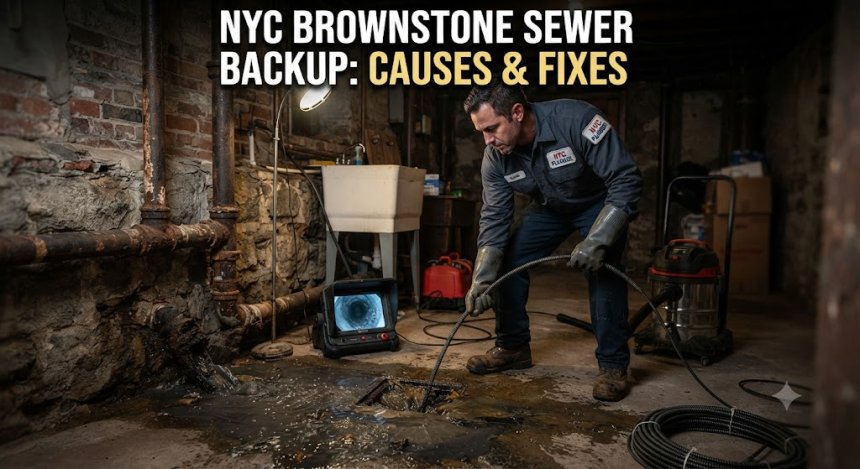
NYC Brownstone Sewer Backup: Why Does It Keep Happening?
Dealing with a NYC brownstone sewer backup is one of the most stressful and disruptive experiences a property owner or tenant can face across historic neighborhoods like Park Slope, Harlem, Brooklyn Heights, Bedford-Stuyvesant, and the Upper West Side. This recurring plumbing nightmare typically affects multi-family or single-family historic row houses built over a century ago, where wastewater fails to drain outward into the municipal main and instead violently surges backward up through basement floor drains, showers, and ground-floor toilets.
This issue frequently happens due to crumbling terra cotta or cast-iron lateral lines, shifting foundations, decades of grease accumulation, and aggressive street tree roots searching for moisture. Immediate attention is critical because raw sewage contains harmful pathogens, destroys historic flooring, and compromises the structural integrity of your building's wooden joists and foundation. Property owners search for this topic to understand why quick-fix snaking never seems to solve the root problem and how to permanently restore their drainage infrastructure.
What Is an NYC Brownstone Sewer Backup?
A sewer backup in a New York City brownstone occurs when the main sanitary drainage pipe connecting the building's interior plumbing to the city sewer lateral beneath the street becomes completely or partially blocked, forcing wastewater to reverse direction.
-
Common Situations: Residents often first notice gurgling sounds in lower-level toilets when running upper-floor showers, followed rapidly by foul-smelling dark water pooling around basement floor drains.
-
Symptoms: Multiple plumbing fixtures draining sluggishly at the same time, foul sulfur or sewage odors permeating the lower levels, and untreated wastewater overflowing into utility rooms or English basements.
-
Examples: Finding wastewater backing up into a basement laundry room utility sink every time someone flushes a second-floor bathroom toilet in a historic Harlem brownstone.
-
Why It Happens: Gravity-fed waste cannot overcome an obstruction or structural collapse in the main building drain, causing a backup that rises to the lowest point of relief in the building.
Why Does This Plumbing Problem Happen?
Chronic sewer backups in historic New York City properties are rarely accidental; they stem from structural vulnerabilities and environmental pressures unique to urban architecture.
-
Aging Pipes: Many brownstones feature original 19th-century cast-iron or clay tile sewer lateral lines that have long exceeded their material lifespans, featuring cracked, thinning, or offset walls.
-
Tree Roots: Mature London plane and oak street trees lining NYC sidewalks send thirsty roots through microscopic cracks in aging sewer pipes, creating dense root masses that trap toilet paper and waste.
-
High Water Pressure and Grease Accumulation: Decades of poured cooking oils, grease, and fat combine with hard water and scale, coating pipe interiors and drastically narrowing the internal diameter of narrow waste stacks.
-
Improper Installation or Building Settlement: Ground shifting over decades causes old brownstone foundations to settle, misaligning horizontal drain pipes and creating low spots (bellies) where standing waste accumulates.
-
Municipal Main Overloads: During heavy rainstorms in boroughs like Queens and Brooklyn, combined sewer systems become overwhelmed, sometimes pushing municipal water backward into private building lines.
Signs You Should Never Ignore
Recognizing the subtle warning signs of a failing sewer system can save your brownstone from a catastrophic and expensive flooding disaster.
-
Simultaneously Slow Drains: When your kitchen sink, bathtub, and toilet all drain sluggishly at the same time, the blockage is in the main line, not a single fixture trap.
-
Gurgling Plumbing Fixtures: Bubbling air or gurgling sounds coming from a toilet bowl when you run the washing machine indicate trapped air pushed ahead of a rising blockage.
-
Persistent Bad Smells: A lingering odor of sulfur or raw sewage around basement floor drains means sewer gases are escaping past dry or compromised trap seals.
-
Lush Patches on Front Lawns: An unusually green or soggy patch of grass in your front yard or sidewalk flagstone area often points to a broken underground sewer lateral leaking nutrient-rich wastewater.
-
Damp Basement Walls and Water Stains: Moisture seeping through foundation walls near floor drains signifies that wastewater is escaping underground or backing up unseen.
Common Plumbing Problems Related to This Issue
A recurring sewer backup is often tied to a wider web of systemic plumbing distress throughout a historic multi-story structure.
-
Drain Clogs: Localized clogs in branch lines compound main stack pressures, accelerating total system blockages.
-
Pipe Leaks: Cracked or broken sewer stacks allow black water to seep directly into historic brickwork, masonry foundations, and timber framing.
-
Structural Foundation Damage: Constant saturation of soil beneath foundation footings compromises structural stability, leading to uneven settling and wall cracks.
-
Fixture Damage: Raw sewage overflow ruins historic hardwood flooring, custom millwork, baseboards, and ground-floor drywall.
Step-by-Step Professional Repair Process
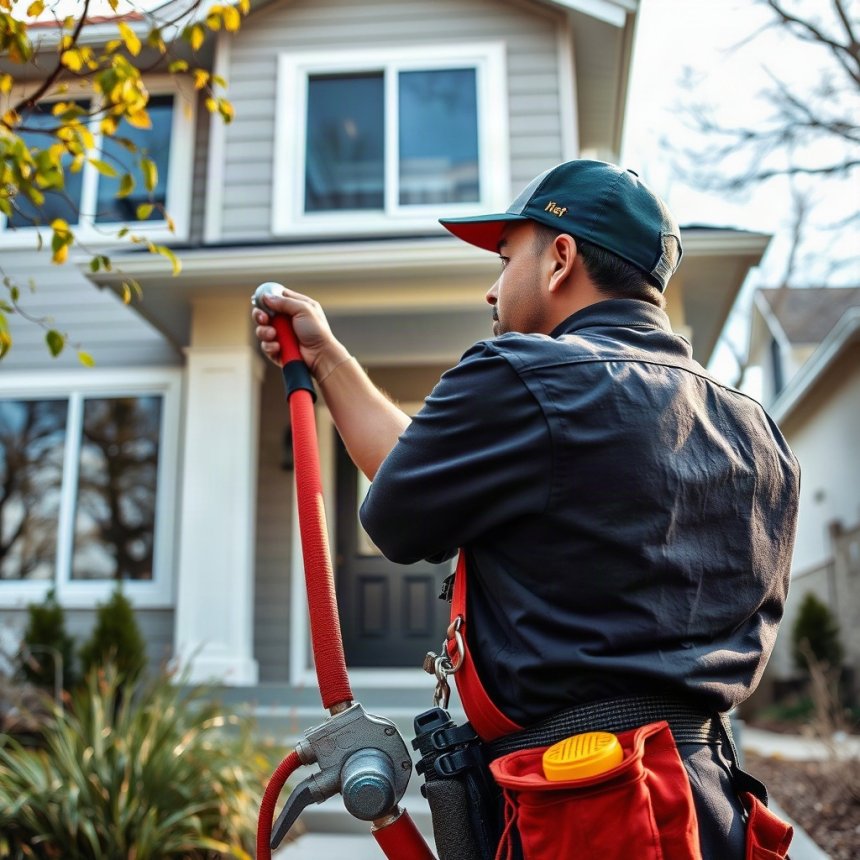
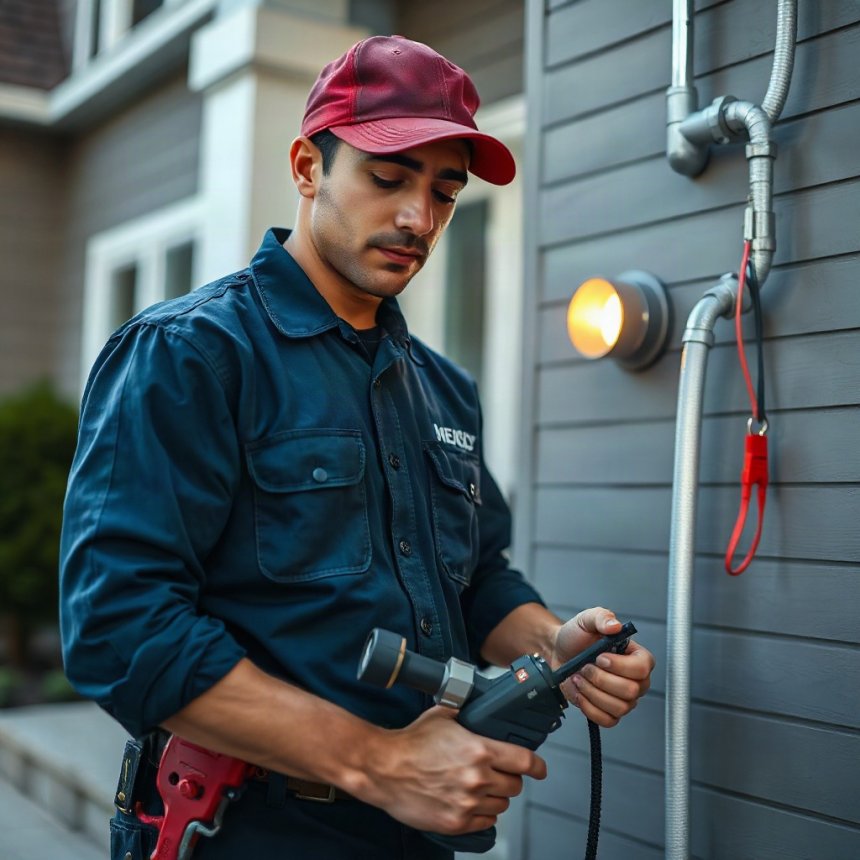
When property owners call Plumber in New York City, licensed technicians execute a rigorous, step-by-step methodology to resolve chronic sewer backups permanently.
-
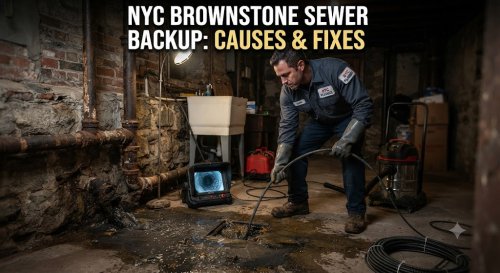
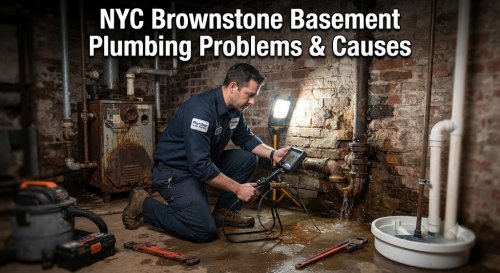
Step 1: Comprehensive Inspection: Plumbers run a high-resolution fiber-optic camera down the main sewer cleanout to visually inspect the exact interior condition and locate the blockage.
-
Step 2: Precise Diagnosis: Technicians analyze camera footage to distinguish between root intrusion, structural offsets, grease blockages, or a collapsed pipe.
-
Step 3: Transparent Estimate: You receive a detailed, upfront written proposal outlining the recommended repair scope, technology required, and cost breakdown before any work begins.
-
Step 4: Professional Cleaning or Repair: Plumbers perform high-pressure hydro jetting to blast away roots and grease, or execute trenchless pipe lining or excavation repairs for broken lines.
-
Step 5: System Testing: Technicians flood the system and run a post-repair camera check to verify flawless drainage and structural integrity.
-
Step 6: Thorough Cleanup: The workspace is meticulously sanitized, disinfected, and cleared of all debris, protecting your family and property.
-
Step 7: Maintenance Advice: The plumber provides a custom maintenance schedule and professional tips to prevent future backups.
Can You Fix It Yourself?
Understanding the boundary between safe homeowner maintenance and hazardous sewer work prevents injury and property damage.
-
Safe DIY Solutions: You can safely plunge minor single-fixture clogs or use a small hand-cranked drum auger on a straightforward bathroom sink clog.
-
Temporary Fixes: Using a mechanical plunger on a basement floor drain or stopping all water use temporarily can prevent immediate overflow while waiting for professionals.
-
When DIY Becomes Dangerous: Pouring caustic chemical drain cleaners down backed-up sinks creates hazardous standing acid that can splash onto skin and ruin fixtures.
-
When Professional Plumbing is Necessary: Any recurring main sewer backup, sewage overflow, or suspected broken lateral line demands immediate licensed professional intervention.
Tools Professionals Use
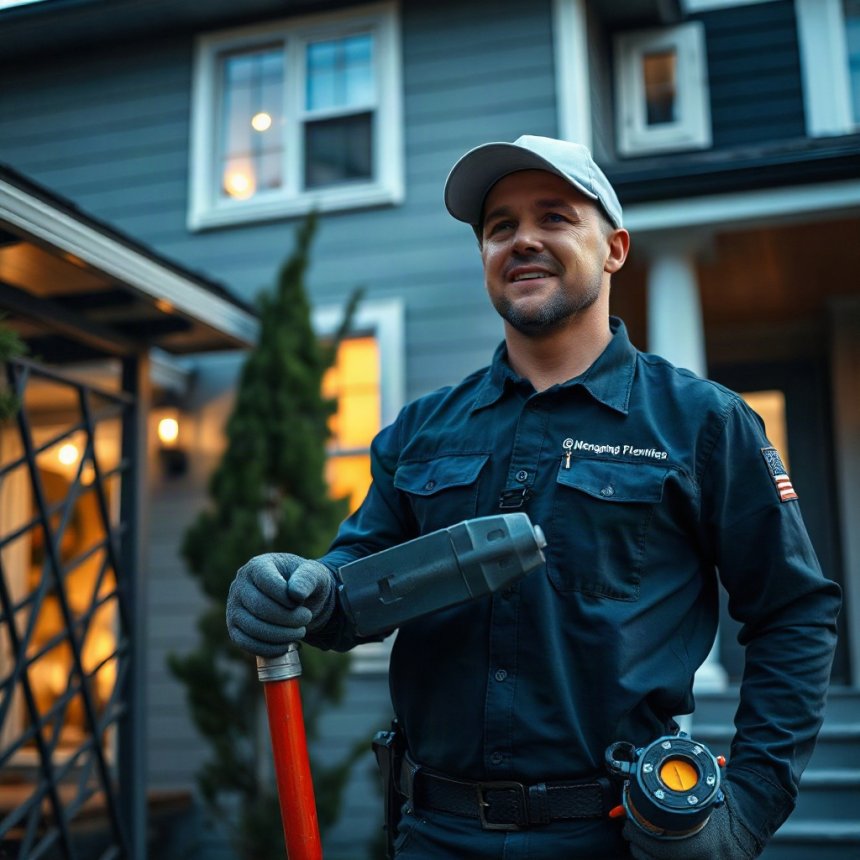
Advanced plumbing technology allows modern specialists to diagnose and repair NYC brownstones with minimal disruption to historic interiors.
-
High-Resolution Drain Cameras: Push-rod cameras with radio-frequency transmitters that map exact underground pipe paths and pinpoint damage depths.
-
Hydro Jetting Machines: High-pressure water blasters operating up to 4,000 PSI that scour roots, scale, and hardened grease down to bare pipe walls.
-
Trenchless Pipe Lining Equipment: Epoxy-resin structural liners that create a durable "pipe-within-a-pipe" without destroying historic brownstone front steps or interior flooring.
-
Electronic Pipe Locators: Surface receivers that track underground sonde transmitters to mark exact dig or repair spots on concrete or pavement.
-
Commercial Power Augers and Sectional Machines: Heavy-duty motor-driven cable machines designed to cut through tough root intrusions and dense scale.
How Long Does the Repair Usually Take?
Repair durations depend heavily on the nature and structural depth of the sewer line obstruction.
-
Simple Clearances: Clearing a standard grease or paper blockage with an auger takes 1 to 2 hours.
-
Moderate Hydro Jetting: Thoroughly scouring heavy root intrusion and scale takes 2 to 4 hours.
-
Major Trenchless Lining: Installing a cured-in-place structural pipe liner typically takes 1 to 2 days.
-
Emergency Major Excavation: Replacing a collapsed exterior sewer lateral beneath a brownstone yard or sidewalk takes 2 to 5 days with proper permits.
Cost Factors
Understanding what influences plumbing pricing ensures you can budget effectively for vital sewer repairs.
-
Diagnostic Fees: Initial service charges covering expert camera inspection and problem identification.
-
Severity of the Blockage: The density of root growth, grease hardening, or structural collapse dictates labor intensity.
-
Pipe Accessibility: Historic brownstone layouts, finished basements, and concrete slab floors require specialized access methods.
-
Materials and Technology Required: Trenchless pipe lining or HDPE replacement materials versus traditional excavation.
-
Emergency Service Premiums: After-hours, weekend, or holiday dispatches incur urgent mobilization rates.
-
Permit and Compliance Costs: NYC Department of Buildings (DOB) or DEP street opening permits for lateral repairs.
Note on Cost Variables: Plumbing repair costs vary depending on the severity of the problem, accessibility, materials required, emergency service, property type, and local labor rates.
Hidden Truths Homeowners Should Know
Operating a historic property in New York City exposes owners to several sobering operational realities.
-
Small Leaks Become Expensive Repairs: A minor slow drain ignored for months eventually evolves into a total structural sewage blowout.
-
Cheap Temporary Fixes Often Fail: Renting a basic hardware store snake only pokes a small hole through a root mass, guaranteeing a backup will return weeks later.
-
Insurance May Not Cover Neglected Plumbing: Homeowner insurance policies frequently reject water damage claims if structural sewer neglect caused the flooding.
-
Tree Roots Can Repeatedly Damage Sewer Lines: Without physical root barriers or chemical treatments, aggressive street trees will re-invade repaired clay pipes.
-
Hard Water Shortens Fixture Lifespan: Mineral-heavy water coats internal valves and erodes water heaters and plumbing appliances prematurely.
-
DIY Mistakes Increase Repair Costs: Forcing rigid metal augers through fragile, aged cast-iron bends can puncture old pipe walls, creating hidden leaks.
-
Delaying Repairs Causes Structural Damage: Wastewater saturation rots historic timber floor joists and compromises foundation integrity.
-
Hidden Leaks Increase Utility Bills: Unseen running fixtures or constant background leaks drive up municipal water consumption costs.
-
Mold Develops Quickly: Organic sewage waste combined with dark basement conditions allows toxic mold to colonize framing within 48 hours.
-
Annual Maintenance Saves Money: Routine preventative hydro jetting costs a fraction of emergency remediation and structural rebuilding.
15 Common Mistakes Homeowners Make
-
Ignoring Slow Drains: Brushing off sluggish basement drains allows minor clogs to turn into full sewage backups.
-
Using Chemical Drain Cleaners: Pouring harsh acids into clogged lines eats away at aging metal and fragile pipe joints.
-
Flushing "Flushable" Wipes: Disposing of thick wipes down toilets is the leading cause of modern urban sewer line blockages.
-
Pouring Grease Down Drains: Liquid cooking oils solidify in cold underground pipes, trapping paper and waste.
-
Ignoring Gurgling Sounds: Failing to investigate bubbling toilet bowls lets hidden main line blockages worsen unnoticed.
-
Hiring Unlicensed Handymen: Working with uninsured contractors risks building code violations and sub-standard repairs.
-
Skipping Annual Camera Inspections: Failing to inspect old terra cotta lines yearly allows tree roots to take over completely.
-
Waiting Until Total Failure: Postponing maintenance until sewage floods your basement guarantees emergency pricing and property loss.
-
Using Incompatible Pipe Materials: Mixing mismatched metals accelerates galvanic corrosion and joint failure.
-
Over-Tightening Fittings: Forcing threaded brass connections too far cracks fragile historic fixture assemblies.
-
Failing to Locate Cleanouts: Not knowing where your main cleanout is located delays emergency shut-off actions.
-
Neglecting Outdoor Drains: Leaving area window wells and courtyard drains uncleaned invites storm debris into sewer lines.
-
Ignoring Water Bill Spikes: Failing to track utility changes that indicate hidden water leaks or running fixtures.
-
Discarding Service Records: Losing past camera logs and repair invoices hinders effective troubleshooting.
-
Attempting Major Excavation DIY: Trying to dig up basement slabs or sidewalks independently violates city regulations and risks utility strikes.
Maintenance Tips
Protecting your historic property requires disciplined, seasonal upkeep to keep waste lines flowing smoothly.
-
Schedule professional hydro jetting and camera inspections every 12 to 18 months.
-
Never pour grease, oil, or food scraps down kitchen sink drains.
-
Install hair and debris strainers on all bathroom tubs and shower drains.
-
Educate all tenants and household members never to flush wipes, paper towels, or hygiene products.
-
Test and locate your main sewer cleanout valve to ensure immediate access during emergencies.
-
Inspect basement floor drain traps monthly and pour water into them to maintain gas blocks.
-
Wrap or insulate exposed basement drain pipes to prevent freezing during severe cold snaps.
-
Keep outdoor courtyard and areaway drains clear of autumn leaves, trash, and dirt accumulation.
-
Monitor lower-level plumbing fixtures for any sign of sluggish draining or bubbling sounds.
-
Use enzyme-based bio-cleaners monthly to naturally digest organic buildup inside pipe walls.
-
Avoid planting large, aggressive-root trees near your front yard sewer lateral path.
-
Check your monthly water utility statements for unexplained volume increases.
-
Replace worn rubber gaskets on washing machine hoses every five years to prevent sudden floods.
-
Keep emergency plumbing contact numbers saved in your phone for rapid mobilization.
-
Review your property insurance policy to ensure sewer backup rider coverage is active.
When Should You Call an Emergency Plumber?
Certain critical plumbing situations require instant, 24/7 professional response to protect your building from destruction.
-
Sewage Backup: Raw wastewater overflowing from floor drains or toilets presents an immediate health hazard.
-
Burst Main Lines: Major structural pipe ruptures threaten to flood historic cellars within minutes.
-
Complete Drainage Failure: When no fixtures in the building will drain, total system blockage requires instant clearance.
-
Flooding: Standing water pooling from unknown waste sources demands professional extraction and mitigation.
-
Gas Line Concerns: Any sulfur odor or suspected gas leak near utility lines requires immediate professional isolation.
-
Major Structural Leaks: Uncontrolled water spraying behind lath-and-plaster walls demands urgent emergency shut-off.
Frequently Asked Questions
Why is my water pressure suddenly low? Sudden low water pressure typically results from a partially closed valve, failing pressure-reducing valve, heavy mineral scale, or a municipal main break in your neighborhood.
How much does leak detection cost? Leak detection costs vary based on the equipment required, property size, and whether the issue is easily accessible or hidden behind walls or beneath concrete. Contact us for a clear estimate.
Can a clogged drain damage pipes? Yes. Severe clogs create immense hydrostatic pressure on pipe joints, and harsh chemical cleaners generate corrosive heat that degrades pipe walls over time.
Is hydro jetting safe for old pipes? Hydro jetting requires an initial camera inspection by a licensed professional. If pipes are severely compromised, alternative repair methods may be recommended first.
How do I know if my sewer line is broken? Warning signs of a broken sewer line include multiple slow drains, foul sewage odors, gurgling toilets, and wet patches on your lawn or cellar floor.
How long do water heaters last? Standard tank water heaters typically last 8 to 12 years. Regular annual flushing and anode rod maintenance help maximize their operational lifespan.
Why does my faucet drip? A dripping faucet is generally caused by a worn rubber washer, degraded O-ring, damaged valve seat, or mineral buildup inside the faucet cartridge.
What causes pipes to burst? Pipes commonly burst due to freezing winter temperatures causing trapped water to expand, severe internal corrosion, or excessive water pressure.
Can plumbing leaks increase my water bill? Yes. Even a small silent toilet flapper leak or minor hidden pipe leak wastes hundreds of gallons daily, driving up your monthly utility bill.
When should I replace plumbing instead of repairing it? Consider replacing plumbing when pipes suffer from chronic leaks, extensive rust corrosion, extreme age (galvanized pipes over 50 years old), or repeated costly repairs.