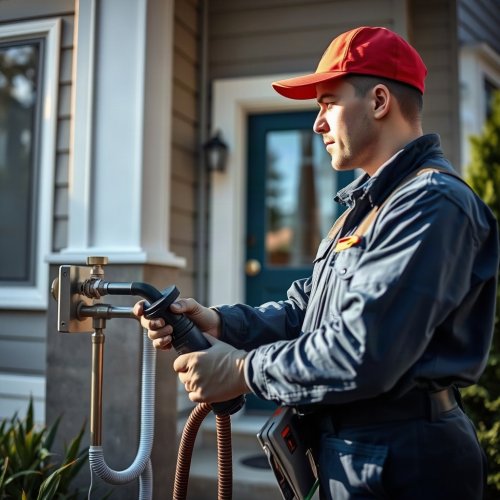
Troubleshooting Low Water Pressure in Gilbert Homes
Learn how to diagnose and troubleshoot low water pressure in your Gilbert, Arizona home. Discover common causes, local mineral impacts, and practical next steps.


Understanding Low Water Pressure in Your Home
Experiencing a sudden or gradual drop in water pressure can turn simple household chores into frustrating chores. Whether your kitchen faucet feels sluggish or the shower fails to deliver a steady stream, low water pressure points to a restriction or a supply issue somewhere between the municipal main and your fixtures. Identifying the root cause requires methodical troubleshooting to determine whether the issue is isolated to a single fixture or affecting the entire property.
Isolating the Problem: Whole-House vs. Single Fixture
The very first step in diagnosing low water pressure is determining the scope of the problem. Turn on multiple faucets, showers, and outdoor spigots around your home to check the performance.
- Single-fixture issue: If only one faucet or showerhead has weak flow, the problem is almost always localized to that specific hardware, supply line, or shut-off valve.
- Whole-house issue: If every fixture in the house experiences low flow simultaneously, the restriction lies in a main supply line component, the water meter valve, or the pressure-reducing valve (PRV).
Distinguishing between these two scenarios prevents unnecessary dismantling of plumbing and directs your focus to the correct area of the system.
Common Causes of Localized Low Pressure
When a single fixture loses pressure, the culprit is usually straightforward and easy to address without professional intervention.
Clogged Aerators
Most modern faucets feature a small screen at the tip called an aerator. Over time, sediment, pipe scale, and mineral deposits collect inside this screen, physically blocking the water path. In regions with hard water—such as the East Valley of the Phoenix metropolitan area—dissolved calcium and magnesium can precipitate out of the water, quickly narrowing the tiny openings in an aerator. Unscrewing the aerator tip and inspecting the screen will often reveal a buildup of white or grayish crust.
Partially Closed Shut-Off Valves
Beneath sinks and behind toilets, individual shut-off valves control the water supply. If a valve has been bumped, partially closed during maintenance, or suffered internal failure where the gate detaches from the stem, it will restrict flow while still allowing some water to pass.
Common Causes of Whole-House Low Pressure
When the entire property suffers from weak flow, the mechanical components governing incoming water require inspection.
The Pressure-Reducing Valve (PRV)
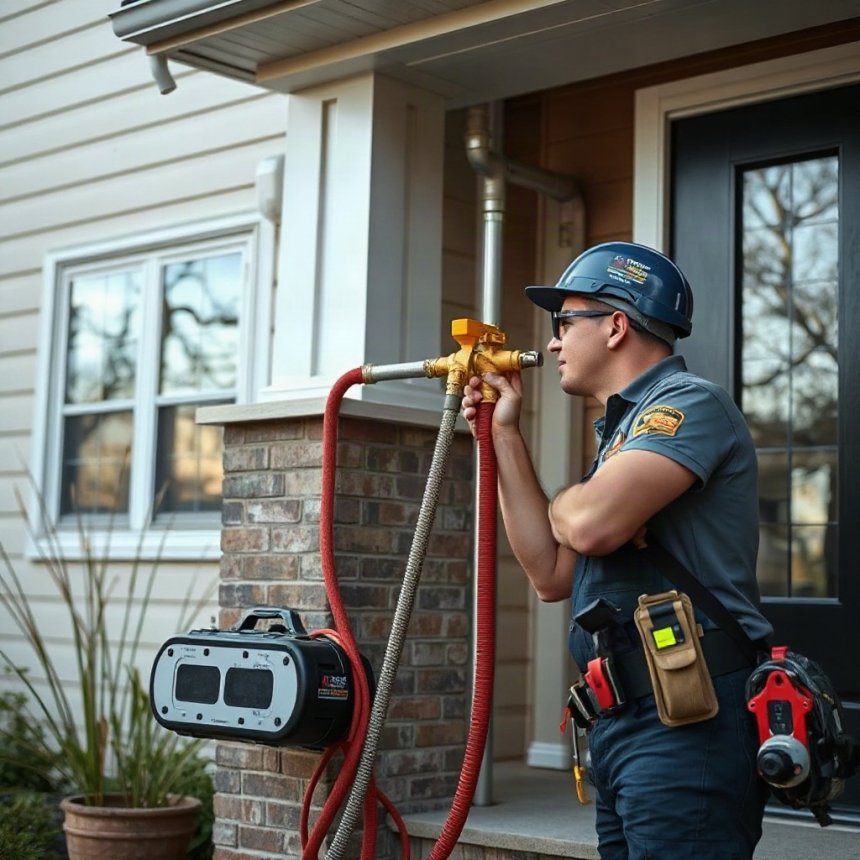
Most homes are equipped with a PRV, typically located where the main water line enters the structure. This bell-shaped brass device regulates the high pressure coming from the municipal utility down to a safe level for household pipes, usually between 50 and 80 psi. Over time, internal springs fatigue, rubber diaphragms rupture, or mineral debris jams the internal mechanism. When a PRV fails, it often defaults to a closed position, severely choking down the water pressure to the entire house.
Main Shut-Off Valve Restrictions
Both the municipal valve at the street meter and your main home shut-off valve must be fully open. A gate valve that is worn internally can look open from the outside while the internal gate remains dropped, blocking the water pathway.
Mineral Scale Accumulation in Piping
In homes with older galvanized steel piping, decades of mineral accumulation line the interior walls of the pipes, progressively shrinking the internal diameter until flow is choked. While modern PEX and copper piping resist this scaling much better, mineral buildup can still accumulate rapidly inside hot water lines due to thermal precipitation inside water heaters.
Practical Homeowner Checks and Safe Solutions
Before calling for professional service, homeowners can safely perform a few diagnostic checks:
- Clean the aerators: Remove faucet tips, soak them in a mild descaling solution or vinegar, rinse thoroughly, and reattach.
- Verify valve positions: Check the main shut-off valve and individual fixture valves to ensure they are fully open.
- Test pressure with a gauge: A simple water pressure gauge that screws onto an outdoor hose bibb can provide an objective reading of your home's static water pressure, establishing whether the PRV or municipal supply is underperforming.
Avoid attempting to adjust a PRV without a pressure gauge, as setting the pressure too high can stress washing machine hoses, water heaters, and pipe joints, leading to unexpected leaks.
Frequently Asked Questions
Frequently Asked Questions
Why is my water pressure low only on hot water?
If cold water pressure is normal but hot water is weak, the restriction is likely isolated to the water heater supply or the hot water lines. Mineral sediment can accumulate inside the water heater tank and partially block the outlet nipple, or a faulty heat trap or scale buildup in the hot water piping can restrict flow.
Can Gilbert's municipal water supply cause low pressure?
Municipal water pressure can fluctuate based on local demand, peak usage hours, and infrastructure maintenance in your neighborhood. However, if your neighbors have normal pressure while yours is low, the issue is internal to your property's plumbing system.
How do I know if my pressure-reducing valve (PRV) needs replacement?
If your pressure gauge reading fluctuates wildly, drops drastically when multiple fixtures are opened, or stays well below the recommended range despite adjustments, the PRV internal components have likely failed and the valve must be replaced.
Does a water softener affect water pressure?
A properly sized and maintained water softener should not noticeably reduce water pressure. However, if the resin bed becomes fouled, iron-damaged, or clogged with sediment, or if the control valve experiences internal mechanical failure, the softener can restrict flow to the entire house.