Emergency Plumber Upper East Side: Burst Pipe Guide
Facing a burst pipe in your Upper East Side apartment? Learn instant emergency steps, causes, repair costs, and hire expert local NYC plumbers.

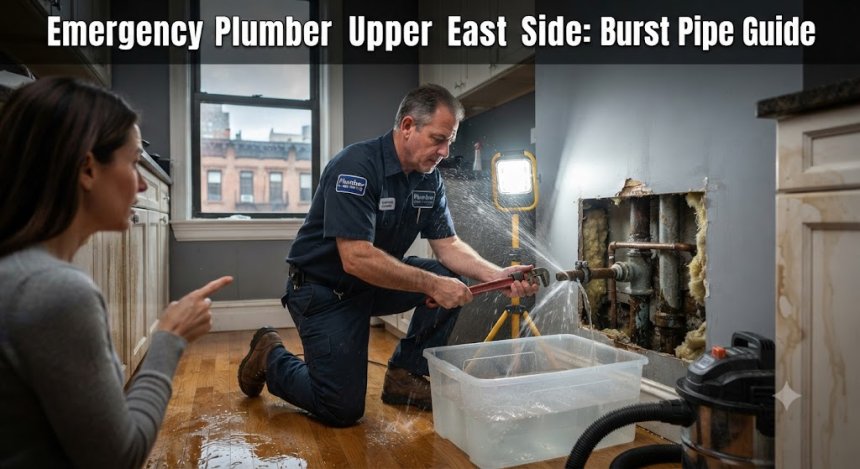
Emergency Plumber in Upper East Side: What to Do When a Pipe Bursts
Waking up to the sound of gushing water or stepping onto a flooded hardwood floor in a historic pre-war building is every Manhattan resident's worst nightmare. When a catastrophic failure occurs, finding a reliable emergency plumber in Upper East Side becomes an urgent race against time to protect your home from extensive structural ruin. Across prestigious Manhattan neighborhoods like Carnegie Hill, Yorkville, and Lenox Hill, multi-family co-ops, luxury condominiums, and historic townhouses rely heavily on aging plumbing networks that are acutely vulnerable to sudden pressure spikes, shifting structures, and seasonal temperature drops. Knowing exactly how to respond and who to call can mean the difference between a minor repair and thousands of dollars in property damage.
What Is an Emergency Plumber in Upper East Side?
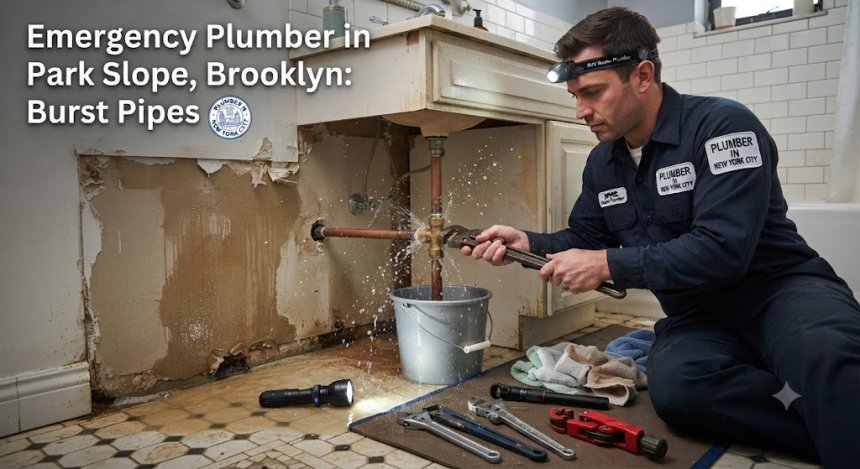
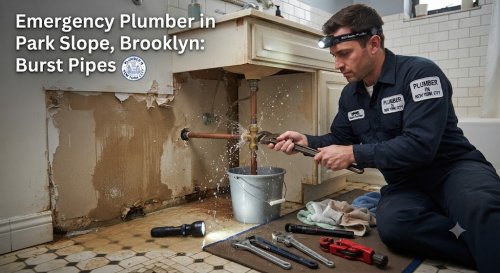
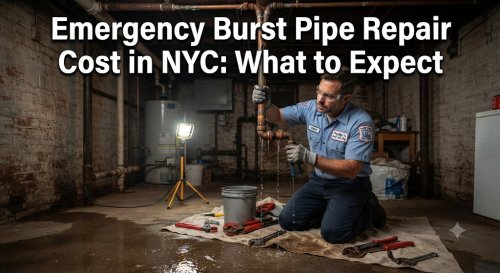
An emergency plumber in Upper East Side is a licensed, 24/7 rapid-response professional equipped to handle catastrophic residential and commercial plumbing failures—most notably, a burst supply pipe. Typical situations involve a main riser or branch line rupturing behind plaster walls, flooding multiple rooms or seeping down into adjacent apartments below. Symptoms include sudden drops in water pressure accompanied by a loud hissing or roaring sound behind drywall, followed rapidly by pooling water and buckling floors.
Consider a classic co-op apartment near Park Avenue: a frozen internal supply line expands and splits during a sub-zero January cold snap, unleashing gallons of pressurized water the moment it thaws. Immediate intervention is essential because New York City high-rise and multi-family living structures amplify water damage rapidly, affecting common elements and downstairs neighbors within minutes.
Why Does This Plumbing Problem Happen?
Pipe ruptures do not happen without cause; they are usually the culmination of environmental stress, material fatigue, or mechanical failure inside the building's infrastructure.
-
Extreme Winter Freezing: Sub-freezing temperatures on exterior walls cause standing water inside uninsulated pipes to freeze, expand, and split copper or steel walls.
-
Excessive Municipal Water Pressure: High pressure supplied by the municipal grid can overstress old joints, threaded fittings, and aging pipe walls until they give way.
-
Severe Pipe Corrosion: Decades of mineral exposure and chemical reactions gradually thin the interior walls of galvanized steel and older brass lines.
-
Building Structural Settling: Natural micro-movements in historic Manhattan brownstones and high-rises place unnatural shearing stress on rigid pipe connections.
-
Improper Prior Modifications: Amateur plumbing fixes or unauthorized pipe re-routing performed by previous occupants often create weak points prone to sudden failure.
-
Water Hammer Shock: Abruptly shutting off high-flow valves creates hydraulic shock waves that rattle pipes and fracture brittle joints over time.
Signs You Should Never Ignore
-
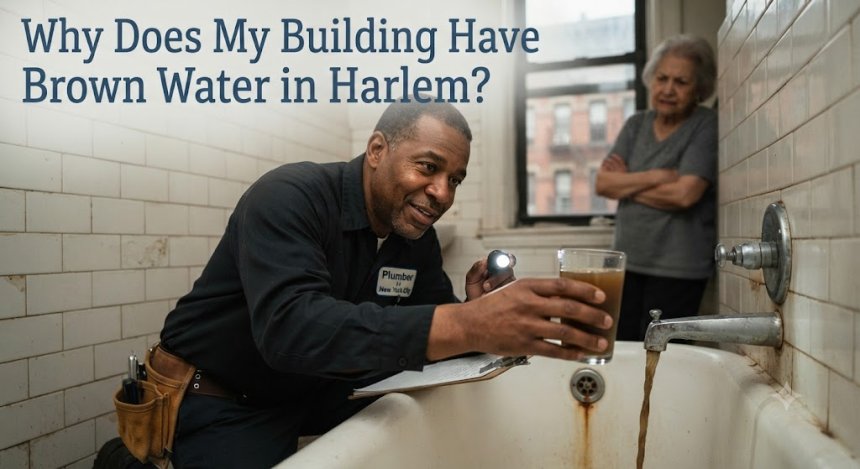
Sudden Water Discoloration: Reddish-brown or rusty water flowing from taps indicates advanced internal pipe corrosion on the verge of perforation.
-
Unexplained Banging or Whistling Noises: Loud water hammer or squealing sounds inside walls point to loose anchors or restricted water flow under high pressure.
-
Damp Drywall or Blistering Paint: Moisture seeping through plaster surfaces signals an active, hidden pinhole leak or minor split behind the wall.
-
Musty Odors and Mold Growth: Persistent damp smells near baseboards or closets reveal water accumulation feeding unseen mold colonies.
-
Unaccounted Spikes in Utility Bills: A sudden jump in your monthly water consumption suggests a hidden continuous leak draining behind structural cavities.
-
Abrupt Water Pressure Loss: A drastic drop in flow from a specific fixture usually means a supply line is choking or leaking heavily before reaching the outlet.
Common Plumbing Problems Related to This Issue
-
Main Riser Collapses: Failure of the primary vertical water supply lines servicing multiple floors in an apartment building.
-
Flexible Hose Blowouts: Ruptured braided steel or rubber supply lines connected to toilets, dishwashers, and washing machines.
-
Threaded Joint Separations: Older galvanized pipe joints snapping apart due to rust accumulation and structural stress.
-
Slab and Subfloor Leaks: Pressurized water lines failing beneath concrete or tiled bathroom subfloors.
-
Drain and Waste Stack Splits: Cracked cast-iron waste lines leaking greywater into structural cavities.
Step-by-Step Professional Repair Process
-
Step 1: Rapid Dispatch & Arrival: An emergency technician arrives on-site immediately with specialized containment and shutoff tools.
-
Step 2: Water Isolation & Shutoff: Locating and closing local branch valves or building main risers to instantly halt the flooding.
-
Step 3: Diagnostic Assessment: Using thermal imaging and moisture meters to map the exact extent of water migration and pinpoint the burst location.
-
Step 4: Upfront Estimate: Providing a transparent, straightforward pricing structure for the necessary pipe replacement and remediation work.
-
Step 5: Precision Pipe Repair: Cutting away the ruptured section and installing code-compliant copper, PEX, or stainless steel replacement fittings.
-
Step 6: Hydrostatic Pressure Testing: Pressurizing the repaired system to verify structural integrity and confirm absolute leak-free performance.
-
Step 7: Cleanup & Documentation: Clearing debris, sanitizing the workspace, and providing formal paperwork required by insurance and co-op boards.
Can You Fix It Yourself?
Homeowners can safely perform temporary emergency containment actions, such as wrapping a leaking low-pressure joint with heavy rubber tape or placing buckets beneath drips while waiting for help. However, attempting to permanently fix a burst pressurized supply pipe yourself is exceptionally dangerous.
The moment a pipe splits under city water pressure, DIY intervention crosses into high-risk territory. Applying amateur clamps or adhesives to high-pressure lines often leads to sudden blowout events, compounding water damage and violating strict New York City building codes. Professional emergency plumbers possess the specialized tools and municipal licensing required to execute permanent, code-compliant repairs safely.
Tools Professionals Use
-
Acoustic Leak Detectors: Sound-amplifying instruments that track the precise hiss of pressurized water escaping behind finished walls.
-
Thermal Imaging Infrared Cameras: Visualizes temperature differentials to trace hidden water puddles inside insulation and drywall.
-
High-Capacity Submersible Pumps: Rapidly extracts standing water from flooded basements, cellars, and apartment floors.
-
Pipe Freezing Kits: Allows technicians to temporarily freeze water inside a live pipe upstream, creating an ice plug that stops flow without shutting off the whole building.
-
Hydrostatic Pressure Test Gauges: Verifies that newly installed pipe segments withstand peak residential water pressure safely.
How Long Does the Repair Usually Take?
-
Emergency Shutoff & Stabilization (15 to 45 minutes): Immediate containment and stopping active water flow to prevent further structural damage.
-
Simple Pipe Patching (1 to 2 hours): Repairing an accessible localized crack or replacing a burst flexible appliance connector.
-
Moderate Pipe Replacement (3 to 5 hours): Opening a section of drywall to cut out and replace a burst copper supply pipe section.
-
Major Infrastructure Repairs (1 to 2 days): Replacing extensive riser sections or repairing complex multi-unit water damage in high-rise structures.
Factors affecting repair time include building management access protocols, availability of main riser shutoffs, local co-op board rules, and the extent of wall or ceiling demolition required to access the burst pipe.
Cost Factors
-
Diagnostic & Emergency Dispatch Fees: Charges covering priority 24/7 travel, after-hours mobilization, and immediate risk assessment.
-
Materials Required: Costs scale based on whether standard copper, heavy-duty brass, or flexible PEX piping is needed for replacement.
-
Labor Intensity: Manhattan labor rates reflect specialized licensing, insurance mandates, and challenging high-rise working environments.
-
Accessibility of Pipes: Leaks hidden behind custom millwork, tiled bathrooms, or concrete subfloors require more labor to access safely.
-
Permit & Compliance Requirements: Major structural repiping projects may require formal filing with the NYC Department of Buildings.
-
Water Extraction & Remediation: Ancillary costs if industrial drying equipment and mold prevention protocols are required.
Plumbing repair costs vary depending on the severity of the problem, accessibility, materials required, emergency service, property type, and local labor rates.
Hidden Truths Homeowners Should Know
-
A small, seemingly insignificant pinhole leak behind a wall can dump hundreds of gallons of water before it is ever noticed.
-
Cheap temporary rubber patch kits placed on high-pressure burst lines inevitably fail under urban water pressure.
-
Standard renter's or homeowner's insurance policies may reject claims if delayed reporting or neglected maintenance contributed to the damage.
-
Hard water and mineral scaling silently degrade the structural integrity of residential pipes from the inside out over decades.
-
DIY plumbing errors in multi-family Upper East Side buildings frequently make the resident legally liable for damage to neighboring units.
-
Delaying professional repairs accelerates wood rot, ruins structural framing, and creates expensive secondary restoration bills.
-
Hidden leaks behind drywall drive up monthly utility bills long before visible surface damage appears.
-
Mold spores germinate within 24 to 48 hours of constant moisture exposure, presenting severe respiratory hazards.
-
Establishing a relationship with a trusted local plumber ensures priority response times during citywide weather emergencies.
-
Annual plumbing inspections catch deteriorating pipe walls long before they result in catastrophic midnight bursts.
15 Common Mistakes Homeowners Make
-
Ignoring faint hissing sounds or minor damp patches on walls.
-
Relying on duct tape or epoxy putty for permanent fixes on high-pressure supply pipes.
-
Flushing non-flushable wipes and hygiene products down toilets, triggering major waste stack backups.
-
Pouring corrosive chemical drain cleaners down slow metal pipes, accelerating corrosion.
-
Overlooking fluctuating water pressure or loud water hammer banging noises.
-
Hiring unlicensed handymen for complex high-rise plumbing repairs.
-
Skipping annual pre-winter plumbing checks and pipe insulation.
-
Waiting for a total system blowout before addressing minor drips.
-
Mixing incompatible pipe materials without dielectric connectors.
-
Over-tightening fragile brass and porcelain fixture fittings.
-
Failing to locate or test the apartment's main emergency water shutoff valve.
-
Neglecting to notify building superintendents immediately during a leak.
-
Assuming dripping water will stop on its own without investigation.
-
Discarding vital repair invoices and maintenance logs needed for insurance claims.
-
Attempting high-pressure hydro-jetting on fragile historic pipes without camera confirmation.
Maintenance Tips
-
Locate and test your apartment's emergency water shutoff valve semi-annually to ensure it moves freely.
-
Insulate exposed water pipes running along exterior walls or near drafty windows during freezing weather.
-
Replace rubber washing machine and dishwasher hoses every five years with burst-resistant braided stainless lines.
-
Install smart water leak detection sensors near high-risk appliances and plumbing connections.
-
Never pour grease, cooking oils, or coffee grounds down kitchen sink drains.
-
Inspect under all kitchen and bathroom vanities monthly for early signs of weeping moisture.
-
Flush residential water heaters annually to clear sediment buildup and protect tank walls.
-
Monitor your monthly water utility bills for unexpected consumption spikes.
-
Keep emergency plumber contact numbers saved in your phone for instant access.
-
Coordinate with building management to ensure main vertical risers are inspected during seasonal transitions.
When Should You Call an Emergency Plumber?
-
Burst Supply Pipes: When a pressurized pipe splits, sending uncontrolled water streams across floors and ceilings.
-
Severe Sewage Backups: When raw municipal or building waste overflows out of toilets and floor drains.
-
Total Loss of Water Service: When your home loses domestic water supply completely without prior municipal notice.
-
Overflowing Toilets That Won't Stop: When internal tank failures cause continuous flooding that local shutoff valves cannot halt.
-
Major Active Wall Leaks: When water pours continuously out of drywall seams or light fixtures.
-
Ceiling Collapse Hazards: When water saturation causes drywall ceilings to sag dangerously downward.
Immediate professional action is critical to minimize structural damage, protect personal property, and prevent toxic mold blooms from establishing in your home.
Frequently Asked Questions
-
Why is my water pressure suddenly low in my apartment? Sudden pressure drops can stem from a failing pressure-reducing valve, a major hidden supply leak, or municipal line work in your neighborhood.
-
How much does emergency leak detection cost? Professional leak detection varies based on equipment used, but it eliminates guesswork and prevents destructive, expensive demolition.
-
Can a burst pipe cause a ceiling collapse? Yes. Rapid water accumulation weakens plaster, drywall, and wood framing, eventually compromising structural load-bearing capacity.
-
What should I do first if a pipe bursts in my apartment? Immediately locate and shut off your apartment's main water supply valve, place buckets to catch water, and call an emergency plumber.
-
How do I prevent my pipes from freezing in winter? Insulate exposed pipes near exterior walls, keep cabinet doors open under sinks to circulate warm air, and let faucets drip slightly during severe cold snaps.
-
Are landlords responsible for burst pipes in NYC rentals? Yes. Landlords are legally required under the warranty of habitability to maintain structural plumbing and repair burst pipes promptly.
-
How long do copper supply pipes last? High-quality copper pipes typically last 50 to 70 years, but aggressive water chemistry or poor installation can shorten their lifespan.
-
Why do pipes make a loud banging noise when I turn off the tap? This is known as water hammer, caused by moving water abruptly stopping; it can be fixed by installing water hammer arrestors.
-
Can plumbing leaks increase my water bill? Absolutely. Even a small continuous hidden leak can waste thousands of gallons of water, dramatically driving up utility costs.
-
When should I replace old plumbing instead of repairing it? When pipes show widespread corrosion, frequent pinhole leaks, or structural fatigue, full repiping is safer and more cost-effective than patching