Sewer Backup Upper West Side NYC? | Find an Emergency Plumber Fast
Sewage overflowing in your UWS home? Read our practical guide on what to do during a sewer backup and find a reliable 24/7 emergency plumber in NYC now.

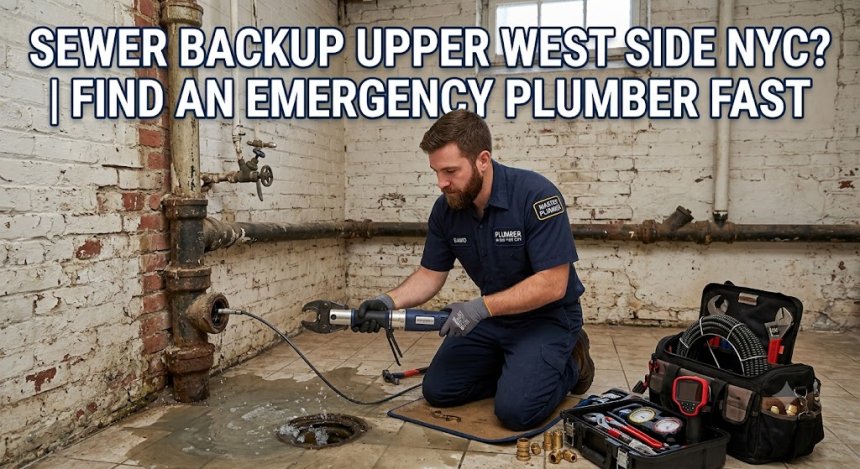
Emergency Plumber in Upper West Side, NYC: What to Do During a Sewer Backup
You live on the Upper West Side of NYC. It’s a beautiful neighborhood, full of pre-war architecture and historic charm. But those stunning buildings have a secret: decades-old, sometimes century-old, plumbing. There’s nothing charming about waking up in the middle of the night to the sound of gurgling drains or, worse, the unmistakable smell of raw sewage bubbling up through your basement floor drain.
A sewer backup is more than just a massive inconvenience; it’s a plumbing emergency that requires immediate professional attention. It is hazardous to your health and can cause thousands of dollars in property damage if left unaddressed. We know how terrifying this can be, and that’s why homeowners and business owners across New York City often search for this guide—to get practical, trustworthy advice when they need it most.
If you are experiencing a sewer backup right now, do not panic. But you must act quickly. This guide will walk you through exactly what to do, why it’s happening, and when you absolutely need to call an emergency plumber in Upper West Side, NYC.
What Is a Sewer Backup?
In simple, easy-to-understand terms, your home's main drain line (the sewer lateral) is responsible for carrying all wastewater away from your building and into the NYC municipal sewer system beneath the street. A sewer backup occurs when that pathway is blocked or overwhelmed, forcing raw sewage and wastewater back up through the lowest drains in your home or business.
This usually happens in basement floor drains first, but can quickly affect ground-floor toilets, showers, and sinks. It is a hazardous mixture of biological waste, greywater, and anything else flushed down the drain, presenting a genuine health risk.
Why Does This Plumbing Problem Happen?
Living on the Upper West Side brings specific challenges. The city’s aging infrastructure and the heavy usage of historic buildings create several common situations leading to sewer backups:
-
Aging NYC Pipes: Many UWS buildings still rely on original cast iron or even older materials. These pipes corrode internally, snagging debris and eventually collapsing.
-
Corrosion & Rust: Over decades, mineral buildup and internal rust restrict the pipe's diameter until a simple paper flush can cause a total blockage.
-
Tree Roots: Yes, even in Manhattan! Large street trees can send roots searching for moisture. They find hairline cracks in your sewer lateral, enter, and create a strong, growing root ball that blocks the flow.
-
Hard Water Deposits: While not the main culprit in NYC, hard water can contribute to scaling inside pipes over time, slowing the wastewater.
-
NYC Clogs from "Flushables": The most frequent cause. So-called "flushable" wipes, paper towels, and hygiene products do not dissolve. They act like a dam inside pre-war pipes.
-
Poor Maintenance: Ignoring slower drains for years will inevitably lead to a main sewer backup.
-
Seasonal Weather & Flooding: Severe NYC rainstorms (the kind that flood subway stations) can overwhelm the municipal sewer system, causing a surcharge that pushes wastewater back into residential lines.
-
Municipal Sewer Surcharge: Sometimes the problem isn't your pipe at all; the city's main sewer line is full, leaving nowhere for your waste to go.
Signs of a Sewer Backup You Should Never Ignore
Often, a sewer backup doesn't happen suddenly. Your plumbing will send you early warning signs. People Also Ask: What are the early signs of a sewer backup? Be on the lookout for:
-
Strange Gurgling Noises: If your toilet bubbles when you run the bathroom sink, or your basement floor drain glugs, air is trapped in the line—a sure sign of a partial blockage.
-
Multiple Slow Drains: When one sink is slow, it’s a localized clog. When the toilet, shower, and sink are all slow simultaneously, the problem is your main sewer lateral.
-
Foul Smells (Rotten Egg Smell): The unmistakable scent of raw sewage near drains or in the basement means waste is already collecting where it shouldn't be.
-
Water Stains Near Floor Drains: Finding dampness or dried water rings around a basement floor drain is a signal that it has already overflowed slightly.
-
Low Water Pressure? While usually unrelated, a sudden loss of pressure can sometimes indicate a fractured pipe outside, which can attract roots and lead to a backup. (Voice Search Question: Will low water pressure cause a sewer backup?)
-
Mushroom or Green Growth: Discolored water or mold growth near basement foundation walls can sometimes indicate a leaky sewer line beneath the slab.
Step-by-Step Professional Repair Process
When you call an emergency plumber in New York City for a main sewer backup, we prioritize getting your system flowing again immediately. Here is the process our licensed plumbers typically use:
Step 1: Immediate Inspection & Containment Our first goal is safety. We inspect the area, check for hazardous gas or electrical risks from standing wastewater, and determine if the backup is ongoing.
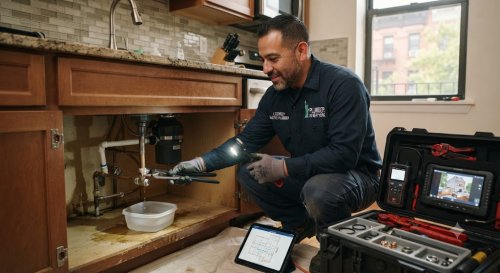
Step 2: Diagnosis using an Inspection Camera We use high-definition drain cameras (sewer cams) to snake down your cleanout. This lets us see inside the pipe, locate the exact position and nature of the clog (is it roots, grease, or collapsed pipe?), and provide an honest estimate.
Step 3: Drain Clearing & Sewer Backups (The Repair) Depending on the diagnosis, we clear the line:
-
Mechanical Snaking: We use professional-grade motorized snakes with specialized cutting heads to chew through roots, wipes, and stubborn debris.
-
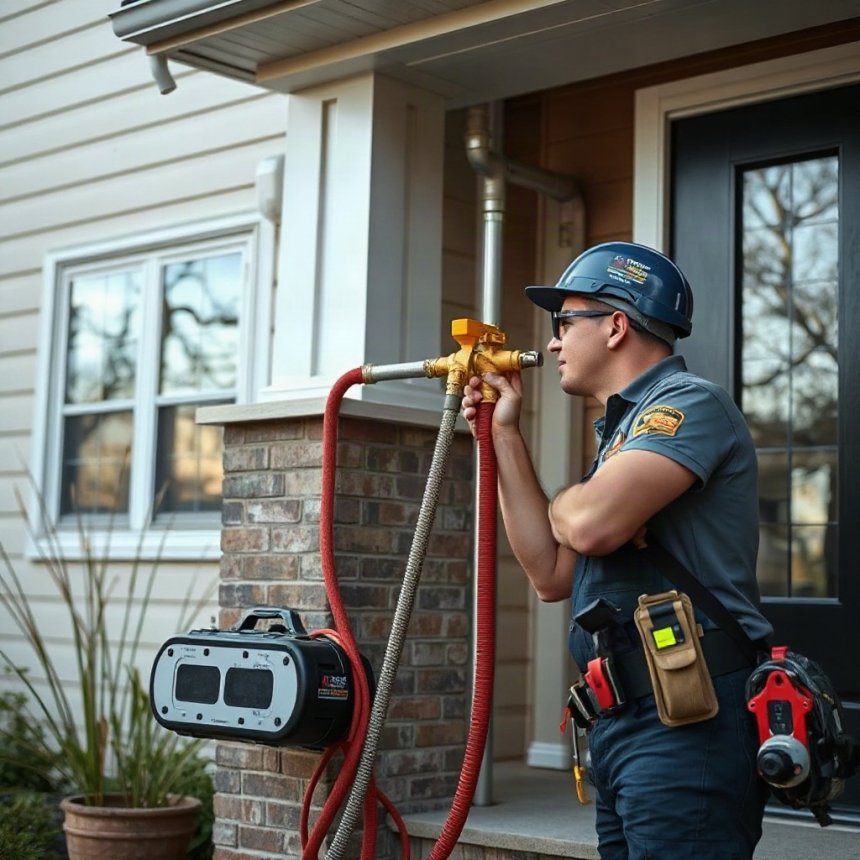
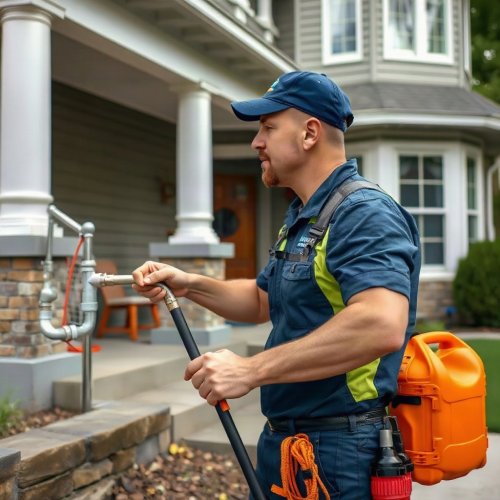
Hydro Jetting: For heavy grease or scale buildup, we use high-pressure water jetting to scour the entire pipe wall clean, restoring it to a "like-new" condition. This is often safer for old UWS pipes than harsh mechanical cutting.
Step 4: Testing & Cleanup Once cleared, we run the sewer cam again to verify the blockage is gone and the pipe is structurally sound. We then thoroughly clean and sanitize the work area.
Can You Fix It Yourself?
We know New Yorkers are resourceful. But for a main sewer line backup, you should not attempt to fix it yourself. People Also Ask: Can I clear a main sewer line clog myself? The short answer is no. This is when professional plumbing is necessary.
Safe DIY (Temporary Fixes) for Homeowners:
-
Stop Using All Water: The single most important thing you can do is immediately stop all water usage in your home. Every time you flush a toilet or run a sink, you are adding to the sewage currently overflowing into your basement.
-
Close the Main Shut-Off Valve: If you have an overflowing toilet, locate the valve behind the toilet and turn it clockwise to stop it. This won't fix the sewer line, but it stops localized flooding.
-
Locate the Cleanout (If Accessible): If you can safely access your main sewer cleanout (usually a brass cap in the basement floor or in the sidewalk), DO NOT OPEN IT if the line is backed up. Pressure can cause a dangerous explosion of sewage.
When DIY Becomes Dangerous:
-
Chemical Drain Cleaners: People Also Ask: Are chemical drain cleaners safe for main lines? Absolutely not. They are dangerous to handle, will not eat through major root blockages, and can severely damage already-weakened pre-war cast iron pipes.
-
Renting an Industrial Snake: Using a major piece of motorized equipment without training can cause severe injury and easily destroy the inside of an aging pipe, turning a clearing job into a total replacement.
Cost Factors and Hidden Truths New Yorkers Should Know
We understand budget is a major concern. When estimating a sewer backup repair on the Upper West Side, we base cost factors on several practical realities:
-
Labor & Emergency Charges: After-hours and holiday service calls naturally carry higher labor rates than scheduled weekday visits.
-
Parts & Equipment Needed: Clearing a line with a snake is different from utilizing a high-pressure hydro-jetting rig.
-
Accessibility of Pipes: Working on a sidewalk cleanout is faster than diagnosing a backup in a building with multiple additions and no clear access point.
-
Replacement vs. Repair: If the inspection camera reveals a totally collapsed cast iron pipe, clearing it is temporary. You will need sectional replacement or trenchless pipe lining, which increases cost.
-
Permit Costs (If Applicable): If we must excavate into the sidewalk or street to repair the sewer lateral, city permits and inspections are mandatory.
Hidden Truths Homeowners Should Know:
-
Insurance May Not Cover It: Many NYC homeowner policies do not cover damage from a sewage backup unless you specifically added a water backup endorsement. Neglecting slower drains can also invalidate a claim.
-
Small Leaks Become Massive Repairs: Ignoring slow drains now ensures a total collapse and a much more expensive whole-home sewage disaster later.
-
DIY Mistakes Increase Repair Costs: Trying to snake a delicate old pipe yourself and snapping a cable inside it turns a routine service call into a expensive retrieval mission.
-
Annual Maintenance Saves Money: Spending a small amount on a preventative annual hydro-jetting service can prevent a $5,000 emergency mess.
15 Common Mistakes Homeowners Make
After serving New York City for years, we’ve seen the same preventable mistakes lead to major sewer backups. Avoid these to protect your UWS home:
-
Flushing "Flushable" Wipes: This is mistake number one. They do not dissolve. They clot NYC pipes.
-
Ignoring Slow Drains: Dismissing a slow tub drain as "just how pre-war buildings are" is inviting a total backup.
-
Using Chemical Drain Cleaners regularly: This just corrodes the bottom of your old cast iron pipes.
-
Pouring Grease Down Drains: It hardens like concrete inside your cold underground sewer lines.
-
Ignoring Gurgling Noises: Bubbles in the toilet when the sink runs are warnings you can’t ignore.
-
Flushing Hygiene Products: Sanitary pads and tampons never belong in the toilet.
-
Skipping Maintenance: Failing to have old pre-war lines camera-inspected every few years.
-
Waiting until a Total Emergency: Ignoring warning signs and calling us only when sewage is already flooding.
-
Hiring Unlicensed Plumbers: A "guy with a snake" from Craigslist is not a licensed NYC professional. If they destroy your pipe, you are on your own.
-
Over-tightening Plumbing Fittings: This cracks the threads on old pipes, leading to new leaks.
-
Flushing Worn Plumbing Fixtures parts: Never flush old rubber washers or nuts down the drain while repairing a faucet.
-
Using Wrong Pipe Materials for DIY repairs: Connecting dissimilar metals causes rapid corrosion (galvanic action).
-
Neglecting to Install a Backwater Valve: If you have a low-lying basement, a backwater valve is essential for preventing municipal surcharges.
-
Blocking the Roof Vent: If sewer air can’t escape the roof vent, it pushes back through your P-traps.
-
Hiring an Unlicensed Plumber to Open the Street: Excavation requires city permits that only licensed NYC plumbers can obtain.
Maintenance Tips for Pre-War UWS Plumbing
Preventing a sewer backup is much easier than fixing one. Follow this practical advice for your Upper West Side home:
-
Schedule Preventative Camera Inspections: Have your main sewer line inspected every 1-3 years if you live in a building older than 40 years.
-
Utilize Hydro Jetting preventative service: If you live in a building known for grease or root issues, a biannual hydro-jetting maintains full flow.
-
Install Drain Strainers: Put mesh strainers in all showers and tubs to catch hair.
-
Know What NOT to Flush: Create a strict household rule: Only human waste and toilet paper belong in the toilet.
-
Flush Hot Water Monthly: Pouring a large pot of very hot (but not boiling) water down your kitchen sink monthly can help keep soft grease from solidifying.
-
Inspect the Roof Vent: Ensure leaves or bird nests aren't blocking the main stack vent on the building roof.
-
Run Water in All Fixtures quarterly: Even in guest bathrooms or rarely-used basement sinks, run the water for 60 seconds to ensure the P-traps remain full, preventing sewer gas from entering.
When Should You Call an Emergency Plumber in New York City?
A sewer backup is a true plumbing emergency. Immediate action is essential to minimize damage and health risks.
You should call an emergency plumber IMMEDIATELY if you experience:
-
Standing Sewage or Water Overflow: Any raw sewage or wastewater bubbling up through floor drains, showers, or ground-floor toilets.
-
A Complete Sewage Backup Affecting Multiple Fixtures: When you cannot use any fixture in your home without waste backing up somewhere else.
-
Sewer Smell (Rotten Egg Smell) and a Clogged Toilet: This means the clog is past the localized pipe and into the main lateral.
A reliable 24/7 emergency plumber in Manhattan will prioritize main sewer backups because we know how dangerous and destructive they can be.
Why Choose Our Plumbing Company in Upper West Side, NYC
Facing a sewage backup on the Upper West Side is overwhelming. You need a trusted partner who understands the neighborhood’s unique challenges. Plumber in New York City is that partner. We aren’t just a company; we are your neighbors, committed to being the reliable plumbing company New Yorkers can trust.
When you choose us, you are choosing:
-
Experienced, Licensed, and Insured Plumbers: Our team has extensive local experience navigating pre-war buildings and NYC sewer codes. We do it right the first time.
-
True Emergency Availability (24/7): We understand that sewer backups don't wait for business hours. We respond 24/7 across New York City.
-
Honest Estimates & Transparent Recommendations: We use camera technology to show you the problem before we offer a solution. We prioritize practical, lasting repairs over cheap patches.
-
State-of-the-Art Modern Equipment: From high-definition sewer cams to industrial-grade hydro-jetting rigs, we have the modern tools needed to solve any blockage.
-
Quality Workmanship: We stand behind our work. We take pride in our service and our reputation on the Upper West Side.
-
Customer Satisfaction: We aren’t finished until you feel safe and your plumbing is flowing freely.
A sewage disaster is terrifying, but you don't have to face it alone. If you are experiencing a sewer backup, immediately stop using water and call our local Emergency Plumber Upper West Side hotline at (212) 555-0123 (Or contact us viaআমাদের Website
Frequently Asked Questions
1. Why is my water pressure suddenly low?
Usually unrelated to sewer backups, a sudden drop across the whole home can indicate a massive fracture in the main incoming water line (often caused by the same UWS soil shift that affects sewers). Check our Water Line Repair guide or contact a reliable plumber NYC for diagnostics.
2. How much does leak detection cost?
For standard supply lines, leak detection varies depending on complexity. Our UWS technicians utilize specialized sound equipment and moisture meters. Contact our reliable plumbing company for an honest estimate.
3. Can a clogged drain damage pipes?
Yes! A major clog causes intense hydraulic pressure when you plunge it or add chemicals. This can facilmente break the rusted bottom out of an old pre-war pre-war cast iron pipe, turning a small clog into a major emergency.
4. Is hydro jetting safe for old pipes?
This is a complex question! When performed correctly by a trained NYC professional after a camera inspection, hydro-jetting is actually safer for old cast iron than harsh mechanical snakes, which can snag and collapse the pipe wall. It utilizes precisely adjusted water pressure.
5. How do I know if my sewer line is broken?
A sewer camera inspection is the only definitive way. Warning signs include recurring backups despite clearing, soggy patches or sinkholes in the lawn (in Blue Valley or outer boroughs), or persistent sewage smells.
6. How long do water heaters last?
In NYC, typically 8 to 12 years. If yours is older, noisy (popping), and has slow drains (unrelated, but often co-exists in older UWS buildings), it’s time to call our trusted NYC plumber for a replacement quote.
7. Why does my faucet drip?
Worn washers or ceramic cartridges. It seems minor, but a constant drip wastes massive amounts of NYC water and money. Check our trusted NYC plumbing company blog for simple DIY fixes or call us!
8. What causes pipes to burst?
In NYC, the most common causes are freezing (especially in unheated basements or renovated apartments where insulation was forgotten) and intense water hammer caused by high pressure and closing valves.
9. Can plumbing leaks increase my water bill?
Absolutely! A continuously dripping faucet can waste thousands of gallons a year, substantially increasing your water bill. A silent toilet leak can waste hundreds of gallons a day. If you see a mystery spike in your bill, call a reliable NYC plumber.
10. When should I replace plumbing instead of repairing it?
If you live in a pre-war building and are having recurring main sewer lateral blockages despite clearings, and our camera inspection shows extensive root damage, collapsed sections, or heavily eroded cast iron pipe bottoms, complete replacement is the only lasting solution and annual maintenance will be more expensive in the long run.
11. Do I need a licensed plumber to clear a main sewer line?
Yes. Opening the city cleanout and clearing a main sewer line lateral in NYC requires specific permits that only a licensed and insured New York City plumbing company can legally obtain. Working on these lines without a license is against city code.
12. What if the backup is in the city's main sewer line, not mine?
If wastewater is backing up even when you have stopped using all water, the city’s main line under the Upper West Side street may be full. We clear your line and provide a report you can submit to the city’s DEP department.
13. Are chemical drain cleaners safe for pre-war pipes?
Generally, no. Chemical cleaners generate intense heat that can crack vintage pre-war pre-war cast iron pipes and soften plastic lines, easily turning a routine drain clearing into an expensive whole-building disaster.
14. How long does a sewer backup repair usually take?
Most sewer backups can be diagnosed and cleared by snaking or jetting within 2 to 6 hours once our NYC emergency plumber arrives on-site. If a major pipe repair or trenchless lining is needed, it can become a 1-to-3-day project, especially in pre-war building conditions.
local upper west side neighborhood mention
Our Upper West Side emergency plumbing team services buildings ranging from the historic brownstones of West 72nd Street to the high-rises lining Central Park West and Riverside Drive. We have deep knowledge of the specific plumbing systems and co-op/condo requirements common in Carnegie Hill, Yorkville, and all UWS neighborhoods. This deep, practical experience ensures our reliable plumbing NYC team can service your property quickly and efficiently, respecting both city codes and neighborhood character. We stand behind our work, offering trustworthy advice and transparent recommendations when your Manhattan home needs it most. Contact our reliable NYC plumbers for trustworthy service that genuinely helps homeowners understand plumbing problems