NYC Brownstone Basement Plumbing Problems & Causes
Discover common basement plumbing problems in NYC brownstones, causes, warning signs, and professional repair steps by expert local plumbers.

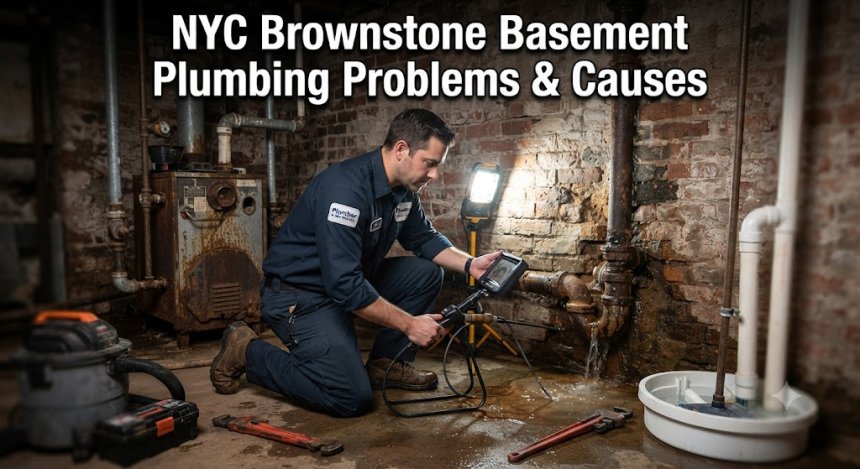
Basement Plumbing Problems in NYC Brownstones: Common Causes
Owning or managing a historic property in New York City comes with unique architectural charms and distinct mechanical headaches. Among the most vulnerable areas of these multi-story multi-family structures are the subterranean levels. Dealing with basement plumbing problems in NYC brownstones is a frequent challenge for property owners across historic neighborhoods like Park Slope, Harlem, Bedford-Stuyvesant, and the Upper West Side. Because these landmark buildings often feature century-old infrastructure, sub-grade levels bear the brunt of shifting soils, municipal sewer fluctuations, and aging material fatigue, making timely professional intervention vital.
What Is Basement Plumbing Problems in NYC Brownstones?
Basement plumbing problems in NYC brownstones refer to a wide array of functional failures occurring within the sub-surface or cellar drainage, waste, and supply systems of 19th-century residential structures. Typical situations include overflowing sub-slab floor drains during heavy rainstorms, fractured cast-iron house traps, or failing ejector pumps in English basements. Symptoms range from foul sewer odors lingering near laundry areas to unexpected puddles accumulating around boiler bases.
Consider a classic 1890s brownstone in Clinton Hill, Brooklyn: heavy regional rainfall overwhelms the municipal combined sewer main, forcing greywater backward through old, un-valved cellar floor drains and flooding the finished basement area. Identifying why these sub-grade failures happen requires understanding the unique interaction between aging private architecture and New York City's municipal infrastructure.
Why Does This Plumbing Problem Happen?
Cellar and sub-grade plumbing in historic urban townhouses faces severe environmental and mechanical stress factors that accelerate breakdown.
-
Aging Cast-Iron Infrastructure: Many brownstones still contain original or mid-century cast-iron waste stacks and sewer lines that have suffered decades of internal oxidation and wall thinning.
-
Combined Municipal Sewer Surges: New York City operates a combined sewer system where heavy storms can easily overwhelm street mains, pushing water and waste back into lower-level building lines.
-
Shifting Foundation Soils: Heavy urban vibrations from nearby subway lines and traffic cause historic brownstone foundations to settle, misaligning rigid underground drain pipes.
-
Tree Root Infiltration: Mature street trees in historic Brooklyn and Manhattan neighborhoods send aggressive roots into microscopic cracks in older clay or cast-iron lateral sewer lines.
-
Mineral Scaling and Grease Buildup: Decades of accumulated cooking oils, soap scum, and hard water minerals narrow interior pipe diameters until total blockages occur.
-
Corrosive Soil Conditions: Sub-grade moisture and soil acidity slowly eat away at unprotected metallic pipes resting directly against basement earth or concrete.
Signs You Should Never Ignore
-
Foul Sewage Odors: Persistent sulfur or rotten egg smells in the cellar indicate a dry floor drain trap or a cracked vent and waste line.
-
Gurgling Drains: Bubbling sounds when flushing upper-floor toilets signal trapped air pockets caused by a blocked or venting-compromised main stack.
-
Slow-Draining Utility Sinks: Water backing up into basement laundry tubs or floor drains during appliance discharge points to a developing main line blockage.
-
Unexplained Puddles or Damp Floors: Standing water near the foundation perimeter reveals slow subsurface leaks or exterior groundwater seepage.
-
Stained or Spalling Foundation Walls: Discolored mortar and crumbling masonry often track directly back to a leaking pressurized supply line or waste pipe.
-
Sudden Increases in Water Bills: Unaccounted spikes in municipal water consumption suggest a hidden underground service line leak beneath the cellar floor slab.
Common Plumbing Problems Related to This Issue
-
Main House Trap Blockages: Clogs occurring right at the primary building trap where waste exits toward the municipal street connection.
-
Sump and Ejector Pump Failures: Mechanical breakdowns in pumps designed to elevate below-grade wastewater up to the street-level gravity sewer.
-
Sub-Slab Pinhole Leaks: Corroded copper or galvanized water supply lines running beneath concrete basement floors.
-
Main Sewer Lateral Collapses: Structural failure of the underground pipe connecting the brownstone basement to the city main under the sidewalk.
-
Boiler and Water Heater Leaks: Corroded tank bases or failing pressure-relief valves pooling water across utility rooms.
Step-by-Step Professional Repair Process
-
Step 1: Comprehensive Inspection: A licensed plumber visually inspects the entire basement layout and checks historical cleanout access points.
-
Step 2: Video Camera Diagnosis: Threading high-resolution fiber-optic cameras down waste stacks and sewer laterals to pinpoint structural breaks, roots, or heavy scale.
-
Step 3: Upfront Estimate: Presenting a clear, detailed breakdown of repair options, material choices, and labor scopes before starting work.
-
Step 4: Containment & Water Shutoff: Shutting off localized supply lines or isolating affected drainage runs to prevent further property contamination.
-
Step 5: Professional Repair or Trenchless Relining: Executing code-compliant pipe replacements, hydro-jetting, or trenchless epoxy pipe lining.
-
Step 6: System Testing & Flow Verification: Running high-volume water tests and pressure checks to confirm zero leakage and optimal flow rates.
-
Step 7: Jobsite Cleanup & Maintenance Advice: Sanitizing the work zone and providing professional guidelines to prevent future basement disruptions.
Can You Fix It Yourself?
Property owners can safely handle minor tasks like plunging a surface-level basement sink clog or wiping down accessible moisture condensation on cold water pipes. However, attempting DIY repairs on main house traps, sewage ejector systems, or sub-slab water lines in an NYC brownstone is extremely dangerous.
The moment a project involves cutting into heavy cast-iron waste stacks, working on main gas-adjacent water heaters, or modifying structural building drains, DIY steps aside. Improper amateur fixes can lead to massive raw sewage spills, structural foundation compromise, and severe violations of New York City building codes. Professional plumbing contractors possess the heavy-duty machinery and structural expertise required to handle these complex urban systems safely.
Tools Professionals Use
-
Self-Leveling Sewer Cameras: High-definition cameras that map exact pipe distances and pitch irregularities beneath concrete basement floors.
-
High-Pressure Hydro Jetters: Specialized commercial water-blasting units that scour away decades of hard grease, scale, and root intrusions from old pipes.
-
Electronic Pipe Locators: Transmitters that allow technicians above ground to pinpoint the exact depth and location of a broken underground pipe.
-
Hydrostatic Pressure Testers: Precision gauges used to pressurize supply lines and verify that no hidden pinhole leaks remain.
-
Heavy-Duty Power Snakes & Sectional Machines: Industrial cable machines designed to cut through stubborn tree roots inside rigid cast-iron stacks.
How Long Does the Repair Usually Take?
-
Simple Repairs (1 to 3 hours): Clearing a localized basement floor drain clog or replacing a malfunctioning sump pump check valve.
-
Moderate Repairs (4 to 8 hours): Replacing a corroded house trap, repairing a section of leaking overhead cast-iron waste, or swapping out a failed hot water heater.
-
Major Repairs (2 to 5 days): Excavating a section of the basement concrete slab to replace collapsed sub-slab drainage or installing a complete overhead sewer conversion.
-
Emergency Repairs (Immediate stabilization): Installing temporary bypass lines and emergency pumping equipment to halt active basement flooding.
Factors affecting repair time include the historic nature of the building, accessibility of pipes buried beneath thick concrete slabs, co-op or landmark preservation restrictions, and the availability of clear workspace in crowded utility cellars.
Cost Factors
-
Diagnostic & Inspection Fees: Initial costs associated with travel, physical evaluation, and camera scoping.
-
Material Quality & Sizing: Expenses vary depending on whether heavy-duty cast-iron, copper, or specialized PVC/PEX materials are required.
-
Labor Intensity: Urban labor rates in New York City reflect specialized licensing, insurance mandates, and difficult working conditions in tight cellars.
-
Excavation Requirements: Breaking through concrete basement slabs or digging up historic brownstone cellars increases labor time significantly.
-
Emergency Dispatch Surcharges: After-hours, weekend, or holiday emergency responses incur priority deployment fees.
-
Permit and Municipal Filing Costs: Major structural plumbing overhauls often require filing permits with the NYC Department of Buildings.
Plumbing repair costs vary depending on the severity of the problem, accessibility, materials required, emergency service, property type, and local labor rates.
Hidden Truths Homeowners Should Know
-
Small damp spots in historic cellars almost always indicate chronic, unaddressed pipe seepage that attracts termites and carpenter ants.
-
Cheap temporary rubber patch bands placed on aging cast-iron sewer lines inevitably rupture under peak household water usage.
-
Standard homeowner's insurance policies frequently deny coverage for water damage caused by neglected, long-term pipe corrosion or deferred maintenance.
-
Tree roots will continuously re-infest damaged clay or cast-iron sewer laterals until the compromised pipe section is structurally relined or replaced.
-
Hard water mineral scaling gradually constricts interior pipe diameters, reducing building water pressure year after year.
-
DIY plumbing errors in multi-family brownstones compound repair expenses by causing collateral damage to tenant apartments above.
-
Delaying minor basement plumbing repairs invites catastrophic structural wood rot along foundational sill plates.
-
Hidden slow leaks behind cellar drywall or under concrete push municipal utility bills up month after month.
-
Mold colonies thrive in damp, unventilated brownstone basements, spreading health hazards throughout the entire structure.
-
Scheduling routine annual maintenance with a licensed professional saves thousands of dollars in emergency mitigation costs.
15 Common Mistakes Homeowners Make
-
Ignoring faint musty odors or damp masonry patches in the cellar.
-
Pouring chemical drain openers down sluggish old metal pipes, accelerating corrosion.
-
Flushing flushable wipes and paper towels down toilets, triggering major basement stack backups.
-
Pouring cooking grease down kitchen sinks, where it solidifies inside cold basement waste lines.
-
Overlooking fluctuating water pressure or loud water hammer banging noises.
-
Hiring unlicensed handymen for complex structural brownstone plumbing repairs.
-
Skipping annual pre-winter plumbing and heating system checks.
-
Waiting for a total system failure before addressing known slow drains.
-
Mixing incompatible pipe materials without proper dielectric connectors.
-
Over-tightening fragile historic brass and iron plumbing fittings.
-
Failing to locate or test the main basement water shutoff valve.
-
Neglecting to clean and test battery backups on sump pump systems.
-
Assuming slow floor drain backups will clear themselves after heavy storms.
-
Discarding vital maintenance logs and repair invoices.
-
Attempting high-pressure hydro-jetting on severely decayed, fragile historic pipes without prior camera confirmation.
Maintenance Tips
-
Test your basement sump pump and battery backup system every spring before heavy rain season begins.
-
Insulate exposed water supply lines running along exterior stone walls to prevent winter freezing.
-
Pour clean water into seldom-used basement floor drain traps monthly to maintain the sewer gas seal.
-
Schedule professional hydro-jetting of your main building sewer lateral every 12 to 18 months.
-
Keep cellar window wells clean of leaves, dirt, and debris to prevent localized foundation flooding.
-
Inspect the base of your boiler and water heater monthly for early signs of weeping corrosion.
-
Never dump cooking oils, grease, or paint thinners into any utility or basement sink.
-
Install a smart water leak detector on the floor near your main water meter and laundry connections.
-
Clear clutter away from main cleanout plugs to ensure rapid access during an emergency.
-
Monitor your water meter readings periodically when no water is running to check for hidden leaks.
When Should You Call an Emergency Plumber?
-
Burst Supply Pipes: When a high-pressure line ruptures, sending uncontrolled water jets across the cellar.
-
Severe Sewage Overflows: When raw municipal or building waste backs up directly out of basement floor drains and toilets.
-
Total Loss of Water Pressure: When the entire building loses water service without municipal warning.
-
Overflowing Sump Basins: When a primary pump fails during a torrential downstorm, threatening electrical panels and mechanical equipment.
-
Major Gas-Adjacent Leaks: When water pools dangerously close to gas-fired boilers or water heaters.
-
Active Structural Flooding: When water accumulation threatens to submerge basement living spaces or storage rooms.
Immediate professional action is essential to protect structural integrity, prevent electrical hazards, and stop biohazard contamination in your property.
Frequently Asked Questions
-
Why is my water pressure suddenly low in the brownstone? Sudden pressure drops can result from a failing pressure-reducing valve, a major hidden supply leak, or municipal line maintenance in your neighborhood.
-
How much does leak detection cost? Professional leak detection varies based on equipment deployed, but it eliminates guesswork and prevents destructive demolition of historic finishes.
-
Can a clogged basement drain damage my foundation? Yes. Pooling water around foundation walls softens mortar, erodes masonry, and increases hydrostatic pressure against sub-grade structures.
-
Is hydro jetting safe for old brownstone pipes? Hydro-jetting is safe when performed by a licensed professional who first inspects the pipe condition via camera to adjust water pressure appropriately.
-
How do I know if my brownstone sewer line is broken? Frequent backups, foul odors, wet spots in the yard, and gurgling cellar drains are primary indicators of a compromised sewer line.
-
How long do historic cast-iron pipes last? Traditional cast-iron pipes typically last 50 to 100 years, but harsh urban wastewater and soil conditions can accelerate corrosion much sooner.
-
Why does my basement utility sink smell bad? A bad smell usually means the P-trap has dried out, allowing sewer gases to vent freely into the room.
-
What causes basement pipes to freeze in winter? Uninsulated pipes located near drafty cellar windows or exterior foundation vents are highly vulnerable to freezing temperatures.
-
Can plumbing leaks increase my water bill? Absolutely; even a small continuous hidden leak can waste thousands of gallons, drastically inflating monthly utility costs.
-
When should I replace plumbing instead of repairing it? When pipes show widespread pitting, frequent pinhole leaks, or structural collapse, full replacement or trenchless relining is more cost-effective than patching.