Emergency Plumber Bayside Queens: Burst Basement Pipe
Basement pipe burst in Bayside, Queens? Discover emergency steps, temporary fixes, costs, and local professional help from Plumber in New York City.

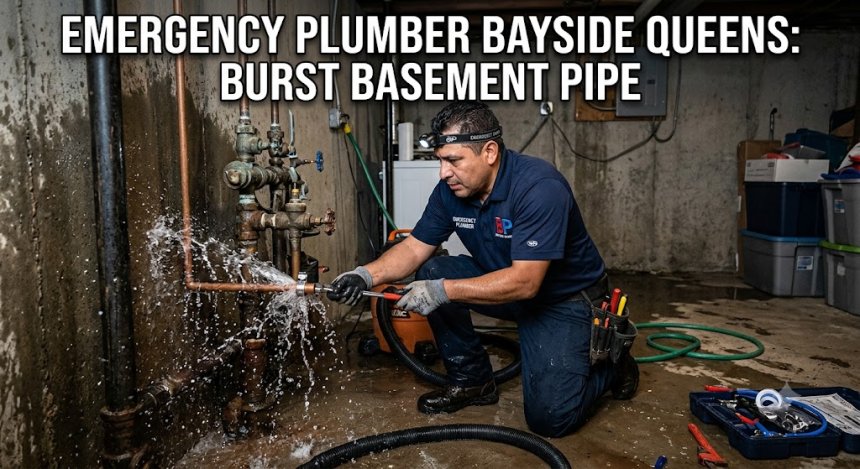
Emergency Plumber in Bayside, Queens: What to Do When a Basement Pipe Bursts
Imagine waking up in the middle of the night to the sound of rushing water, only to find your basement in Bayside, Queens, turning into an indoor swimming pool. This nightmare scenario—a burst basement pipe—is terrifyingly common for homeowners and business owners across New York City, particularly in older neighborhoods like Bayside with aging infrastructure. Immediate action isn't just a suggestion; it's the absolute difference between a manageable repair bill and thousands of dollars in devastating water damage, structural timber rot, and hazardous black mold growth.
Homeowners frequently search for "emergency plumber Bayside" because a burst pipe is a critical event. You are likely stressed, worried about the cost, and needing reliable help right now. This guide is written specifically for you during this high-stakes situation. We will cover exactly why this catastrophe happens, give you the warning signs you may have missed, provide immediate safety steps you must take, and explain the professional repair process, cost factors, and how to choose the right expert in Queens to fix it correctly.
What Is a Burst Basement Pipe?
A burst pipe occurs when a pressurized water supply line, main drain pipe, or heating line fails catastrophically, releasing high volumes of water or wastewater directly into the basement structure.
Definition and Common Situations
Unlike a minor pinhole leak that might only show subtle signs, a burst pipe is often a singular, violent failure. The stored water pressure inside your home's pipes (typically 40–80 PSI) means water is discharged rapidly. This often happens hidden behind drywall, under concrete slabs (a slab leak), or exposed along basement ceilings and walls where main water risers and boiler lines are located.
Symptoms and Examples
-
Standing Water: A clear, sudden accumulation of water pooling across the basement floor.
-
Sounds of Gushing Water: Hearing a loud hissing, rushing, or waterfall sound even when no faucets are running.
-
Water Spouting: Visibly seeing water spewing from a specific crack, joint, or connection in a pipe.
-
Sudden Low Water Pressure: A drastic, property-wide drop in overall water pressure.
An example of this emergency is a multi-family property owner near Bayside Marina finding the entire basement storage area flooded on a winter morning. Another is a homeowner near Bell Boulevard realizing their main water line from the street has ruptured under the basement foundation, forcing water up through foundation cracks.
Why Does This Plumbing Problem Happen?
While a burst pipe feels sudden, the underlying causes are usually long-term systemic or environmental stresses. In older Bayside properties, these are the primary culprits:
-
Frozen Pipes: During severe NYC cold snaps, stagnant water inside uninsulated pipes (especially those in exterior walls or unheated basement areas) freezes. As water turns to ice, it expands, creating immense hydraulic pressure between the ice blockage and the closed faucet. This trapped pressure easily splits copper and galvanized steel lines.
-
Aging Pipes and Corrosion: Many Bayside homes feature original plumbing systems that are 50 to 80 years old. Galvanized steel pipes thin internally due to rust (tuberculation), while copper lines can suffer from specific types of pitting corrosion. Over decades, this weakens the pipe walls until they fail.
-
High Water Pressure: Constant, excessive water pressure (above 80 PSI) places immense strain on pipe welds, couplings, and soldered joints. Without a properly functioning pressure-reducing valve (PRV), this continuous stress eventually causes a critical failure.
-
Tree Root Intrusion (In Sewer Laterals): While tree roots won't typically "burst" a Pressurized supply line, they are a primary cause of main drain (sewer) line failures. Roots enter microscopic cracks in older clay or cast iron pipes seeking nutrients, growing into dense mats that cause catastrophic sewer backups or partial pipe collapses.
-
Improper Initial Installation: Poorly soldered joints, mismatched pipe metals (causing galvanic corrosion), or unanchored pipes that rattle (water hammer) can all lead to catastrophic failures.
-
Poor Maintenance: Failing to address minor water hammer issues, neglecting to insulate pipes in winter, or ignoring small warning signs accelerates system fatigue.
Signs You Should Never Ignore
Active flooding is obvious, but a broken pipe often gives subtle warning signals before the total catastrophe. You must call a Queens plumbing specialist if you notice any of these indicators:
-
Slow Drains Throughout the Property: If multiple sinks, showers, and toilets across your property all drain sluggishly at the same time, the blockage is likely in your main sewer lateral, threatening a whole-house sewer backup.
-
Unexplained Drops in Water Pressure: A sudden, significant loss of pressure throughout the property is a major red flag indicating water is escaping the pressurized supply line elsewhere in the system.
-
Discolored or Rusty Water: Seeing brown or reddish water coming from your faucets means internal corrosion is eating away at galvanized pipes, a clear precursor to structural failure.
-
Strange Gurgling Noises: Hearing bubbling or glug-glug sounds from drains or toilets when you aren't using them signals trapped air caused by a developing blockage or partial pipe collapse.
-
Foul Sewage Odors: Smelling rotten eggs or sewer gas (Note: A distinct smell like rotten eggs or sulfur often comes from the sewer line, not the clean supply water, but it’s a critical sign that requires professional plumbing diagnostics diagnostics).
-
Standing Water and Unexplained Wet Patches in Yard: Seeing puddles or persistent soggy patches of grass over the path of your underground water main lateral, even when it hasn't rained, is a major indicator of a main main line breach.
Common Plumbing Problems Related to This Issue
A burst basement pipe is rarely an isolated problem; it is often the culmination or a sign of systemic failures across your building’s network:
-
Main Main Line Breaches: If you find water coming through foundation cracks, you are likely dealing with a failure of the main water service line from the street.
-
Heating System Failures: Boiler supply or return lines in basements are prone to corrosion and freeze-bursts, causing heating system failure.
-
Sewer backups: Blocked sewer laterals cause total wastewater backups into lowest floor drains.
-
Unaddressed Water Hammer: Constant banging pipes loosen solder joints and wear down PRVs.
Step-by-Step Professional Repair Process
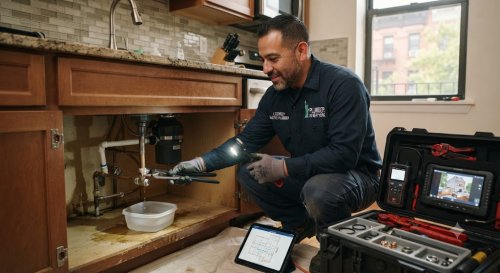
When our licensed Queens plumbing experts respond to a burst basement pipe emergency in Bayside, we execute a precise protocol to isolate the disaster and implement a permanent, code-compliant solution:
Step 1: Emergency Isolation and Draining
The Master Plumber's immediate priority is stopping the flooding. They locate the Master Master water shut-off valve, ensure it is fully closed, and then open lowest faucets across the property to drain residual line pressure.
Step 2: Site Containment and Hazard Check
Our Queens plumbing experts assess immediate safety risks, including electrical hazards (checking proximity to panels and outlets) and verifying gas line integrity if nearby.