NYC Apartment Water Leak Responsibility Guide
Navigating an NYC apartment water leak? Learn landlord vs. tenant responsibilities, liability laws, NYC plumbing codes, and how to resolve leaks fast

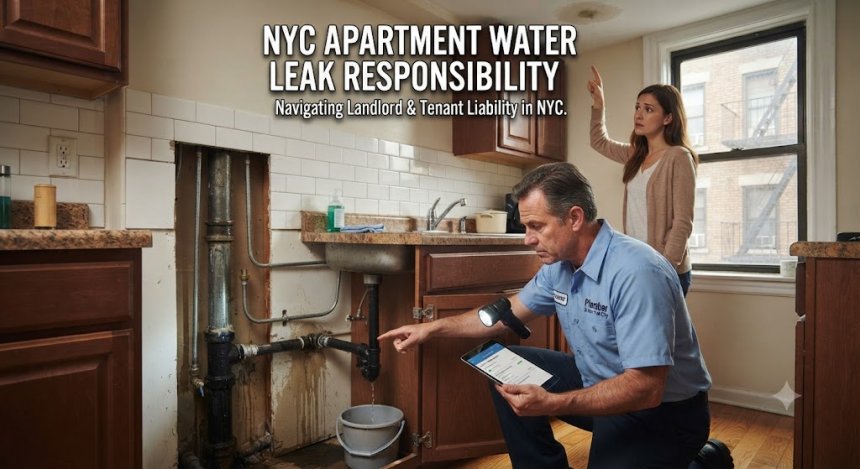
NYC Apartment Water Leak: Who Is Responsible for the Repair?
Dealing with an NYC apartment water leak is one of the most stressful situations a resident or property owner can face. In the densely populated neighborhoods of Manhattan, Brooklyn, Queens, the Bronx, and Staten Island, plumbing systems are interconnected across multi-family dwellings, cooperatives, condominiums, and rental buildings. When water starts staining a ceiling or pooling on hardwood floors, the immediate panic is quickly followed by a complex question: who actually pays for and manages this repair? Renters, co-op shareholders, condo owners, and landlords across New York City frequently find themselves confused by liability laws, building bylaws, and lease agreements.
What Is an NYC Apartment Water Leak?
An NYC apartment water leak is the unauthorized escape of water from supply lines, drainage pipes, heating radiators, or waterproofed building envelopes within a multi-family residential structure in New York City. Common situations include pinhole leaks in aging copper supply lines behind kitchen walls, overflowing bathroom fixtures from upstairs apartments, failing wax rings on toilets, or deteriorating cast-iron stacks running vertically through building risers. Symptoms often manifest as bubbling wallpaper, peeling paint, warped flooring, or persistent musty odors.
Consider a classic pre-war apartment building in Park Slope, Brooklyn: a tenant on the fourth floor notices a slow drip under their kitchen sink, but the source of the rot is actually a cracked building-wide waste stack originating from the fifth floor. Understanding the exact point of origin is essential because New York City housing maintenance codes and property law dictate different responsibilities depending on whether the issue stems from private property fixtures, common elements, or landlord negligence.
Why Does This Plumbing Problem Happen?
Urban plumbing systems endure immense daily stress, and water leaks rarely occur without an underlying mechanical or structural trigger.
-
Aging Infrastructure: Many residential buildings across NYC feature aging galvanized steel or older copper pipes that degrade, corrode, and develop pinhole failures after decades of water pressure.
-
Building Risers and Common Elements: Main vertical water supply pipes and drainage stacks are owned and maintained by the building corporation or landlord, yet they run directly through private apartment walls.
-
Failed Waterproofing: Walk-in showers and bathroom tile grouting deteriorate over time, allowing shower water to seep into subflooring and leak down into the unit below.
-
High Municipal Water Pressure: The New York City Department of Environmental Protection (DEP) often supplies high water pressure to municipal mains, which can overwhelm internal residential valves and older appliance hoses if pressure-reducing valves fail.
-
DIY Plumbing Modifications: Unlicensed or improper repairs performed by previous tenants or amateur handymen often result in cross-threaded fittings, incorrect pipe sizing, and hidden joint failures.
-
Corrosive NYC Water: While New York City water is famously soft, fluctuations in chemical treatment and pH levels can gradually accelerate internal pipe wall corrosion in specific historic neighborhoods.
Signs You Should Never Ignore
-
Yellow or Brown Water Stains: Discolored patches on ceilings or walls indicate active, continuous water tracking down from a higher elevation.
-
Unexplained Spikes in Water Bills: A sudden increase on your monthly utility bill often points to a hidden slow leak behind drywall or beneath concrete flooring.
-
Warped or Buckling Flooring: Hardwood planks that cup or laminate flooring that bubbles usually signify trapped moisture underneath the surface.
-
Persistent Musty Odors or Mold: A damp smell behind closets or near baseboards reveals hidden mold growth thriving in unventilated wall cavities.
-
Bubbling Paint or Peeling Wallpaper: Water migrating through plaster causes surface finishes to lose adhesion and blister.
-
Decreased Water Pressure: A localized drop in flow can indicate a compromised supply line leaking water before it reaches your faucet fixture.
Common Plumbing Problems Related to This Issue
-
Vertical Stack Failures: Cracked cast-iron waste or vent stacks shared by multiple units.
-
Supply Line Ruptures: Burst braided stainless steel or rubber hoses connected to washing machines and dishwashers.
-
Radiator Valve Leaks: Steam heat systems common in NYC apartments frequently leak around worn packing nuts and air vents.
-
Slab and Subfloor Leaks: Pinhole leaks in heating or domestic water lines embedded beneath concrete apartment subfloors.
-
Fixture Joint Deterioration: Worn out P-traps and supply stop valves under bathroom and kitchen sinks.
Step-by-Step Professional Repair Process
-
Step 1: Visual Inspection & Moisture Mapping: A licensed plumber evaluates the affected area, using thermal imaging and moisture meters to trace the water path back to its exact origin.
-
Step 2: Source Diagnosis: Determining whether the leak originates from a private fixture, a shared building riser, or an adjacent unit's negligence.
-
Step 3: Upfront Estimate: Providing a transparent cost breakdown for required repairs, material replacements, and opening drywall if necessary.
-
Step 4: Containment & Water Shutoff: Isolating the specific section by closing local or main shutoff valves to stop further water migration.
-
Step 5: Pipe Repair or Replacement: Cutting out damaged sections of pipe and installing code-compliant copper, PEX, or cast-iron replacements.
-
Step 6: Pressure Testing: Pressurizing the repaired system to verify structural integrity and ensure zero ongoing seepage.
-
Step 7: Cleanup & Compliance Documentation: Cleaning the work zone and providing necessary invoices and plumbing affidavits for building management or insurance claims.
Can You Fix It Yourself?
Homeowners and tenants can safely handle very minor cosmetic issues, such as tightening a loose slip nut on a sink P-trap or replacing a worn rubber washer inside a faucet spout. However, attempting DIY repairs on pressurized supply lines, building risers, or gas-adjacent plumbing in NYC is strongly discouraged and often violates local building codes.
The moment a leak involves opening walls, cutting into shared building stacks, or working on main control valves, DIY crosses into dangerous territory. Improper fixes can lead to catastrophic flooding of neighboring units, making the resident legally liable for tens of thousands of dollars in property damage. Professional intervention is required to ensure compliance with NYC Department of Buildings (DOB) regulations.
Tools Professionals Use
-
Thermal Imaging Cameras: Detects temperature differentials behind walls to locate hidden moisture paths without destructive demolition.
-
Electronic Leak Detectors: Uses acoustic sensors to pinpoint the exact location of pressurized pipe leaks under floors or behind tiles.
-
Pipe Inspection Borescopes: Small cameras threaded into drain lines to inspect the internal condition of waste stacks and identify structural cracks.
-
Hydrostatic Pressure Pumps: Tests repaired supply lines to ensure they withstand standard residential water pressure without failing.
-
Pipe Locators: Radio-frequency transmitters used to map the exact underground or in-wall path of hidden plumbing lines.
How Long Does the Repair Usually Take?
-
Simple Repairs (1 to 2 hours): Replacing a faulty sink shutoff valve, repairing a flexible supply hose, or tightening a loose drain connection.
-
Moderate Repairs (3 to 5 hours): Opening a section of drywall to cut out and solder a leaking copper pipe section or replacing a damaged toilet flange.
-
Major Repairs (1 to 3 days): Replacing deteriorated vertical waste stacks, repairing extensive subfloor water damage, or repiping a bathroom.
-
Emergency Repairs (Immediate stabilization): Shutting off main risers and installing temporary bypass clamps to stop active flooding.
Factors affecting repair time include building access rules, the availability of main water shutoffs, the age of existing pipe materials, and whether co-op board approvals are required for major invasive work.
Cost Factors
-
Diagnostic Fees: Standard service call charges to evaluate the leak source and map moisture levels.
-
Parts & Materials: Costs vary based on whether the repair requires standard copper fittings, heavy-duty cast iron, or specialized PEX manifolds.
-
Labor Rates: Professional plumbing labor in New York City reflects high operational overhead, licensing, and insurance requirements.
-
Accessibility: Leaks located inside tiled walls, behind built-in cabinetry, or beneath concrete floors require more labor to access.
-
Emergency Service Charges: After-hours, weekend, or holiday dispatches incur additional priority dispatch fees.
-
Permit & Compliance Costs: Certain structural plumbing replacements require filing with the NYC Department of Buildings.
Plumbing repair costs vary depending on the severity of the problem, accessibility, materials required, emergency service, property type, and local labor rates.
Hidden Truths Homeowners Should Know
-
Small pinhole leaks unaddressed behind walls quickly evolve into massive structural repairs and black mold infestations.
-
Cheap temporary fixes like duct tape or epoxy putty on high-pressure supply lines inevitably fail under urban water pressure.
-
Standard renter's or homeowner's insurance policies may deny claims if negligence or delayed reporting contributed to the extent of water damage.
-
Tree roots can aggressively infiltrate sewer lines in outer-borough properties with private yards, such as in Queens or Staten Island.
-
Hard water and mineral scaling in older building systems slowly degrade plumbing fixtures from the inside out.
-
DIY plumbing mistakes significantly increase final professional repair costs by compounding structural damage.
-
Delaying leak repairs accelerates wood rot, compromises drywall integrity, and invites costly structural remediation.
-
Hidden water leaks exponentially increase monthly utility bills, wasting hundreds of gallons of water unnoticed.
-
Mold colonies can develop within 24 to 48 hours of constant moisture exposure, posing health hazards.
-
Scheduling annual professional plumbing maintenance catches failing components before catastrophic flooding occurs.
15 Common Mistakes Homeowners Make
-
Ignoring minor wall dampness until structural bubbling occurs.
-
Pouring harsh chemical drain cleaners down slow drains, which corrodes old metal pipe walls.
-
Flushing non-flushable wipes or hygiene products down toilets, causing severe municipal and building stack backups.
-
Pouring cooking grease and oils down kitchen sinks, leading to hardened blockages.
-
Ignoring fluctuating water pressure or loud hammering noises in pipes.
-
Hiring unlicensed, unregistered handymen for complex structural plumbing work.
-
Skipping annual plumbing system inspections and preventative maintenance.
-
Waiting until an active weekend emergency occurs to address known slow leaks.
-
Mixing incompatible pipe materials, such as joining copper and galvanized steel directly without dielectric unions.
-
Over-tightening threaded plumbing fittings, which cracks porcelain fixtures and brass connectors.
-
Failing to locate or test the main apartment water shutoff valve before an emergency strikes.
-
Neglecting to notify building management immediately when a leak appears to involve common elements.
-
Assuming dripping water will stop on its own without investigation.
-
Discarding insurance documentation and repair invoices needed for liability claims.
-
Attempting high-pressure hydro-blasting on fragile historic building drain pipes without prior camera inspection.
Maintenance Tips
-
Locate and test your apartment's emergency water shutoff valve annually to ensure it operates smoothly.
-
Inspect under all kitchen and bathroom sinks every month for signs of moisture or weeping fittings.
-
Replace rubber washing machine supply hoses every five years with burst-resistant braided stainless steel lines.
-
Install water leak detectors equipped with auto-shutoff capabilities near high-risk appliances like water heaters and dishwashers.
-
Never pour grease, coffee grounds, or fibrous food waste down kitchen garbage disposals.
-
Check tile grout and bathtub caulking annually to prevent water from seeping into structural subfloors.
-
Flush water heaters once a year to remove sediment buildup and extend tank lifespan.
-
Insulate exposed pipes located near exterior walls or unheated storage areas during freezing winter months.
-
Monitor your water meter or utility bills monthly for unexpected consumption increases.
-
Schedule a professional camera inspection of your waste lines every few years if you live in an older building.
When Should You Call an Emergency Plumber?
-
Burst Supply Pipes: When a main water line ruptures, causing uncontrolled flooding across floors and ceilings.
-
Severe Sewage Backups: When raw sewage overflows from toilets, tubs, or floor drains into living spaces.
-
Total Loss of Running Water: When your apartment loses domestic water supply completely without municipal notice.
-
Overflowing Toilets That Won't Stop: When flapper or fill-valve failures cause continuous flooding that cannot be stopped via the toilet shutoff valve.
-
Major Active Wall Leaks: When water streams continuously out of drywall or light fixtures.
-
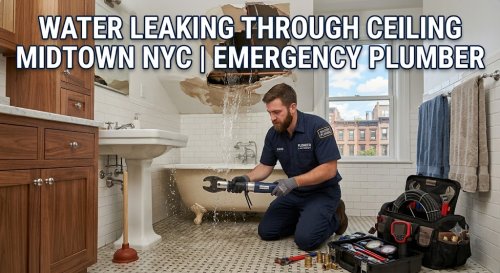
Ceiling Collapse Risk: When water accumulation causes living room or bathroom ceilings to sag dangerously downward.
Immediate action is critical to minimize structural damage, protect personal belongings, and prevent dangerous mold blooms from establishing in your home.
Frequently Asked Questions
-
Who is responsible for a water leak in an NYC apartment? Responsibility depends on the source: landlords and co-op boards are generally responsible for building risers and common structural elements, while tenants or unit owners are responsible for branch lines, fixtures, and interior appliances originating within their private space.
-
Can a landlord evict me for reporting a water leak? No. Under New York City housing laws and the warranty of habitability, tenants have the legal right to request repairs for water leaks and mold without facing retaliatory eviction.
-
What should I do first if my apartment is flooding from above? Immediately notify your upstairs neighbor, alert building management or the superintendent, place buckets to catch water, and turn off your apartment's main water supply valve if necessary.
-
Does NYC HPD fine landlords for water leaks? Yes. The New York City Department of Housing Preservation and Development (HPD) issues violations to landlords who fail to repair water leaks and resulting mold conditions in a timely manner.
-
How do I prove where an apartment water leak is coming from? A licensed plumber can perform a professional leak trace, moisture mapping, or dye test to definitively establish the exact point of origin for building management or insurance adjusters.
-
Are co-op shareholders responsible for repairing shared risers? Generally, no. Main vertical supply and waste risers are considered building common elements maintained by the co-op corporation, unless damage was caused by gross tenant negligence.
-
What is the warranty of habitability in New York? It is a legal guarantee under New York Real Property Law requiring landlords to keep residential premises safe, sanitary, and fit for human habitation, which includes keeping apartments free from chronic water leaks and mold.
-
How much does leak detection cost in NYC? Professional leak detection services vary based on equipment used and time required, but provide precise diagnostics that save money by preventing destructive, unnecessary wall demolition.
-
Can a dripping pipe cause structural collapse? Yes. Prolonged water saturation weakens wooden floor joists, plaster, and drywall, eventually compromising the structural load-bearing capacity of ceilings and walls.
-
When should I contact my insurance company about a leak? Contact your homeowner's or renter's insurance provider as soon as property damage occurs, especially if neighboring units are affected or professional remediation is required.