Emergency Plumber Harlem: Sewer Line Backup Solutions
Sewage backing up in your Harlem property? Learn causes, immediate emergency steps, repair costs, and solutions from licensed NYC plumbers.

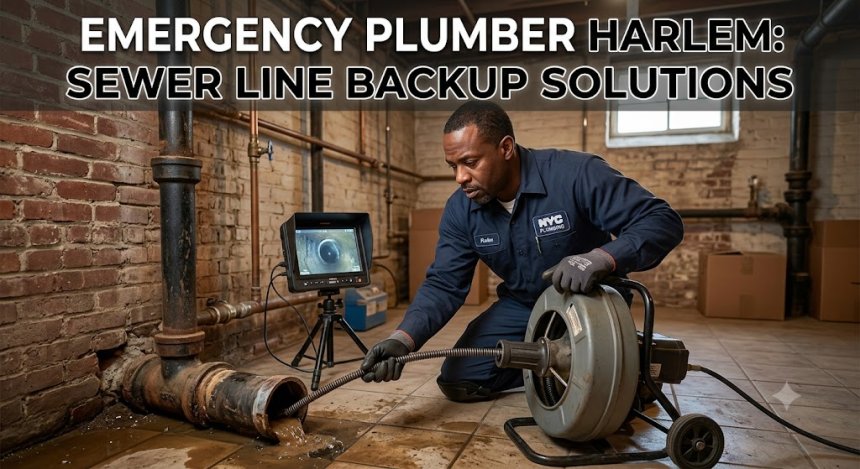
Emergency Plumber in Harlem: What to Do When a Sewer Line Backs Up
Few household emergencies match the disruption and biohazard risk of a sewer line backup. For property owners and tenants across Harlem—from historic brownstones along West 125th Street and Mount Morris Park to apartment buildings near Hamilton Heights and East Harlem—a main sewer blockage halts daily operations immediately. When wastewater can no longer exit through your property's lateral line to the city main under 7th Avenue or Malcolm X Boulevard, sewage reverses direction, rising through basement floor drains, ground-floor toilets, and shower stalls.
A backing-up sewer line is a time-sensitive plumbing emergency that threatens property foundations, creates health hazards, and leads to costly structural water damage if neglected. Knowing how sewer systems function in Harlem's historic properties, taking immediate safety precautions, and calling a licensed emergency plumber will help minimize damage and restore wastewater flow safely.
What Is a Sewer Line Backup?
A sewer line backup occurs when wastewater generated inside a property cannot flow out to the municipal sewer system due to an obstruction, structural pipe collapse, or city main overload. Instead of flowing downward by gravity, raw sewage reverses path and surfaces at the lowest drainage points in the building.
Common Real-World Scenarios in Harlem
-
Basement Drain Overflow: Heavy rainfall or line blockages force dark, foul-smelling water to pool around basement floor drains and sump pits in Central Harlem brownstones.
-
Multi-Fixture Backup: Flushing an upper-floor toilet causes wastewater to gurgle and rise inside a ground-floor bathtub or shower basin in an apartment complex.
-
Commercial Waste Line Blockage: A restaurant on Frederick Douglass Boulevard experiences simultaneous drain backups across kitchen sinks and customer restrooms during peak service hours.
Why Does This Plumbing Problem Happen?
Harlem features a unique mix of century-old pre-war structures, converted multi-family residences, and modern developments. Sewer backups occur due to several localized factors and structural age dynamics:
-
Tree Root Intrusion: Mature oak and maple trees lining Harlem's historic streets push aggressive root systems toward underground clay or cast iron sewer pipes. Roots enter tiny pipe joints, expand inside, and catch solid waste.
-
Aging Cast Iron and Clay Pipes: Many older buildings still rely on original sewer laterals that have cracked, corroded, or sagged over decades of soil settlement.
-
Grease and FOG Accumulation: Fats, oils, and grease (FOG) poured down kitchen drains cool inside main lines, coating pipe walls until flow is restricted entirely.
-
Flushing Non-Flushable Items: Wipes labeled "flushable," paper towels, feminine hygiene products, and heavy paper build up at pipe elbows and catch basins.
-
NYC Combined Sewer System Overloads: During heavy torrential rainstorms, New York City’s combined sewer infrastructure handles both stormwater and sanitary sewage, occasionally creating temporary main line surcharges that push water back into low-lying properties.
-
Collapsed or Belly Pipes: Heavy ground settling or construction vibrations cause sewer pipe sections to sag ("belly"), creating standing water zones where solids settle and block flow.
Signs You Should Never Ignore
Sewer lines rarely fail completely without warning. Identifying early symptoms prevents full-scale sewage flooding inside your basement or ground floor.
-
Multiple Clogged Drains Simultaneously: If every sink, toilet, and tub on the lowest floor drains slowly at the same time, the issue lies in the main sewer line, not individual branch pipes.
-
Gurgling Sounds from Fixtures: Hearing bubbling or gurgling noises from your toilet or floor drain when running the kitchen sink indicates air trapped behind an advancing blockage.
-
Foul Sewage Odors: Distinct sewer gas smells lingering near basement drains, yard traps, or bathroom fixtures indicate blocked vents or backed-up lines.
-
Water Rising in Showers When Flushing: If flushing a toilet causes water to back up into an adjacent shower stall or bathtub, the main drain stack is obstructed.
-
Lush, Soggy Grass Spots in Yards: Unusually green, spongy patches of grass near your front yard or sidewalk outline an underground sewer lateral leak feeding wastewater into the soil.
Common Plumbing Problems Related to This Issue
A backed-up main line creates compounding plumbing complications if not cleared quickly:
-
Foundation and Slab Moisture: Sewage pooling in basements seeps under concrete floor slabs, causing structural cracking and masonry degradation.
-
Biohazardous Contamination: Raw sewage contains harmful pathogens, bacteria, and viruses that require professional cleanup and sanitation.
-
Fixture and Pipe Joint Ruptures: Built-up pressure from an uncleared main line can breach older pipe joints and lead to concealed indoor pipe leaks.
-
Mold and Mildew Spores: High humidity and organic waste create an ideal breeding ground for toxic black mold inside walls and subfloors within 24 to 48 hours.
Step-by-Step Professional Repair Process
When an emergency plumber arrives at your Harlem property to resolve a sewer backup, they execute a precise protocol to clear the block safely and prevent immediate recurrence.
Step 1: Emergency Isolation and Safety Check
The plumber locates the building's main sewer cleanout valve, turns off main water supply lines if necessary to prevent further drain usage, and assesses safety hazards.
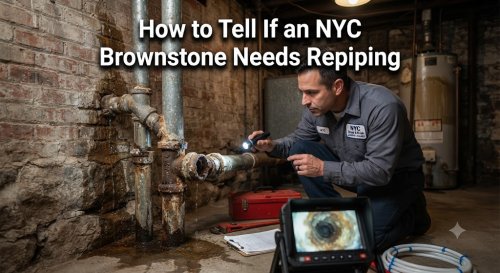
Step 2: High-Definition Video Camera Inspection
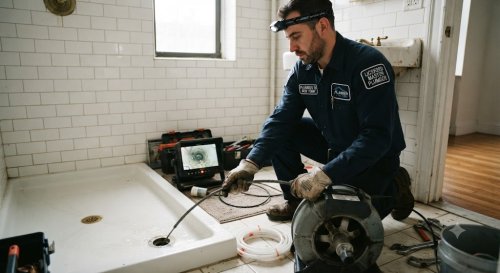
Technicians feed a specialized waterproof camera with a location transmitter down the sewer line. This pinpoints the exact nature of the blockage—whether tree roots, grease buildup, or a collapsed section—and notes its distance from the property line.
Step 3: Upfront Estimate and Plan of Action
Based on camera findings, the plumber explains options, whether mechanical snaking, high-pressure hydro jetting, or trenchless pipe repair is required.
Step 4: Line Clearing and Hydro Jetting
-
For Root and Debris Clogs: Plumbers run a heavy-duty electric drain auger with steel cutting blades to cut through roots and break up solid masses.
-
For Grease and Scale Buildup: High-pressure hydro jetting equipment sprays water up to 4,000 PSI inside the pipe, scrubbing pipe walls down to bare metal.
Step 5: Post-Clearing Camera Verification
A second camera pass verifies that the blockage is removed completely and checks the structural integrity of the remaining sewer lateral.
Step 6: Testing and System Sanitation
Plumbers flush high volumes of water down fixtures to confirm free-flowing drainage and provide guidance on sanitizing affected basement areas.
Can You Fix It Yourself?
Attempting DIY fixes on a main sewer line backup is ineffective and hazardous to your health and plumbing system.
Safe Immediate Actions for Property Owners:
-
Stop Using All Water Immediately: Do not flush toilets, run sinks, use washing machines, or run dishwashers in the building.
-
Keep Away from Standing Sewage: Wear rubber boots and gloves if you must access the basement, and keep children and pets away from contaminated water.
-
Shut Off Basement Power if Water Is Near Outlets: If backed-up sewage reaches electrical panels or floor outlets, turn off power at the main breaker only if safe to reach.
Dangerous DIY Pitfalls to Avoid:
-
Do Not Use Chemical Drain Cleaners: Pouring harsh caustic chemicals into a backed-up main line will not clear heavy root or grease blockages. The chemicals sit in standing sewage, posing severe chemical burn risks to plumbers during repair work.
-
Do Not Rent Heavy Augers Without Training: Operating industrial drain snakes without proper experience can cause the cable to twist back, snap, or break through fragile aged pipes underground.
Tools Professionals Use
Licensed emergency plumbers rely on specialized heavy equipment to clear and repair sewer lines:
-
Sewer Video Inspection Cameras: Self-leveling color cameras equipped with LED lights and transmitters to inspect interior pipe conditions.
-
High-Pressure Hydro Jetters: Trailer-mounted or portable units that blast pressurized water to scour grease, sludge, and scale out of main lines.
-
Motorized Drain Augers (Snakes): Heavy-duty steel cable machines fitted with specialized cutting heads to cut through dense root masses.
-
Digital Line Locators: Handheld receivers that detect radio signals from camera heads to pinpoint pipe depth and exact repair spots under concrete or street paving.
-
Trenchless Pipe Relining Equipment: Epoxy lining systems that restore broken underground pipes from the inside without excavating historic sidewalks or yards.
How Long Does the Repair Usually Take?
The time required to resolve a sewer line issue depends on the severity and depth of the obstruction:
| Repair Category | Scope of Work | Estimated Duration |
| Standard Main Line Cable Snaking | Clearing localized paper, debris, or soft blockages via main cleanout | 1 to 2 Hours |
| High-Pressure Hydro Jetting | Full scouring of heavy grease scale, sand, or moderate root intrusion | 2 to 4 Hours |
| Trenchless Epoxy Pipe Relining | Structural lining inserted inside cracked sewer laterals without digging | 1 to 2 Days |
| Full Open-Cut Sewer Lateral Replacement | Excavation and replacement of collapsed sewer pipes to municipal street main | 2 to 4 Days |
Cost Factors
Sewer line repair and clearing costs vary depending on structural accessibility, severity of damage, and repair methods.
Key factors that influence total repair costs include:
-
Diagnostic and Camera Inspection Fees: Initial video inspections to locate the depth and exact cause of the main line backup.
-
Method of Clearing Required: Standard snaking is less labor-intensive than high-pressure hydro jetting or heavy root-cutting procedures.
-
Emergency and After-Hours Dispatch: Emergency callouts outside standard business hours carry specialized response charges.
-
Pipe Depth and Location: Lines running deep beneath brownstone cellars or stone foundations require specialized equipment compared to shallow runs.
-
Permits and NYC Department of Transportation (DOT) Requirements: If main replacement work extends past property lines onto sidewalk or street pavement, municipal permits and street restoration fees apply.
Hidden Truths Homeowners Should Know
-
Homeowners Own the Lateral Line: NYC property owners are responsible for maintaining and repairing the entire sewer lateral running from their building all the way to the municipal sewer connection in the middle of the street.
-
Standard Homeowner Insurance Excludes Sewer Backups: Standard policies rarely cover sewer line backup damages unless you add a specific "Sewer and Drain Backup Rider" to your policy.
-
Chemical Drain Cleaners Damage Older Cast Iron: Acidic drain chemicals react with aging cast iron, causing pipe walls to thin, pit, and fail prematurely.
-
"Flushable" Wipes Do Not Dissolve: Disposables remain fully intact in main lines, catching on pipe imperfections and causing major backups.
-
Tree Roots Return Unless Pipes Are Sealed: Cutting roots out with an auger is a temporary fix; roots will grow back through unsealed pipe joints within 6 to 12 months unless relined or replaced.
-
Basement Cleanouts Must Remain Accessible: Covering cleanout caps with drywall or heavy flooring during basement remodels prevents quick emergency plumber access.
-
Small Main Line Clogs Escalate Quickly: A partially restricted main line can transition into a complete, high-volume sewage flood within minutes of heavy water use upstairs.
-
Delaying Cleanup Increases Restoration Costs: Allowing sewage water to sit for more than 24 hours leads to secondary mold growth and requires gutting wall structures.
15 Common Mistakes Homeowners Make
Avoid these frequent mistakes during a sewer line backup emergency:
-
Continuing to run water, shower, or flush toilets while ground drains are backing up.
-
Pouring store-bought chemical drain cleaners down backed-up fixtures.
-
Ignoring warning signs like gurgling toilets and slow ground floor drains.
-
Assuming the NYC DEP is responsible for blockages in your property's lateral line.
-
Hiring unlicensed handymen who lack video camera inspection and hydro jetting tools.
-
Covering basement cleanout access plugs during home remodeling projects.
-
Flushing wipes, paper towels, and sanitary items down toilets.
-
Pouring hot cooking grease down kitchen drains down to cold main lines.
-
Waiting days to call a plumber while sewage pools in basement floor drains.
-
Attempting to force heavy rental augers through fragile, aged clay pipes.
-
Failing to add sewer backup rider coverage to building insurance policies.
-
Forgetting to install backwater valves on properties located in low-lying flooding zones.
-
Planting aggressive deep-rooted trees directly over main sewer lateral lines.
-
Cleaning up raw sewage without proper personal protective gear (PPE).
-
Neglecting routine preventative sewer camera inspections on older brownstones.
Maintenance Tips for Harlem Property Owners
Keep your main sewer lateral flowing freely with these practical preventative steps:
-
Perform Annual Preventative Hydro Jetting: Schedule yearly hydro jetting for commercial or multi-family properties to clear grease and scale build-up.
-
Schedule Bi-Annual Video Camera Inspections: Inspect pre-war sewer lines every 1 to 2 years to catch root intrusion early.
-
Dispose of Grease in Trash Containers: Cool cooking fats and grease in cans before throwing them away rather than pouring them down kitchen sinks.
-
Enforce a "Three P's" Toilet Policy: Flush only Pee, Poop, and Paper (toilet paper). Never flush wipes, cotton swabs, or trash.
-
Install a Sewer Backwater Valve: Fit a backwater check valve on basement sewer lines to prevent city main surcharges from backing up into your building.
-
Keep Basement Cleanout Plugs Accessible: Ensure cleanout access covers remain uncovered and easy to access for plumbing crews.
-
Replace Aged Cast Iron and Clay Lines: Consider trenchless epoxy lining for old, deteriorating pipes before a structural collapse occurs.
-
Inspect Tree Root Patterns Near Sidewalks: Track mature trees near your property line and proactively treat root-prone pipes.
-
Educate Tenants on Drain Usage: Post clear drain guidance in multi-family rental units regarding wipes and grease disposal.
-
Install Strainers on All Floor and Laundry Drains: Use fine mesh lint traps on washing machine discharge hoses and floor drain grates.
-
Run Hot Water Down Sinks After Cooking: Flush drains with hot water after washing greasy dishes to help grease pass through branch lines.
-
Treat Lines with Bio-Enzymatic Cleaners: Use natural enzyme drain treatments monthly to consume organic waste build-up without damaging pipes.
-
Keep Emergency Plumber Contact Info On Hand: Store direct contact numbers for local licensed Harlem plumbers before an emergency arises.
-
Maintain Sump Pump Systems: Test basement sump pumps quarterly to ensure they handle secondary water clearing during storms.
-
Review Property Insurance Coverage Yearly: Verify that your insurance includes adequate sewer backup endorsement limits.
When Should You Call an Emergency Plumber?
Contact an emergency plumber immediately if you observe:
-
Raw sewage backing up into basement floor drains, bathtubs, or toilets.
-
Multiple fixtures bubbling, gurgling, or overflowing simultaneously across the lowest floor.
-
A complete failure of all building drains with no water able to exit the property.
-
Persistent foul sewer gas odors spreading through basement or living areas.
-
Sewage water spreading near electrical panels or furnace units in the basement.
Frequently Asked Questions
1. Why is my Harlem brownstone basement drain backing up with sewage?
Basement floor drains sit at the lowest point in your plumbing system. When the main sewer lateral running to the street becomes blocked by tree roots, grease, or collapsed pipe, all wastewater from upper floors backs up at the lowest point.
2. Is a sewer backup covered by my home insurance policy?
Standard homeowners insurance policies usually exclude damage caused by sewer backups unless you have purchased an optional sewer line endorsement or rider. Check with your insurance provider to verify coverage.
3. How do I know if the blockage is in my pipe or the city's main line?
If only your building is experiencing backups, the obstruction is inside your private sewer lateral. If neighboring buildings on your street are also experiencing sewage backups simultaneously, the city main may be overloaded or blocked.
4. What is the difference between snaking and hydro jetting?
Snaking uses a rotating cable with blades to cut a hole through clogs and clear immediate blockages. Hydro jetting uses high-pressure water streams to thoroughly scour grease, sludge, and scale off the entire inner pipe wall.
5. Can tree roots destroy underground sewer pipes completely?
Yes. Tree roots seek moisture inside pipe joints. As roots grow, they break pipe walls, cause cracks to expand, catch solid waste, and eventually lead to complete pipe collapse if unaddressed.
6. What should I do first when raw sewage starts backing up?
Immediately stop all water usage inside the building, avoid contact with standing wastewater, keep children and pets away, and call a licensed emergency plumber.
7. What is trenchless sewer repair?
Trenchless repair allows plumbers to reline or replace damaged underground sewer pipes using epoxy liners or pipe bursting techniques without digging up entire lawns, sidewalks, or historical driveways.
8. Are "flushable" wipes safe for older Harlem sewer systems?
No. Despite marketing claims, wipes do not break down in water like toilet paper. They snag on cast iron rust scale and tree roots, making them one of the leading causes of main line sewer backups.
9. How does a plumber inspect an underground sewer line?
Plumbers feed a flexible, waterproof fiber-optic camera with LED lights through your sewer cleanout, transmitting live video footage to a monitor to diagnose pipe condition and locate blockages precisely.
10. How long does it take to clear a main sewer line backup?
Most standard main line obstructions can be cleared using professional cables or hydro jetting within 1 to 3 hours once a licensed plumbing crew arrives on site.
Voice Search Questions
-
"Who is the best emergency plumber in Harlem for sewer backups?"
-
"Why is raw sewage coming up through my basement floor drain in NYC?"
-
"How to clear a main sewer line clog quickly?"
-
"Cost of hydro jetting sewer line in Harlem Manhattan?"
-
"What to do if my main sewer drain is clogged in an apartment building?"
Why Choose Plumber in New York City?
When a sewer line backup threatens your Harlem property, immediate, reliable, and expert service is critical. Plumber in New York City provides rapid emergency relief backed by years of experience handling Lower and Upper Manhattan plumbing systems.
-
Licensed & Insured NYC Master Plumbers: Certified to diagnose, clean, reline, and replace main sewer laterals in accordance with NYC building codes.
-
24/7 Rapid Emergency Response: Local dispatch teams ready to arrive quickly across Harlem, Morningside Heights, and Hamilton Heights.
-
Advanced Diagnostic & Clearing Equipment: Equipped with sewer inspection cameras, trailer hydro jetters, and trenchless relining gear.
-
Upfront, Transparent Estimates: Honest evaluation and detailed pricing before any work begins—no hidden surprises.
-
Local Expertise in Historic Properties: Deep knowledge of pre-war brownstones, multi-family buildings, and commercial waste systems throughout Upper Manhattan.
Do not allow raw sewage to endanger your health or ruin your property. Contact Plumber in New York City immediately for fast, professional emergency sewer line service.