Why Is My NYC Apartment Toilet Keeps Running? Fix Guide
Discover why your NYC apartment toilet keeps running, how to fix it temporarily, and when to call a licensed local plumber for help.

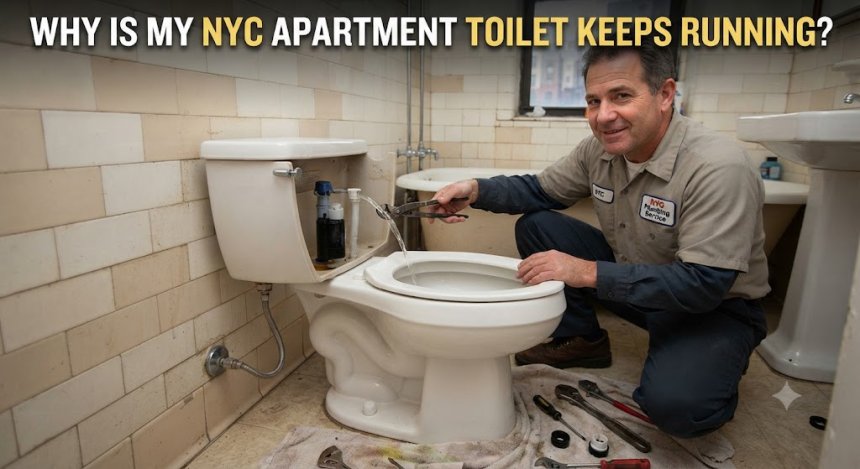
Why Is My NYC Apartment Toilet Keeps Running? A Complete Guide for New York Residents
Living in New York City comes with unique architectural quirks, from pre-war walk-ups in the East Village to modern high-rises in Long Island City. One of the most frustrating and surprisingly common headaches apartment dwellers face is a toilet that never seems to stop running. When a NYC apartment toilet keeps running, it is more than just an annoying sound echoing through a compact studio or multi-bedroom coop; it is a massive waste of water that can dramatically spike your utility bills and annoy your neighbors if water starts backing up or overflowing.
Understanding why this happens is the first step toward reclaiming your peace of mind and saving money. Whether you reside in a historic brownstone in Brooklyn, a bustling high-rise in Manhattan, a residential home in Queens, or a co-op in the Bronx, running toilets share similar mechanical culprits. This comprehensive guide walks you through the root causes, temporary fixes, professional repair protocols, and local considerations so you know exactly what to do before calling Plumber in New York City at
What Is a Running Toilet?
A running toilet is a plumbing malfunction where water flows continuously from the tank into the bowl long after the flush cycle has completed. Instead of the fill valve shutting off once the tank reaches its proper water level, water continues to spill into the overflow tube or leak past the flush valve flapper.
In typical NYC apartments, gravity-feed toilets are standard, though you may occasionally encounter pressure-assisted models in newer luxury developments. Common symptoms include a faint hissing or trickling sound behind you in the bathroom, a handle that feels loose or gets stuck, or a tank that takes forever to refill. While it might seem like a minor annoyance, a continuously running toilet can waste up to 200 gallons of water a day, turning a small mechanical glitch into a costly utility burden.
Why Does This Plumbing Problem Happen?
Toilet mechanisms look simple on the outside, but inside the tank lies a delicate balance of parts that wear down over time. In New York City, several local environmental and infrastructural factors accelerate this wear and tear.
-
Worn Plumbing Fixtures and Flappers: The rubber flapper at the bottom of the tank degrades, warps, or accumulates mineral buildup, preventing it from creating a tight seal.
-
Hard Water Mineral Buildup: NYC water is generally soft, but older building infrastructure, corroded galvanized steel risers, and mineral scale can cause debris to jam fill valves.
-
High Water Pressure: Many high-rise buildings across Manhattan and Queens experience fluctuating or high water pressure to push water to upper floors, which can overpower older fill valves and cause continuous overflow.
-
Improper Chain Length: If the chain connecting the flush handle to the flapper is too short, the flapper cannot seal shut. If it is too long, it gets caught under the flapper.
-
Faulty Float Mechanisms: The float ball or cup that tells the fill valve when to stop can become waterlogged, misaligned, or obstructed by the tank wall.
-
Aging Building Infrastructure: Many NYC apartments feature decades-old plumbing systems where internal tank components have simply reached the end of their operational lifespan.
Signs You Should Never Ignore
Ignoring a running toilet can lead to secondary property damage, especially in multi-family buildings where leaks easily find their way to neighboring apartments below. Watch out for these warning signs:
-
Spike in Water Bills: If your quarterly or monthly maintenance or utility statement jumps unexpectedly without a change in usage habits, a running toilet is a primary suspect.
-
Damp Walls or Ceiling Stains Below: A continuous overflow or minor tank sweat can soak subfloors, creating water stains on the ceiling of the apartment downstairs.
-
Mold Growth: Constant moisture around the base of the toilet or along adjacent baseboards creates an ideal breeding ground for mold and mildew.
-
Strange Hissing Noises: A persistent hissing sound indicates that the fill valve is constantly working to replenish water escaping the tank.
-
Slow-Filling Bowl: If the tank struggles to refill after a flush, it points to supply line restrictions or failing valve assemblies.
Common Plumbing Problems Related to This Issue
A running toilet rarely occurs in total isolation; it is often tied to broader plumbing distress within your apartment or building. Related issues include:
-
Pipe Leaks: Constant water flow puts extra stress on supply lines, potentially leading to supply line bursts or valve leaks.
-
Drain Clogs: If the running toilet is paired with a weak flush, partial blockages in the trapway or main drain line may be impeding proper waste removal.
-
Sewer Backups: In older NYC basements or lower-floor units, faulty bathroom fixtures can sometimes exacerbate broader municipal sewer line sluggishness.
-
Fixture Damage: Constant jiggling of the flush handle can crack porcelain tanks or break internal tank levers.
Step-By-Step Professional Repair Process
When you call a licensed professional from Plumber in New York City, our technicians follow a systematic, transparent process to diagnose and resolve the issue correctly on the first visit.
-
Step 1: Inspection: The plumber inspects the entire toilet assembly, checking the exterior for cracks, assessing the supply line, and removing the tank lid to examine internal components.
-
Step 2: Diagnosis: We identify the exact root cause—whether it is a warped flapper, a miscalibrated float, a broken fill valve, or flush lever misalignment.
-
Step 3: Estimate: You receive a clear, upfront cost estimate covering labor and parts before any repair work begins.
-
Step 4: Repair: The technician shuts off the water supply, drains the tank, and replaces faulty components using high-grade replacement parts.
-
Step 5: Testing: We refill the system, test the flush cycle multiple times, verify proper water shut-off levels, and check for external leaks.
-
Step 6: Cleanup: The work area is thoroughly cleaned, leaving your bathroom spotless.
-
Step 7: Maintenance Advice: Our plumber provides tailored tips to prevent future toilet malfunctions.
Can You Fix It Yourself?
Many running toilet scenarios allow for safe, temporary DIY troubleshooting before you need to schedule a professional service call.
-
Safe DIY Solutions: You can easily check if the flapper chain has too much slack or if the float is stuck against the tank wall. Gently adjusting these parts can often stop the running immediately.
-
Temporary Fixes: Locate the shut-off valve on the wall or floor behind your toilet and turn it clockwise to shut off the water supply when not in use. This stops the water waste temporarily.
-
When DIY Becomes Dangerous: Avoid forcing rusted supply valves, over-tightening porcelain bolts (which can shatter the ceramic bowl), or using chemical quick-fixes that corrode internal rubber seals.
-
When Professional Plumbing is Necessary: If your toilet tank is cracked, the internal flush valve is molded into an older custom ceramic design, or the shut-off valve is seized and leaking, professional intervention is mandatory.
Tools Professionals Use
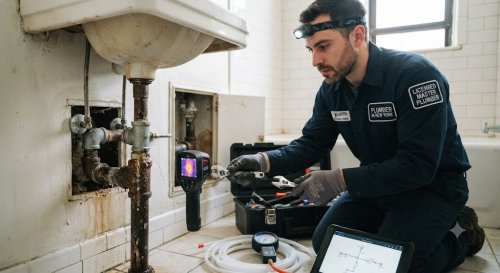
Professional plumbers rely on specialized tools and diagnostic equipment to ensure repairs are accurate, clean, and durable.
-
Leak Detection Equipment: Electronic listening devices and moisture meters help verify that water isn't seeping into subfloors or neighboring walls.
-
Pressure Testing Gauges: Used to measure incoming PSI levels to ensure high building water pressure isn't destroying your plumbing fixtures.
-
Basin Wrenches and Specialized Pliers: Allow technicians to reach tight spaces behind complex bathroom vanities and cramped NYC apartment layouts without damaging delicate hardware.
-
Pipe Inspection Cameras: Deployed if a running toilet is actually symptomatic of a deeper main drain clog or venting issue.
How Long Does the Repair Usually Take?
Plumbing repair times vary depending on the complexity of the job and accessibility within your bathroom space.
| Repair Type | Estimated Time | Description |
| Simple Repairs | 15 to 30 minutes | Replacing a flapper or adjusting a float chain. |
| Moderate Repairs | 45 to 60 minutes | Replacing an entire fill valve or flush valve assembly. |
| Major Repairs | 1 to 2 hours | Replacing the supply line, shut-off valve, or resetting the toilet seal. |
| Emergency Repairs | 1 to 3 hours | Handling active overflows, broken shut-off valves, or structural leaks. |
Cost Factors
We do not believe in hidden fees or generic flat rates because every NYC apartment has unique plumbing configurations. Repair costs are influenced by:
-
Diagnostic Fees: Standard evaluation of the plumbing failure.
-
Parts and Materials: Quality of replacement valves, flappers, and supply lines.
-
Labor and Accessibility: Cramped pre-war bathrooms or difficult-to-reach shut-off valves require extra care and time.
-
Emergency Service Charges: After-hours, weekend, or holiday dispatch requirements.
-
Property Type: Coordinating repairs in high-rise co-ops or multi-family buildings with strict building management protocols.
Hidden Truths Homeowners Should Know
Understanding the realities of urban plumbing saves you time, stress, and money in the long run.
-
Small leaks quickly evolve into expensive structural repairs if left unattended.
-
Cheap, temporary DIY tape or glue fixes on high-pressure water lines almost always fail under pressure.
-
Co-op and condo boards in New York City often hold apartment owners financially liable for water damage caused by neglected fixtures.
-
Hard water and mineral scale shorten the operational lifespan of internal tank components.
-
Delaying repairs increases utility bills, sometimes costing more in wasted water than the price of a professional fix.
-
Annual plumbing maintenance catches failing parts before they cause midnight emergencies.
15 Common Mistakes Homeowners Make
Avoiding these frequent missteps will keep your bathroom running smoothly:
-
Ignoring minor leaks: Letting a small hiss continue for months.
-
Using chemical drain cleaners: Damaging internal seals and pipes.
-
Flushing non-flushable wipes: Creating downstream clogs that affect toilets.
-
Pouring grease into drains: Leading to major main line backups.
-
Ignoring water pressure issues: Stressing all apartment fixtures.
-
Hiring unlicensed handymen: Risking improper installations and code violations.
-
Skipping routine maintenance: Waiting for catastrophic failures.
-
Waiting until emergencies happen: Paying premium after-hours rates unnecessarily.
-
Using the wrong replacement parts: Buying generic universal parts that don't fit modern or older custom toilets.
-
Over-tightening fittings: Cracking porcelain tanks and supply nuts.
-
Forcing rusted shut-off valves: Causing sudden supply line ruptures.
-
Neglecting building rules: Failing to notify supers or building management before shutting off risers.
-
Stashing heavy items on tank lids: Leading to cracked porcelain and sudden leaks.
-
Using unapproved DIY sealants: Creating permanent jams on movable parts.
-
Failing to test after repair: Not checking for slow leaks hidden beneath the tank.
Maintenance Tips
Protect your NYC apartment plumbing with these practical, year-round maintenance habits:
-
Inspect your toilet tank internals twice a year for mineral buildup or wear.
-
Never use drop-in chemical bleach tablets inside the tank, as they eat away at rubber flappers and seals prematurely.
-
Test your wall shut-off valve annually by gently turning it off and on to ensure it doesn't seize.
-
Educate all household members and guests that only human waste and toilet paper belong in the bowl.
-
Listen to your toilet after every flush to ensure the fill valve shuts off completely within one minute.
-
Clear items off the top of the tank to prevent accidental vibrations from cracking the porcelain.
-
Check the floor around the base of the toilet regularly for dampness or wobbling.
-
Schedule a professional plumbing inspection when moving into a new apartment or before major renovations.
When Should You Call an Emergency Plumber?
Certain situations require immediate professional intervention rather than waiting for regular business hours:
-
Overflowing Water: Water is spilling over the bowl rim and threatening to flood your apartment floors.
-
Broken Shut-Off Valve: The water supply valve breaks or won't turn off, causing continuous spraying.
-
Burst Supply Lines: The flexible hose connecting the wall to the tank ruptures.
-
Sewage Backups: Wastewater is bubbling up into your bathtub, shower, or toilet bowl.
-
Total Loss of Water: Complete disruption of your bathroom facilities in a multi-bathroom apartment.
Frequently Asked Questions
Why is my water pressure suddenly low?
Sudden low pressure is often caused by localized mineral blockages in aerators, partially closed shut-off valves, or municipal supply adjustments in your neighborhood.
How much does leak detection cost?
Leak detection costs vary based on the complexity of the suspected leak, the need for acoustic or thermal equipment, and the accessibility of the affected pipe runs.
Can a clogged drain damage pipes?
Yes. Persistent clogs create excessive internal pressure and corrosive standing water environments that weaken pipe walls over time.
Is hydro jetting safe for old pipes?
Hydro jetting requires a professional camera inspection first. In older NYC pre-war buildings with delicate cast iron or galvanized pipes, pressure must be carefully regulated.
How do I know if my sewer line is broken?
Frequent backups across multiple drains, foul sewage odors, and soggy patches in yard areas strongly indicate a compromised sewer line.
How long do water heaters last?
Standard tank water heaters typically last between 8 to 12 years, while tankless units can last up to 20 years with proper flushing.
Why does my faucet drip?
Dripping faucets are usually caused by worn-out O-rings, deteriorated washers, or corroded valve seats inside the handle mechanism.
What causes pipes to burst?
Freezing winter temperatures, extreme water pressure, severe corrosion, and shifting building foundations are the primary culprits behind burst pipes.
Can plumbing leaks increase my water bill?
Absolutely. Even a small continuous leak or running toilet can waste thousands of gallons of water monthly, resulting in steep utility charges.
When should I replace plumbing instead of repairing it?
You should consider replacing plumbing fixtures or lines when repair costs exceed 50 percent of replacement value, or when materials suffer from widespread structural corrosion.