Emergency Plumber Brooklyn Heights | 24/7 Apartment Repairs
: Fast emergency plumber in Brooklyn Heights. We resolve apartment pipe bursts, brownstone sewer backups, and urgent leak repairs 24/7. Call today!

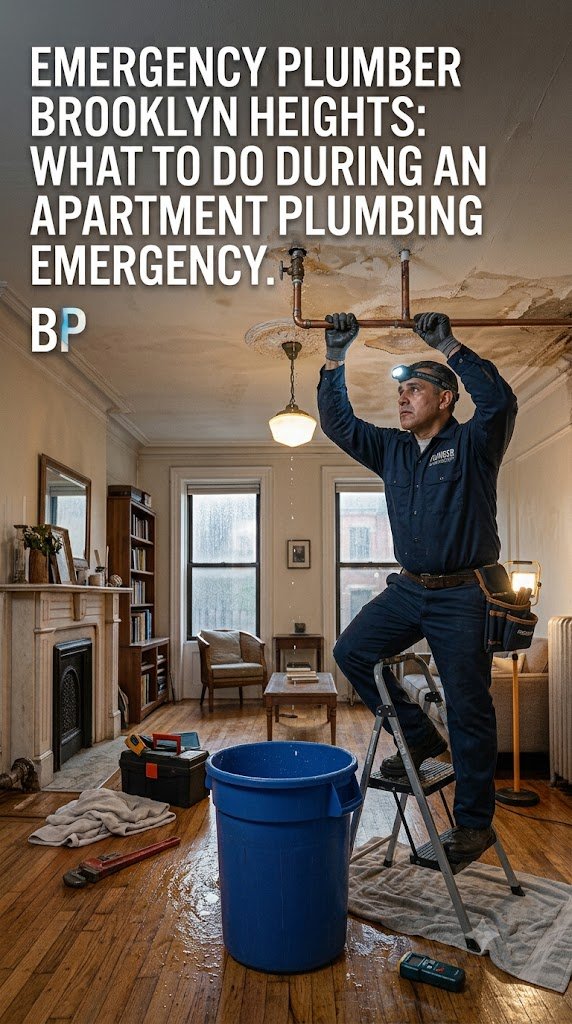
Emergency Plumber in Brooklyn Heights: Your Complete Guide to Apartment Plumbing Emergencies
Living in a beautiful brownstone or a modern high-rise in Brooklyn Heights has immense charm, but the reality of NYC living means apartment plumbing emergencies are not a question of 'if,' but 'when.' When a pipe bursts at 3 AM or the toilet overflows onto your finished hardwood floors, panic can set in. You need to act, and you need to act correctly.
In an apartment setting, a plumbing emergency isn't just your problem; it can quickly become your neighbor's problem (and a major liability). That small drip from the ceiling is actually a ruptured line in the building's infrastructure, and water is cascading down multiple floors. Knowing what to do in the first fifteen minutes after a problem is discovered can save you thousands of dollars in property damage and extensive insurance headaches.
We are Plumber in New York City, and we’ve seen every type of apartment disaster Brooklyn Heights can throw at us. This guide isn't just generic advice; it’s a detailed blueprint on how to manage an acute plumbing crisis in an NYC apartment building until a licensed, trustworthy emergency plumber in Brooklyn Heights can arrive.
What Defines an Apartment Plumbing Emergency?
A plumbing emergency is any situation that poses an immediate threat to life, safety, or significant property damage. In an apartment building, the priority is to stop the flow of water (or gas) that is causing damage.
Common situations that constitute an acute emergency include:
-
A Burst Pipe: Pressurized water is cascading into your home from a ruptured line.
-
A Major Water Leak: Water is actively pouring from your ceiling, a wall, or pooling rapidly under an appliance.
-
Sewage Backup: Raw sewage is flowing back up through your toilet, shower drain, or kitchen sink. This is a severe health hazard.
-
No Running Water: A complete loss of water across your entire apartment, particularly devastating in the winter if it indicates frozen lines.
-
An Overflowing Toilet: The water is rising and spilling onto the floor, and the internal shut-off valve isn't stopping it.
-
A Confirmed or Suspected Gas Leak: (If licensed for gas). This is a top-tier life-safety emergency.
Why Apartment Plumbing Emergencies Occur in Brooklyn Heights
Brooklyn Heights is a tapestry of historical architecture, meaning it is also a tapestry of historic infrastructure. The problems we encounter are often specific to the age and type of building.
1. Aging and Corroded Infrastructure
The primary culprit. Many older brownstones and pre-war apartments still utilize original galvanized steel or lead-soldered copper pipes. Galvanized steel corrodes from the inside out. By the time you notice a small pinhole leak, the pipe is likely thin and brittle along a significant length, just waiting to burst.
2. Frozen Pipes
NYC winters are no joke. Pipes running through poorly insulated crawl spaces, exterior walls, or unheated basements are high-risk. When water turns to ice, it expands, causing the metal to split. The real disaster often starts when the ice thaws, unleashing pressurized water through the rupture.
3. High Water Pressure
While great for showers, excessive water pressure puts immense stress on your entire plumbing system. In apartment buildings, especially older ones without modern pressure-reducing valves (PRVs), high pressure can blow out weakened joints, cause appliance hoses to snap, and damage fixtures over time.
4. Drain Clogs and Backups
With multiple units sharing the same drainage stacks, a single tenant’s misuse can affect everyone. Pouring grease down a kitchen sink, flushing "flushable" wipes (which never break down), or hair accumulation can create massive, deep-stack clogs that back up wastewater into the lowest apartment in the line.
Warning Signs You Should Never Ignore
Plumbing systems rarely fail without giving subtle (or not-so-subtle) warning signs. Catching these early is the key to preventing a catastrophic emergency. Never, ever ignore:
1. Water Stains
A brown, yellow, or rusty ring on your ceiling or wall is a clear indicator of an active or recent leak above you. Water travels the path of least resistance; the leak might be feet away from where the stain appears. Stains indicate that the insulation and framing are already saturated.
2. Slow Drains
A single slow sink might just be a local clog, but when multiple drains are sluggish—the toilet gurgles when you run the kitchen sink, or the shower backs up when you flush—you are looking at a blockage deep in the main drainage stack, which is an emergency waiting to happen.
3. Gurgling Sounds from Toilets
Toilets should only make sound when flushed. Constant gurgling indicates that the main drain or vent stack is blocked, causing water to siphon out of your toilet trap (which is the only barrier keeping sewer gas from entering your home).
4. Strange, Musty, or Bad Smells
If you smell rotten eggs, sewer gas, or a persistently musty odor in your bathroom or utility closet, you have a problem. Stagnant water from hidden leaks leads to mold and bacterial growth quickly. Sewer gas is not only unpleasant; it’s toxic.
Immediate Steps to Take During an Apartment Plumbing Emergency
When a crisis strikes, panic leads to mistakes. Follow this checklist precisely:
-
Safety First: If you smell gas, or water is cascading near electrical outlets or your circuit breaker panel, do not touch anything. Leave your apartment immediately, close the door behind you, and call your building management and Con Edison.
-
Go Directly upstairs: In an NYC apartment, if water is leaking from your ceiling, your upstairs neighbor is almost certainly the source. Go immediately, alert them, and ask them to check their plumbing (toilets, tubs, washing machines, etc.).
-
Shut Off the Water Main: (For Brooklyn Heights buildings, this is critical). Every apartment should have a main shut-off valve. This is the single most important plumbing feature to know about. It’s often in a utility closet, under the kitchen sink, or near the water heater/boiler. Look for a wheel valve (gate valve) and turn it clockwise. If you can't find yours, now is the time to find it.
-
Isolate the Fixture: If you have an overflowing toilet, there is a small valve behind it. Turn that clockwise. Do not just use a temporary fix like tape; shut off the water source.
-
Alert Building Management: Immediately inform your super, property manager, or building hotline. This is vital, especially if you think the source is in the building's infrastructure.
-
Call a Trusted Brooklyn Heights Emergency Plumber: If you have shut off your local valve but the water is still leaking, or if you suspect a main stack issue, contact a professional plumbing service.
Step-by-Step Professional Repair Process
When a licensed plumber from our NYC team arrives at your door, they won't just start blindly tearing into walls. They follow a methodical, trust-building process:
Step 1: Immediate Safety Isolation
The plumber's first priority is to confirm that all sources of water (and gas, if applicable) are isolated and safe. They will check all visible signs of damage.
Step 2: Inspection and Diagnosis
Using professional diagnostics, the plumber identifies the source and cause of the leak. For hidden behind-wall or under-floor leaks, we use specialized non-destructive tools:
-
Drain Inspection Cameras: Flexible, fiber-optic cameras inserted into drain lines to find cracks, clogs, or root intrusion deep in the stack.
-
Thermal Imaging and Moisture Meters: Cameras that detect temperature differences caused by water, revealing the hidden path of a leak.
-
Pressure Testing: Gauges used on water lines to confirm the system's structural integrity.
Step 3: Upfront estimate
We believe in transparency. Once diagnosed, the plumber will provide you with a detailed, human-written estimate. This estimate is based on the diagnostic fees, necessary parts, and labor. There are no surprise charges. For major repairs, we also help you evaluate whether a replacement vs repair is the wiser long-term investment.
Step 4: Permanent, Code-Compliant Repair
Our licensed plumbers perform the necessary repair, using high-quality pipe materials and fittings. Whether it is a section of ruptured copper pipe, a new fixture installation, a major clogged drain cleaning, or a high-pressure hydro jetting clearing, we do the job right.
Step 5: Testing and Restoration
After the repair is complete, the plumber turns the water back on slowly and thoroughly tests the system to ensure the fix is solid. They will then clean up their workspace. It is up to you (or your building management) to arrange for final drywall repair and painting, but the plumber will leave the repair area secure.
Can You Fix an Apartment Plumbing Crisis Yourself?
A temporary fix or a "band-aid" solution (like tape or epoxy putty) may hold for a few minutes while you look for the main shut-off, but they are not reliable solutions for pressurized lines. Attempting complex DIY repairs without a licensed plumber is dangerous and can lead to massive liability.
Safe DIY Steps:
-
Shutting off the main water valve to your apartment.
-
Using temporary fixes like a plunger for simple toilet clogs (do not use a plunger for a sewage stack backup).
-
Using a small, local drain snake for a simple bathroom sink clog (do not use a machine for a main drain clog).
When Professional Plumbing is Necessary:
-
Water is leaking behind a wall or ceiling.
-
You suspect a main drain stack backup (multiple slow drains, toilet gurgling).
-
Your toilet is overflowing and the internal valve won't stop it.
-
You have high water pressure causing pipes to rattle.
-
You smell sewer gas.
-
Your water heater or boiler is leaking.
-
Any gas-related concern (if licensed).
Tools Professionals Use to Do it Right:
Professional diagnostic tools and commercial-grade clearing equipment significantly improve repair accuracy and permanently solve issues that a local drain snake won't touch. We use:
-
Drain inspection cameras.
-
Sewer line cameras.
-
Hydro jetting (high-pressure water clearing, safe for old pipes when used professionally).
-
Leak detection equipment (thermal imaging, moisture meters).
-
Pressure testing gauges.
-
Trenchless equipment (for main line repairs, if applicable).
Cost Factors for Apartment Plumbing Emergencies
Diagnostic fees, necessary parts, and local labor rates are the foundation of any plumbing service quote. An reputable plumbing company in New York City will provide you with an upfront estimate without fake, fixed prices.
Here is what generally influences the total cost:
-
Accessibility: Repairs behind finished plaster walls, under hardwood floors, or requiring specific building access keys are more labor-intensive.
-
Type of Repair vs. Replacement: Replacing a simple section of copper line is cheaper than repairing a large cast iron stack or installing a new boiler/water heater.
-
Emergency Service Charges: After-hours, weekend, or holiday service calls involve distinct rates from standard business hours.
-
Required Equipment: Services like a simple local drain snake clearing cost less than a deep-stack high-pressure hydro jetting or using a specialized sewer camera.
-
Permit Costs: Major re-piping or changes to gas lines (if offered) often require specific NYC permits and formal inspections.
15 Common Mistakes Homeowners Make That Cause Acute Emergencies
-
Hiring Unlicensed Handymen: New York City requires licensed Master Plumbers for major work. An unlicensed person may have insufficient training, no proper insurance, use improper pipe materials, and fail to pull necessary permits, leaving you liable for any resulting damage or failure.
-
Skipping Annual Maintenance: A basic yearly inspection and professional water heater/boiler flushing can prevent massive failures.
-
Ignoring High Water Pressure: Excessive pressure stresses every pipe joint and valve, leading to a surprise burst or high-pressure leak.
-
Flushing Wipes and Hygiene Products: "Flushable" wipes do not break down in NYC's aging sewer stacks and are a leading cause of massive clogged drains.
-
Using Chemical Drain Cleaners: Caustic cleaners can damage older pipe materials and create a dangerous situation for plumbers during a clearing. They are also only temporary fixes.
-
Pouring Grease Down the kitchen sink: FOG (fats, oils, and grease) coats pipes and solidifies, leading to a massive main drain clog that requires hydro jetting.
-
Over-Tightening Plumbing Fittings: This can damage gaskets and actually create leaks.
-
Not Knowing Your Main Shut-Off Valve: When a pipe bursts, you need to find it now.
-
Leaving the Water On in Vacant Apartments: Shut off the main valve if you are leaving your home for more than a few days, especially in the winter.
-
Using Wrong Pipe Materials: Mixing dissimilar pipe metals (copper with galvanized) causes galvanic corrosion.
-
Insufficient Pipe Insulation: Poorly insulated plumbing in NYC pre-war buildings can easily lead to a catastrophic frozen pipe burst.
-
Disconnecting Washing Machine/Ice Maker Hoses Incorrectly: A poorly connected or worn flex hose is a leading high-pressure leak source.
-
Ignoring minor radiator leaks: Steam or hot water heat systems (common in Park Slope brownstones) have complex lines that can also leak through ceilings.
-
Putting off waterproofing repairs: Caulking around bathtubs and showers is not optional; it’s essential to prevent water from reaching your neighbor.
-
Hiring on Price Alone: Trustworthy, conversion-focused plumbing comes from experience, proper licensing, quality pipe materials, and guaranteed workmanship—not the cheapest initial quote.
Preventative Maintenance Tips to Keep Brooklyn Heights Dry
A reputable plumbing service wants to prevent your emergency just as much as you do.
Annual Maintenance Checklist:
-
Schedule Annual plumbing Inspections: For older homes especially, this is a highly cost-effective way to find and fix hidden issues before they become emergencies.
-
Perform annual water heater or boiler flushing: Improves efficiency and extends the unit’s lifespan.
-
Check and replace old washing machine and ice maker hoses: Look for cracks, bulges, or worn connections.
-
Verify proper operation of all main and local shut-off valves: These gate valves can corrode and freeze if never used. Turn them clockwise once a year.
-
Clear bathroom sink and shower drains: Remove hair and soap scum buildup with a simple local drain snake or enzymatic drain cleaner (avoid caustic ones).
Proactive Brooklyn Heights Care:
-
Practice Drain Discipline: Use drain covers for hair. Never pour grease down the drain. educate your household on what cannot be flushed.
-
Insulate all exposed pipes: In basements, crawl spaces, and along exterior walls.
-
Address High Water Pressure: If you have it, install a pressure-reducing valve (PRV).
-
Keep Gutters Clear (for Brownstones): Clogged roof drains can cause water to back up and find its way along framing and into your apartment.
Seasonal Maintenance Tips (NYC specific):
-
Before NYC Winter: Disconnect all garden hoses and shut off and drain external spigots to prevent frozen bursts inside your walls.
-
Before NYC Winter: Have your heating system (boiler, steam or hot water lines) inspected and serviced by a licensed professional to prevent a related plumbing crisis.
-
Before NYC Summer: Check your boiler’s relief valve, especially after a period of non-use.
Why Choose Plumber in New York City?
We aren’t just generic online names; we are experienced licensed plumbers who know the neighborhoods and infrastructure of Brooklyn Heights and all of New York City. We understand the unique challenges of apartment plumbing emergencies.
Experiene and Licensed Expertise
Our team consists of Master Plumbers with immense trade experience, licensed in NYC to handle complex residential and commercial plumbing systems. We provide trustworthy maintenance advice based on what actually works for old NYC buildings.
Upfront Estimates and Honest Recommendations
Transparency is key to trust. Before any repair, we provide you with a full diagnostic evaluation and a detailed upfront estimate. We offer honest recommendations based on what is in your best long-term interest—even if that means advising on a replacement vs repair over a quick fix. We don’t just give fixed prices; we give accurate ones.
Fast Response and Emergency Availability
We offer full, 24/7 emergency service with a dedicated Brooklyn Heights dispatch team to provide you with a fast response when you need it most. Our service units arrive equipped with modern equipment, parts, and diagnostic tools to handle emergencies on the spot.
MODERN Diagnostic and Repair Equipment
We utilize advanced technology for efficient, non-destructive diagnosis and powerful, permanent clearing. Our units are equipped with:
-
Drain and sewer line cameras.
-
Hydro jetting machinery.
-
Thermal imaging and moisture meters.
-
High-pressure hydro jetting rigs.
-
Trenchless repair equipment (if applicable).
Guaranteed Workmanship and Local Expertise
We stand behind our quality workmanship with a clear warranty on labor and parts, giving you peace of mind. We take pride in our customer satisfaction, which you can verify through our positive reviews. As local Master Plumbers, we have local expertise and local knowledge on how building codes and NYC's complex municipal sewer stacks function.
When an apartment plumbing disaster strikes, act fast, find your shut-off valve, and contact us. We are your trusted "Emergency Plumber Brooklyn Heights" and we are ready to help.