NYC Apartment Has No Hot Water: Tenant Rights & Fixes
NYC apartment has no hot water? Learn tenant rights, landlord legal requirements, troubleshooting steps, and when to call a professional plumber.

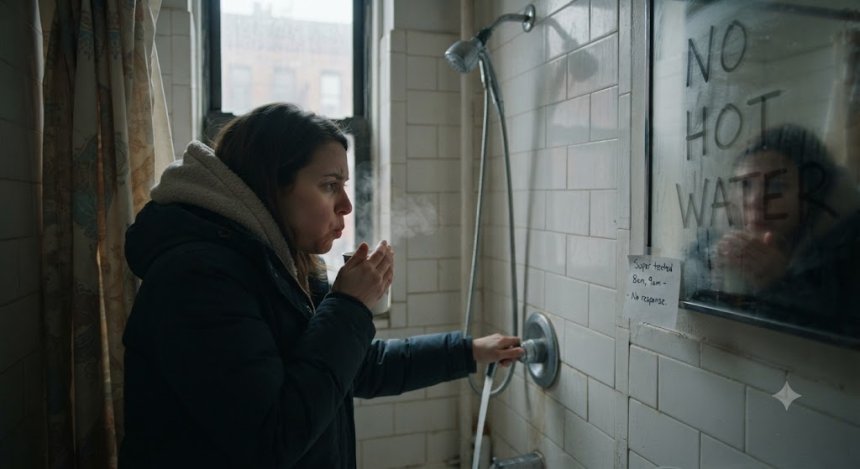
NYC Apartment Has Losing Hot Water: What Tenants Need to Know
NYC apartment has no hot water is one of the most frustrating and legally critical situations a renter or commercial tenant can face in the five boroughs. Whether you live in a pre-war walk-up in Manhattan, a brownstone in Brooklyn, a high-rise in Queens, or an apartment complex in the Bronx or Staten Island, losing domestic hot water disrupts daily life instantly. Tenants frequently search for this topic because New York City housing maintenance laws impose strict requirements on property owners regarding continuous hot water supply. Knowing your rights, understanding why the heating system failed, and figuring out when to contact an emergency plumbing service can save you from prolonged discomfort and health hazards.
What Is an NYC Apartment Hot Water Outage?
An apartment hot water outage occurs when domestic hot water supply ceases completely or drops below legally mandated delivery temperatures.
-
Definition: A complete failure of the building's domestic water heating system, localized water heater tank, or circulating pump system to deliver hot water to bathroom and kitchen fixtures.
-
Common Situations: Tenants turn on the shower or faucet only to find ice-cold water, or experience fluctuating lukewarm water that turns cold within seconds.
-
Symptoms: Zero hot water pressure, pilot light extinction on gas-fired heaters, leaking pressure relief valves, or complete boiler shutdown.
-
Examples: A multi-family apartment building in Astoria losing hot water because the central commercial boiler lockout tripped, or a co-op unit in Manhattan losing hot water due to a failed mixing valve.
Why Does This Plumbing Problem Happen?
Hot water outages in New York City buildings stem from various mechanical failures, fuel supply issues, and deferred maintenance.
-
Aging Commercial Boilers: Many NYC residential buildings rely on aging atmospheric or modulating boilers that suffer from worn-out aquastats, failed burners, or cracked heat exchangers.
-
Pilot Light and Gas Valve Failures: Drafts, faulty thermocouples, or gas supply interruptions cause gas water heaters to extinguish their pilot lights.
-
Circulating Pump Failures: In taller buildings throughout Brooklyn, Manhattan, and Queens, circulator pumps push hot water through vertical risers. If a pump motor burns out, upper-floor units lose hot water entirely.
-
Sediment Buildup and Hard Water: NYC water has low mineral content compared to other regions, but localized scale, rust, and mineral deposits still accumulate at the bottom of storage tanks, insulating water from burner heat.
-
Electrical and Control Board Malfunctions: Modern tankless water heaters and smart commercial heating systems rely on electronic control boards that fail during power surges or electrical glitches.
-
Pipe Freezing: During brutal winter cold snaps across New York, exposed hot water supply lines running through uninsulated exterior walls or drafty basements freeze and block flow.
Signs You Should Never Ignore
Catching early warning signs can prevent total hot water failure during freezing winter months.
-
Discolored or Rusty Water: Brown, yellow, or red hot water indicates interior tank corrosion, signaling an imminent tank rupture.
-
Strange Rumbling or Banging Noises: Known as "kettling," popping or rumbling sounds inside the water heater mean heavy sediment is trapping water, causing it to boil and overheat.
-
Foul Smells or Rotten Egg Odor: Sulfur odors point to bacterial growth inside the tank or a failing anode rod.
-
Fluctuating Water Temperatures: Water that shifts wildly from scalding hot to freezing cold indicates a failing mixing valve or thermostat.
-
Puddles Around the Base: Minor leaks near the tank or inlet connections point to loose fittings, tank fatigue, or failed gaskets.
Common Plumbing Problems Related to This Issue
Hot water failures rarely occur in a vacuum and are frequently tied to broader building plumbing failures.
-
Pressure Relief Valve Leaks: Malfunctioning temperature and pressure (T&P) relief valves continuously dump water, dropping system pressure and rendering the heater ineffective.
-
Main Water Line Leaks: Undetected main supply breaks reduce incoming flow volume, starving the water heater of necessary feed water.
-
Blocked Building Drains and Sewer Backups: In some setups, boiler rooms experience localized flooding from blocked building drains, tripping emergency electrical cut-offs.
-
Corroded Supply Risers: Galvanized steel risers in older NYC buildings narrow significantly over decades due to internal mineral blockage, choking hot water delivery to specific apartments.
Step-by-Step Professional Repair Process
When a licensed plumber arrives to fix a hot water outage, they follow a systematic diagnostic and repair protocol.
-
Step 1 Inspection: The plumber examines the entire heating setup, checking the boiler, storage tank, flue venting, and gas or electrical supply lines.
-
Step 2 Diagnosis: Using multimeters, pressure gauges, and thermal imaging, the technician pinpoints the exact point of failure—whether it is a bad thermocouple, a seized pump, or a failed control board.
-
Step 3 Estimate: The plumbing contractor provides an upfront, transparent estimate detailing the required parts and labor before initiating work.
-
Step 4 Repair: The technician replaces faulty components, flushes sediment, rewires electrical connections, or rebuilds mixing valves in compliance with NYC plumbing codes.
-
Step 5 Testing: The system undergoes rigorous pressure, temperature, and combustion testing to verify safe and efficient operation.
-
Step 6 Cleanup: The work area is cleaned, and old parts are hauled away responsibly.
-
Step 7 Maintenance Advice: The plumber provides actionable recommendations to prevent future disruptions.
Can You Fix It Yourself?
Understanding the boundary between safe tenant checks and dangerous DIY interventions protects your safety.
-
Safe DIY Steps: Tenants can check their apartment's circuit breaker panel to see if a localized breaker tripped, or inspect under-sink shut-off valves to ensure they are fully open.
-
What Tenants Should Avoid: Never attempt to adjust commercial building boilers, tamper with gas supply lines, open sealed electrical access panels, or tinker with pressure relief valves.
-
When Professional Help Is Mandatory: Any issue involving gas leaks, electrical wiring, central building heating systems, or major leaks requires a licensed commercial or residential plumber.
Tools Professionals Use
Modern plumbing diagnostics rely on advanced technology to ensure fast, accurate repairs.
-
Multimeters: Used to test voltage, continuity, and resistance across heating elements, thermostats, and gas control valves.
-
Thermal Imaging Cameras: Detect hidden heat loss, failing insulation, and internal blockages within insulated pipe runs.
-
Combustion Analyzers: Measure exhaust gases and carbon monoxide output to ensure gas-fired boilers burn safely and efficiently.
-
Pressure Testing Gauges: Verify that system water pressure meets operating specifications without risking vessel rupture.
-
Pipe Locators and Diagnostic Scopes: Trace hidden lines and inspect interior pipe walls for corrosion and scale accumulation.
How Long Does the Repair Usually Take?
Repair timelines vary widely based on the complexity of the failure.
-
Simple Repairs: Replacing a thermocouple, resetting a pilot control, or swapping a standard heating element takes 1 to 2 hours.
-
Moderate Repairs: Replacing a circulating pump, repairing a mixing valve, or flushing a heavily scaled tank takes 2 to 4 hours.
-
Major Repairs: Replacing an entire commercial storage tank, rewiring complex control systems, or repiping corroded main risers takes 1 to 3 days.
-
Emergency Service Factors: Access restrictions in tight utility closets, specialized replacement parts availability, and building management sign-offs can influence total turnaround time.
Cost Factors
Plumbing repair and water heater service costs depend on several variables.
-
Diagnostic Fees: Initial dispatch and troubleshooting fees for licensed technicians.
-
Parts and Equipment: Proprietary control boards, commercial-grade pumps, or heavy-duty tank components.
-
Labor Intensity: Hourly rates for master plumbers versus apprentice technicians, especially during off-hours.
-
Emergency Service Charges: Premium pricing for nights, weekends, and holiday emergency dispatches.
-
Permit and Code Compliance Costs: NYC Department of Buildings (DOB) permit requirements for major boiler replacements.
-
Accessibility: Confined utility rooms, basement crawlspaces, or difficult high-rise access points.
Plumbing repair costs vary depending on the severity of the problem, accessibility, materials required, emergency service, property type, and local labor rates.
Hidden Truths Homeowners and Landlords Should Know
-
Small boiler pilot light issues quickly escalate into complete system lockouts if ignored.
-
Cheap temporary fixes, such as jury-rigging gas valves, violate NYC building codes and create severe fire hazards.
-
Landlord insurance policies may deny coverage if heating equipment failures stem from years of deferred maintenance.
-
Hard water scale buildup reduces heat transfer efficiency, driving up utility bills and shortening equipment lifespan.
-
DIY tinkering with gas and electrical components vastly increases repair costs and liability risks.
-
Delaying repairs in rental properties invites severe legal penalties and tenant rent withholding under the NYC Housing Maintenance Code.
-
Annual preventative maintenance prevents catastrophic winter breakdowns.
15 Common Mistakes Homeowners and Landlords Make
-
Ignoring minor temperature drops until the system fails completely.
-
Hiring unlicensed handymen to work on complex gas boilers.
-
Skipping annual boiler tune-ups and combustion tests.
-
Waiting for freezing weather to inspect heating infrastructure.
-
Neglecting to flush sediment buildup from storage tanks annually.
-
Overlooking strange rumbling or banging noises from the water heater.
-
Failing to test temperature and pressure relief valves regularly.
-
Using incorrect replacement parts that violate equipment warranties.
-
Ignoring low water pressure conditions in upper-floor units.
-
Failing to monitor circulating pump lubrication and belt tension.
-
Over-tightening delicate plumbing fittings during DIY checks.
-
Ignoring small basement leaks near the water heater base.
-
Failing to keep emergency plumbing contact numbers accessible.
-
Attempting complex electrical troubleshooting without proper lockout/tagout procedures.
-
Overlooking NYC Department of Buildings compliance standards.
Maintenance Tips for Reliable Hot Water
-
Schedule professional boiler inspections and tune-ups every autumn before heating season begins.
-
Flush residential and commercial water heater tanks annually to clear mineral sediment.
-
Test the T&P relief valve semi-annually by lifting the lever briefly to ensure it discharges water freely.
-
Insulate hot water supply pipes running through unheated basements, crawlspaces, or exterior walls.
-
Monitor water pressure regulators to keep system pressure between 50 and 60 PSI.
-
Check anode rods every two to three years and replace them before the tank lining rusts.
-
Keep the area around the water heater completely clear of combustible materials, boxes, and debris.
-
Inspect burner flames annually; they should burn steady blue, not flickering yellow.
-
Install a water leak detection sensor near the base of the tank to catch slow drips early.
-
Educate tenants on how to report leaks or temperature drops immediately.
-
Verify that expansion tanks are properly pressurized and not waterlogged.
-
Check flue venting for obstructions, rust holes, or bird nests.
-
Replace aging shut-off valves before they seize up during an emergency.
-
Keep detailed maintenance logs for building compliance and warranty validation.
-
Partner with a reliable local plumbing contractor for prompt annual servicing.
When Should You Call an Emergency Plumber?
-
Complete loss of hot water during freezing winter conditions across the building.
-
Active water leaks gushing from the water heater tank or main supply lines.
-
Smell of gas or suspected gas line leaks near gas-fired water heaters.
-
Electrical sparks, smoking control panels, or burning plastic odors from heating equipment.
-
Major sewage backups flooding utility or boiler rooms.
-
Boiler pressure exceeding safety limits with water discharging continuously from relief valves.
-
Complete flooding around the base of the water heating system.
Frequently Asked Questions
-
What are the NYC legal requirements for hot water in apartments? Under the NYC Housing Maintenance Code, landlords must provide a continuous supply of hot water at a constant minimum temperature of 120°F year-round, 24 hours a day, 7 days a week.
-
What should I do first if my NYC apartment has no hot water? First, check with neighbors or your building superintendent to see if the entire building or just your unit is affected. If it is building-wide, notify your landlord or management company immediately.
-
Can a landlord face fines for a hot water outage in NYC? Yes. Tenants can file complaints with 311, prompting HPD (Housing Preservation and Development) violations and severe daily financial penalties for landlords who fail to restore hot water promptly.
-
Why is my hot water running lukewarm instead of hot? Lukewarm water usually indicates a failing mixing valve, a broken dip tube, or a heating element failure in electric or gas tank heaters.
-
How long does it take a water heater to recover after heavy use? Standard tank water heaters typically take 30 to 60 minutes to fully reheat a tank of water, depending on whether they run on gas or electricity.
-
Is it safe to use my water heater if it is making a loud banging noise? Banging noises indicate heavy sediment buildup. While it may continue to function temporarily, it operates inefficiently and risks tank rupture, so it should be inspected soon.
-
How often should water heaters in commercial and residential buildings be flushed? Water heater tanks should be drained and flushed at least once a year to remove mineral scale and extend equipment life.
-
Can a clogged drain damage my water heater? A severe sewer backup or clogged utility drain can cause wastewater to pool around the base of the water heater, rusting the tank casing and short-circuiting electrical controls.
-
What causes a water heater pilot light to keep going out? A failing thermocouple, a drafty utility room, or a restricted gas supply line are the most common culprits behind extinguished pilot lights.
-
When should I replace my water heater instead of repairing it? If your water heater is over 10 to 12 years old, has a leaking tank body, or requires repeated expensive repairs, replacement is more cost-effective than continuous patching.