Emergency Plumber Williamsburg Brooklyn | Burst Pipe Repair
Burst pipe in Williamsburg, Brooklyn? Learn emergency shutoff steps, repair costs, causes, and when to call a licensed Brooklyn plumber immediately.
Emergency Plumber in Williamsburg, Brooklyn: What to Do When a Pipe Bursts
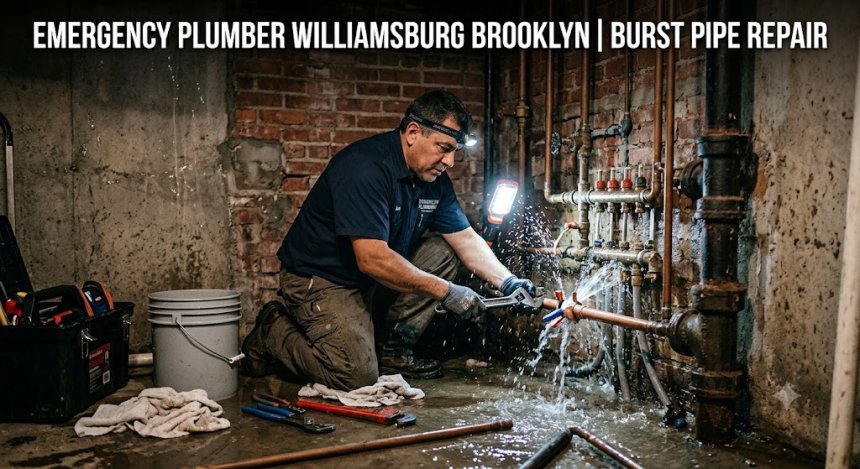
A burst pipe is one of the most destructive property emergencies a building owner or tenant can experience. Water spewing at full street pressure can dump tens of gallons per minute into a room, quickly ruining floors, destroying plaster walls, wrecking electrical fixtures, and damaging valuable belongings.
Whether you manage an industrial conversion loft near Bedford Avenue, live in a brownstone on South 3rd Street, or run a restaurant in North Williamsburg, a sudden pipe failure demands immediate action. The first fifteen minutes after a pipe breaks often determine whether you are dealing with a quick spot repair or tens of thousands of dollars in structural restoration.
This guide details exactly what steps to take when a pipe ruptures, why plumbing failures occur in historic and modern Brooklyn buildings, how licensed plumbers repair the damage, and how to protect your property from future water disasters.
What Is a Burst Pipe Emergency?
A burst pipe occurs when a water supply or drainage line loses structural integrity, creating a rapid, pressurized release of water. Unlike a slow under-sink drip, a burst pipe floods living spaces within minutes.
Common emergency scenarios include:
-
Ruptured Main Supply Lines: High-pressure copper or galvanized steel lines splitting open inside walls or subfloors.
-
Frozen Pipe Fractures: Ice expanding inside uninsulated plumbing during cold Northeast winters, causing the metal or plastic wall to crack.
-
Corroded Pipe Seam Blowouts: Aging iron or brass pipes in pre-war properties giving out due to decades of internal wear.
-
Flex Line Failures: Stainless steel or rubber supply hoses to toilets, washing machines, or ice makers snapping off at the connection point.
In multi-family brownstones and apartment complexes across Brooklyn, water from a ruptured pipe on an upper floor rapidly seeps through subfloors, destroying ceiling drywall and electrical systems in the units below.
Why Do Pipes Burst in Williamsburg, Brooklyn?
Understanding why plumbing fails helps you identify vulnerabilities in your property before an emergency strikes.
1. Freezing Temperatures
During sub-zero winter blasts, uninsulated pipes running through exterior walls, unheated basements, or drafty crawl spaces drop below freezing. As water turns to ice, it expands by approximately 9%. This expansion traps water between the ice blockage and the closed faucet, building immense hydraulic pressure until the pipe ruptures at its weakest point.
2. Aging Infrastructure and Corrosion
Williamsburg features a mix of historic 19th-century architecture and modern high-rise developments. Older structures often retain original galvanized steel or lead-soldered copper pipes. Over decades, mineral deposits scale up inside, while chemical reactions erode metal walls from the inside out until the pipe thins and splits.
3. Excessive Water Pressure
While good water pressure feels great in the shower, pressure exceeding 80 PSI (pounds per square inch) puts extreme stress on joints, valves, and appliances. Spikes in municipal supply pressure can weaken pipe seams over time, leading to sudden blowouts.
4. Poor Installation and Physical Stress
Improperly supported pipes shift and vibrate every time a valve snaps shut—a phenomenon known as "water hammer." Over time, this constant mechanical shaking weakens soldered joints, press fittings, and threaded connections.
5. Tree Root Intrusion
For main underground water service lines and sewer laterals, aggressive tree roots seek out microscopic cracks in buried pipes. As roots enter and expand, they fracture the pipe entirely, causing catastrophic underground leaks and soil erosion.
Warning Signs You Should Never Ignore
Pipes rarely rupture without displaying warning signs beforehand. Watch for these red flags:
| Warning Sign | Underlying Plumbing Condition | Action Needed |
| Sudden Drop in Water Pressure | Active leak or severe internal corrosion | Inspect visible lines and check water meter |
| Water Stains on Ceilings or Walls | Slow hidden pipe leak behind drywall | Locate leak source before plaster collapses |
| Clanking or Banging Pipes | Water hammer or loose pipe straps | Install water hammer arrestors |
| Discolored or Rusty Water | Advanced internal pipe corrosion | Evaluate property for repiping |
| Unexplained Spikes in Water Bills | Hidden underground or slab leak | Schedule professional leak detection |
| Shattering or Frost on Exposed Pipes | Frozen pipe risk in unheated areas | Apply heat tape or insulate immediately |
Common Plumbing Problems Related to Burst Pipes
When a pipe ruptures, secondary issues quickly follow:
-
Electrical Hazards: Water pooling around electrical outlets, breaker boxes, or light fixtures creates severe shock and fire risks.
-
Mold and Mildew Outbreaks: Toxic mold spores can begin colonizing wet drywall and subfloors within 24 to 48 hours of exposure.
-
Subfloor and Structural Rot: Wooden joists in older Brooklyn brownstones absorb water quickly, leading to warping, sagging, and structural weakening.
-
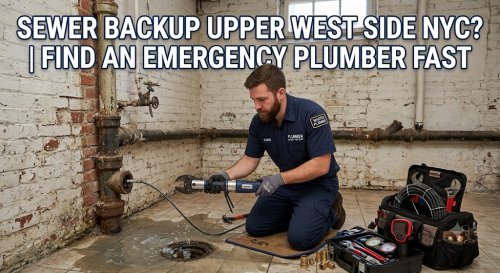
Sewer Line Backups: If the ruptured pipe involves a main drain or stack, raw sewage can spill into basements and lower-level spaces.
Step-by-Step Emergency Action Plan
If a pipe bursts in your home or business, follow these immediate steps to minimize property damage:
-
Shut Off the Main Water Supply Immediately: Locate your main shutoff valve—typically located near the front wall in the basement or where the main water line enters the building—and turn it fully clockwise.
-
Turn Off Electrical Power: If standing water is near electrical outlets, appliances, or your circuit breaker panel, safely turn off power to the affected zones from a dry location.
-
Relieve Remaining System Pressure: Open faucets on the lowest and highest levels of the property to drain residual water out of the plumbing system into sinks, rather than through the rupture.
-
Contain and Clear Standing Water: Use wet/dry vacuums, squeegees, mops, and buckets to remove water before it soaks deep into subfloors and framing.
-
Document the Damage: Take clear photos and videos of the burst pipe, flooded areas, and damaged property for insurance claims.
-
Call an Emergency Plumber: Contact a licensed Brooklyn plumber to perform a code-compliant repair.
Step-by-Step Professional Repair Process
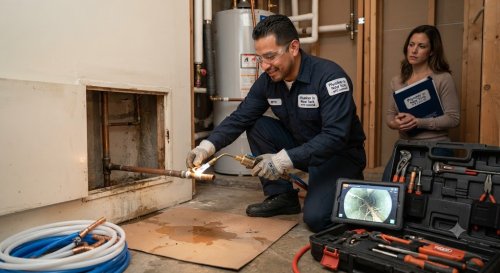
When a licensed technician arrives on-site, they follow a structured protocol to restore your plumbing safely:
-
Step 1: Emergency Isolation & Safety Check: The plumber verifies that water and electrical supplies are isolated safely and checks for gas line proximity or structural hazards.
-
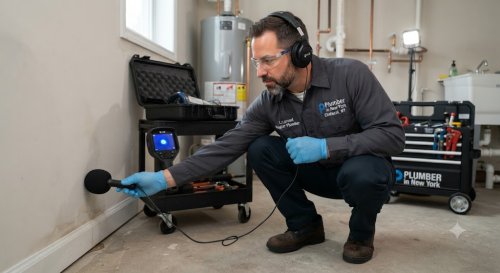
Step 2: Leak Location & Mapping: Using non-invasive acoustic sensors or thermal imaging, the technician pins down the exact location of the break, minimizing wall or floor demolition.
-
Step 3: Section Removal: The damaged, split, or corroded pipe segment is cleanly cut out using specialized pipe cutters.
-
Step 4: Precision Replacement: Depending on the home's plumbing system, the plumber installs new high-grade copper, brass, or PEX piping using soldered fittings, press fittings, or compression unions.
-
Step 5: System Pressure Testing: The main water valve is reopened slowly, and the line is pressurized to perform a rigorous leak test on all new connections.
-
Step 6: Site Cleanup: The work area is cleared of debris, and initial moisture assessments are shared with the property owner.
-
Step 7: Preventative Advice: The plumber recommends long-term fixes, such as pressure-reducing valves, pipe insulation, or selective re-piping.
Can You Fix It Yourself? (DIY vs. Professional Plumbing)
While a temporary patch might hold for an hour while you wait for assistance, attempting permanent DIY fixes on pressurized supply pipes is risky.
Safe Temporary DIY Steps
-
Applying Pipe Repair Tape or Rubber Clamps: Wrapping a rubber strip tightly over a pinhole leak and securing it with a hose clamp can slow down water flow temporarily after the main supply is shut off.
-
Epoxy Putty Application: Moldable plumbing epoxy can be pressed into dry cracks to stop minor drips temporarily.
When DIY Is Dangerous
-
Soldering Near Wood Framing: Using an open propane torch inside dry, historical timber walls creates a serious fire hazard.
-
Working on Main Service Lines: Main supply lines carry high pressure from the municipal system; incorrect fittings can blow off and cause massive flooding.
-
Ignoring Local Plumbing Codes: Improperly joined pipes or incorrect pipe sizing can cause severe pressure drops, water contamination, or invalidation of your property insurance coverage.
Specialized Tools Professionals Use
Licensed plumbers utilize advanced equipment to resolve emergencies efficiently:
-
Thermal Imaging Cameras: Pinpoint hidden dampness and cold spots behind walls without opening up drywall unnecessarily.
-
Acoustic Leak Detectors: Amplify the sound of pressurized water escaping from underground or behind-wall pipes.
-
ProPress Tools: Join heavy-gauge copper pipes with watertight mechanical seals without using open flames inside finished residences.
-
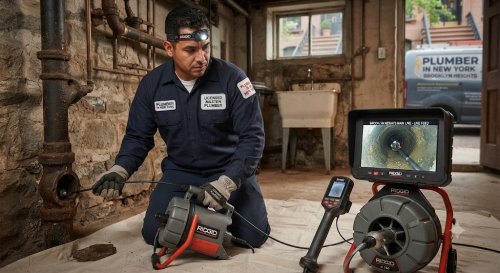
Pipe Inspection Cameras: Flexible, fiber-optic cameras inserted into drains to inspect internal pipe health and locate structural cracks.
How Long Does Pipe Repair Take?
Repair timelines depend on the accessibility and extent of the damage:
-
Simple Spot Repairs (1–2 Hours): Replacing an exposed broken elbow or straight pipe section under a sink or in an open basement.
-
Behind-Wall Repairs (2–4 Hours): Opening drywall, replacing damaged line segments, testing pressure, and preparing the area for wall restoration.
-
Frozen Line Thawing and Repair (3–5 Hours): Safely thawing frozen sections with commercial heat equipment, finding all hidden splits, and replacing damaged sections.
-
Main Line or Underground Replacement (1–2 Days): Excavating or using trenchless methods to replace main water service lines entering the property.
Water Heater and Pipe Repair Cost Factors
Plumbing repair costs vary depending on the severity of the problem, accessibility, materials required, emergency service timing, property type, and local labor rates.
Key factors that influence overall project costs include:
-
Diagnostic & Call-Out Fees: Covers the technician’s time to travel, inspect, and evaluate the failure.
-
Accessibility: Pipe repairs inside enclosed plaster walls, beneath concrete slabs, or behind built-in cabinetry require extra labor.
-
Material Selection: Copper and heavy brass fittings cost more than PEX, but material choice depends on existing building piping and local code requirements.
-
After-Hours Emergency Rates: Calls made late at night, on weekends, or during major holiday winter storms involve specialized emergency response scheduling.
-
Permit Fees: Major service line replacements or structural plumbing modifications in New York City require municipal permits and formal inspections.
Hidden Truths Homeowners Should Know
-
Small Leaks Cause Massive Damage: A tiny hairline crack can release over 250 gallons of water in 24 hours, rotting subfloors and breeding mold behind baseboards.
-
Insurance May Deny Neglect Claims: Insurance adjusters frequently deny water damage claims if evidence shows a pipe burst due to long-term, unaddressed freezing risks or neglected maintenance.
-
Cheap Temporary Fixes Fail Quickly: Hose clamps and slip couplers are strictly short-term emergency holdovers. Pressure fluctuations will eventually dislodge non-permanent patches.
-
Hard Water Shortens Pipe Life: High mineral content gradually weakens internal pipe linings, leading to unexpected wall thinning and blowouts.
-
Annual Inspections Save Thousands: Having a plumber inspect pressure valves, shutoff handles, and exposed supply lines once a year prevents catastrophic winter emergencies.
15 Common Plumbing Mistakes Homeowners Make
-
Not Knowing Where the Main Shutoff Valve Is: Searching for the main shutoff handle while water fills the basement.
-
Using Chemical Drain Cleaners on Frozen Pipes: Pouring toxic chemicals into blocked lines, creating a hazardous spill when the pipe splits.
-
Leaving Hose Hoses Attached in Winter: Trapping water in outdoor spouts, causing the internal pipe inside the wall to freeze and burst.
-
Ignoring Water Hammer Noises: Allowing pipes to bang against wall studs until joints crack.
-
Turning Up the Heat Too Late: Waiting until interior temperatures drop below freezing before turning on cabinet heat.
-
Hiring Unlicensed Handymen for Gas or Water Lines: Sacrificing code compliance and safety to save on upfront labor costs.
-
Over-Tightening Threaded Pipe Connections: Cracking brass fittings or stripping threads by applying excessive wrench force.
-
Using the Wrong Pipe Materials: Joining dissimilar metals without dielectric unions, causing rapid galvanic corrosion.
-
Ignoring High Water Pressure: Allowing main water pressure to stay above 80 PSI without a pressure regulator.
-
Skipping Annual Water Heater Flushing: Letting heavy sediment bake inside tanks until pressure relief valves fail.
-
Flushing Flushable Wipes: Blocking drain stacks until backup pressure fractures older drain fittings.
-
Forgetting to Test Emergency Shutoff Valves: Letting older gate valves rust shut until they break during an emergency.
-
Leaving Vacant Properties Unheated: Turning heat completely off during winter trips, leading to frozen pipes.
-
Wrapping Frozen Pipes in Open Flames: Attempting to thaw frozen lines with blowtorches, creating fire hazards.
-
Delaying Repairs to Save Money: Allowing minor damp spots to turn into complete drywall collapses and mold remediation projects.
Preventative Plumbing Maintenance Tips
Protect your property year-round with these practical maintenance practices:
-
Insulate Exposed Lines: Wrap pipe insulation foam sleeves around all water pipes running through basements, garages, and exterior walls.
-
Disconnect Garden Hoses in Autumn: Remove, drain, and store all outdoor hoses before the first freeze.
-
Keep Cabinet Doors Open During Cold Snaps: Allow warm room air to circulate around under-sink plumbing near exterior walls.
-
Maintain a Minimum Thermostat Setting: Never set building heat lower than 55°F (13°C), even when away on vacation.
-
Drip Faucets During Extreme Cold: Allow a slow trickle of water to flow from faucets served by exposed piping to relieve internal pressure build-up.
-
Test Main Shutoff Valves Twice a Year: Turn shutoff handles back and forth to ensure they move freely without binding.
-
Install Smart Water Leak Detectors: Place wireless moisture sensors near water heaters, washing machines, and main supply lines for instant phone alerts.
-
Replace Rubber Appliance Hoses: Swap old rubber washing machine lines for braided stainless steel hoses every 5 years.
-
Inspect Water Pressure Regulators: Ensure your home's incoming pressure remains safely between 40 and 60 PSI.
-
Flush Water Heaters Annually: Remove mineral buildup to preserve tank lining integrity.
-
Keep Gutters and Drains Clean: Ensure roof runoff drains away from foundation walls to prevent groundwater pressure build-up.
-
Schedule Professional Inspections: Have a licensed plumber evaluate your entire system every 12 to 24 months.
When Should You Call an Emergency Plumber?
Call an emergency plumbing service immediately if you encounter any of the following:
-
Active, pressurized water leaks that cannot be stopped using local shutoff handles.
-
A burst water main or main service line leak flooding your lawn or basement.
-
Raw sewage backing up into tubs, sinks, or floor drains.
-
Complete loss of running water during freezing winter weather.
-
Signs of active water leaking near electrical subpanels or light fixtures.
Frequently Asked Questions
What causes pipes to burst unexpectedly?
Pipes burst primarily due to internal ice expansion during freezing weather, severe pressure spikes, advanced age and corrosion, or mechanical damage from uncontrolled water hammer.
How quickly can a burst pipe cause severe structural damage?
Water damage begins immediately upon contact. Within 1 to 2 hours, drywall absorbs water and sags, wood subfloors warp, and plaster cracks. Mold growth can initiate within 24 to 48 hours.
What should I do if my pipes freeze but haven't burst yet?
Keep the affected faucet open, turn up your indoor heat, and apply gentle heat to the exposed frozen pipe section using a hair dryer or heating pad. Never use an open flame. If the pipe does not thaw, call a plumber immediately.
Will homeowners insurance cover burst pipe repairs?
Most standard homeowners policies cover sudden, accidental water damage caused by burst pipes. However, insurance may deny claims if damage resulted from deliberate neglect, such as leaving a building unheated during winter.
Can high water pressure cause pipes to burst?
Yes. Excessive water pressure continuously stresses pipe walls, joints, and appliance flex lines. Pressure over 80 PSI significantly increases the risk of sudden line ruptures.
How do I locate my main water shutoff valve?
In most Brooklyn properties, the main water shutoff valve is located in the basement along the front wall facing the street, right where the main service pipe enters through the foundation floor or wall.
How do plumbers repair a burst pipe inside a wall?
Plumbers cut a small access opening in the drywall, isolate and cut out the split pipe section, clean the surrounding metal or plastic, and install a modern replacement piece using solder, press fittings, or compression connections.
What is PEX piping, and is it better than copper for freezing conditions?
PEX (cross-linked polyethylene) is a flexible plastic piping material. PEX expands slightly under pressure, making it significantly more resistant to bursting when water freezes inside compared to rigid copper or steel.
Can a clogged drain cause a pipe to burst?
While drain clogs usually cause overflows rather than burst pipes, extreme blockages in closed, high-pressure drainage stacks can weaken joints and lead to leaks.
How do I prevent pipes from freezing in unheated basements?
Install foam pipe insulation sleeves, seal rim joist drafts with expanding foam, apply thermostatically controlled heat cable along vulnerable pipe runs, and keep basement doors closed.
Why Choose Plumber in New York City?
When a plumbing emergency threatens your property in Williamsburg, Bushwick, Greenpoint, or downtown Brooklyn, you need a quick, competent, and honest response team.
At Plumber in New York City, we bring years of practical trade experience to every job site:
-
Licensed & Fully Insured Technicians: Master plumbers trained to handle complex residential, commercial, and historical property plumbing.
-
Upfront Cost Estimates: Transparent pricing structures so you know what to expect before repairs begin.
-
Rapid Emergency Response: Local Brooklyn service units equipped with specialized tools, leak detectors, and replacement supplies.
-
Code-Compliant Workmanship: Every repair and installation adheres strictly to New York City building and plumbing codes.
-
Customer-Focused Service: We respect your property, provide clear explanations, and leave work areas clean and safe.