Common Causes of Low Water Pressure in Gilbert Homes
Discover why your Gilbert home is experiencing low water pressure. Learn how to diagnose localized issues, check pressure regulators, and identify mineral buildup.

Understanding Low Water Pressure in Your Home
Experiencing a sudden or gradual drop in water flow throughout your house can turn routine chores like showering or washing dishes into frustrating experiences. Low water pressure is a common household complaint, but it is rarely a mystery once you understand how water travels from the municipal supply into your home's fixtures.
When diagnosing low water pressure, the very first step is determining whether the issue affects a single fixture or the entire property. A localized drop in pressure usually points to a specific aerator, supply line, or cartridge valve. A whole-house drop typically indicates a problem with the main water supply, the home's pressure-reducing valve (PRV), or widespread internal pipe restrictions.
Localized vs. Whole-House Pressure Drops
Before assuming your entire plumbing system is failing, perform a quick check of multiple water sources:
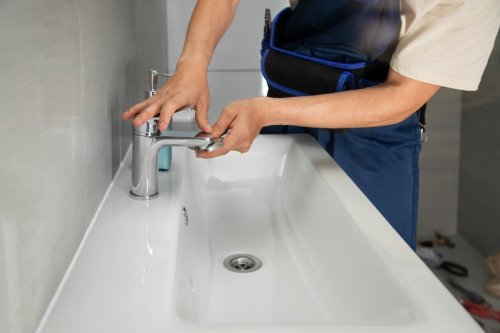
- Single Fixture: If only the kitchen sink or a single bathroom faucet has weak flow, the issue is almost certainly isolated to that specific fixture. Aerators, showerheads, and small supply line shut-off valves frequently collect debris and mineral scale, choking off the stream.
- Multiple Fixtures (Hot Only): If only the hot water faucets experience low pressure while cold water flows normally, the restriction is typically located at or near the water heater. Sediment accumulation in the tank or a failing inlet valve can restrict hot water distribution.
- Whole House: When every faucet, shower, and outdoor spigot simultaneously loses pressure, the root cause involves the main service line, the municipal supply, or the house's main pressure regulator.
Mineral Buildup and Hard Water Effects
In regions with hard water, such as the East Valley of the Phoenix metropolitan area, dissolved minerals like calcium and magnesium are a constant factor in plumbing maintenance. As water travels through pipes and sits inside fixtures, these minerals precipitate out, especially when heated. Over time, hard-water scale narrows the interior diameter of pipes, showerheads, and faucet aerators.
Removing a faucet aerator and soaking it in a simple vinegar solution will quickly clear out localized mineral deposits. However, scale buildup inside galvanized steel or older copper supply piping cannot be easily dissolved and may require professional descaling or pipe replacement.
The Role of the Water Pressure Regulator (PRV)
Most residential properties use a pressure-reducing valve (PRV) to lower the high pressure coming off municipal water mains down to a safe level for household plumbing—typically between 50 and 70 pounds per square inch (psi).
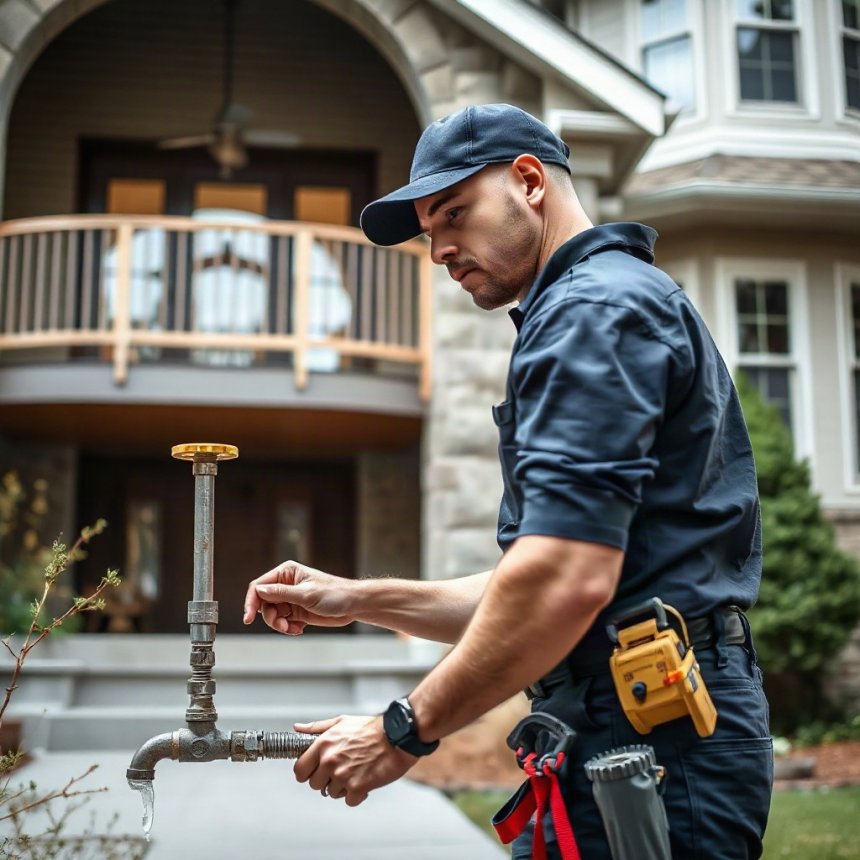
When a PRV fails, it usually does so by locking up or restricting flow entirely, causing a dramatic drop in house-wide water pressure. Conversely, a failing PRV can also allow pressure to spike dangerously high. You can test your system pressure using a simple gauge that screws onto an outdoor hose bib. If the gauge shows abnormally low or fluctuating readings while neighbors have normal flow, the PRV is a prime suspect for adjustment or replacement.
Main Shut-Off Valves and Municipal Supply Issues
Another frequently overlooked cause of low pressure is a partially closed valve. The main water shut-off valve—whether located near the water meter box at the property line or inside the garage or utility room—must be fully open. If a valve is bumped, partially closed during prior maintenance, or failing internally where the gate separates from the stem, water volume will be severely restricted.
If the low pressure happens suddenly across an entire neighborhood, contact the local municipal water utility. Scheduled maintenance, main breaks, or repairs on the city supply lines can temporarily reduce pressure to surrounding residential areas.
Frequently Asked Questions
How can I tell if my low water pressure is a city problem or my house's problem?
Check an outdoor hose bib that connects directly to the main supply line before it enters the home. If the pressure from that outdoor spigot is also weak, the issue likely originates with the municipal supply or your main service valve. If the outdoor spigot has strong pressure while indoor fixtures are weak, the restriction is inside your home's plumbing system.
Can a water heater cause low water pressure?
Yes, but typically only for the hot water side. Heavy sediment buildup inside a tank-style water heater can block the hot water outlet pipe. Regularly flushing your water heater helps prevent this sediment accumulation and maintains proper hot water flow.
What is a normal psi for residential water pressure?
Most residential plumbing systems are designed to operate safely between 50 and 70 psi. Pressure consistently below 40 psi often feels uncomfortably weak, while pressure exceeding 80 psi can stress pipe joints, hoses, and fixtures, leading to premature leaks or failures.
Are older pipes more prone to low water pressure?
Yes. Older galvanized steel pipes are notorious for internal corrosion and mineral constriction, which drastically reduces both water pressure and volume over decades of use. Modern copper and PEX piping maintain smooth interior walls that resist this type of severe internal buildup.
Should I adjust my own pressure-reducing valve?
While some PRVs feature an adjustment bolt on top, altering water pressure without a gauge can easily push your system past safe psi limits. If you suspect your PRV is worn out, inaccurate, or failing to regulate flow properly, have a licensed plumber test and replace the unit to protect your home appliances and fixtures.