Emergency Plumber Park Slope: What to Do When Water Leaks Through the Ceiling
Water leaking from your ceiling in Park Slope? Read this emergency guide for immediate actions, how to shut off water in brownstones, and when to call a licensed plumber 24/7.

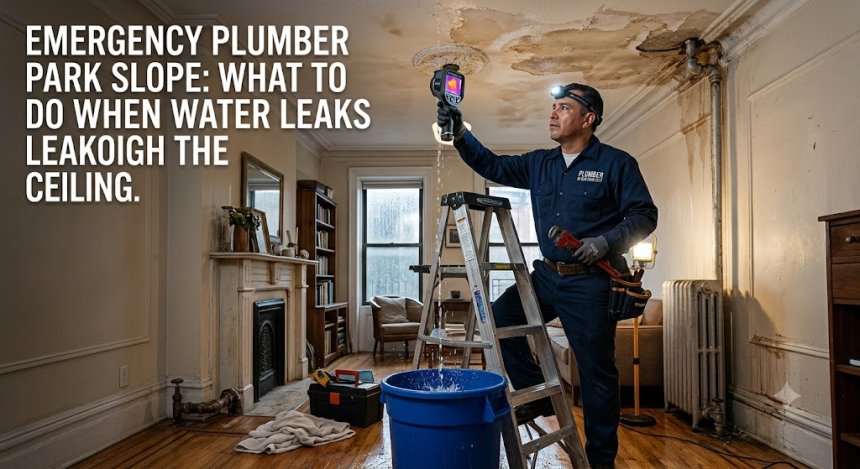
Emergency Plumber in Park Slope: Your Guide to Ceiling Leaks
It’s every Park Slope homeowner's dread: a brown stain, a growing puddle, or worse, water actively pouring from the ceiling. This guide is your emergency protocol, written specifically for residents of Park Slope and New York City who are facing a sudden ceiling leak. We’ll cover immediate actions, how to identify the source, what professionals do, and how to choose the right plumber in Park Slope.
Ceiling leaks are urgent plumbing problems that can strike anyone, but are particularly common in older, multi-story buildings like the brownstones and pre-war apartments found throughout Park Slope. They require immediate attention because water is highly destructive; a small leak can rapidly ruin plaster, insulation, wiring, and floor coverings, and lead to mold in as little as 24-48 hours. The destruction only gets worse (and more expensive to repair) the longer it’s ignored.
What to Do When Water Is Leaking Through the Ceiling: Your Emergency Checklist
When you spot water on your ceiling, don't panic. Panic leads to mistakes. Instead, immediately activate this emergency checklist:
-
Stop the Water at the Source:
-
Upstairs Apartment? If you have an upstairs neighbor, that is almost certainly the leak’s source. Go immediately and ask them to check their plumbing (toilets, tubs, sinks, washing machines). Ask them to stop using any water and, if they can, shut off their water supply.
-
Own Your Own Top Floor? Go upstairs and check the bathroom and plumbing fixtures. Immediately shut off the water valve to any suspected fixture (e.g., toilet, sink, washing machine).
-
Can't Find a Single Valve? Your best option is to shut off the entire water supply to your apartment or house. Every home should have a main shut-off valve. In apartments, this is often under the kitchen sink, in a utility closet, or a dedicated wall panel. In brownstones, it's typically near the water meter, where the water pipe enters the foundation. If you don't know where yours is, finding it now is priority number one.
-
-
Mitigate the Damage:
-
Contain the Drip: Place a bucket, pot, or pan directly under the leak. Lay down towels around the container to absorb splashing and any water that runs along the ceiling.
-
Relieve Ceiling Pressure: This is crucial. Water will often pool above the ceiling plaster or drywall, causing it to bow and potentially collapse. Take a large nail, screwdriver, or drill and poke a small hole in the center of the bowing or wet area. This will channel the water into one stream, relieving the pressure and reducing the risk of a catastrophic, messy ceiling failure. Be sure to have your bucket ready.
-
Protect Your Possessions: Move any furniture, electronics, and valuables away from the area. If you can’t move an item, cover it with a plastic sheet or trash bag.
-
-
Address Electrical Hazards:
-
Is Water Near Electrical Fixtures? If the water is leaking from a light fixture, smoke detector, or near an outlet, the situation is dangerous. Immediately turn off the circuit breaker for that area of your home. Do NOT attempt to touch or unscrew a wet light bulb or fixture. If the water is widespread and nearing your breaker panel, you may need to shut off all the power to your home and contact Con Edison (or your building's electrician) immediately.
-
-
Call a Professional Plumber:
-
Once you’ve contained the immediate situation, it's time to call a professional plumbing service. For an emergency ceiling leak in Park Slope, you should search for a licensed "Emergency Plumber Park Slope" who offers 24/7 service. Be prepared to provide the plumber with a clear description of the problem: where the leak is, how severe it is, and whether you've successfully shut off the water.
-
What is a Ceiling Leak, Exactly?
A ceiling leak is any situation where water penetrates the ceiling structure and appears in a room below. It is almost never the ceiling itself that is leaking; rather, it's a symptom of a problem above. The water can originate from:
-
Another Apartment: The most common cause in multi-story buildings.
-
A Bathroom or Kitchen Fixture: Toilets are prime suspects. They can leak from a worn wax ring (the seal at the base) or a crack in the tank. Bathtubs and showers can have leaking drains, supply lines, or failed waterproofing/caulking. Sinks can have faulty P-traps, supply connections, or faucet leaks. Washing machines and dishwashers can have burst hoses or failing pumps.
-
Leaking Pipes: Hidden within your walls and floors are water supply lines and drain/waste pipes. In Park Slope, many brownstones still have aging galvanized steel, lead, or older copper pipes. These pipes can fail from corrosion, pinhole leaks, or, in the winter, frozen pipe bursts.
-
The Roof: A damaged roof, worn-out flashing, or a clogged gutter can allow water to penetrate your home's envelope and travel along joists to reach your ceiling.
-
A Radiator or Heating System: Steam and hot water heating systems, common in pre-war buildings, can have leaking radiator valves, steam vents, or pipe connections.
Understanding that the ceiling water is a symptom of an upstairs problem is key to finding and fixing the root cause. A stain near a toilet, for example, highly suggests a toilet wax ring failure.
Why Do I Have Water Leaking Through My Ceiling?
To truly solve a ceiling leak, you need to understand why it's happening. Here are the most common culprits, with a focus on situations typical in Park Slope:
1. Aging Plumbing Fixtures and Seals
Water fixtures don't last forever. The single most common cause of ceiling stains below a bathroom is a failing toilet wax ring. This simple wax ring creates the seal between your toilet and the drain pipe in the floor. When it fails, water (and everything else) leaks onto the floor below every time you flush. Similarly, the caulking around bathtubs and showers eventually dries, cracks, and peels, allowing water from normal use to seep under the floor.
2. Failing Pipes
Park Slope is filled with beautiful, historic buildings. The problem is, many have plumbing that is just as old. Galvanized steel pipes from the 1930s to 1960s are often nearing the end of their lives, corroding from the inside out and eventually developing pinhole leaks or bursts. Lead pipes, common in even older brownstones, can become brittle. Even copper pipes, while durable, are not immune to pinholes, especially in areas with very soft water or poor electrical grounding. This is where professional leak detection is invaluable.
3. Tree Roots (For Main Drain Lines)
While ceiling leaks are usually from supply lines or fixture drains, a backed-up main sewer line can, on rare occasions, push water out of lower-level drains, which might appear to be a ceiling leak. Tree roots from Park Slope's lush streets can infiltrate sewer lines, causing massive blockages. If multiple drains are slow, or if waste backs up when you flush, your main sewer line may be the problem, requiring hydro jetting or camera inspection.
4. High Water Pressure
New York City can have very high water pressure. While great for showers, excessive pressure puts constant stress on your pipes, connections, and fixtures. Over time, it can cause valves to fail, gaskets to leak, and even pipes to burst. If your pipes rattle when you turn on a faucet, you might have high pressure, and a plumber in New York City may need to install a pressure-reducing valve (PRV).
5. Improper Installation
Plumbing, especially renovations, is sometimes a DIY project or handled by unlicensed individuals. Improperly soldered copper joints, incorrectly tightened connections, using the wrong pipe materials, or failing to properly caulk can all lead to leaks later.
6. Frozen Pipes
NYC winters can get cold. Pipes running along exterior walls or in unheated spaces (like a crawl space or basement in a brownstone) can freeze. When the water turns to ice, it expands, causing the pipe to split. The leak starts once the ice thaws, often releasing a massive volume of water into your home. This is why properly insulating your pipes is so critical.
Ceiling Leak Signs You Should Never Ignore
While a puddle on the floor is impossible to ignore, ceiling leaks often give subtle warning signs before they become major emergencies. Catching these signs early is the single best way to reduce the repair costs. Never ignore:
1. Water Stains
This is the most common early sign. Look for discolored rings, spots, or patches on your ceiling. Stains can be brown, yellow, or grey. A fresh stain might feel damp to the touch. A stain's location is a great clue; one below a bathroom or near a radiator is highly suspect.
2. Slow Drains
A slow sink, shower, or toilet might not seem related to a ceiling leak, but a persistent clog can create backup pressure that stresses pipe connections, leading to a slow leak. A clogged drain can also contribute to backups that might push wastewater out of lower drains, appearing to be a ceiling leak. If you have slow drains, a clogged drain cleaning may prevent a bigger issue.
3. Low Water Pressure
If you notice a sudden, inexplicable drop in water pressure throughout your home, it can mean that a hidden pipe has failed and a significant amount of water is leaking behind your walls or under your floors, potentially leading to a ceiling leak.
4. High Water Bills
A sudden, unexplained jump in your water bill is a strong indicator of a hidden leak. Water usage should be relatively consistent. A running toilet can waste over 200 gallons a day, but a burst or leaking pipe can waste much more, without you ever seeing a puddle.
5. Damp Walls or Flooring
Before water drips from the ceiling, it often saturates the flooring or drywall above. If you notice damp spots, buckling floorboards, or soft spots on your walls or ceiling upstairs, investigate immediately.
6. Mold Growth
Mold thriving on your ceiling is a sign of a persistent moisture problem. Mold requires a steady water source, and a small, slow leak is often the culprit. Mold can cause health problems and indicates that water damage has already progressed. A musty or bad smell can also indicate mold or stagnant water.
When a Ceiling Leak Becomes a Real Emergency
Not all leaks are created equal. While all ceiling leaks should be addressed promptly, certain situations demand immediate, 24/7 emergency service:
-
Active, Heavy Flow: Water actively pouring from the ceiling, creating an immediate flood risk and significant property damage.
-
Water is Involves Electrical Fixtures: If water is leaking from a light fixture, smoke detector, or near electrical outlets, the risk of shock or fire is imminent.
-
The Leak Is Widespread: Multiple ceiling stains or damp spots across a large area indicate a major failure, likely in a main supply line or the roof.
-
No Running Water: If you've shut off the water but still cannot determine the source, or if you had low pressure before the leak, you may have a failed main water service line.
-
Burst or Frozen Pipe Bursts: A ruptured pipe, especially a main line, releases an enormous volume of water in minutes and requires immediate emergency repair.
-
Raw Sewage Backup: If the leaking water smells like sewage or is coming from a main sewer line, it's a major health hazard and requires hydro jetting or immediate sewer repair.
In these situations, do not wait. Immediately find and use your shut-off valves and call an Emergency Plumber Park Slope.
What Do Professional Plumbers in New York City Do for a Ceiling Leak?
A professional plumber doesn't just put a bucket under the drip. They follow a precise, step-by-step process to permanently fix the issue:
Step 1: Immediate Safety and Inspection
The plumber's first job is to ensure the situation is safe and to isolate the leak. This may involve shutting off the main water valve if you haven't already. They'll then inspect the ceiling, the floor above, and any accessible plumbing fixtures and lines.
Step 2: Accurate Diagnosis
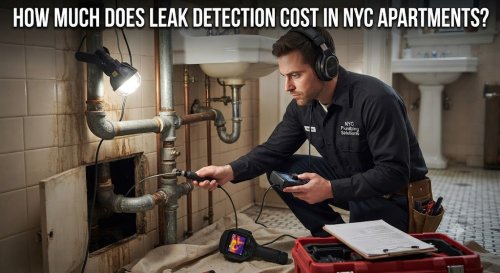
This is the most critical step. For hidden leaks, plumbers use professional leak detection equipment to pinpoint the exact source without blindly tearing into walls. They may use:
-
Moisture Meters: Handheld sensors that measure moisture levels in materials like drywall and flooring to find the dampest spot.
-
Thermal Imaging Cameras: Cameras that detect minute temperature differences caused by water, revealing the hidden path of a leak.
-
Pipe locators and acoustic equipment: For finding underground or behind-wall pipe leaks.
-
Sewer Line Cameras: Waterproof cameras on a cable inserted into drain lines to find cracks or clogs that could cause a leak.
Step 3: Upfront Estimate
Once the plumber has accurately diagnosed the problem and its source, they will provide you with a written estimate for the repair. A reputable plumber in New York City will be upfront about their costs, explaining the diagnostic fees, parts, labor, and any emergency service charges. They can help you decide on a replacement vs repair.
Step 4: Code-Compliant Repair
This is the fix. For a failing fixture, it might mean replacing a wax ring, faucet, or installing new waterproofing. For a failed pipe, the plumber will need to gain access (by opening up a wall or floor), remove the damaged section, and install a new, code-compliant pipe and fittings. In older Park Slope buildings, this might involve re-piping a larger section if multiple pipes are compromised.
Step 5: Testing and Restoration
After the repair is complete, the plumber will turn the water back on and thoroughly test the system to ensure the leak is truly fixed and there are no other issues. They will then clean up their workspace. It's up to you to arrange for the final restoration of the ceiling (e.g., plaster repair, painting) and any floor damage.
Step 6: Ongoing Maintenance Advice
Reputable plumbers will offer you trustworthy maintenance advice on how to prevent future leaks, such as annual plumbing inspections, proper drain care, and pipe insulation.
How Long Does the Repair Usually Take?
The repair time varies widely based on the complexity and location of the leak. Here's a general breakdown:
-
Simple Repairs (1-3 Hours): This category includes common issues with an exposed source, such as replacing a leaking P-trap under a sink, installing a new toilet wax ring, replacing a failed radiator valve, or minor drain cleaning.
-
Moderate Repairs (4-8 Hours): For leaks requiring behind-wall access, such as replacing a leaking pipe section, installing new shower waterproofing (without extensive renovation), or locating and repairing a small pinhole leak in a copper line. This often involves cutting drywall or removing some flooring.
-
Major Repairs (1-3+ Days): These situations are more involved. This could include significant pipe bursts in multiple locations, re-piping an older brownstone, replacing major lines, or substantial roof repair after a ceiling collapse. This can involve extensive wall or floor demolition.
Emergency repairs to stop the immediate flow of water are usually handled in a single visit, though permanent repairs or extensive restoration may take longer. Be sure to ask your plumbing service for a timeline estimate.
Hidden Truths Every Park Slope Homeowner Should Know About Plumbing
Owning a home in Park Slope is special, but its unique historic plumbing has hidden truths you should know:
1. Small Drips are Slow-Motion Disasters
A pinhole leak in a pipe doesn't stay small. Water is corrosive, and a tiny drip will slowly eat away at the pipe, turning into a significant burst. That "harmless" ceiling stain is often a ticking clock.
2. A Bad Smell can be a Good Clue
Stagnant water and mold have distinct odors. A strange, musty, or earthy smell, particularly in one room or closet, can be a valuable early indicator of a slow, hidden leak. Similarly, a sewage smell points to a cracked sewer line, potentially a big issue.
3. Your Homeowners Insurance Might Not Cover It
Many homeowners assume insurance covers all water damage. In reality, most standard policies will cover sudden and accidental pipe bursts (like from freezing). However, they typically exclude damage from long-term, slow leaks, and "neglect." This means that failing to fix a known slow leak, ignoring that ceiling stain for months, or skipping routine maintenance can invalidate your claim.
4. Tree Roots can Repeatedly Damage Sewer Lines
Park Slope’s majestic trees have majestic roots. These roots find and infiltrate sewer lines through microscopic cracks or joints. Hydro jetting can clear them, but they will grow back. Permanent solutions like trenchless equipment or trenchless pipe lining may be necessary.
5. Annual Plumbing Inspections Save You Money
A licensed professional can spot small issues—like high water pressure, corroded pipes, or worn wax rings—before they become emergencies. A $200 inspection is far cheaper than a $10,000 ceiling leak.
6. DIY Mistakes will Increase Your Repair Costs
Plumbing, especially hidden lines, is complex. An incorrect fitting, improperly soldered joint, or poorly fastened connection can fail under pressure, leading to a massive leak. Attempting major repairs yourself often results in paying a professional to fix both the original problem and your mistake. When professional plumbing is necessary, hire a pro.
FAQs: Your Ceiling Leak Questions Answered
Why is my water pressure suddenly low?
This is a potential sign of a massive, hidden leak. A failed pipe behind your walls or under your foundation can divert a significant amount of your home's water. If you notice a sudden drop, immediately investigate for damp spots and consider professional leak detection. Other causes include issues with your main water service line or the city water main.
How much does professional leak detection cost?
For hidden leaks, professional diagnostic fees vary depending on the plumber and the complexity. However, a reputable plumber will be upfront about their leak detection and diagnostic costs, which are a necessary step for accurate diagnosis. Investing in professional diagnostics prevents blindly tearing into your walls, which will cost far more in the long run.
Is hydro jetting safe for old pipes?
This is a critical question in Park Slope. Hydro jetting uses very high-pressure water streams to clear main sewer line blockages. For sound pipes, it is very safe and highly effective. However, very old or severely corroded pipes can be structurally weak. A licensed plumber will first inspect your line with a sewer line camera to determine its condition before recommending hydro jetting.
Can a clogged drain damage pipes?
Yes. Clogs in a main line or even a branch drain can create significant backup pressure. This pressure stresses pipe joints and connections. Over time, this constant stress can lead to failing seals and leaks. If you have recurring clogs, a clogged drain cleaning is essential to protect your plumbing.
How do I know if my sewer line is broken?
A broken sewer line often has severe warning signs, such as multiple drains backing up at once, persistent slow drains, bubbling toilets when you run water elsewhere, and, on occasion, sinkholes or very lush grass on your lawn. A musty or raw sewage bad smell is also common. A sewer camera inspection is the definitive way to know.
How long do water heaters last?
While not typically a cause of ceiling leaks (as they are usually in basements), a failing water heater is a common emergency. On average, traditional tank water heaters last 8 to 12 years. Tankless water heaters can last up to 20 years.
15 Common Plumbing Mistakes to Avoid
-
Ignoring Minor Leaks: Assuming that tiny ceiling stain or dripping faucet "can wait." It can't.
-
Using Chemical Drain Cleaners: These harsh chemicals are corrosive and can damage both your pipes and your plumbing. They often provide only temporary fixes for clogged drain cleaning.
-
Flushing Wipes and Hygeine Products: These "flushable" items don't break down and are a primary cause of main sewer line backups, which might be related issues to your leak.
-
Pouring Grease Down the Drain: FOG (fats, oils, and grease) coats your pipes, eventually solidifying and causing major blockages that require hydro jetting.
-
Not Knowing Your Main Shut-Off Valve: This is mistake number one. When a pipe bursts, you need to find it now.
-
DIY plumbing on high-pressure lines: High pressure requires professional, code-compliant, and well-fastened connections. Don't risk a DIY failure.
-
Skipping Annual Inspections: A $200 inspection can prevent thousands of dollars in water damage.
-
Hiring Unlicensed Plumbers: New York City requires plumbers to be licensed. Unlicensed individuals may have insufficient training, use unapproved pipe materials, not pull necessary permits, and may not carry appropriate insurance.
-
Leaving the Water On in Vacant Homes: Shut off the main water valve if your home will be vacant for more than a few days, especially in winter.
-
Using incorrect pipe materials: Galvanized steel, older PEX, or improper copper gauges can all lead to failures.
-
Improper pipe fastening: Loose pipes rattle (water hammer), which stresses joints and can lead to leaks.
-
Insufficient Insulation: Not insulating pipes in unheated spaces is an open invitation for frozen pipe bursts.
-
Waiting Until Emergencies: Proactive maintenance and addresssing warning signs is far less stressful and expensive.
-
Over-tightening plumbing fittings: This can damage gaskets or valves and actually create leaks.
-
Putting off waterproofing repairs: Caulking around tubs and showers is not optional; it's essential to prevent water from reaching your ceiling.
Preventative Maintenance Tips for Park Slope Plumbing
Proactive Care to Prevent Ceiling Leaks
-
Insulate Your Pipes: Before winter, properly insulate pipes in crawl spaces, basements, or along exterior walls.
-
Practice Wise Drain Habits: Never pour grease or oil down the sink. Scrape food scraps into the trash. Be strict about what you flush—only human waste and toilet paper.
-
Address Warning Signs Early: Fix a running toilet, clear slow drains, and investigate low pressure immediately. Don't let a small leak grow.
-
Test Your Shut-Off Valves: Once a year, locate and turn your main shut-off valve to ensure it moves freely and works.
-
Install Smart Leak Detectors: These affordable, battery-operated sensors are placed in potential leak areas (e.g., under sinks, near toilets) and will send an alert to your phone the second they detect water.
-
Invest in Annual Plumbing Inspections: For older homes especially, this is a highly cost-effective way to find and fix hidden issues before they become emergencies.
15 Trustworthy Plumbing Maintenance Tips
-
Fixed Faucets Promptly: A dripping faucet can waste thousands of gallons of water a year.
-
Stop Running Toilets: Test your toilet flappers twice a year to ensure they seal properly.
-
Use Drain Covers: Install fine mesh drain covers to trap hair and soap in showers and tubs, which are common related issues.
-
Practice Smart Drain Habits: Educate your household on what can and cannot go down the drain.
-
Address Slow Drains Early: Don't ignore them; a small clog will only grow.
-
Hydro Jet Your Sewer Lines (as needed): If you have major or persistent tree roots, hydro jetting is an effective clearing method, but have a licensed professional determine if it’s safe for your pipes.
-
Insulate Your Pipes: Essential for preventing frozen bursts in NYC.
-
Insulate exposed plumbing: Protect pipes in all unheated spaces.
-
Disconnect garden hoses in autumn: Disconnect and drain hoses and shut off and drain external spigots to prevent frozen pipe bursts inside your walls.
-
Know Your Main Shut-Off Valve: Everyone in the house should know where it is and how to use it.
-
Address Low Water Pressure: Investigate the source immediately; it can indicate a major, hidden leak.
-
Repair Leaking Radiators: Steam and hot water heating systems, common in Park Slope, can be a ceiling leak source.
-
Fix worn-out caulk: Re-caulk bathtubs and showers as soon as you see cracks or peeling.
-
Install pressure-reducing valves: If you have high water pressure, a PRV is a critical safety investment.
-
Schedule Annual Plumbing Inspections: Proactive, trustworthy maintenance is the best investment you can make for your home's health.
Why Choose Plumber in New York City?
We understand the urgency and the stress of finding water leaking from your ceiling. We’re an established, fully licensed plumbing service that prides itself on trustworthy service, honest recommendations, and quality workmanship. We offer:
-
Experienced Licensed Plumbers: Our team is highly trained and experienced, particularly with the unique plumbing found in older Park Slope homes. We offer honest, upfront estimates.
-
24/7 Emergency Availability: Plumbing emergencies don't stick to a 9-5 schedule. Our dedicated emergency team is available 24 hours a day, 7 days a week, 365 days a year to respond to your call.
-
Fast Response: When you have a ceiling leak, every minute counts. We prioritize emergency calls and strive for a fast response to contain the leak and minimize damage.
-
Modern Leak Detection and Tools: We use advanced, non-invasive technology like thermal cameras and hydro jetting to accurately diagnose and fix problems without unnecessary destruction.
-
Warranty: We stand behind our work with a clear warranty on labor and parts, giving you peace of mind.
-
Customer Satisfaction: Our goal is to fix your problem right the first time and to provide you with friendly, professional service. Our many positive reviews speak to our commitment.
-
Local Expertise: We know the neighborhoods, building codes, and plumbing quirks of Park Slope and New York City.