How Much Does Leak Detection Cost in NYC Apartments?
Wondering about leak detection cost in NYC apartments? Discover pricing factors, common causes, professional tools, and when to call a plumber.

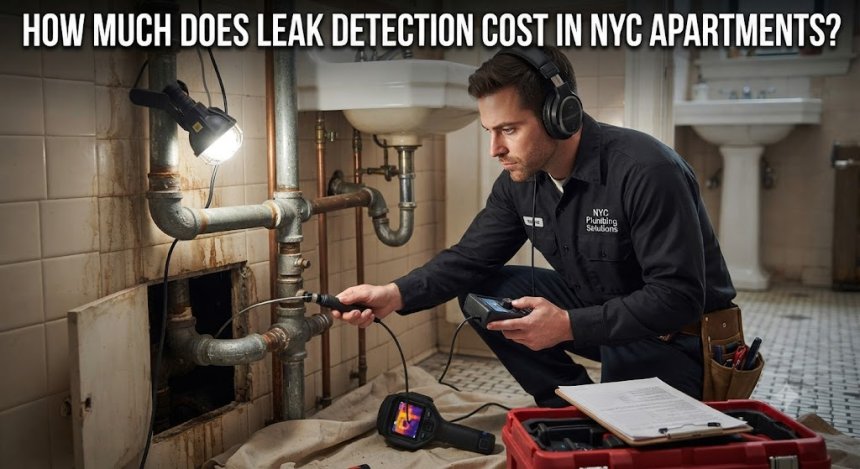
How Much Does Leak Detection Cost in New York City Apartments?
Discovering unexplained water pooling beneath your kitchen sink or noticing your monthly utility bill skyrocket can send a wave of panic through any property owner. When hidden water damage threatens your interior finishes, understanding how much does leak detection cost in New York City apartments becomes an immediate priority for tenants, co-op shareholders, and commercial managers alike. Across Manhattan, Brooklyn, Queens, the Bronx, and Staten Island, urban properties feature complex, aging infrastructure where a minor drip behind a plaster wall can cause thousands of dollars in structural rot. Knowing what drives professional diagnostic pricing helps you prepare financially and secure trustworthy plumbing services before minor leaks escalate into major emergencies.
What Is Professional Leak Detection?
Professional leak detection refers to the specialized diagnostic process licensed plumbers use to locate hidden water escapes behind walls, beneath concrete floors, and inside multi-story ceiling cavities without causing unnecessary structural destruction. In New York City residential settings, this service typically addresses scenarios where a water meter spins continuously, damp spots appear on drywall, or musty odors linger without an obvious source.
Property owners in pre-war co-ops and modern high-rises frequently encounter hidden leaks due to aging galvanized risers, shifting building foundations, or failing supply line connections. Rather than tearing down entire walls blindly on a hunch, professional leak detection relies on acoustic sensors, thermal imaging, and pressure testing to pinpoint the exact failure point down to the exact inch.
Why Does This Plumbing Problem Happen?
Hidden water leaks rarely develop without a physical or environmental catalyst. In the New York City real estate landscape, several unique factors are frequently to blame:
-
Aging Pipes and Corrosion: Classic brownstones and older apartment buildings feature iron and galvanized steel pipes that thin out and develop pinhole leaks after decades of use.
-
High Water Pressure: Excessive municipal water pressure stresses pipe joints, flexible supply hoses, and fittings until they fracture or leak slowly.
-
Foundation Shifting: NYC ground movement and heavy nearby street traffic place physical stress on rigid underground or in-slab drainage lines.
-
Hard Water and Mineral Scale: Mineral deposits build up inside pipes, causing localized friction and chemical wear that compromises metal integrity over time.
-
Impoor Installation Practices: Incompatible pipe materials, such as mixing copper and galvanized steel without dielectric unions, accelerate galvanic corrosion.
-
Worn Plumbing Fixtures: Aging washing machine hoses, corroded toilet flush valves, and deteriorating under-sink supply lines fail silently under constant pressure.
Signs You Should Never Ignore
A hidden leak usually provides subtle clues before causing catastrophic structural failure. Keep an eye out for these critical warning signs:
-
Unexplained High Water Bills: If your utility usage spikes while your daily habits remain unchanged, water is escaping somewhere continuously.
-
Damp Walls and Peeling Paint: Discolored drywall, warped wallpaper, or bubbling paint near bathrooms and kitchens suggest water trapped behind surfaces.
-
Musty Odors and Mold Growth: Persistent damp smells or visible mold patches indicate moisture accumulation in dark cavities.
-
Unusual Hissing or Running Sounds: Hearing water moving through walls when all faucets and appliances are turned off points to an active pressure leak.
-
Warped Flooring: Buckling hardwood floors or spongy tiles often signal a slow leak originating from beneath subfloors or concrete slabs.
Common Plumbing Problems Related to This Issue
Leak detection issues rarely exist in a vacuum. They are frequently tied to or accompanied by other severe building-wide plumbing failures:
-
Structural Rot and Framing Damage: Long-term moisture saturation rots wooden floor joists and wall studs, compromising structural stability.
-
Electrical Hazards: Water dripping into electrical outlets or ceiling light fixtures creates immediate short-circuit and fire risks.
-
Drain Clogs and Slow Drains: Escaping water can wash away supportive soil or mix with debris to create secondary blockages in branch lines.
-
Water Heater Failures: Internal tank corrosion can cause sudden bottom ruptures that flood utility closets and storage spaces.
Step-by-Step Professional Repair Process
When you hire a licensed plumber from Plumber in New York City to detect and resolve a hidden leak, they follow a systematic, thorough approach:
-
Step 1: Initial Consultation: The plumber reviews your utility history, property layout, and symptoms to map out a diagnostic strategy.
-
Step 2: Non-Invasive Diagnostics: Technicians deploy thermal cameras and acoustic listening devices to scan walls and floors for temperature anomalies and sound signatures.
-
Step 3: Transparent Written Estimate: The plumber provides an upfront cost breakdown detailing diagnostic fees, access requirements, and repair options.
-
Step 4: Targeted Repair Work: Once the leak is isolated, the technician cuts a small access panel, replaces the damaged pipe section, or seals the joint.
-
Step 5: System Pressure Testing: The plumbing network is re-pressurized and monitored to verify that the leak has been completely eliminated.
-
Step 6: Worksite Cleanup: The team sanitizes the work zone, removes debris, and leaves your apartment clean and orderly.
-
Step 7: Maintenance Recommendations: The technician reviews preventative steps to protect your plumbing system moving forward.
Can You Fix It Yourself?
While tracking down a dripping faucet or tightening a loose P-trap is manageable for DIYers, finding hidden leaks behind walls requires professional expertise. Homeowners can safely execute only basic checks:
-
Check Water Meters: Turn off all indoor water fixtures, then check your water meter dial; if it is moving, water is escaping somewhere.
-
Inspect Visible Fixtures: Examine under-sink supply lines, toilet connections, and washing machine hoses for moisture or mineral crust.
-
Test Shutoff Valves: Ensure your apartment main water shutoff valve operates smoothly so you can act quickly during an emergency.
Never attempt to cut into walls or concrete slabs to find leaks without proper scanning tools, as you risk severing live electrical wiring or gas lines. Call a licensed professional immediately if you suspect a hidden structural leak.
Tools Professionals Use
Professional plumbers rely on advanced electronic diagnostic equipment to locate leaks accurately without destroying your interior finishes:
-
Acoustic Leak Detectors: High-sensitivity ground and wall microphones that amplify the distinct hissing sound of pressurized water escaping through tiny cracks.
-
Thermal Imaging Cameras: Infrared scanners that detect temperature differences behind walls caused by pooled or running moisture.
-
Electronic Pipe Locators: Surface scanners that map the precise underground or in-wall path and depth of metal and plastic piping.
-
Digital Pressure Gauges: Precision tools that measure static and dynamic system pressure to verify whether a closed-loop system is holding pressure.
How Long Does the Repair Usually Take?
Timelines for leak detection and subsequent repairs vary based on accessibility and complexity:
-
Diagnostic Leak Detection: Finding the exact source of a hidden leak typically takes 1 to 3 hours.
-
Simple Pipe Repairs: Replacing a localized, accessible supply line fitting takes 1 to 2 hours.
-
Major Structural Repairs: Opening walls or concrete slabs to replace corroded branch lines takes 1 to 3 days.
-
Emergency Response Time: Our dispatch team arrives promptly to assess urgent leaks across the local service area.
Factors affecting repair time include building co-op board rules, wall construction materials, and the accessibility of vertical risers.
Cost Factors
Professional leak detection and plumbing repair costs fluctuate based on several distinct variables. Reputable providers never quote flat rates blindly over-the-phone without evaluating these elements:
-
Diagnostic and Service Fees: The specialized time and technology required to scan walls and pinpoint hidden leaks.
-
Parts and Materials: Cost of replacement copper, PEX piping, valves, and structural connectors.
-
Labor Rates: Technical expertise required, influenced by local NYC labor standards and building access rules.
-
Emergency Service Charges: Premium pricing for urgent after-hours, weekend, or holiday dispatches.
-
Property Accessibility: Working in cramped pre-war utility chases or finished multi-story spaces takes longer.
-
Permit Costs: Municipal filings required for major plumbing alterations in New York City.
Plumbing repair costs vary depending on the severity of the problem, accessibility, materials required, emergency service, property type, and local labor rates.
Hidden Truths Homeowners Should Know
Navigating plumbing leaks in New York City real estate comes with practical realities that every property owner must keep in mind:
-
Small, unaddressed pinhole leaks quickly expand into expensive structural rot and ruined interior finishes.
-
Cheap temporary tape fixes on pressurized supply lines almost always fail under urban water loads.
-
Homeowners insurance policies frequently deny claims resulting from long-term, neglected slow leaks.
-
Hard water and mineral scale silently shorten the functional lifespan of appliances and plumbing fixtures.
-
DIY plumbing mistakes in apartment buildings can cause cascading water damage to neighboring units downstairs.
-
Delaying leak detection allows moisture to foster rapid mold growth behind walls, creating health hazards.
-
Hidden pipe leaks inflate your monthly utility bills long before you notice physical water pooling.
-
Annual plumbing maintenance and professional inspections save property owners thousands in emergency repair fees.
15 Common Mistakes Homeowners Make
Avoiding common missteps protects your property and your wallet from avoidable disaster:
-
Ignoring minor damp spots on walls or ceilings until major damage occurs.
-
Pouring chemical drain cleaners into sinks experiencing unexplained pressure drops.
-
Flushing personal hygiene wipes that create severe drainage backups and pressure strain.
-
Pouring cooking grease into kitchen drains where it coats pipes and blocks flow.
-
Ignoring unusual hissing sounds coming from behind interior walls.
-
Hiring unlicensed handymen lacking proper electronic leak detection gear.
-
Skipping annual plumbing checkups in older NYC apartments.
-
Waiting until a holiday weekend to address worsening water meter spikes.
-
Using incompatible pipe materials during DIY fixture updates.
-
Over-tightening threaded fittings, which cracks brass and PVC connectors.
-
Failing to locate the apartment main water shutoff before an emergency strikes.
-
Forcing rusted valves without applying penetrating oil first.
-
Overlooking building-wide notices regarding scheduled water pressure tests.
-
Discarding old fixture washers that help regulate water delivery.
-
Attempting DIY wall demolition without scanning for electrical lines.
Maintenance Tips
Proactive care keeps your apartment's plumbing system secure and leak-free year-round:
-
Inspect under-sink supply lines and flexible braided hoses annually for bulging or fraying.
-
Test your apartment main water shutoff valve twice a year to ensure it moves freely.
-
Monitor your water meter or monthly utility bills for unexpected usage anomalies.
-
Flush your water heater tank once a year to clear sediment buildup and prevent tank leaks.
-
Avoid pouring coffee grounds, grease, or starchy foods down kitchen disposals.
-
Keep chemical drain cleaners away from your pipes to preserve internal metal integrity.
-
Ask your building superintendent about the age of the building's main risers and pressure regulators.
-
Address dripping faucets immediately before washers disintegrate completely.
-
Insulate exposed pipes near exterior apartment walls during freezing winter months.
-
Schedule a professional plumbing inspection every two years in older properties.
-
Never hang heavy storage baskets on exposed plumbing pipes under sinks.
-
Use sink strainers in kitchens and showers to catch hair and food debris.
-
Educate all household members on the exact location of emergency water shutoffs.
-
Replace flexible supply hoses every five to seven years as a standard precaution.
-
Partner with experienced local professionals who understand historic NYC architecture.
When Should You Call an Emergency Plumber?
Certain plumbing scenarios demand immediate professional assistance to prevent disaster:
-
Burst Supply Pipes: A ruptured pipe spraying water across walls or floors requires an immediate emergency shutoff and repair.
-
Sudden Major Leaks: Rapid pooling of water from unknown sources threatening electrical outlets and flooring.
-
Total Water Loss: Having zero running water when neighbors have supply indicates a severe local shutoff or riser failure.
-
Severe Sewage Backups: Wastewater backing up into bathtubs or sinks presents an immediate health hazard.
-
Uncontrollable Flooding: A fitting or valve that cannot be stopped using emergency shutoff valves.
Immediate action is vital in New York City because water travels rapidly through multi-family buildings, damaging adjacent apartments and common areas.
Frequently Asked Questions
-
Why is my water pressure suddenly low? Sudden pressure drops usually indicate a partially closed main valve, a failed pressure regulator, or a major leak upstream in the building's plumbing system.
-
How much does leak detection cost? Professional leak detection costs vary based on equipment used and the size of the apartment, but early detection prevents thousands in water damage.
-
Can a clogged drain damage pipes? Yes, severe clogs create back-pressure that stresses pipe joints, accelerates corrosion, and can lead to joint separations.
-
Is hydro jetting safe for old pipes? An experienced plumber evaluates pipe material and condition first; hydro jetting is safe for sound pipes but can damage severely compromised antique cast iron.
-
How do I know if my sewer line is broken? Foul odors, multiple slow drains, gurgling toilets, and sewage pooling in basement areas are primary indicators of a compromised sewer line.
-
How long do water heaters last? Standard tank water heaters last between 8 to 12 years, while tankless units can operate efficiently for up to 20 years with proper maintenance.
-
Why does my faucet drip? Faucets typically drip due to worn-out rubber O-rings, degraded washers, or mineral buildup inside the cartridge valve.
-
What causes pipes to burst? Pipes burst primarily due to water freezing inside uninsulated lines, excessive water pressure, or extreme structural corrosion.
-
Can plumbing leaks increase my water bill? Even a slow, hidden leak can waste thousands of gallons of water annually, causing a noticeable spike in your utility bills.
-
When should I replace plumbing instead of repairing it? If your pipes suffer from recurring pinhole leaks, extensive rust, or are older than 50 years, total repiping is more cost-effective than endless spot repairs.