NYC Co-op Plumbing Problems: What Owners Must Know
Navigating NYC co-op plumbing problems? Learn what causes leaks, building rules, emergency warning signs, and when to call a licensed plumber.

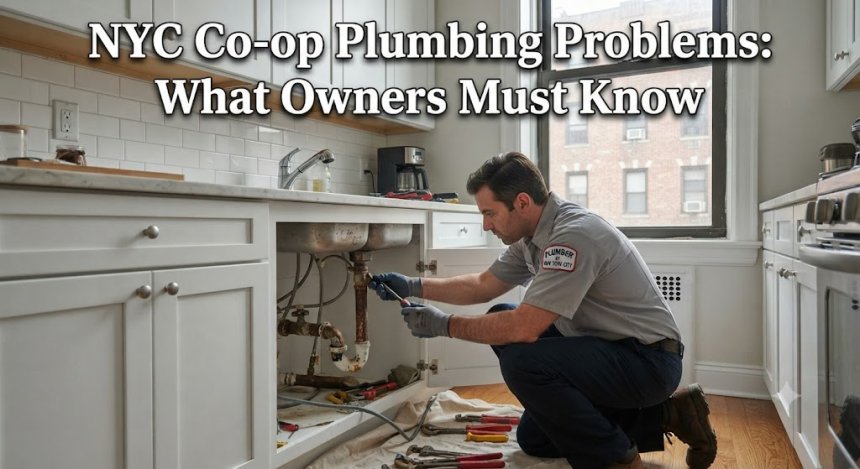
NYC Co-op Plumbing Problems: What Homeowners Should Watch For
Navigating NYC co-op plumbing problems is a unique challenge that every cooperative apartment owner, shareholder, and board member in the five boroughs eventually faces. Unlike single-family homes where you control every inch of your infrastructure, owning a co-op in Manhattan, Brooklyn, Queens, the Bronx, or Staten Island means sharing a complex, interconnected plumbing web with dozens of neighbors. From century-old cast iron stacks in pre-war Greenwich Village buildings to modern PEX piping in Long Island City high-rises, urban apartment plumbing demands specialized knowledge. Homeowners search for this topic because a minor drip in a cooperative building can quickly cascade into multi-floor property damage, expensive share assessments, and strict co-op alteration agreement violations. Understanding how your apartment's pipes interact with the building’s main riser system is essential for protecting your investment and staying compliant with your building's proprietary lease.
What Are NYC Co-op Plumbing Problems?
NYC co-op plumbing problems encompass any failure, leak, clog, or operational malfunction within a cooperative apartment's water supply, drainage, or venting systems. These issues frequently occur in shared vertical stacks, branch lines feeding kitchens and bathrooms, aging shut-off valves, and antiquated galvanized steel or cast-iron waste pipes.
Common situations involve sudden bathtub overflows leaking into the unit directly below, chronic low water pressure caused by mineral-scaled building booster pumps, or mysterious brown water staining bathroom tiles during morning peak usage hours. Symptoms range from slow-draining kitchen sinks and damp baseboards to foul sewer gases wafting from dry P-traps.
These problems happen because many New York City residential buildings date back to the early-to-mid 20th century, meaning original infrastructure has long exceeded its functional lifespan. Furthermore, because co-op shareholders own shares in the corporation rather than real estate property outright, legal responsibility for repairs is strictly divided between the individual shareholder and the building corporation, governed by the proprietary lease and house rules.
Why Does This Plumbing Problem Happen?
Urban plumbing systems operate under intense daily strain, accelerating wear and tear across multiple mechanical components.
-
Aging pipes: Many pre-war co-ops in neighborhoods like the Upper West Side or Park Slope still utilize original galvanized iron or aging brass supply lines that narrow internally over decades due to mineral accumulation.
-
Corrosion: Galvanized and cast iron pipes rust from the inside out, eventually forming pinhole leaks behind plaster walls or beneath tiled bathroom floors.
-
Building-wide plumbing dynamics: High water pressure required to pump water to upper floors in high-rise towers creates excessive stress on individual apartment pressure-reducing valves and fixture connectors.
-
Improper installation during unapproved renovations: Previous shareholders who performed DIY kitchen or bathroom remodels without filing alterations with the NYC Department of Buildings (DOB) often create hidden structural piping flaws.
-
Shared stack clogs: Main vertical waste stacks serving entire lines of apartments frequently collect grease, coffee grounds, and improper sanitary products flushed from upper floors, resulting in back-ups on lower floors.
-
Hard water mineral scale: NYC water has moderate mineral content that gradually coats internal heating elements and valve seats, causing premature failure in water heaters, washing machine hoses, and faucet cartridges.
Signs You Should Never Ignore
-
Water stains on ceilings or walls: Indicates a hidden pipe leak from your unit, a shared riser, or the apartment directly above you, which can cause rotting wooden lath and plaster collapse.
-
Slow drains throughout the apartment: Suggests a blockage forming deep within your branch drain or the main building waste stack rather than a simple localized sink clog.
-
Unexplained drops in water pressure: Often points to a failing pressure-reducing valve, heavy pipe corrosion restricting flow, or an undetected slab or wall leak.
-
A sudden spike in your monthly maintenance or direct water bills: A telltale sign of a running toilet, continuous flapper leak, or hidden hot water line failure.
-
Musty odors or mold growth behind cabinets: Reveals chronic moisture accumulation from slow P-trap leaks or condensation on uninsulated cold water supply lines.
-
Clanking or banging noises (water hammer): Occurs when fast-closing valves send shockwaves through unsecured pipes, loosening joints and fittings inside walls.
Common Plumbing Problems Related to This Issue
-
Shared stack leaks: Failures in the main vertical cast-iron sanitary or vent stacks that require coordinated repairs across multiple floors managed by the building superintendent.
-
Branch line backups: Blockages in horizontal drain lines connecting individual bathroom fixtures to the main stack, frequently caused by hair, soap scum, and grease.
-
Faulty apartment angle stops: Deteriorated water supply shut-off valves under sinks or behind toilets that break off when turned during an emergency.
-
Radiator valve leaks: A classic NYC heating-plumbing hybrid issue where steam radiator control valves leak rusty water onto hardwood flooring during heating season.
-
Washing machine supply hose ruptures: Catastrophic failures of old rubber hoses flooding laundry closets and warping parquet floors.
Step-by-Step Professional Repair Process
-
Inspection: A licensed plumber evaluates the affected area visually, checking adjacent walls, fixtures, and accessible pipe chases.
-
Diagnosis: Using advanced diagnostic tools, the plumber traces the source of the issue to determine whether the leak or clog originates in private shareholder property or building common elements.
-
Estimate: The plumber provides a clear, transparent scope of work and pricing breakdown, accounting for any necessary building notifications or water shut-offs.
-
Repair: The technician executes the necessary repair, such as cutting out corroded pipe sections, installing copper or PEX replacements, or clearing main lines.
-
Testing: Water supply and drainage systems are pressurized and thoroughly tested to confirm zero leakage and optimal flow rates.
-
Cleanup: The work area is meticulously cleaned, and debris or old metal scraps are removed from the apartment.
-
Maintenance Advice: The plumber provides documentation for your co-op managing agent and shares practical tips to prevent recurrence.
Can You Fix It Yourself?
While changing a showerhead or plunging a standard toilet is safe for handy homeowners, DIY plumbing in a NYC co-op carries massive financial and legal risks. You can safely clear minor sink clogs using a basic hand snake or replace an easily accessible sink stopper. However, never attempt to repair main building shut-off valves, shared stack connections, or gas lines.
DIY plumbing becomes dangerous the moment you touch pressurized supply lines without being able to shut off the main building riser. In a co-op, an accidental pipe break during a weekend DIY project can flood multiple apartments below you, leaving you personally liable for thousands of dollars in damages and potential lease violation notices from your board of directors. Always defer to professional plumbers when dealing with anything beyond surface-level fixtures.
Tools Professionals Use
-
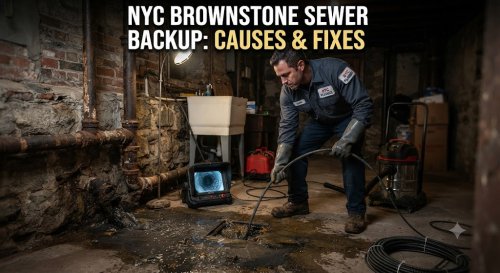
Drain cameras (borescopes): Flexible fiber-optic cameras inserted into pipes to visually inspect interior walls for cracks, root intrusion, or grease blockages without tearing open drywall.
-
Electronic leak detection equipment: Acoustic listening devices and thermal imaging cameras that pinpoint hidden water leaks behind concrete, tile, and plaster.
-
Hydro jetting machines: High-pressure water nozzles that scour grease, scale, and mineral buildup from interior pipe walls, restoring older lines to near-original capacity.
-
Pipe locators: Electromagnetic transmitters used to trace the exact underground or in-wall path of hidden plumbing lines.
-
Professional pipe freezing kits: Specialized equipment used by commercial and residential plumbers to temporarily freeze water inside a live supply pipe, allowing valve replacements without shutting down an entire building riser.
How Long Does the Repair Usually Take?
-
Simple repairs (e.g., replacing a toilet fill valve or faucet cartridge): 1 to 2 hours.
-
Moderate repairs (e.g., replacing corroded shut-off valves or clearing a branch drain clog): 2 to 4 hours.
-
Major repairs (e.g., replacing sections of galvanized waste lines or repairing a radiator steam branch): 4 to 8 hours over one or two days.
-
Emergency repairs (e.g., containing a burst riser or mitigating a major stack backup): Initial containment within 1 to 2 hours, with full restoration dependent on building management approvals.
Repair times vary based on building access rules, the availability of main line water shut-offs controlled by the superintendent, and whether structural walls must be opened.
Cost Factors
-
Diagnostic fees: Standard service call and inspection charges to evaluate the problem.
-
Accessibility of pipes: Additional labor if pipes are encased in lath, plaster, brick, or decorative cabinetry requiring careful cutting and patching.
-
Parts and materials: High-grade brass, copper, or PEX tubing compliant with NYC Local Laws and the NYC Plumbing Code.
-
Building coordination requirements: Time spent coordinating with building supers, management companies, and filing insurance certificates of insurance (COI).
-
Emergency service charges: After-hours, weekend, or holiday dispatch rates for urgent leaks.
-
Permit and filing costs: Necessary DOB filings for major bathroom or kitchen alterations.
Plumbing repair costs vary depending on the severity of the problem, accessibility, materials required, emergency service, property type, and local labor rates.
Hidden Truths Homeowners Should Know
Small, seemingly insignificant leaks behind bathroom vanities or kitchen sinks almost always evolve into expensive structural repairs if left unaddressed. Cheap temporary fixes using duct tape, epoxy putty, or rubber patches on pressurized lines inevitably fail under urban water pressure. Furthermore, standard co-op proprietary leases often stipulate that shareholders are responsible for any damage caused to neighboring units by neglected private plumbing fixtures.
If you delay repairs, trapped moisture will rapidly foster mold growth within apartment walls, triggering indoor air quality issues and building health code violations. Hard water silently shortens the lifespan of your washing machine hoses and dishwasher valves. Finally, performing unauthorized plumbing work without filing an alteration agreement with your managing agent can result in stop-work orders, hefty fines, and legal action from the co-op board.
15 Common Mistakes Homeowners Make
-
Ignoring minor drip sounds: Always investigate phantom running sounds or damp cabinet floors immediately.
-
Pouring chemical drain cleaners down old pipes: Harsh lye-based chemicals eat away at aging cast-iron and PVC joints, causing sudden pipe collapses; use mechanical snaking instead.
-
Flushing wet wipes or paper towels: Even products labeled "flushable" clog narrow urban building stacks; throw them in the trash.
-
Pouring cooking grease down the kitchen sink: Liquid grease solidifies in cold shared vertical stacks, trapping debris and causing major floor-wide backups.
-
Ignoring fluctuating water pressure: Report sudden pressure drops to management to catch failing building pressure regulators early.
-
Hiring unlicensed handymen for plumbing tasks: Always verify that your contractor holds a valid NYC Department of Buildings (DOB) license and insurance.
-
Skipping annual plumbing inspections: Schedule a yearly check of angle stops, supply hoses, and P-traps.
-
Waiting until an emergency to find a plumber: Keep a trusted local plumber's contact information saved in your phone before disaster strikes.
-
Using incompatible pipe materials: Mixing copper and galvanized steel without dielectric unions causes accelerated galvanic corrosion.
-
Over-tightening threaded fittings: Forcing plumbing nuts too tight cracks porcelain fixtures and strips brass threads.
-
Failing to locate main apartment shut-off valves: Every co-op owner must know exactly where their water shut-offs are located.
-
Leaving hoses connected to laundry units: Unattended washing machine hoses under pressure frequently rupture when old.
-
Neglecting seasonal radiator maintenance: Bleed air from steam radiators gently and check air vents before winter heating starts.
-
Failing to request a Certificate of Insurance (COI): Always ensure your plumber provides a COI naming your co-op building and managing agent as additional insureds before starting work.
-
Attempting DIY gas line modifications: Never touch gas ranges or gas supply lines; leave all gas work strictly to licensed professionals.
Maintenance Tips
-
Inspect all under-sink supply lines, flexible braided hoses, and shut-off valves monthly for signs of weeping or green corrosion buildup.
-
Test your toilet flappers twice a year by dropping a few drops of food coloring into the tank; if color appears in the bowl without flushing, replace the flapper.
-
Pour a bucket of warm water mixed with a small amount of eco-friendly dish soap down rarely used floor drains and guest bathroom sinks to keep P-traps filled and prevent sewer gases from entering your apartment.
-
Replace flexible washing machine supply hoses with braided stainless steel models every five years.
-
Know the exact location of your apartment’s emergency water shut-off valves and make sure they turn smoothly without sticking.
-
Coordinate with your building superintendent to test main riser shut-offs during scheduled building maintenance windows.
-
Install water leak detection smart pucks under sinks, behind toilets, and near washing machines to receive instant smartphone alerts if moisture is detected.
-
Keep cabinet doors beneath sinks slightly open during freezing winter cold snaps if exterior walls lack proper insulation.
-
Clear aerators on kitchen and bathroom faucets semiannually to remove trapped mineral scale and maintain steady water flow.
-
Schedule a professional plumbing maintenance review before undertaking any major kitchen or bathroom cosmetic renovations.
When Should You Call an Emergency Plumber?
-
Burst water supply pipes: Spraying or gushing water that requires an immediate shutdown of the apartment or building riser.
-
Severe sewage backup: Raw sewage overflowing from bathtub drains, toilets, or kitchen sinks, creating health hazards.
-
Total loss of running water: Sudden water stoppage affecting your apartment when neighbors still have service.
-
Overflowing toilets that cannot be stopped: A clogged fixture where shutting off the wall valve fails to halt rising water levels.
-
Major structural water leaks: Water actively pouring through ceiling fixtures or running down drywall into lower apartments.
-
Gas line odors or suspected leaks: Smelling rotten eggs near your stove or gas piping requires immediate evacuation and professional emergency dispatch.
Frequently Asked Questions
Why is my water pressure suddenly low? Sudden low pressure is usually caused by a clogged faucet aerator, a partially closed supply valve, or building-wide booster pump maintenance coordinated by your superintendent.
How much does leak detection cost? Diagnostic leak detection pricing varies based on whether acoustic listening equipment or thermal imaging is required to locate hidden architectural leaks behind walls.
Can a clogged drain damage pipes? Yes. Persistent clogs exert extreme hydrostatic pressure on pipe joints, leading to micro-cracks, joint separation, and eventual water leaks.
Is hydro jetting safe for old pipes? An experienced professional must inspect older cast-iron or galvanized lines with a camera first; severely degraded pipes may require alternative rehabilitation methods rather than high-pressure jetting.
How do I know if my sewer line or building stack is broken? Frequent lower-floor backups, persistent foul sewer odors, and damp foundation or basement walls are primary indicators of a compromised waste stack.
How long do water heaters last? While many apartment units utilize building-supplied central hot water, tankless or point-of-use apartment water heaters typically last between 8 to 12 years with routine flushing.
Why does my faucet drip? A dripping faucet is usually caused by a worn-out rubber O-ring, corroded valve seat, or a failing ceramic cartridge inside single-lever mixing valves.
What causes pipes to burst? Pipes most commonly burst due to extreme internal pressure from freezing water expansion, severe internal corrosion, or excessive water hammer shockwaves.
Can plumbing leaks increase my water bill? Even a small continuous toilet flapper leak can waste hundreds of gallons of water daily, driving up utility assessments or direct apartment water charges.
When should I replace plumbing instead of repairing it? When pipes exhibit widespread wall corrosion, frequent pinhole leaks, or have exceeded 50 years of age, a full repiping project is far more cost-effective than endless spot repairs.