Upper West Side Emergency Plumber: Sewer Backup Guide
Facing a sewer backup on the Upper West Side? Learn urgent steps, causes, professional repairs, and when to call a licensed NYC plumber.

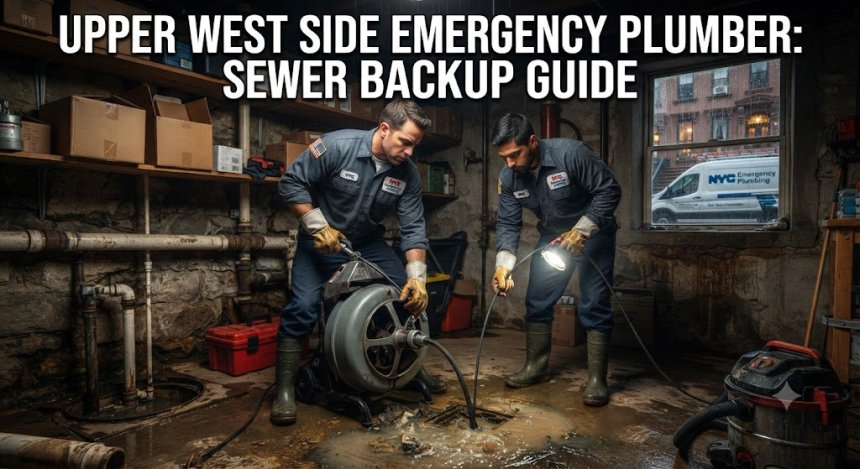
Emergency Plumber in Upper West Side: What to Do During a Sewer Backup
Walking into your ground-floor apartment, brownstone basement, or commercial storefront to find wastewater pooling across the floor is a property owner's absolute nightmare. Finding a reliable emergency plumber in Upper West Side who can respond rapidly to mitigate property damage is critical when disaster strikes. Across Manhattan neighborhoods like Morningside Heights, Lincoln Square, and the Upper West Side, aging municipal connections and historic building infrastructure frequently intersect, leading to sudden wastewater failures. Understanding what steps to take immediately during a severe crisis protects your health, limits structural damage, and prepares you to work effectively with licensed professionals.
What Is a Sewer Backup?
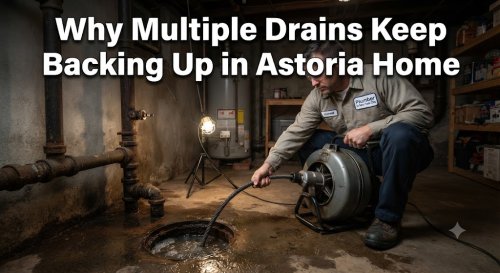
A sewer backup occurs when the main underground drainage line leading from a building to the city municipal sewer main becomes completely blocked or damaged, forcing wastewater, greywater, and raw sewage backward out of the lowest household drains. In urban residential and commercial settings, this issue typically manifests in a few alarming ways: basement floor drains overflowing with murky liquid, toilets bubbling and ejecting waste when a shower upstairs is turned on, or multiple fixtures backing up simultaneously.
Property owners in classic pre-war buildings or brownstones frequently encounter this during heavy rainstorms or peak municipal usage hours. While a simple localized hair clog in a bathroom sink is manageable with a plunger, a whole-building sewer backup is an urgent public health hazard requiring immediate emergency intervention.
Why Does This Plumbing Problem Happen?
Wastewater backups rarely occur without an underlying physical or environmental trigger. In the New York City real estate landscape, several distinct catalysts are frequently to blame:
-
Aging Pipes and Structural Collapse: Historic Upper West Side brownstones often feature antique clay or cast iron sewer laterals that have cracked or collapsed under decades of ground movement.
-
Tree Roots: Mature trees lining historic neighborhood streets and Central Park borders send aggressive roots infiltrating pipe joints in search of moisture.
-
Foreign Objects and Wipes: Flushing "flushable" wipes, paper towels, feminine hygiene products, and thick tissues creates massive, impenetrable blockages inside lateral lines.
-
Grease and Fat Buildup: Pouring cooking fats, oils, and grease down kitchen sinks coats interior pipe walls, hardening into solid masses that trap debris.
-
Municipal Main Overloads: During heavy NYC rainstorms, combined municipal sewer mains can surcharge, forcing municipal water back up into lateral service lines.
-
Improper Pipe Grading: Shifting building foundations can alter the downward slope of drainage pipes, causing wastewater to pool and stagnate instead of flowing outward.
Signs You Should Never Ignore
A severe sewer backup usually gives subtle warning signs before it completely overflows. Keep an eye out for these critical red flags:
-
Multiple Slow Drains: When your kitchen sink, bathtub, and toilet all drain sluggishly at the same time, the blockage is located in the main line, not a single fixture.
-
Gurgling Plumbing Fixtures: Hearing a bubbling or gurgling sound in your toilet bowl when running the bathroom sink indicates trapped air escaping through wastewater.
-
Foul Sewage Odors: Lingering, unpleasant smells rising from floor drains, shower stalls, or basement utility sinks point to venting failures or early backup stagnation.
-
Standing Water in Basements: Puddles appearing near basement floor drains or utility sinks signal that wastewater is already beginning to breach the system.
-
Discolored Water Backflow: Murky water or floating debris backing up into lower-level fixtures confirms a direct cross-contamination from the sewer line.
Common Plumbing Problems Related to This Issue
A sewer backup rarely exists in total isolation. It is frequently tied to or accompanied by other severe building-wide plumbing failures:
-
Structural Foundation Damage: Escaping wastewater can erode soil beneath concrete basement slabs, compromising structural integrity.
-
Severe Mold Proliferation: Organic waste and moisture combined create an ideal environment for toxic mold growth behind walls within 24 to 48 hours.
-
Fixture and Flooring Ruin: Hardwood floors, antique millwork, custom cabinetry, and drywall soaked in raw sewage must often be completely ripped out and replaced.
-
Cross-Contamination of Water Lines: In extreme municipal failures, contaminated water can jeopardize clean supply lines if backflow preventers fail.
Step-by-Step Professional Repair Process
When you call an emergency plumber from Plumber in New York City to resolve a severe sewer backup, they execute a rigorous, methodical recovery plan:
-
Step 1: Immediate Emergency Containment: The plumber locates and shuts off vulnerable water sources or main supply valves to stop additional wastewater generation.
-
Step 2: Video Camera Inspection: Technicians thread high-definition fiber-optic cameras down the main line to locate the exact blockage point, root intrusion, or structural break.
-
Step 3: Upfront Transparent Estimate: The plumber provides a clear, detailed written estimate outlining required clearing techniques, repairs, and sanitization protocols.
-
Step 4: Hydro Jetting or Clearing: Industrial-grade hydro jetting equipment or heavy mechanical rooters are deployed to scour the line completely clean.
-
Step 5: System and Flow Testing: Water is run through the entire building network to verify that drainage is fully restored and flowing smoothly to the municipal main.
-
Step 6: Worksite Sanitization: The plumbing crew disinfects affected floors and fixtures, removing biohazard waste safely.
-
Step 7: Prevention and Maintenance Advice: The technician reviews long-term prevention strategies to ensure the backup does not happen again.
Can You Fix It Yourself?
Dealing with raw sewage is hazardous, and attempting DIY repairs on a main building sewer backup is extremely dangerous. Homeowners can safely execute only basic initial steps:
-
Stop All Water Usage Immediately: Inform everyone in the building to stop running sinks, flushing toilets, and operating washing machines.
-
Turn Off Main Water Supply: If water continues to rise from internal sources, locate and shut off the main water valve to the property.
-
Evacuate Contaminated Zones: Keep children and pets away from standing sewage to prevent exposure to dangerous pathogens and bacteria.
Never use chemical drain openers when dealing with a full sewer backup; the standing caustic chemicals can splash back dangerously during clearing or mix with sewage to release toxic fumes. Call a licensed emergency professional immediately.
Tools Professionals Use
Professional emergency plumbers rely on heavy-duty, advanced equipment to resolve complex urban blockages rapidly:
-
High-Pressure Hydro Jetters: Specialized water-blasting units operating at thousands of PSI that pulverize tree roots, grease, and heavy scale.
-
Fiber-Optic Sewer Cameras: Self-illuminated cameras that navigate winding lines to diagnose structural breaks and root entry points.
-
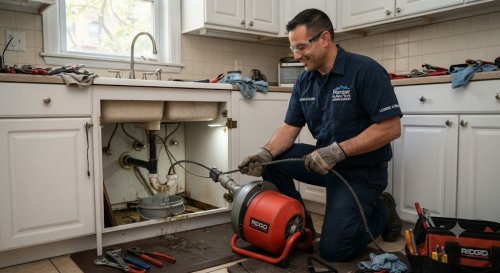
Heavy-Duty Power Rooters: Commercial-grade cable machines equipped with specialized cutting blades to slice through dense obstructions.
-
Electronic Pipe Locators: Surface scanners that pinpoint underground pipe damage precisely beneath basement floors or city sidewalks.
How Long Does the Repair Usually Take?
Emergency repair timelines vary based on the severity and location of the obstruction:
-
Standard Blockage Clearing: Clearing a routine grease or wipe clog with a power rooter takes 1 to 2 hours.
-
Hydro Jetting Main Lines: Scouring a heavily scaled or root-infested sewer line takes 2 to 4 hours.
-
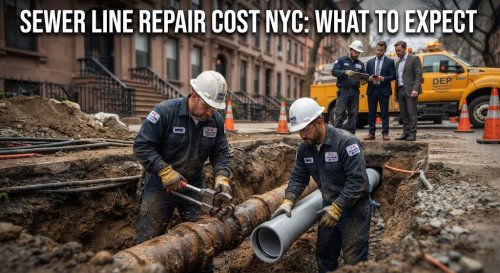
Major Structural Repairs: Excavating and replacing a collapsed section of underground sewer lateral takes 1 to 3 days.
-
Emergency Response Time: Our dispatch team arrives on-site in the Upper West Side typically within 60 minutes of your call.
Factors affecting repair time include building access rules, depth of the sewer lateral, and whether sidewalk permits are required from the city.
Cost Factors
Emergency plumbing services involve specialized labor and equipment. Reputable professionals never quote blind flat rates over the phone without assessing physical conditions:
-
Emergency Dispatch Fees: Premium charges for urgent after-hours, weekend, or holiday deployment.
-
Diagnostic Costs: Time and technology required to run camera inspections.
-
Labor and Crew Size: Number of technicians required to manage heavy biohazard cleanup and pipe restoration.
-
Equipment Rental: Specialized hydro jetting or trenchless repair machinery.
-
Permit and Excavation Costs: Municipal paperwork required if street or sidewalk breaking is mandatory.
-
Pipe Accessibility: Working in cramped pre-war basements versus open modern utility rooms.
Plumbing repair costs vary depending on the severity of the problem, accessibility, materials required, emergency service, property type, and local labor rates.
Hidden Truths Homeowners Should Know
Navigating emergency sewer issues in New York City real estate comes with hard realities that every property owner must keep in mind:
-
Small slow drains ignored over weeks almost always transform into catastrophic midnight sewage overflows.
-
Cheap temporary mechanical snake rentals often punch a small hole through a weak pipe instead of clearing the blockage.
-
Homeowners insurance policies frequently deny coverage for water damage resulting from neglected, long-term pipe decay.
-
Tree roots will repeatedly invade cracked sewer lines until the compromised pipe is fully replaced or lined with epoxy.
-
Chemical drain cleaners eat away at weakened metal and PVC walls, turning minor clogs into major pipe bursts.
-
DIY mitigation errors in multi-family buildings can expose you to liability for damage to neighboring tenants.
-
Delaying professional intervention allows raw sewage to saturate structural timber, causing rotting framing.
-
Hidden pipe leaks and partial blockages inflate your monthly utility bills long before a total backup occurs.
-
Mold develops rapidly in damp basement environments, creating severe indoor air quality hazards.
-
Annual plumbing maintenance and preventative rodding save property owners thousands in emergency cleanup fees.
15 Common Mistakes Homeowners Make
Avoiding common missteps protects your property and your wallet from avoidable disaster:
-
Ignoring slow-draining basement fixtures until a full backup occurs.
-
Pouring chemical drain openers into blocked sewer lines filled with standing water.
-
Flushing "flushable" wipes and paper towels down toilets.
-
Pouring cooking grease and oils down kitchen sinks.
-
Failing to locate the main water shutoff valve before an emergency strikes.
-
Hiring unlicensed handymen lacking proper equipment for main sewer clearing.
-
Skipping annual preventative camera inspections of older sewer laterals.
-
Waiting until a holiday weekend to address worsening drainage gurgles.
-
Using improper transition fittings during makeshift DIY repairs.
-
Over-tightening mechanical pipe clamps, cracking fragile older connectors.
-
Ignoring building-wide plumbing notices from your co-op or condo board.
-
Forcing rusted cleanout plugs without applying penetrating oil first.
-
Failing to document water damage with photos before cleanup for insurance purposes.
-
Discarding old pipe support brackets that prevent sagging sewer runs.
-
Attempting DIY sewage extraction without proper protective biohazard gear.
Maintenance Tips
Proactive care prevents unexpected emergency sewer backups in your Upper West Side property:
-
Schedule a professional camera inspection of your main sewer lateral every two years.
-
Avoid pouring grease, oil, coffee grounds, and starchy foods down kitchen drains.
-
Install fine mesh hair catchers in all bathroom sinks, tubs, and shower drains.
-
Inspect your basement floor drains regularly to ensure traps remain filled with water.
-
Never use harsh chemical clog removers on fragile or aged building drainage lines.
-
Flush your main lines with clean hot water periodically to clear minor organic buildup.
-
Keep outdoor area and courtyard drains free of autumn leaves, dirt, and debris.
-
Monitor your water and utility bills monthly for unexpected usage anomalies.
-
Know the exact location of your main building sewer cleanout and keep it clear of storage boxes.
-
Educate family members or tenants on proper waste disposal habits.
-
Address dripping fixtures and slow drains immediately before they worsen.
-
Consult a licensed plumber before undertaking major kitchen or bathroom renovations.
-
Avoid planting large trees or aggressive shrubs near your front yard sewer lateral.
-
Install a backwater prevention valve if your property is prone to municipal surcharges.
-
Partner with trusted local professionals familiar with Upper West Side building codes.
When Should You Call an Emergency Plumber?
Certain plumbing scenarios demand immediate professional assistance to protect your safety and property:
-
Raw Sewage Overflow: Wastewater bubbling up into bathtubs, showers, or basement floors requires immediate emergency extraction and clearing.
-
Total Building Drainage Failure: When no fixtures in the property will drain, the main lateral is completely blocked.
-
Burst Water Supply Pipes: A high-pressure pipe spraying water across walls or electrical panels.
-
Severe Basement Flooding: Rapid pooling of water from unknown sources threatening electrical infrastructure.
-
Uncontrollable Leaks: Plumbing fittings that cannot be stopped using emergency shutoff valves.
Immediate action is vital in New York City because stagnant sewage poses severe biological health risks and rapidly destroys historic building materials.
Frequently Asked Questions
-
Why is my water pressure suddenly low? Sudden pressure drops usually indicate a partially closed main valve, a failed pressure regulator, or a major leak upstream in the building's plumbing system.
-
How much does leak detection cost? Professional leak detection costs vary based on equipment used and the size of the property, but early detection prevents thousands in water damage.
-
Can a clogged drain damage pipes? Yes, severe clogs create back-pressure that stresses pipe joints, accelerates corrosion, and can lead to joint separations.
-
Is hydro jetting safe for old pipes? An experienced plumber evaluates pipe material and condition first; hydro jetting is safe for sound pipes but can damage severely compromised antique cast iron.
-
How do I know if my sewer line is broken? Foul odors, multiple slow drains, gurgling toilets, and sewage pooling in basement areas are primary indicators of a compromised sewer line.
-
How long do water heaters last? Standard tank water heaters last between 8 to 12 years, while tankless units can operate efficiently for up to 20 years with proper maintenance.
-
Why does my faucet drip? Faucets typically drip due to worn-out rubber O-rings, degraded washers, or mineral buildup inside the cartridge valve.
-
What causes pipes to burst? Pipes burst primarily due to water freezing inside uninsulated lines, excessive water pressure, or extreme structural corrosion.
-
Can plumbing leaks increase my water bill? Even a slow, hidden leak can waste thousands of gallons of water annually, causing a noticeable spike in your utility bills.
-
When should I replace plumbing instead of repairing it? If your pipes suffer from recurring pinhole leaks, extensive rust, or are older than 50 years, total repiping is more cost-effective than endless spot repairs.