Sewer Line Repair Cost NYC: What to Expect
Discover how much sewer line repair costs in NYC, warning signs of damage, causes, repair processes, and when to call a plumber.

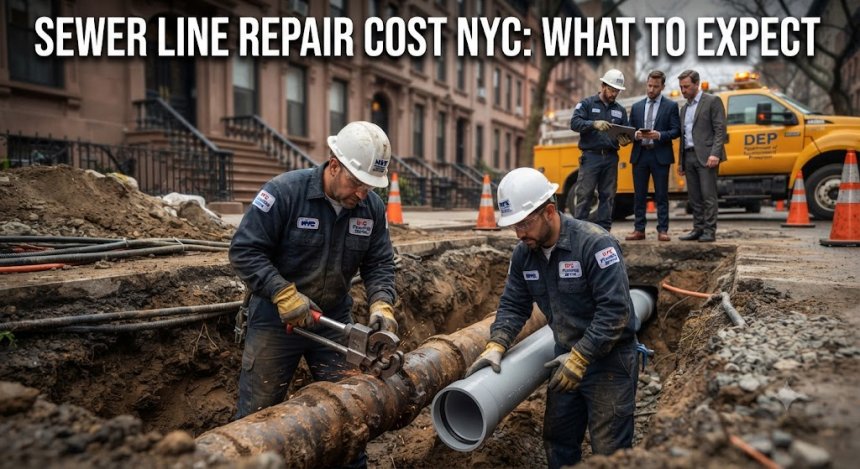
How Much Does Sewer Line Repair Cost for a NYC Home?
Property ownership across the five boroughs of New York City comes with distinct infrastructure challenges, and few issues strike as much fear into property owners as a failing main sewer line. When raw sewage backs up into your basement or your yard becomes soggy and foul-smelling, immediate panic usually sets in, quickly followed by the critical question: how much does sewer line repair cost for a NYC home?
Because urban plumbing runs beneath city sidewalks, historic brownstones, concrete driveways, and apartment building foundations, estimating expenses requires looking beyond generic national averages. Whether you manage a multi-family property in Brooklyn, a detached home in Queens, a historic brownstone in Manhattan, or a residential building in the Bronx or Staten Island, understanding the financial and mechanical realities of sewer repairs is essential. This comprehensive guide breaks down cost factors, warning signs, professional procedures, and preventative maintenance so you can make informed decisions before contacting Plumber in New York City at
What Is Sewer Line Repair?
Sewer line repair involves fixing, patching, or replacing the underground main pipe responsible for carrying all wastewater and sewage from your home's interior plumbing system out to the municipal street main.
In typical New York properties, these heavy-duty pipes are constructed from cast iron, clay tile, or older Orangeburg fiber, running deep beneath basement slabs, front lawns, or paved concrete yards. Common symptoms of a compromised line include multiple slow drains throughout the house, gurgling toilets, foul sewer odors, and wastewater pooling around basement floor drains. While minor issues can sometimes be resolved with targeted spot repairs or trenchless lining, severe structural collapses require extensive excavation and replacement under strict municipal guidelines.
Why Does This Plumbing Problem Happen?
Sewer lines endure immense physical stress and environmental pressure daily. In a dense urban setting like New York City, several specific factors accelerate line degradation.
-
Aging Infrastructure: Many NYC homes feature century-old cast iron or clay sewer pipes that have long exceeded their structural lifespan.
-
Tree Roots: Aggressive tree roots seeking moisture routinely infiltrate small joints or micro-cracks in older sewer lines, expanding until the pipe bursts or clogs completely.
-
Shifting Ground and Soil Settlement: New York's variable soil composition, heavy vehicular traffic, and surrounding construction vibrations cause underground pipes to shift, crack, or misalign (offset joints).
-
Grease and Solid Buildup: Pouring cooking fats, oils, and non-flushable wipes down drains creates thick blockages that trap corrosive waste against pipe walls.
-
Corrosion: Decades of exposure to harsh wastewater chemicals cause cast iron pipes to rust through from the inside out, creating structural bottom-channel rot.
-
Improper Installation: Past repairs or original installations lacking proper slope or bedding support can cause low spots (bellies) where waste accumulates.
Signs You Should Never Ignore
Recognizing early warning signs of sewer line failure can save you thousands of dollars in emergency remediation and property restoration costs.
-
Multiple Slow Drains: If your bathtub, kitchen sink, and toilets are all draining sluggishly at the same time, the blockage is usually in the main sewer line rather than an individual fixture trap.
-
Foul Sewage Odors: Persistent sulfur or rotten-egg smells lingering in your basement, crawlspaces, or yard indicate an active gas leak or crack in the sewer pipe.
-
Soggy Patches in the Yard: An unseasonably green or wet patch of lawn above the sewer line path points to a leaking or broken underground pipe.
-
Gurgling Fixtures: Hearing a deep gurgling sound from your toilet when running the bathroom sink indicates trapped air escaping through the sewer system.
-
Backup in Basement Floor Drains: Wastewater bubbling up through lowest-level floor drains during heavy laundry cycles or rainstorms is a definitive sign of a blocked or damaged main line.
Common Plumbing Problems Related to This Issue
A failing sewer line rarely exists in total isolation; it frequently triggers or accompanies other severe property issues.
-
Drain Clogs: Main line restrictions cause secondary backups across all household waste branches.
-
Foundation Damage: Persistent underground leaks can erode soil beneath concrete slabs or foundation footings, leading to structural settling.
-
Mold Growth: Sewage overflows and chronic dampness create ideal environments for toxic mold colonies in basements.
-
Fixture Contamination: Backed-up wastewater can ruin flooring, drywall, and custom basement finishes.
Step-By-Step Professional Repair Process
When you hire a licensed professional from Plumber in New York City, our technicians follow a rigorous, code-compliant protocol to resolve sewer failures correctly.
-
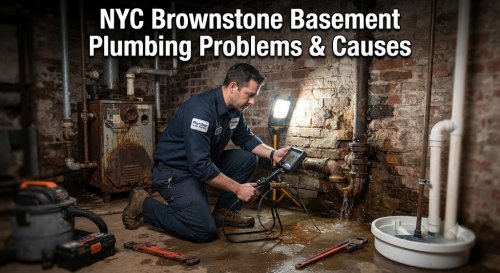
Step 1: Inspection: Our plumber inserts a specialized high-definition camera into the sewer line to locate the exact point and nature of the damage.
-
Step 2: Diagnosis: We evaluate whether the line can be relined trenchlessly or if structural excavation and replacement are required.
-
Step 3: Estimate: You receive a clear, transparent cost proposal detailing the scope of work, material choices, and permit requirements.
-
Step 4: Repair: Technicians perform trenchless pipe lining or execute traditional excavation, replacing broken pipe segments according to NYC plumbing codes.
-
Step 5: Testing: The repaired line is hydro-tested and camera-inspected again to verify flawless drainage and structural integrity.
-
Step 6: Cleanup: Work areas, basements, or excavated yards are thoroughly restored and cleaned.
-
Step 7: Maintenance Advice: We provide tailored guidelines to prevent future root intrusion and grease clogs.
Can You Fix It Yourself?
Sewer line repair is a major heavy-construction engineering task that is entirely unsuitable for do-it-yourself attempts.
-
Safe DIY Solutions: Homeowners can safely use standard sink plungers for localized fixture clogs or monitor basement drains for unusual activity.
-
Temporary Fixes: Limiting water usage during a suspected backup temporarily reduces strain on a compromised line while waiting for professional dispatch.
-
When DIY Becomes Dangerous: Renting heavy commercial augers or mechanical snakes without proper training can punch holes through fragile, aged cast iron or clay sewer pipes, worsening the disaster.
-
When Professional Plumbing is Necessary: Any suspected break, collapse, or chronic root invasion in a main sewer line demands licensed plumbing intervention and specialized municipal permitting.
Tools Professionals Use
Advanced equipment allows plumbing professionals to diagnose and repair underground lines with minimal property disruption.
-
Sewer Inspection Cameras: Waterproof fiber-optic push cameras that provide real-time video feeds of the pipe interior.
-
Electronic Pipe Locators: Surface scanners that pinpoint the exact depth and horizontal position of underground damage, eliminating guesswork.
-
Hydro Jetting Equipment: High-pressure water blasters that scour interior pipe walls free of scale, grease, and invasive tree roots.
-
Trenchless Lining Equipment: Epoxy resin bladders used to create a seamless "pipe within a pipe" without digging up your entire yard or driveway.
How Long Does the Repair Usually Take?
Project timelines depend heavily on the repair method chosen and the accessibility of the damaged pipe section.
| Repair Type | Estimated Time | Description |
| Simple Repairs | 4 to 8 hours | Clearing heavy blockages or executing minor spot repairs via accessible cleanouts. |
| Moderate Repairs | 1 to 2 days | Performing trenchless pipe lining or localized sidewalk excavation. |
| Major Repairs | 3 to 5 days | Complete main sewer line replacement requiring deep excavation and municipal permits. |
| Emergency Repairs | 1 to 2 days | Immediate shoring up and emergency bypass of collapsed building lines. |
Cost Factors
Plumbing repair costs vary depending on the severity of the problem, accessibility, materials required, emergency service, property type, and local labor rates.
-
Diagnostic Fees: Camera inspection and line location charges.
-
Depth and Accessibility: Digging under finished concrete basements or beneath city streets costs significantly more than trenching a soft dirt lawn.
-
Repair Method: Trenchless epoxy lining is often more efficient, while traditional open-cut excavation involves heavy labor and surface restoration costs.
-
Permit and NYC DEP Fees: Official municipal street opening and plumbing permit filings required across New York boroughs.
-
Line Length: Total footage of sewer pipe that needs replacement or rehabilitation.
Hidden Truths Homeowners Should Know
Understanding the realities of underground infrastructure protects you from unexpected financial surprises.
-
Small slow drains left unaddressed quickly evolve into expensive midnight sewer collapses.
-
Cheap chemical quick-fixes and root-killer liquids rarely solve structural pipe cracks and can degrade old metal walls.
-
Homeowners insurance policies routinely exclude coverage for damage caused by neglected or naturally deteriorated sewer lines.
-
Tree roots will repeatedly reinvade vulnerable clay or cast iron lines until the pipe is replaced or structurally lined.
-
Delaying repairs leads to catastrophic soil erosion beneath your home foundation and ruined interior flooring.
-
Annual preventative maintenance camera inspections save thousands of dollars in emergency excavation expenses.
15 Common Mistakes Homeowners Make
Avoiding these frequent errors protects your main drainage infrastructure:
-
Ignoring slow drains: Waiting until a total backup occurs.
-
Using harsh chemical drain cleaners: Corroding old cast iron pipe bottoms.
-
Flushing wet wipes: Believing "flushable" marketing claims while building massive grease-and-wipe fatbergs.
-
Pouring cooking grease down sinks: Solidifying inside cold underground lines.
-
Planting large trees near sewer paths: Allowing aggressive root systems to target pipe joints.
-
Hiring unlicensed contractors: Risking illegal work, code violations, and failed municipal inspections.
-
Skipping video inspections: Buying a home without scoping the main sewer line first.
-
Waiting for emergencies: Paying premium emergency rates for preventable failures.
-
Using improper pipe materials: Mismatching modern plastic and old metal pipes without correct transition couplings.
-
Over-tightening fittings: Cracking brittle cleanout plugs.
-
Neglecting building management rules: Failing to coordinate shared line shutoffs in co-ops.
-
Ignoring gurgling sounds: Dismissing early auditory warnings of venting and blockages.
-
Failing to locate backwater valves: Omitting check valves in flood-prone lower levels.
-
Disregarding municipal notices: Ignoring city advisories regarding local street main work.
-
Skipping post-repair testing: Failing to verify the new line pitch and flow with a follow-up camera check.
Maintenance Tips
Protect your New York property drainage with these practical maintenance habits:
-
Schedule a professional sewer camera inspection every two to three years, especially in older neighborhoods.
-
Never pour cooking oils, grease, coffee grounds, or starchy foods down kitchen drains.
-
Keep trees with aggressive root systems, such as willows and maples, away from your sewer line path.
-
Install hair strainers on all showers and tubs to reduce downstream debris load.
-
Test your basement backwater valve annually to ensure it seals properly against street backups.
-
Know the exact location of your main sewer cleanout plug in case emergency access is needed.
-
Avoid planting deep-rooted shrubs directly over your front yard plumbing easements.
-
Keep your home plumbing systems well-vented to maintain smooth waste flow dynamics.
When Should You Call an Emergency Plumber?
Certain situations require immediate professional dispatch rather than waiting for regular business hours:
-
Active Sewage Overflow: Raw wastewater is actively flooding your basement floors or living areas.
-
Total Drainage Failure: Every toilet and sink in the home is completely backed up and unusable.
-
Sewer Gas Odors: A strong, overpowering smell of sewage fills the living space, creating health hazards.
-
Structural Collapse: Ground sinking or caving in near your foundation or driveway where the sewer line runs.
Frequently Asked Questions
Why is my water pressure suddenly low?
Sudden pressure drops are typically caused by municipal supply work, a partially closed main valve, or a sudden blockage in your pressure reducing valve.
How much does leak detection cost?
Leak detection pricing varies based on the complexity of the layout, accessibility of pipe runs, and whether advanced acoustic equipment is required.
Can a clogged drain damage pipes?
Yes. Persistent clogs create corrosive standing water environments and high back-pressure that weaken pipe walls over time.
Is hydro jetting safe for old pipes?
Hydro jetting requires a thorough camera inspection first; high-pressure water can easily rupture fragile or severely corroded legacy pipes.
How do I know if my sewer line is broken?
Frequent multi-fixture backups, foul odors, and soggy patches strongly indicate a compromised main sewer line.
How long do water heaters last?
Standard tank water heaters typically last 8 to 12 years, while sediment accumulation from old building pipes can shorten this lifespan.
Why does my faucet drip?
Dripping faucets usually stem from worn internal washers, deteriorated O-rings, or mineral-crusted valve seats.
What causes pipes to burst?
Freezing winter temperatures, extreme internal water pressure, and advanced material corrosion are the primary drivers of burst pipes.
Can plumbing leaks increase my water bill?
Absolutely. Even a minor continuous leak wastes thousands of gallons of water, driving up utility expenses.
When should I replace plumbing instead of repairing it?
You should replace plumbing lines when widespread corrosion compromises structural integrity, or when repair frequency exceeds the cost of a modern repipe.